Broom vs Dust Mop: Which Cleaning Tool Is Right for You?
Choosing Between a Broom and a Dust Mop: An Expert Comparison Guide
In the realm of cleaning, few tasks are as fundamental—and as frequent—as sweeping the floors. Yet, with today’s variety of cleaning tools, even a simple sweep presents a critical decision: should you use a Broom or a Dust Mop? Understanding the strengths, weaknesses, and optimal use cases for each tool can make a significant difference in your cleaning efficiency, your flooring’s longevity, and the overall tidiness of your living or work environment.
This comprehensive guide offers an in-depth, comparison-based evaluation between Broom and Dust Mop solutions. We will explore their construction, the science behind their cleaning effectiveness, best-suited surfaces, ergonomic considerations, eco-friendliness, maintenance, cost-effectiveness, and specialized features. Whether you are a homeowner, facilities manager, or business owner, this guide provides the information needed to make an informed, confident choice for your cleaning routine.
The Basics: What Are a Broom and a Dust Mop?
Defining the Broom
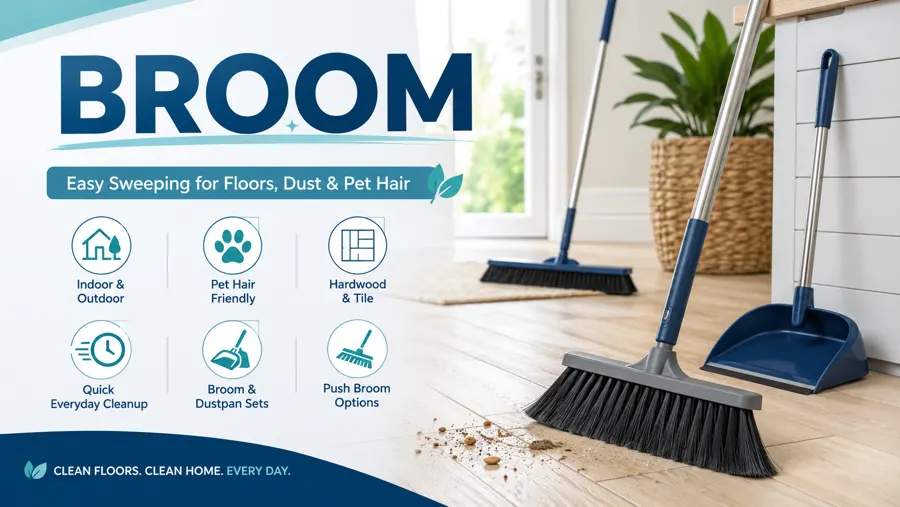
A Broom is one of the oldest and most universally recognized cleaning tools. It features bristles affixed to a handle and works by physically sweeping debris and dust from surfaces into a pile, which is then collected using a dustpan. Brooms are typically crafted from various materials, including natural fibers (such as broomcorn, straw, or coconut husk) and synthetic options (like nylon or plastic).
Introducing the Dust Mop
The Dust Mop, often referred to as a dry mop, is designed with a flat, elongated head and a soft, fabric-based surface (commonly microfiber or cotton). Unlike a broom, a dust mop is swiped over the floor to trap and hold dust, dirt, lint, and hair through static electricity or mechanical adhesion. Dust mops can efficiently cover large surface areas and are favored in professional cleaning settings as well as homes with hard flooring.
Construction and Material Differences
Materials Used in a Broom
- Natural Bristles: Traditionally sourced from plants such as broomcorn or palmyra, offering firm yet flexible cleaning performance, mainly for textured or rough surfaces.
- Synthetic Bristles: Plastics like PET or polypropylene are used for more consistent, durable bristles, better suited for moisture resistance and longer lifespans.
- Handles: Wood, metal, or plastic handles provide structural stability and ergonomic comfort.
Components of a Dust Mop
- Mop Head: Usually made of thick cotton, blend fabrics, or high-performance microfiber to collect and retain fine dust particles.
- Backing: Often consists of mesh or polyester to give the mop pad shape and secure attachment to the frame.
- Handle and Frame: Frames are lightweight and adjustable, manufactured from aluminum, stainless steel, or high-impact plastic.
Cleaning Mechanism: How Do They Work?
The Sweeping Action of a Broom
A Broom uses mechanical force to move debris via its bristles. The bristles penetrate into the floor’s uneven surfaces, dislodging dust and debris, which is gathered into a pile for later disposal. This tool is most effective for picking up heavier debris and for reaching into corners and tight spaces. Its efficacy, however, can be limited on super-smooth surfaces, as fine dust tends to become airborne.
The Trapping Power of a Dust Mop
A Dust Mop works passively by gliding over surfaces, using static charge or adhesive properties inherent in the fibers to attract and retain dust and small debris. This makes dust mops particularly adept at collecting microscopic particles, animal dander, and even allergens, thus contributing to a cleaner and healthier indoor environment. They cover more area per sweep, making them highly efficient for regular maintenance.
Surface Suitability: Matching Cleaning Tools to Flooring Types
Ideal Conditions for a Broom
- Outdoor Surfaces: Suitable for concrete, brickwork, patios, and sidewalks where larger debris is common and surface texture is rough.
- Textured Indoor Flooring: Effective on hardwood, stone, or tile with grout lines. The stiffness of bristles removes crumbs and dirt embedded in crevices.
- Industrial Flooring: Works well in workshops, warehouses, and commercial kitchens, especially where larger waste items or tougher messes accumulate.
Best Applications for a Dust Mop
- Smooth, Hard Flooring: Excels on polished wood, laminate, linoleum, tile, or sealed concrete where dust, hair, and fine particulate need thorough removal.
- Large or Open Areas: Ideal for gymnasiums, lobbies, classrooms, exhibition halls, and wide residential spaces due to its expansive surface coverage.
- Preventative Cleaning: Perfect in settings where daily dust control is important for aesthetic and health reasons, such as clinics or allergen-sensitive households.
Effectiveness at Picking Up Various Types of Debris
Broom: Tackling the Big Stuff
Brooms are particularly adept at collecting larger particles—crumbs, grit, leaves, paper scraps—or any debris that will not adhere to mop fibers. They manage granular or dry waste efficiently but sometimes leave fine dust behind or cause it to swirl into the air. Corner sweeping is also an advantage with angled, flagged, or soft-bristled broom designs.
Dust Mop: The Master of Fines and Hair
The Dust Mop is renowned for capturing the dust that brooms leave behind. Microfiber dust mop heads can hold many times their weight in dander, pollen, lint, hair, and micro-particulate, thanks to densely packed fibers and static attraction. This makes them superior for keeping surfaces visually spotless and for maintaining air quality, as dust is more likely to be held than scattered.
Ergonomics and User Comfort
Handling a Broom
Traditional brooms require an upright, sweeping motion and may necessitate more physical effort, especially if moving heavy debris or cleaning rough surfaces. Bent handles or ergonomic grips are available to ease use, but repetitive broom sweeping can be tiring if the tool is heavy or poorly balanced. Sweeping with short, frequent strokes in small areas may also require bending or stooping, potentially causing back discomfort.
The Comfort of Dust Mop Operation
Dust mops generally feature wide, lightweight heads and telescopic handles, allowing for fluid, back-and-forth gliding with minimal resistance. Their motion is less strenuous, as users typically push the mop ahead without as much downward pressure. This makes them preferable for elderly individuals, people with mobility concerns, or anyone who prioritizes ergonomics during their cleaning routine. The ability to simply pop off and wash the mop head further increases user convenience.
Maintenance Requirements and Cost-Effectiveness
Maintaining a Broom
- Bristles can bend, fray, or flatten, especially if stored improperly (e.g., resting on the bristles instead of hanging).
- Occasional cleaning required to remove hairs, string, or trapped debris; sometimes washing if synthetic.
- Brooms last a long time, but natural bristle varieties may deteriorate faster when exposed to moisture.
- Low upfront cost, with replacements necessary every 1-2 years under average residential use.
Upkeep of a Dust Mop
- Mop pads are machine washable—simply detach and clean as needed, extending their life and efficiency.
- Frames and handles are generally built to last, requiring little more than occasional wiping.
- Microfiber mop heads usually maintain performance for dozens, sometimes hundreds, of washes.
- Initial cost may be higher, but reusable heads mean fewer consumable purchases over time.
Eco-Friendliness: Sustainable Cleaning Choices
Environmental Impact of a Broom
Natural fiber brooms, especially those using sustainably sourced woods or plant fibers, offer a biodegradable, low-impact cleaning choice. Synthetic brooms, while durable, are made from petroleum-based plastics and are less friendly to the environment unless recycled properly.
Green Credentials of a Dust Mop
The reusable, washable nature of most Dust Mop pads means dramatically less waste compared to disposable dusters or even some broom styles where bristles cannot be recycled. Microfiber, while synthetic, is valued for longevity. For those prioritizing green cleaning, select brands now offer mop pads from recycled plastics or naturally derived fibers, further reducing environmental impact.
Specialized Features and Innovations
Modern Broom Enhancements
- Angled or flagged bristles for enhanced corner and edge sweeping effectiveness
- Rubber-coated handles for slip resistance and comfort
- Collapsible or compact storage options for small spaces
- Combination brooms with squeegee edges for handling wet messes
Evolving Dust Mop Technology
- Microfiber heads with split fibers for superior dirt retention
- Pivoting mop frames for reaching under furniture
- Quick-release or Velcro attachment systems for rapid pad changes
- Eco-friendly pad options and antibacterial treatments
When to Choose a Broom vs. a Dust Mop
Opt for a Broom When…
- You need to remove visible, heavier debris or trash
- Your cleaning tasks are outside or on rough, irregular surfaces
- You desire a classic, simple cleaning tool with a low upfront cost
Go with a Dust Mop When…
- You primarily clean indoor, smooth, and hard flooring
- You want to control dust, pet hair, and allergens for a cleaner living space
- You prefer an ergonomic option capable of covering large floor areas quickly
- You want an eco-friendly solution with reusable, washable components
Frequently Asked Questions
Can I use a Dust Mop on all floors?
While most Dust Mop designs are safe for sealed hardwood, tile, laminate, and other smooth floors, be cautious on rough stone and unfinished wood, which can cause premature wear to mop fibers. Avoid using wet or chemically treated dust mops on surfaces sensitive to moisture.
Is it necessary to own both tools?
Many homeowners and professionals rely on both a durable Broom and a quality Dust Mop. The broom is used for initial debris removal, while the dust mop prevents fine dust buildup for a comprehensive clean.
Are there any health or wellness advantages to either tool?
Regular dust mopping promotes wellness and contributes to a balanced lifestyle by supporting cleaner air quality and minimizing allergen buildup. Brooms help keep work and living spaces tidy, encouraging healthy habits for everyone in the environment.
Making an Informed Choice: Which Tool Is Right for You?
It’s clear that neither a Broom nor a Dust Mop is universally “better”—each tool excels in particular scenarios. Your decision should be based on the types of floors you need to clean, the debris you encounter most frequently, ergonomic needs, sustainability goals, and, ultimately, your cleaning habits.
- For homes with pets and smooth floors: Invest in a high-quality Dust Mop for daily hair and dust management.
- For garages, workshops, or outdoor patios: A tough Broom remains unbeatable for heavy messes.
- For allergy-sensitive or health-conscious environments: Use a Dust Mop to actively trap small particles and support wellbeing.
- For facilities managers or cleaning professionals: Maintain both tools for maximum flexibility, efficiency, and cleaning power.
Conclusion: Maximize Cleanliness By Choosing the Right Floor Care Tool
A clean environment is foundational to productivity, comfort, and wellbeing—whether in your home or workplace. By understanding the detailed distinctions between a Broom and a Dust Mop, you are empowered to select the tool that fits your unique requirements, cleaning goals, and personal preferences.
Are you ready to elevate your floor care routine? Explore our range of Broom and Dust Mop options today to find the perfect fit for your space. For further assistance or to request a personalized recommendation, contact our expert team—we’re here to help you maintain spotless, inviting floors day after day.
Choose wisely. Clean smart. Enjoy the difference!