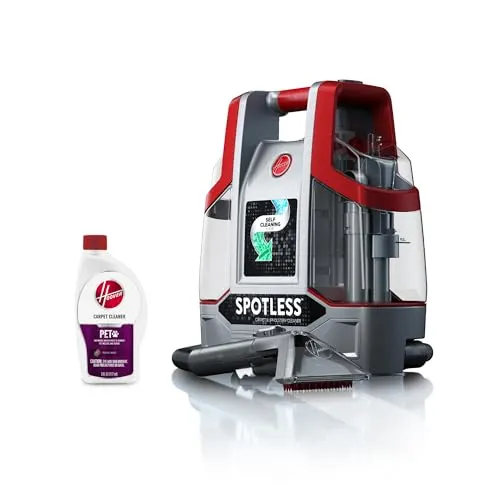
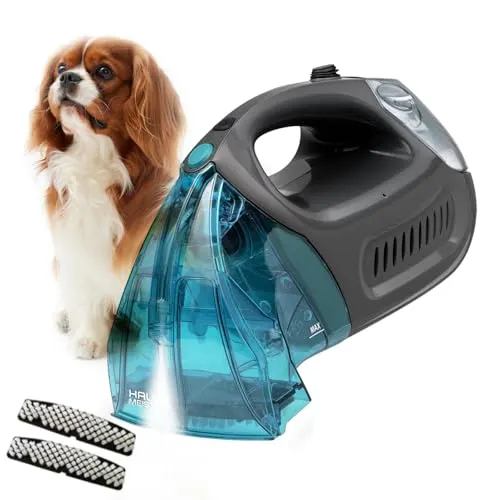
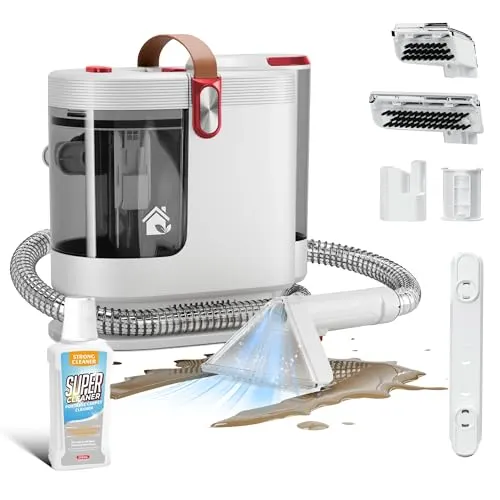
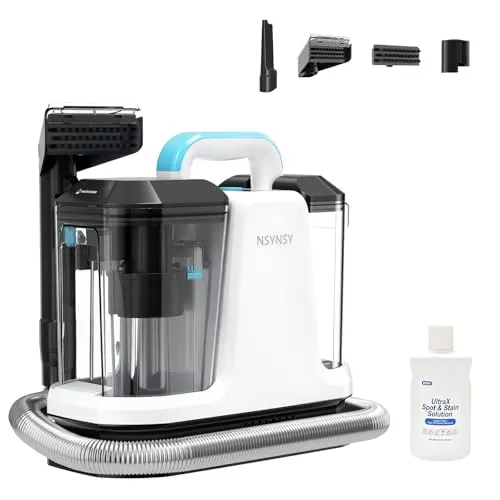
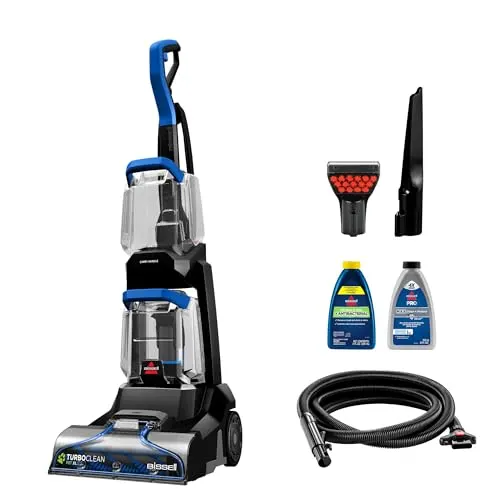
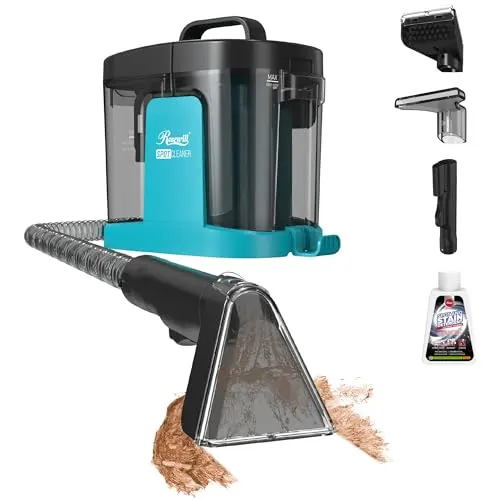
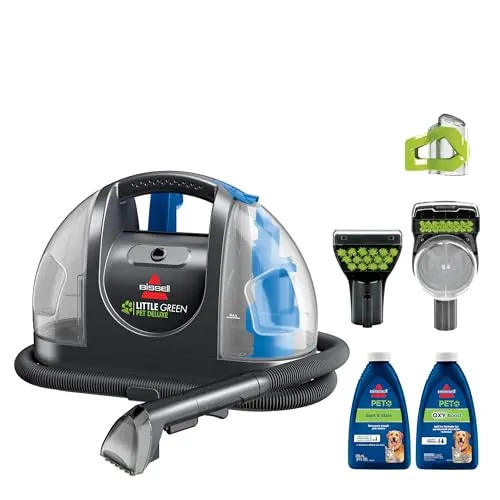
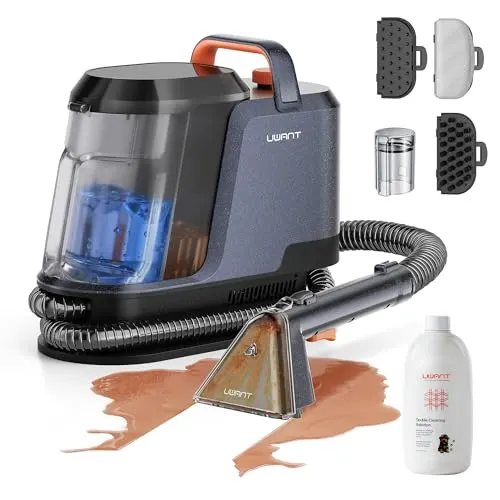
Carpet Cleaners
Explore carpet cleaners for pet stains, deep cleaning, rugs, upholstery, odors, spills, home carpet cleaning, and everyday household messes. Compare the products below by design, features, cleaning use, surface compatibility, and fit for your routine, then continue to the full catalog review for detailed guidance and related cleaning collections.
A carpet cleaner is a wet-cleaning and extraction tool for compatible carpet, rugs, stairs, and upholstery; it does not replace the dry-debris work of a vacuum. Start by deciding whether you need whole-room coverage, a portable machine for isolated spots, or only a compatible formula for equipment you already own.
Clean Home Picks is an independent product-discovery site. Use this guide to compare cleaning jobs, machine formats, solutions, upkeep, and related tools before visiting Amazon. Always confirm the current machine manual, carpet or fabric care instructions, formula label, included accessories, and seller details before use or purchase.
Quick Paths: Choose a Carpet Cleaner by Job
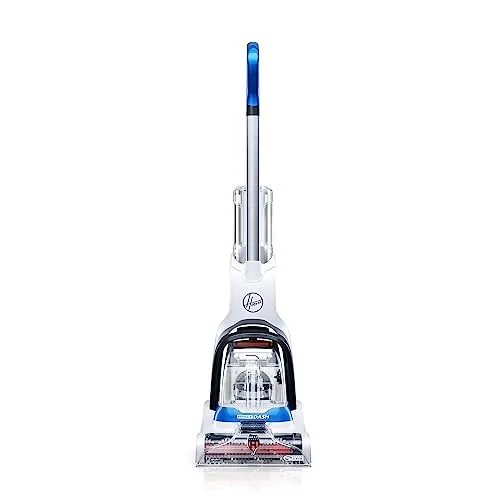
- Several carpeted rooms: Begin with a full-size upright extractor and compare tank size, cleaning-path width, carrying weight, dry passes, and storage.
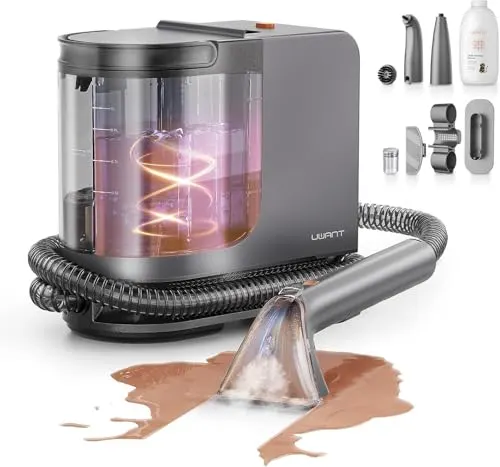
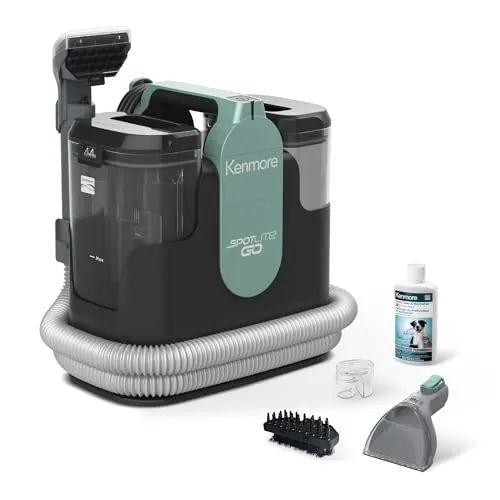
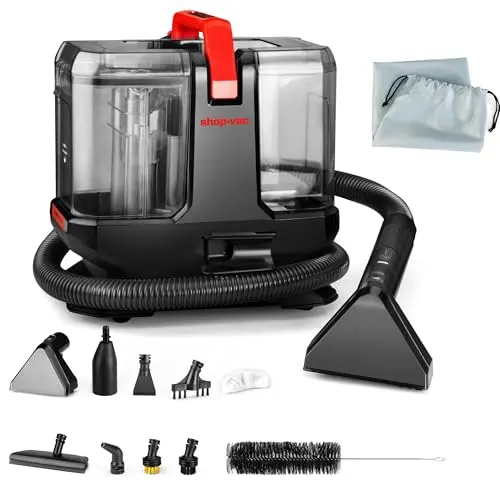
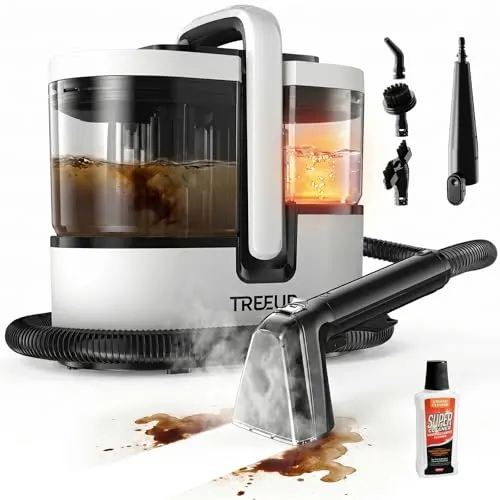
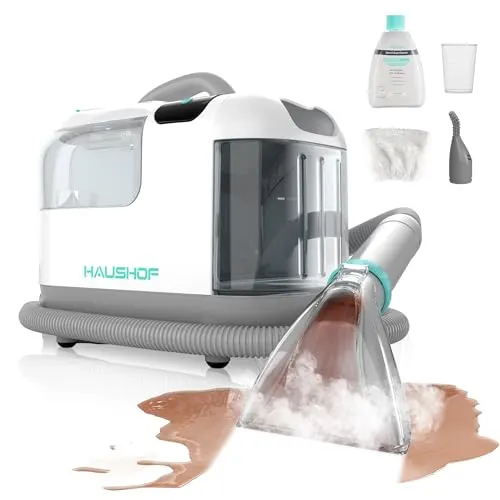
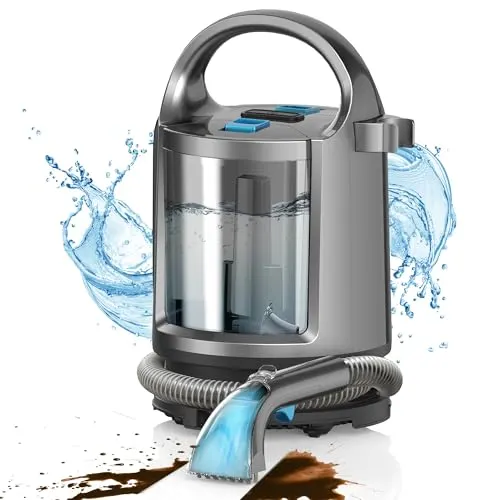
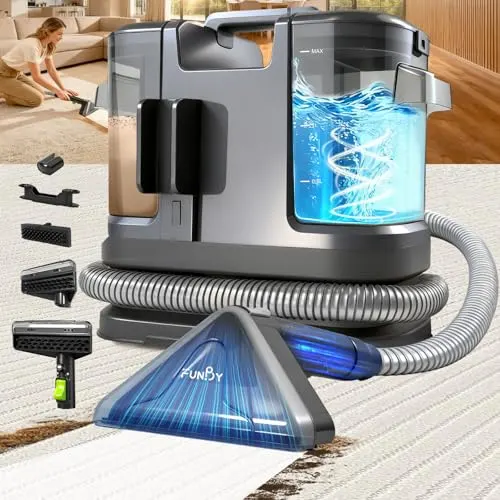
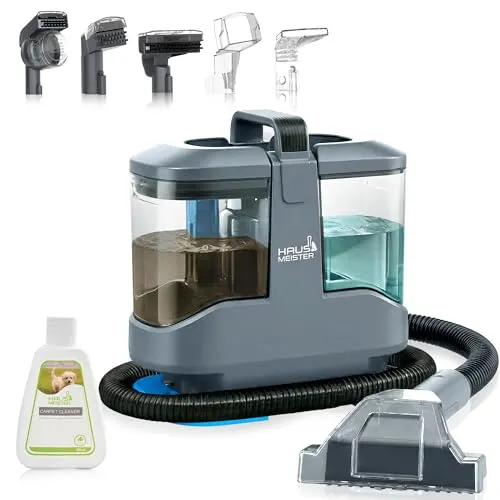
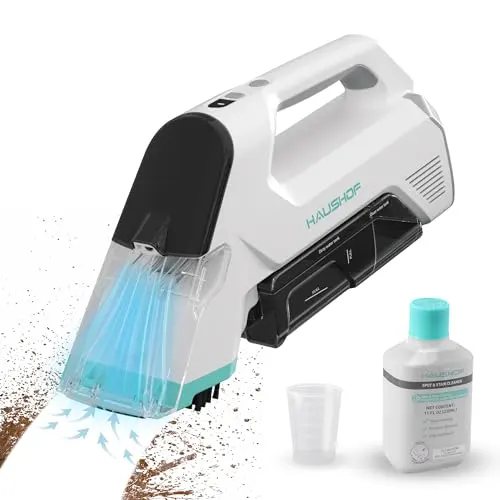
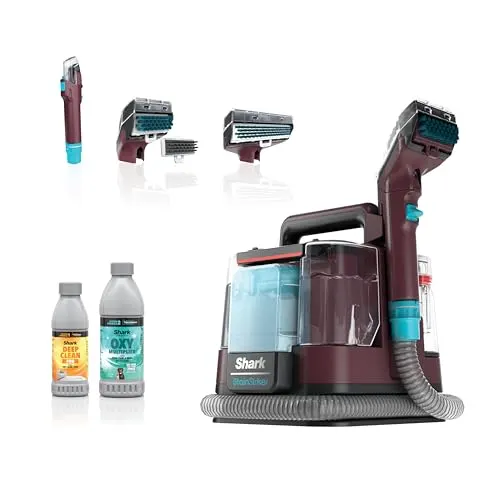
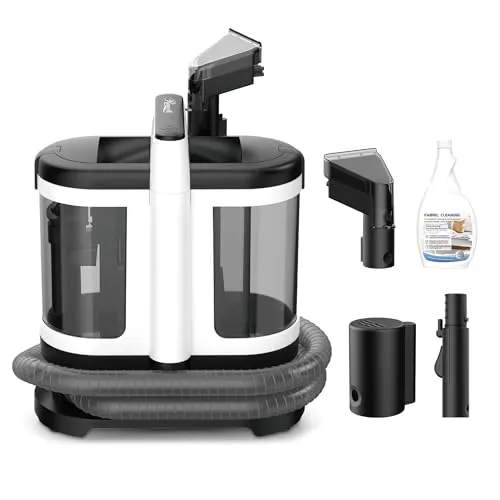
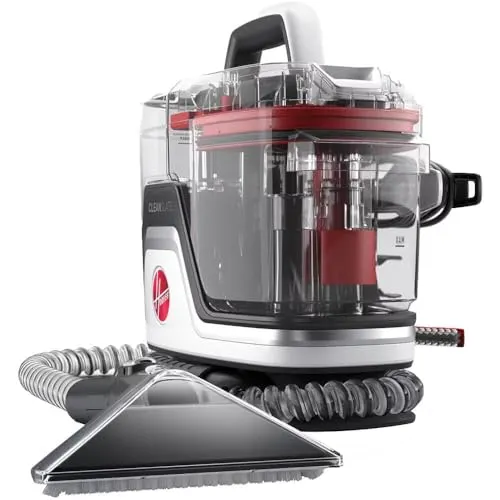
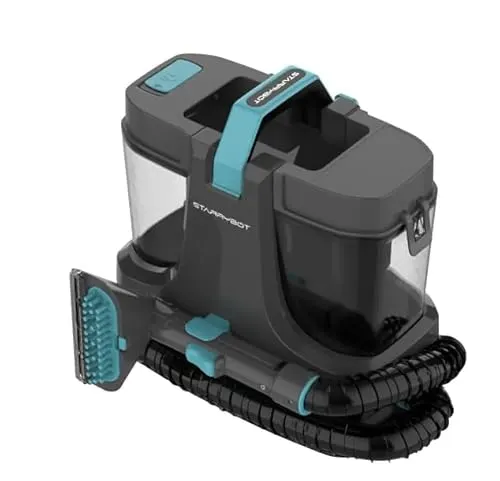
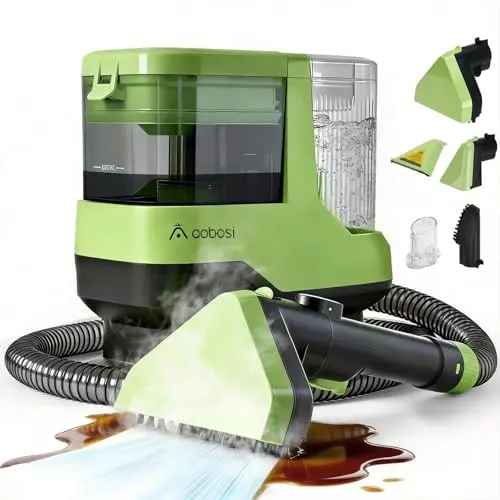
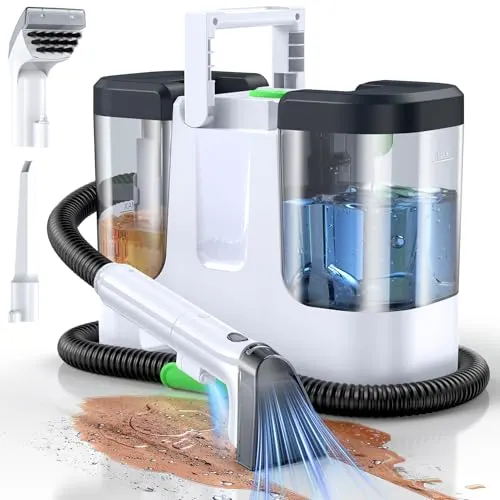
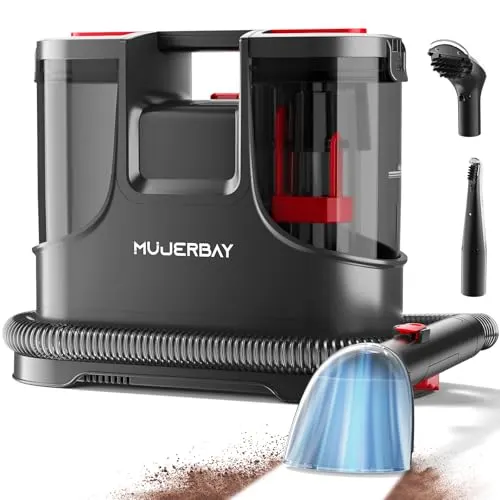
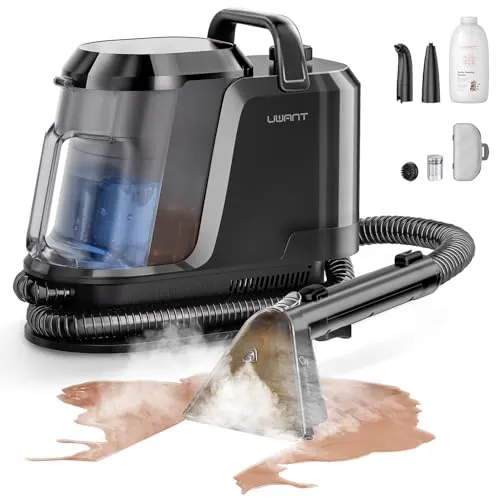
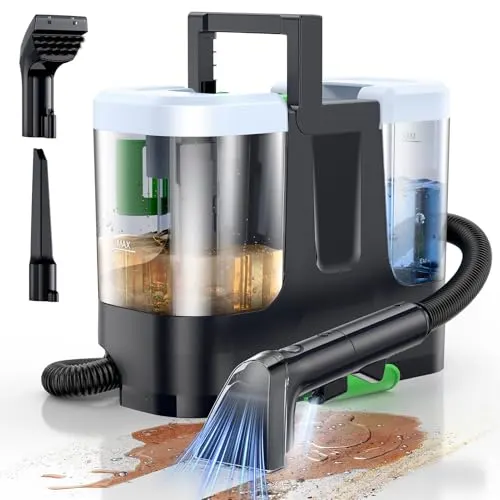
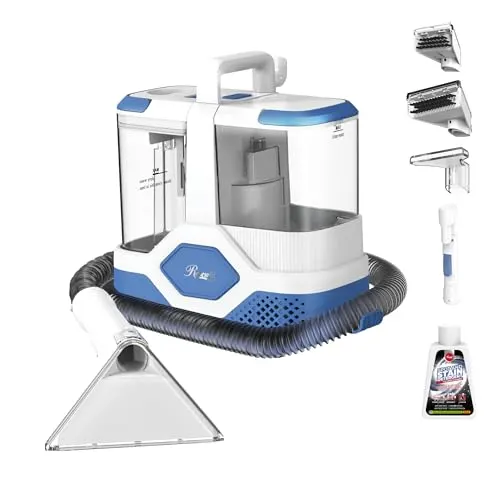
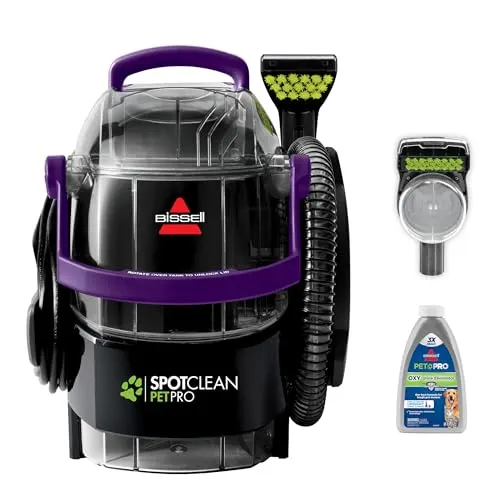
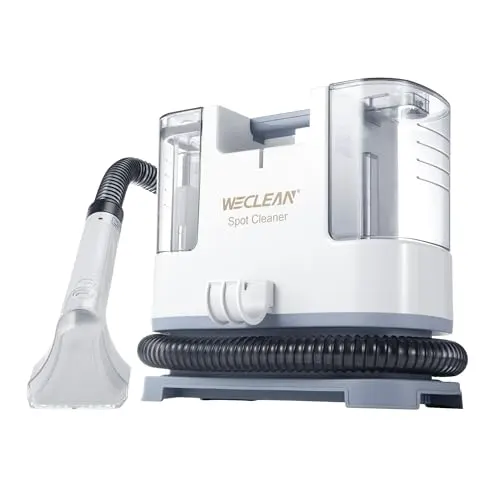
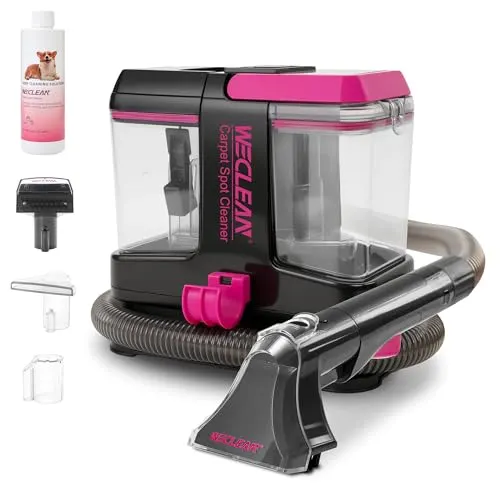
- Fresh spills and isolated stains: Browse Portable Carpet Cleaners for compact machines with a hose and handheld tool.
- Pet accidents on carpet or upholstery: Compare a spot cleaner or an upright with a useful hose tool, then follow the surface and formula directions without assuming every odor or stain can be eliminated.
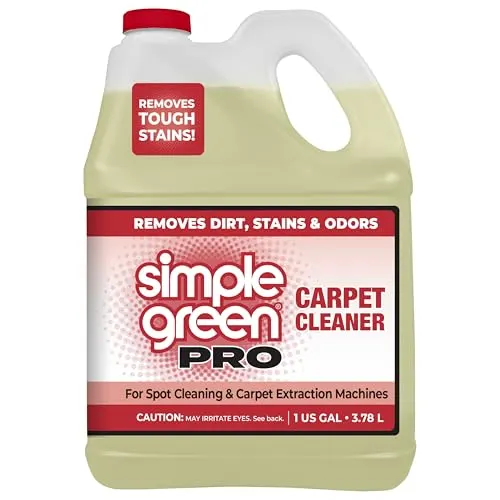
- Replacing formula: Visit Carpet Cleaning Solutions and match the formula to the machine type and surface.
- Loose hair, crumbs, and grit: Use a Vacuum Cleaner first; extraction is a separate step.
- Garage or utility liquid pickup: Compare Wet Dry Vacuums, which are not automatically carpet-washing machines.
- Cars, stairs, and couches: Prioritize portable weight, hose reach, tool width, cord length, and whether the material permits wet cleaning.
Carpet Cleaner Types and Their Tradeoffs
Full-size upright carpet cleaners
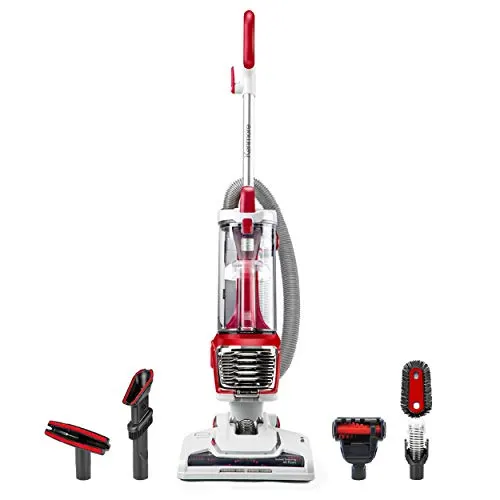
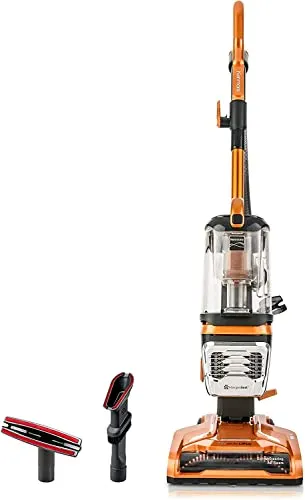
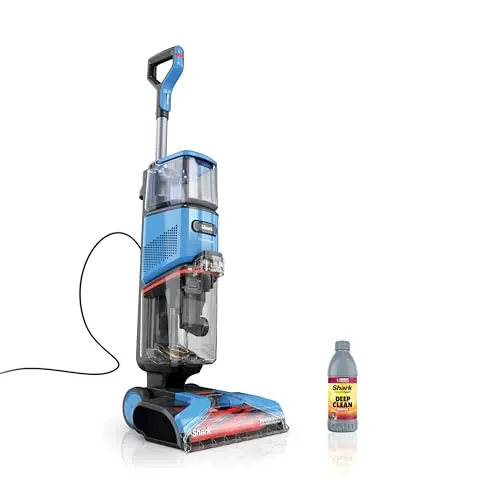
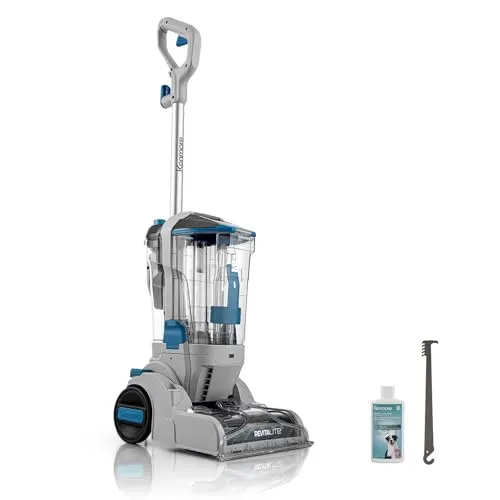
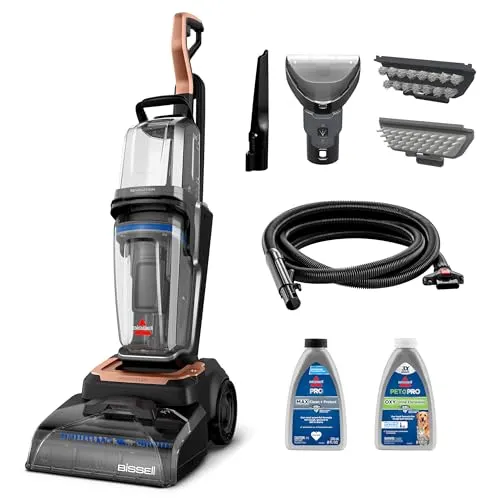
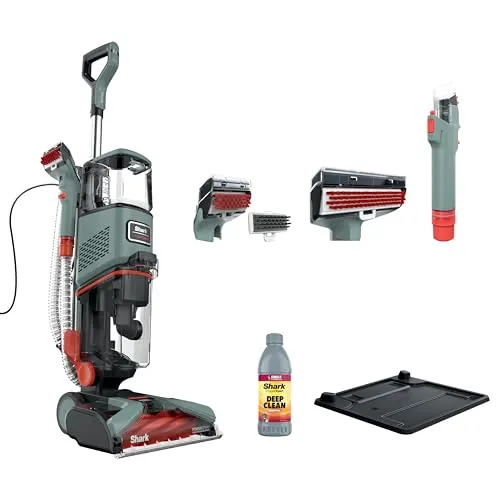
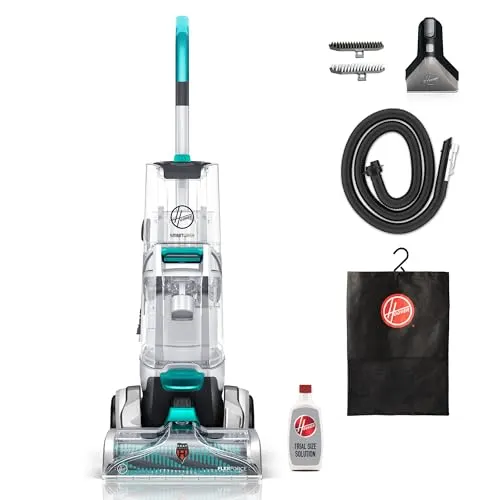
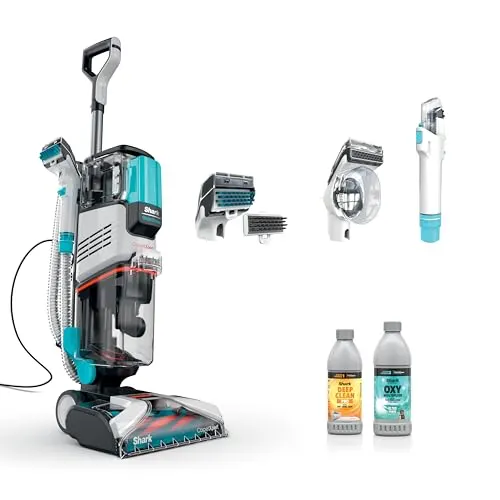
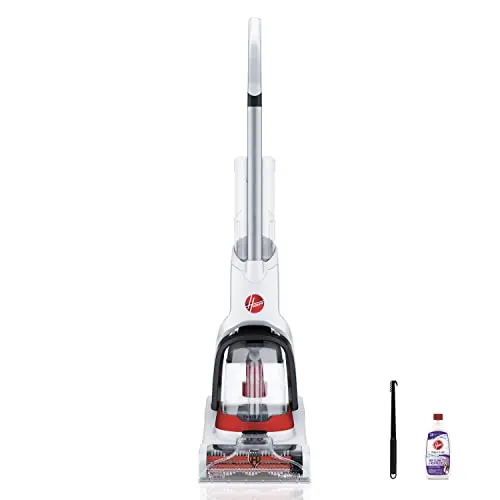
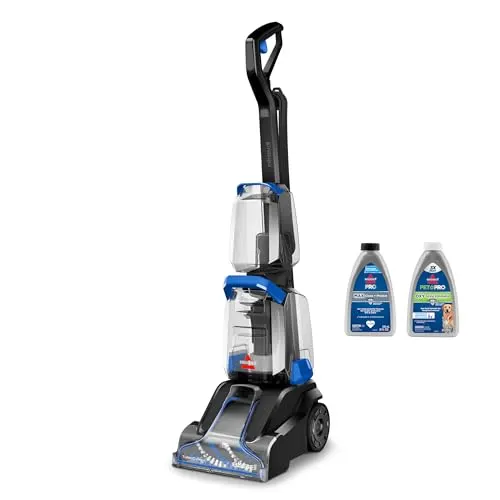
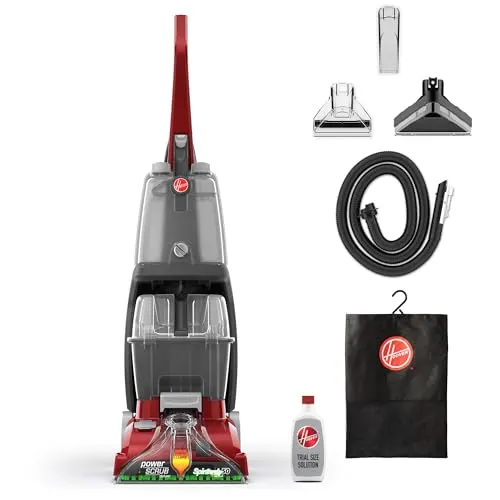
An upright carpet cleaner covers broad floor areas with a powered cleaning head, clean-water or solution tank, dirty-water tank, and extraction path. It is the most direct format for bedrooms, living rooms, hallways, and other larger carpeted areas. Compare how the machine dispenses liquid, how many dry passes the instructions recommend, the usable tank capacity, filled weight, edge access, brush maintenance, cord storage, and whether a hose and upholstery tool are included.
A larger tank can reduce refills, but it also adds carrying weight and takes more space to rinse and dry. A wider cleaning path can cover open rooms quickly, while a narrower head may be easier around furniture. If you mainly address one couch cushion or a few stair treads, the bulk of an upright may outweigh its room-cleaning advantage.
Portable spot and upholstery cleaners
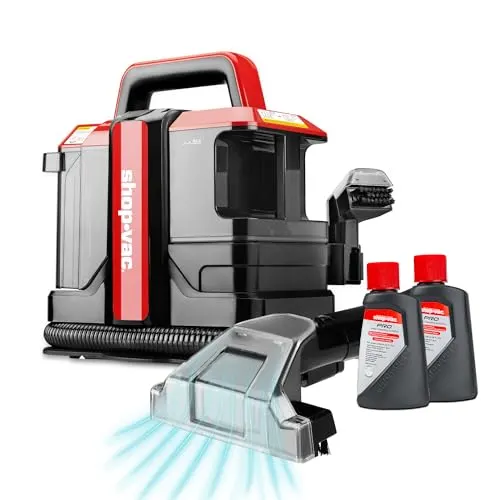
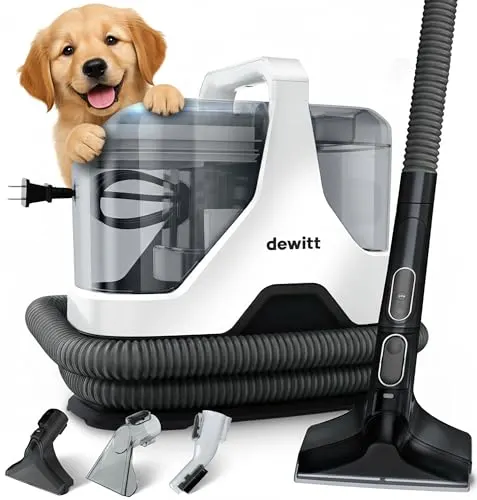
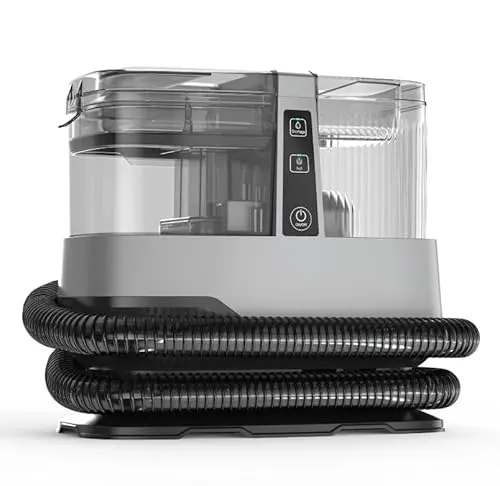
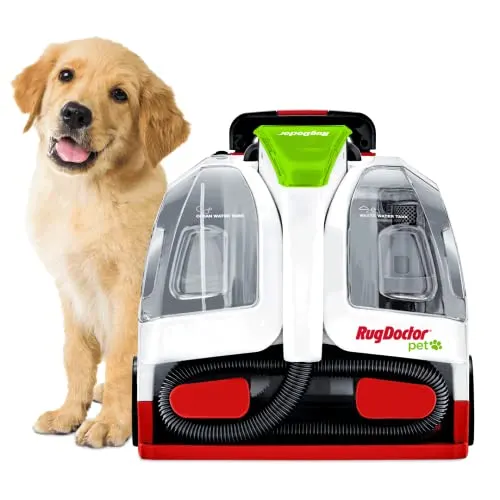
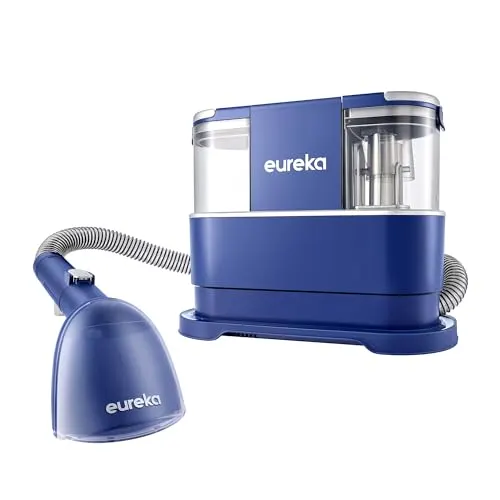
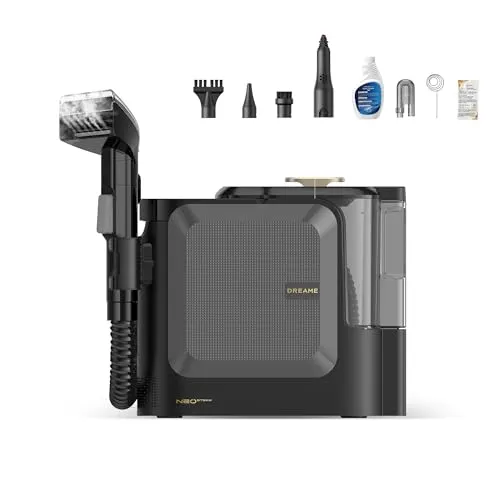
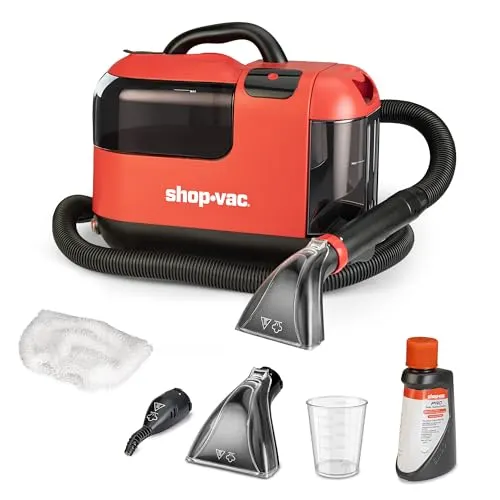
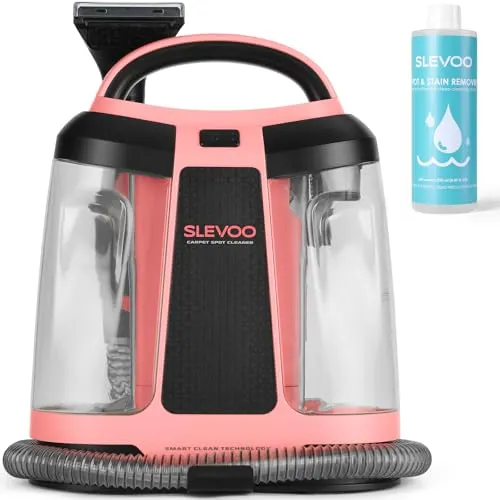
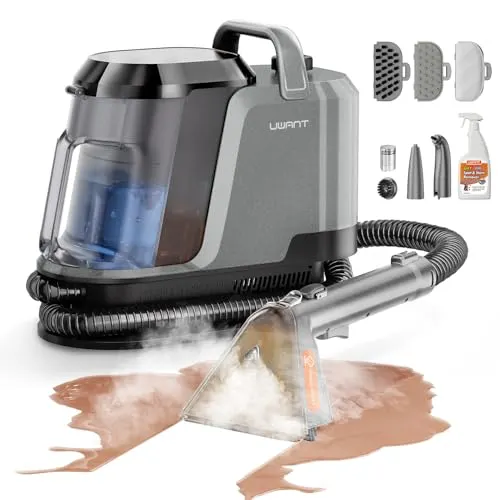
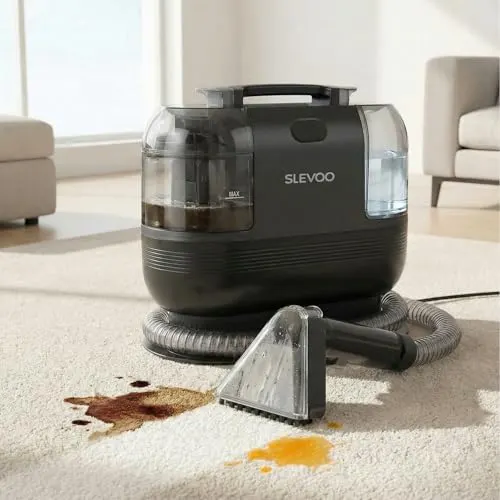
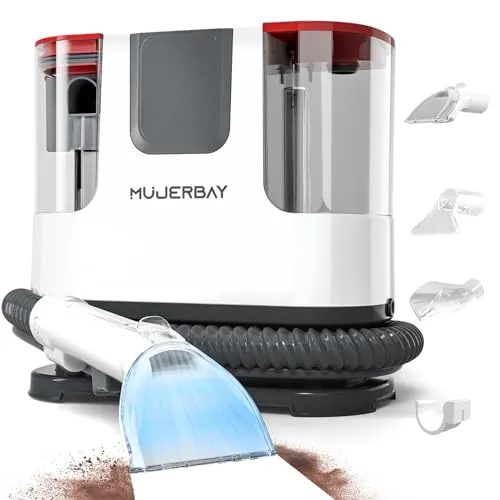
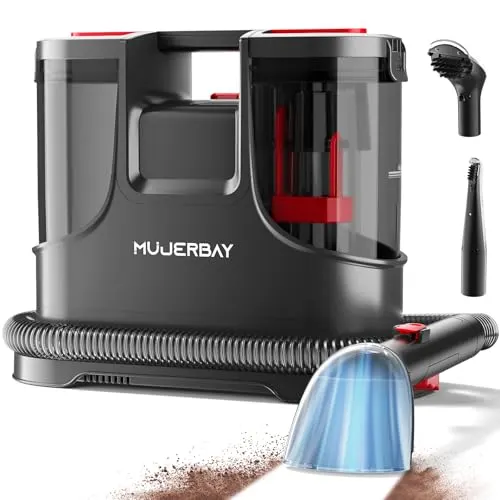
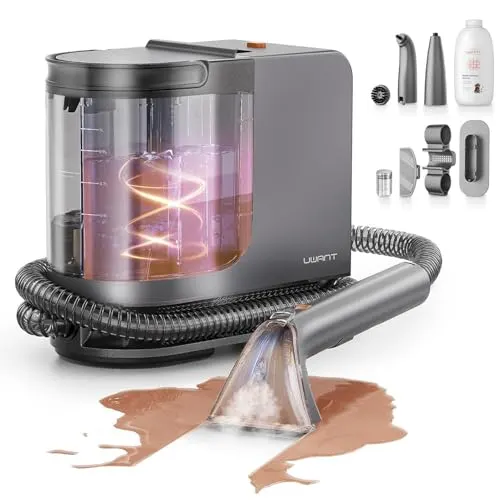
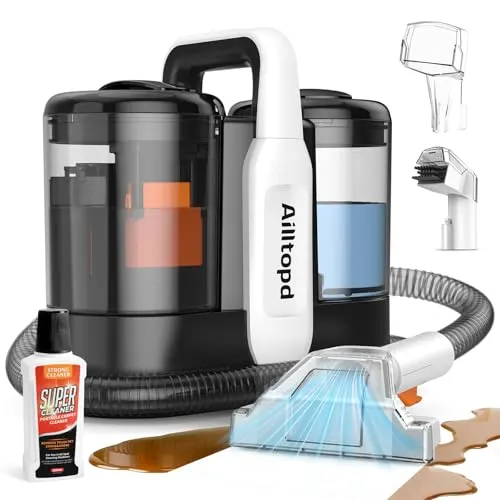
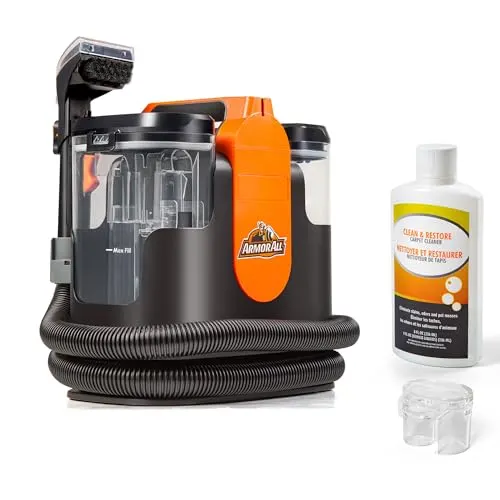
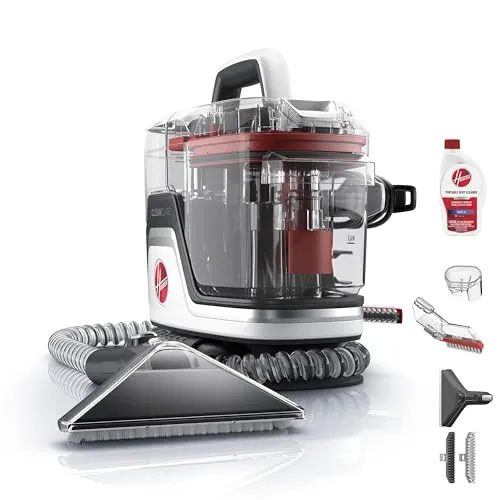
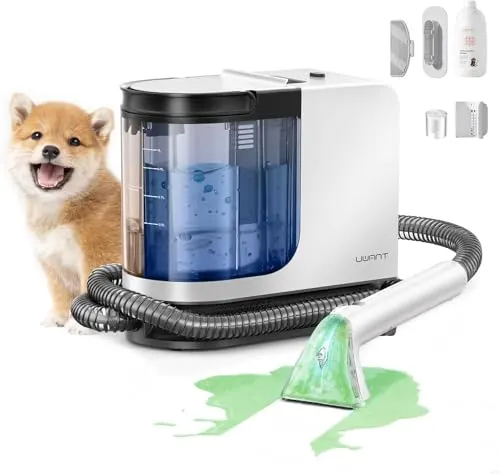
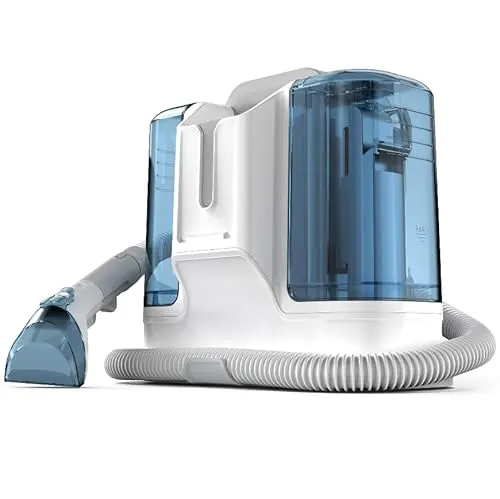
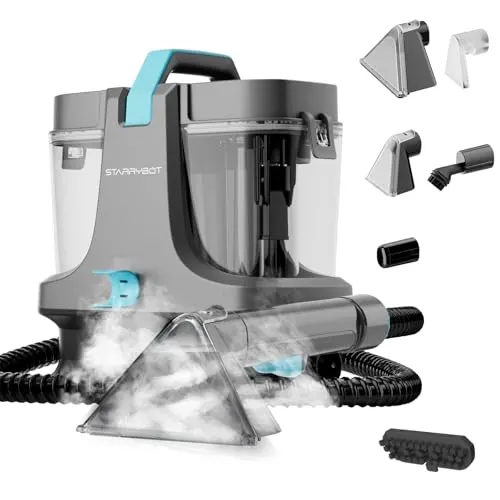
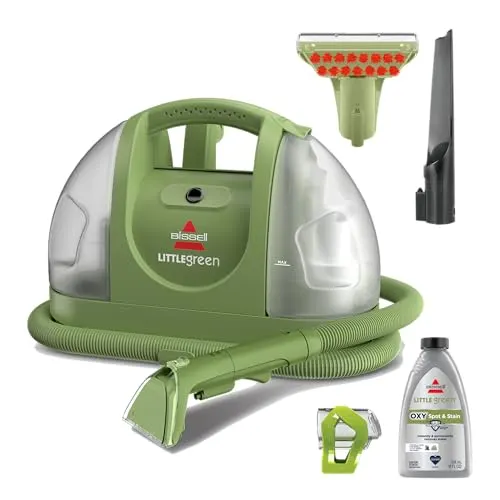
Portable cleaners concentrate on localized jobs through a hose and handheld tool. They are practical for accidents, spills, stairs, vehicle fabric, and compatible upholstery. Compare the clean- and dirty-tank arrangement, hose reach, tool width, carrying handle, cord storage, self-rinse or hose-rinse process, and how easily hair and residue can be removed after use.
Compact does not mean effortless: the user still positions the tool, controls liquid, agitates where appropriate, and makes extraction passes. Portable cleaners also have smaller tanks, so multiple stains or a large sectional may require refilling. For a closer format comparison, read Carpet Cleaners vs Portable Carpet Cleaners.
Sprays and formulas
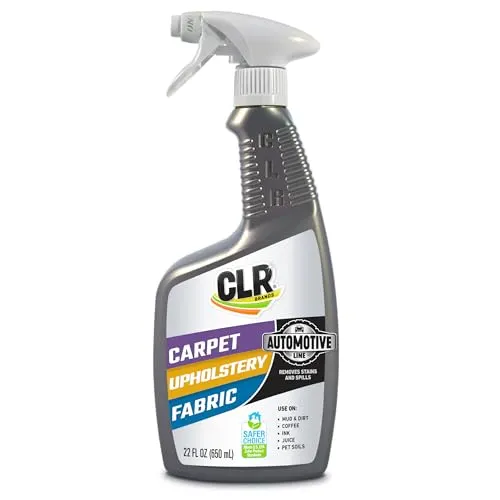
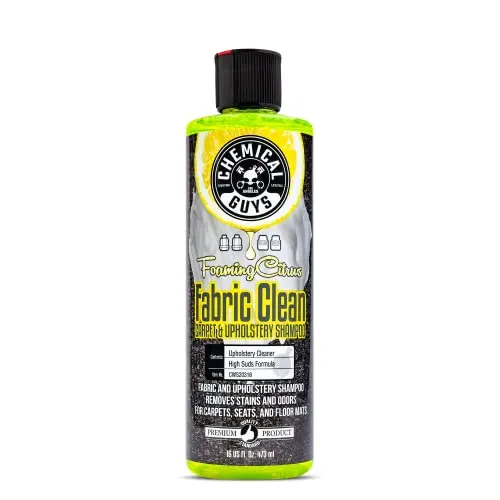
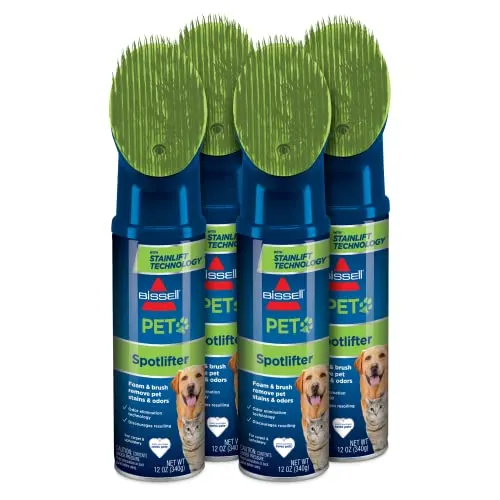
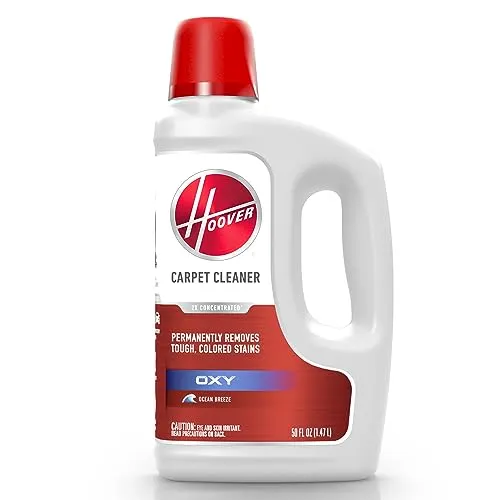
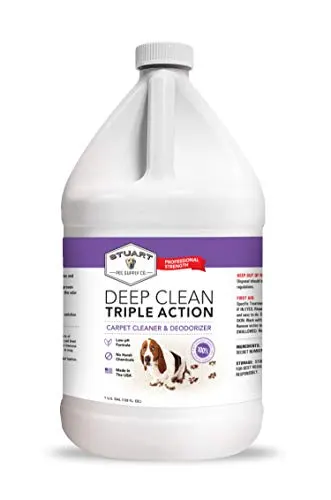
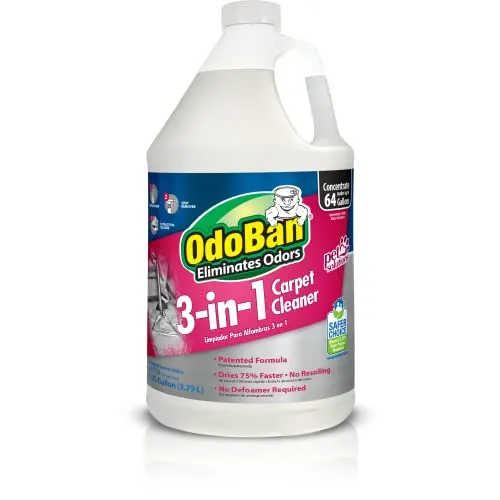
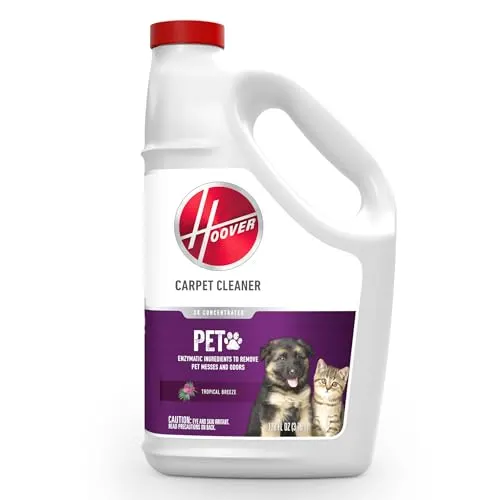
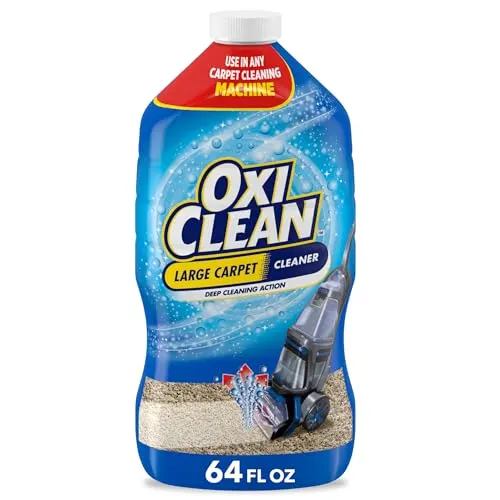
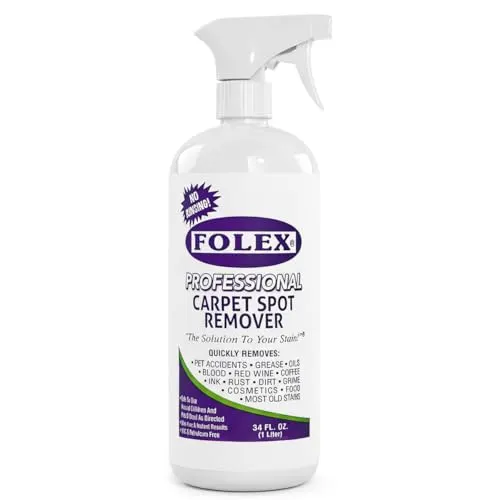
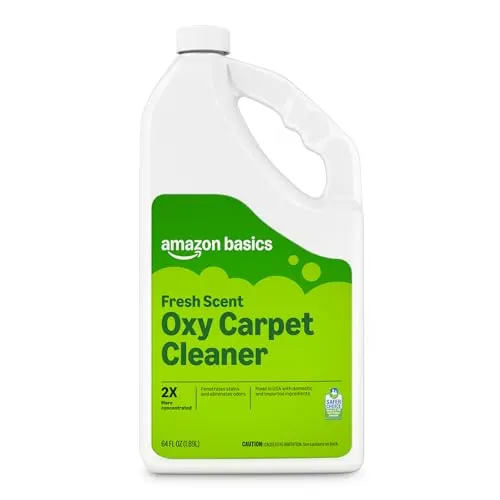
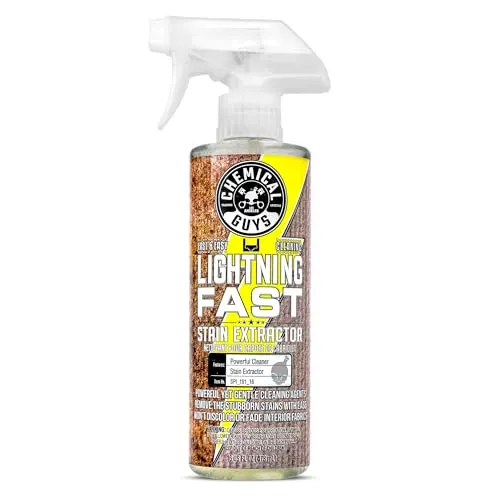
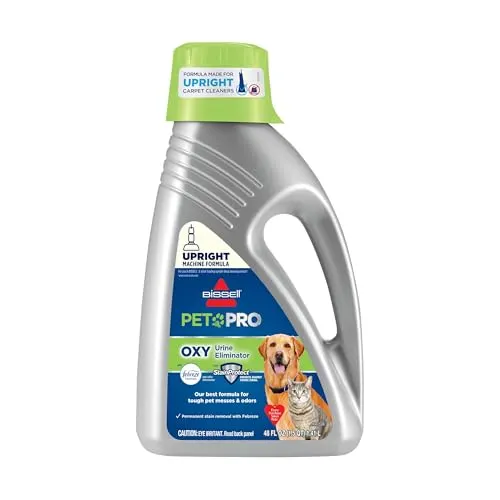
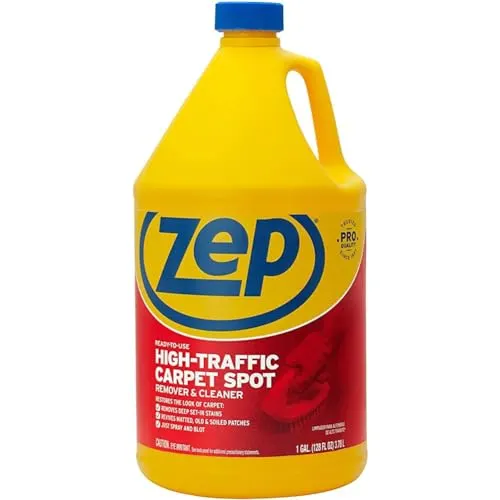
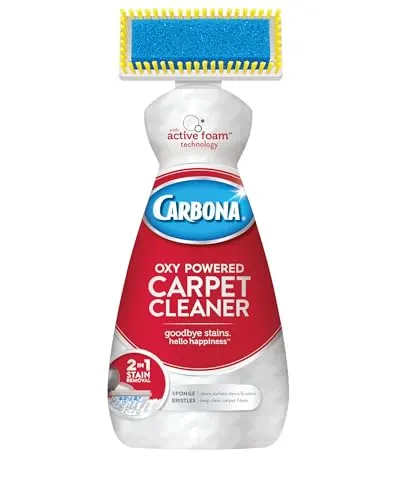
A ready-to-use spot spray or machine formula is a consumable, not a carpet-cleaning machine. Some formulas are made for upright extractors, others for portable machines, and some are intended for direct spot treatment. Do not substitute dish soap, laundry detergent, or a homemade mixture in a machine unless its manufacturer explicitly permits it. Excess foam, residue, or incompatible chemistry can interfere with extraction and may affect the carpet, fabric, or equipment.
Choose from the Carpet Cleaning Solutions collection only after checking the label against the exact machine and surface. When instructions differ, follow the carpet or upholstery care label, the machine manual, and the formula label.
Carpet Cleaner, Vacuum, or Wet-Dry Vacuum?
These tools overlap in appearance, but not in purpose. A standard vacuum handles loose, dry debris. A carpet cleaner applies and extracts an approved liquid cleaning mixture from compatible soft surfaces. A wet-dry vacuum collects permitted dry debris or liquid when configured according to its manual, but it does not automatically dispense, agitate, rinse, or wash carpet.
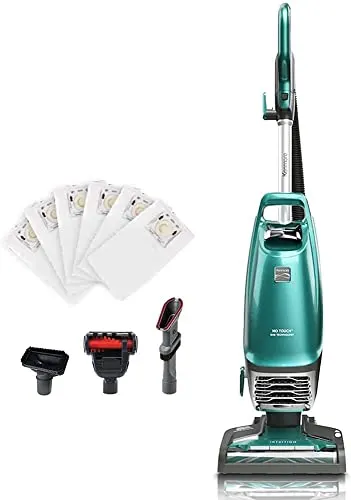
- Vacuum first: Remove hair, crumbs, grit, and dry soil before adding moisture. Homes with shedding pets can narrow that step through Pet Hair Vacuums.
- Extract second when needed: Use an appropriate carpet cleaner for compatible surfaces, stains, and deeper soil.
- Use wet-dry equipment for its stated jobs: Review Wet Dry Vacuums vs Carpet Cleaners before treating the formats as interchangeable.
The most useful household setup may be a regular vacuum for weekly dry pickup plus a portable cleaner for occasional spots. Larger carpeted homes or frequent whole-room cleaning may justify adding a full-size extractor. Buy for the jobs you actually have rather than the longest feature list.
How to Choose for Pet Stains and Odors
Pet homes need two different forms of cleanup. A pet-hair vacuum addresses loose fur, tracked debris, and dry material; a carpet cleaner addresses compatible wet-cleaning jobs. For an accident, remove solids, blot recoverable liquid with a clean light-colored cloth, and check the carpet or fabric instructions before applying a product. Rubbing can spread a wet stain, while over-wetting can push moisture deeper into carpet backing or padding.
Compare tool size against the typical mess, how well you can see and rinse the dirty-water path, and whether the formula is labeled for the machine and material. “Pet” wording does not guarantee a particular result, and a household cleaner should not be presented as medical, disinfecting, or odor-proof equipment. Old, set, or padding-level contamination may need repeated label-directed treatment or professional evaluation.
For a focused buying guide, see Best Carpet Cleaner for Pet Stains. To compare dry pickup with wet extraction, read Carpet Cleaners vs Pet Hair Vacuums and Best Vacuums for Pet Hair on Carpet and Hard Floors.
Seven Verified Carpet-Care Starting Points on Amazon
These links are current catalog results returned for Clean Home Picks by the connected Amazon Affiliate Link Manager. They represent different whole-room, portable, and formula paths; they are not rankings or claims that one choice works for every surface. Confirm the current listing, model, seller, accessories, formula compatibility, and instructions before purchasing.
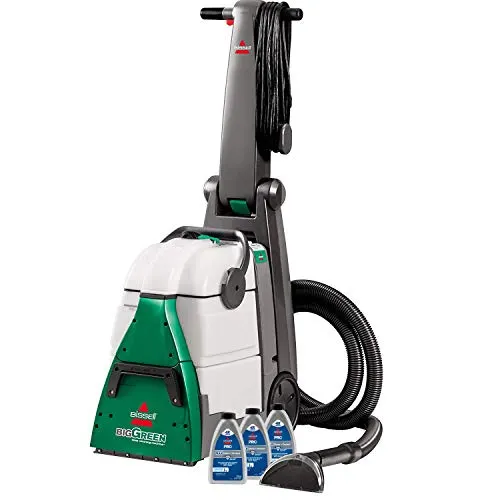
- BISSELL Big Green Professional Carpet Cleaner: a full-size extractor starting point for shoppers prioritizing broad carpet coverage and a separate hose tool. View the BISSELL Big Green on Amazon.
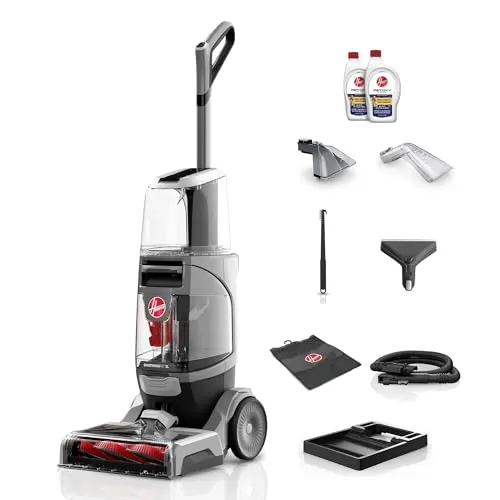
- Hoover PowerScrub Deluxe: an upright format for comparing room cleaning with pet and upholstery tools. View the Hoover PowerScrub Deluxe on Amazon.
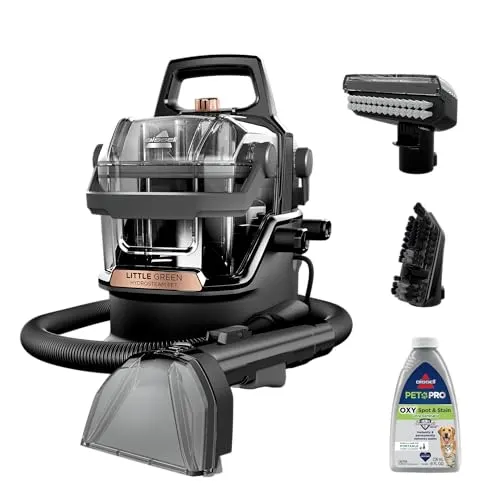
- BISSELL Little Green 1400B: a recognizable portable format for localized carpet, stairs, upholstery, and vehicle-fabric jobs. View the BISSELL Little Green 1400B on Amazon.
- Hoover CleanSlate Plus: another portable option for shoppers comparing handheld tools, tank cleanup, and hose-based spot extraction. View the Hoover CleanSlate Plus on Amazon.
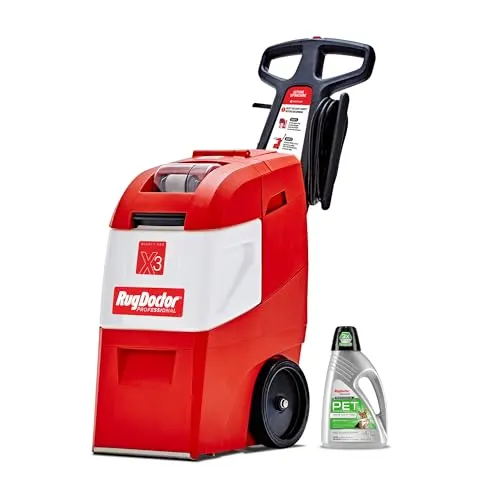
- Rug Doctor Mighty Pro X3 with Oxy Cleaner Pack: a larger commercial-style machine path for shoppers comparing capacity, weight, and storage against typical home uprights. View the Rug Doctor Mighty Pro X3 on Amazon.
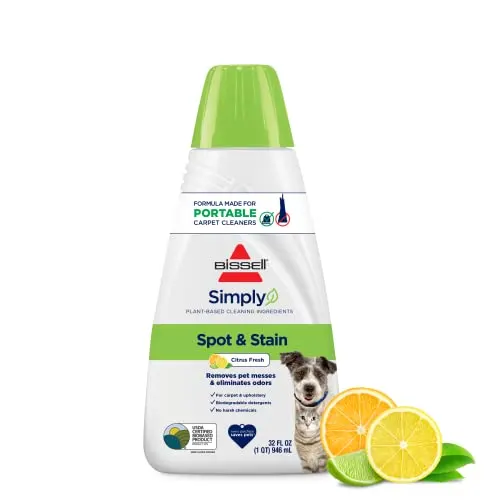
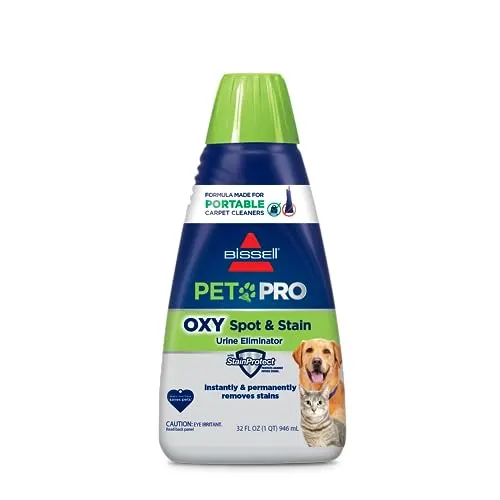
- BISSELL PET PRO OXY Spot & Stain Formula 2034: a formula labeled for portable carpet cleaners; verify compatibility with your exact machine. View the BISSELL portable formula on Amazon.
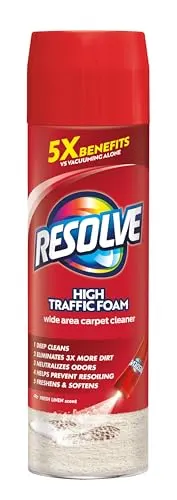
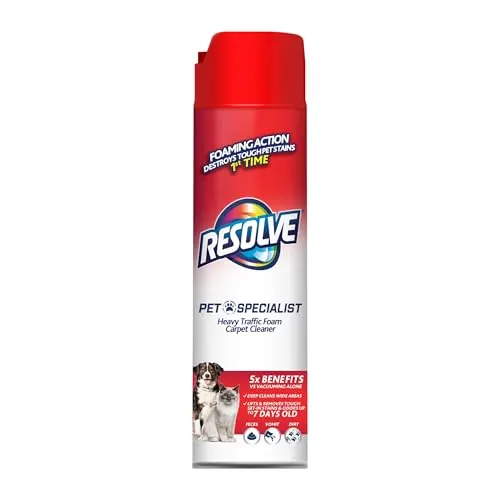
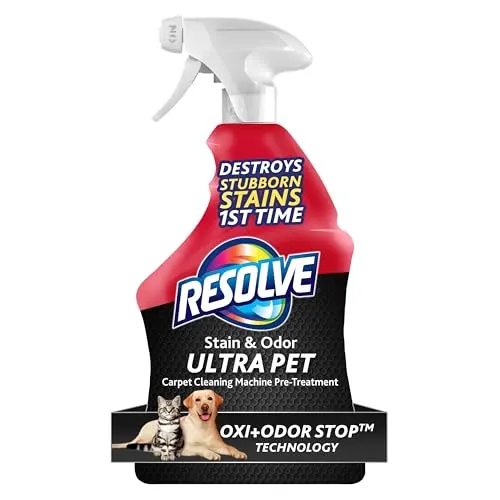
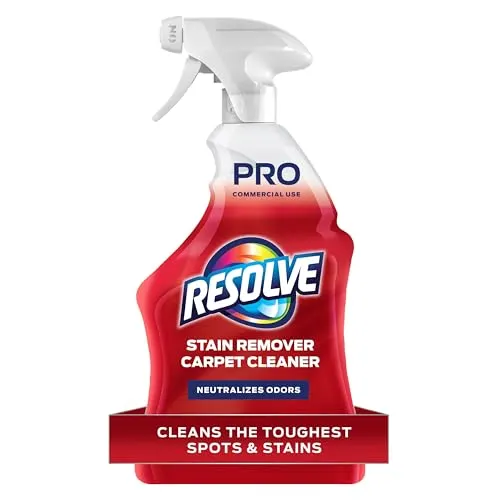
- Resolve Carpet Cleaner Spray: a ready-to-use spot-treatment format rather than a machine-tank formula. Follow the label and test an inconspicuous area first. View the Resolve carpet spray on Amazon.
Match the Machine to the Surface
Wall-to-wall carpet
Confirm that the carpet and warranty permit the planned cleaning method. Vacuum thoroughly, move or protect suitable furniture, and test the process in a discreet area. Work from the far side of the room toward an exit so you do not need to cross freshly cleaned carpet. Use only the prescribed amount of water and formula, then make the dry extraction passes described by the machine maker.
Area rugs
“Rug” is not one uniform surface. Construction, backing, dyes, fringe, adhesives, and fibers can change what cleaning method is safe. Wool, silk, jute, sisal, handmade, antique, or color-sensitive rugs may require specialist care. Check the label and manufacturer guidance instead of assuming that a carpet-safe machine is rug-safe.
Upholstery and stairs
Look for the upholstery cleaning code or maker’s instructions before wet cleaning furniture. Check whether the machine’s tool is permitted for that material, test discreetly, and limit moisture. On stairs, consider hose reach, where the machine will sit, cord placement, and whether the tool can extract along edges without making the work awkward or unsafe.
Vehicle interiors
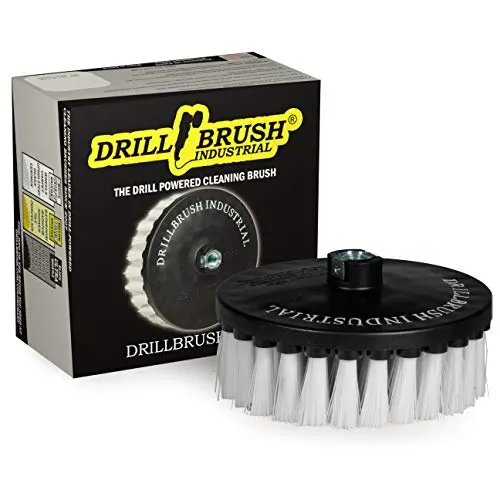
Portable cleaners can be useful on compatible fabric seats and carpet, but not every headliner, trim piece, foam cushion, dyed fabric, leather surface, or electronic area should be saturated. Remove loose debris first with a Handheld Vacuum, follow vehicle-material guidance, and allow the interior to dry with suitable ventilation. The Car Cleaning Supplies hub covers related brushes, cloths, and detailing tools.
Features That Matter in Everyday Use
Tank design and usable capacity
Separate clean- and dirty-water tanks make the workflow easier to understand, but openings, seals, handles, fill lines, and rinse access differ. Consider how heavy the full clean tank will be, whether the dirty tank can be emptied without splashing, and how many refills your normal room may require.
Extraction control and drying
Drying depends on carpet construction, the amount of liquid applied, extraction passes, room airflow, humidity, and machine settings. Treat headline dry-time claims as conditional. Additional passes without dispensing may remove more moisture when the manual permits them. Keep people and pets off damp carpet and improve airflow until it is fully dry.
Hose, tools, and reach
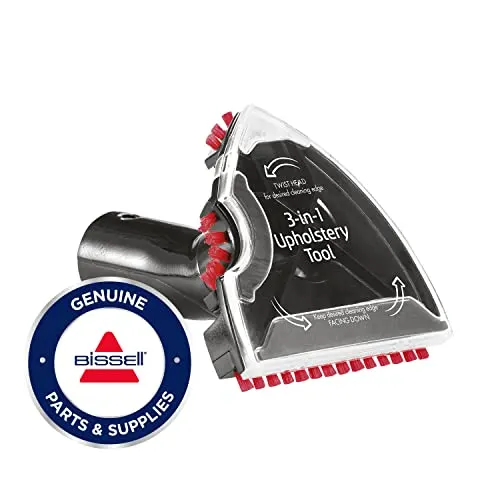
A hose and stain tool can let one upright handle stairs and upholstery, but only if the reach and tool shape fit the job. Compare hose length, crevice access, tool width, onboard storage, and whether a separate accessory is required. A broad tool covers cushions quickly; a narrow tool gives more control on edges and small spots.
Cleaning and storage after use
Dirty water, fibers, and formula residue should not be left in the machine. Compare access to tanks, nozzles, brush areas, filters, and hoses. Follow the manual for rinsing, allow removable parts to dry before reassembly, and store the machine where trapped moisture will not become a recurring problem.
A Practical Carpet-Cleaning Routine
- Read the carpet, rug, or upholstery care guidance and the machine manual.
- Pick up objects and vacuum slowly to remove loose dry debris.
- Address fresh spills by blotting rather than spreading them.
- Test the approved formula and method in an inconspicuous area.
- Measure and fill only as directed; do not improvise detergents or ratios.
- Clean in controlled passes and avoid repeated unnecessary wetting.
- Make extraction-only passes when the instructions call for them.
- Ventilate the area and keep traffic off until the surface is fully dry.
- Empty, rinse, inspect, and dry the machine components before storage.
Helpful Carpet-Care Guides
- Best Carpet Cleaner for Pet Stains
- Carpet Cleaner Review Guide for Deep Cleaning
- BISSELL Little Green Review
- Carpet Cleaners vs Portable Carpet Cleaners
- Carpet Cleaners vs Pet Hair Vacuums
- Wet Dry Vacuums vs Carpet Cleaners
Frequently Asked Questions About Carpet Cleaners
Do you vacuum before using a carpet cleaner?
Usually, yes. Vacuuming removes loose hair, grit, crumbs, and dry soil so the wet-cleaning machine can focus on compatible stains and deeper soil. Check the carpet-cleaner instructions for the exact preparation steps.
Is a portable carpet cleaner enough for a whole room?
A portable cleaner is designed around targeted hose-and-tool work. It can address individual areas, but its small tank and narrow tool make whole-room cleaning slow. A full-size upright is generally the more practical format for broad carpet coverage.
Can a carpet cleaner remove every pet stain and odor?
No result should be guaranteed. Outcome depends on the material, age and source of the mess, prior treatments, depth of contamination, chosen formula, extraction, and drying. Follow the label and consider professional help for persistent or padding-level problems.
Can carpet-cleaning formula go in any machine?
No. Formulas may be labeled for upright machines, portable machines, direct spot treatment, or specific equipment. Match the formula to the exact machine and surface and use only the stated amount.
How long does carpet take to dry?
There is no single dry time. Carpet type, liquid application, machine mode, extraction passes, temperature, humidity, and airflow all matter. Keep traffic off until the carpet is fully dry and follow the machine maker’s guidance.
Can you use a carpet cleaner on upholstery or rugs?
Only when the material-care instructions and machine directions permit it. Check fabric codes, rug construction, backing, dyes, and tool compatibility, then test in a hidden area. Specialty and natural-fiber rugs may require professional care.
Is a wet-dry vacuum the same as a carpet cleaner?
No. A wet-dry vacuum is a utility pickup tool for approved debris and liquids. A carpet cleaner is designed to dispense and extract an approved cleaning mixture from compatible carpet or upholstery. Consult both manuals before attempting any wet job.
Final Carpet Cleaner Checklist
- Define the main job: full rooms, spots, stairs, upholstery, rugs, or vehicles.
- Confirm that every intended surface permits wet extraction.
- Compare filled weight, tank access, cleaning path, hose reach, and storage.
- Verify exactly which tools and starter formulas are included.
- Identify a compatible replacement formula before choosing the machine.
- Plan for dry vacuuming, extraction passes, ventilation, and after-use cleanup.
Use the 91-product catalog above to compare current machines, tools, and formulas, then narrow the choice through Portable Carpet Cleaners, Carpet Cleaning Solutions, and the supporting guides that match your actual cleaning job. For broader equipment, return to Home Cleaning Tools or compare consumables in Cleaning Supplies.