Broom vs Microfiber Mops: Which Cleans Your Floors Better?
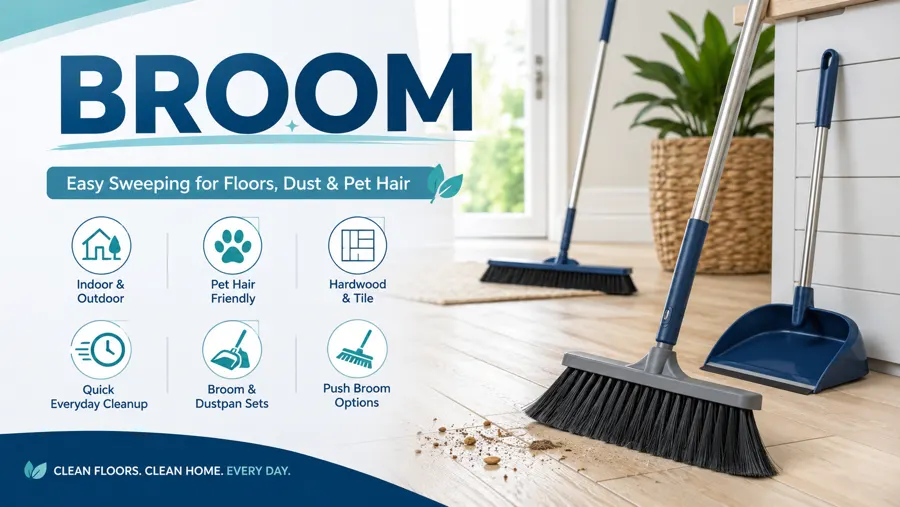
Comparing Broom and Microfiber Mops: The Ultimate Showdown for Cleaner Spaces
A clean environment isn’t just a matter of appearance—it contributes to overall wellbeing, productivity, and satisfaction, whether at home, in the office, or across commercial spaces. The quest for pristine floors often leads buyers to a key decision: should you opt for the traditional Broom or embrace the innovation of Microfiber Mops? In this comprehensive comparison, we dive deep into both cleaning tools, exploring their strengths, weaknesses, ideal use cases, cost efficiencies, environmental aspects, and much more. Whether you’re outfitting your janitorial closet or upgrading your household cleaning routine, our guide will provide the insights you need to make an informed, confident choice.
Table of Contents
- Introduction
- What Is a Broom?
- What Are Microfiber Mops?
- How Does Each Cleaning Tool Work?
- Comparison of Cleaning Efficiency
- Ease of Use and Ergonomics
- Maintenance and Durability
- Cost Analysis
- Environmental Impact
- Best Use Cases
- Common Myths and Misconceptions
- Key Takeaways
- Conclusion
Introduction
Choosing the right cleaning tool isn’t just about preference. It’s a calculated decision that affects hygiene, time management, and even long-term costs. The debate between the Broom and Microfiber Mops is ongoing, each boasting unique benefits. While the Broom is a staple in households and businesses worldwide for its simplicity and effectiveness on dry debris, Microfiber Mops have revolutionized the way we think about cleaning and floor care, promising improved dust and dirt capture with enhanced ergonomics. Which should you trust for your unique space? Let’s explore the full picture.
What Is a Broom?
The Broom is an iconic cleaning tool, used across cultures and centuries for its effective simplicity. At its core, a Broom features a set of bristles—traditionally crafted from natural materials such as corn husks or broomgrass, and nowadays often synthetic fibers—bound tightly to a sturdy handle. It is designed primarily for sweeping dirt, dust, and dry debris from floors, patios, and other surfaces. The Broom comes in multiple variations, including:
- Push Broom: Wider heads for large surface areas, ideal for sweeping warehouses, garages, or spacious rooms.
- Angle Broom: Bristles cut at an angle for reaching corners and edges, favored in home environments.
- Whisk Broom: Small handheld broom, great for tight spaces or surface cleaning.
Decades of reliable use have solidified the Broom’s spot as a household essential.
What Are Microfiber Mops?
Microfiber Mops represent a modern leap in cleaning technology. Unlike traditional cotton or synthetic mops, Microfiber Mops use specially-engineered fibers—ultra-fine, densely woven textiles that leverage both static charge and capillary action. This textile technology attracts dust, dirt, hair, and even microscopic particles, providing a more thorough clean with less chemical usage. Microfiber Mops typically come in several styles, including:
- Flat Microfiber Mops: Slim, rectangular heads with removable pads for quick replacement and easy washing.
- Spray Microfiber Mops: Integrated reservoirs for water or cleaning solutions, allowing for on-demand spraying during use.
- Spin Microfiber Mops: Round heads paired with spinning buckets for effortless wringing action.
These mops offer significant advantages, especially in environments prioritizing hygiene, ease, and sustainability.
How Does Each Cleaning Tool Work?
Broom: Mechanism and Application
The Broom relies on manual sweeping. By moving the head rapidly across a surface, the bristles dislodge and direct dry particles such as dust, crumbs, pet hair, and small debris toward a specific area for easy collection. Sweeping with a Broom doesn’t require water or chemicals, making it suitable for quick, dry cleanups of hard flooring (wood, tile, laminate, concrete) or outdoor surfaces (porches, pathways).
Microfiber Mops: Mechanism and Application
Microfiber Mops function both as dry dusters and as wet mops. When dry, their fibers use static electricity to attract and bind dust and allergens. When dampened, capillary action draws in dirt, oils, and even bacteria from surfaces. Since Microfiber Mops can be used with or without cleaning solutions, they are extremely versatile for a range of tasks on hardwood, tile, linoleum, vinyl, and more.
Comparison of Cleaning Efficiency
| Criteria | Broom | Microfiber Mops |
|---|---|---|
| Debris Removal | Excellent with large, dry debris; less effective on fine dust | Superior for fine dust, dirt, allergens, and even some bacteria |
| Wet Cleaning | Cannot clean wet spills | Highly efficient for wet cleaning, absorbing liquids easily |
| Edge/Corners | Angle Broom handles edges well | Flat heads easily reach corners and edges |
| Hair Removal | Can move hair but may scatter it | Traps hair securely within fibers |
| Stain Removal | Ineffective | Can help remove surface stains when wet |
Summary: While the Broom is highly efficient for dry, large debris, Microfiber Mops emerge as the clear winner for overall cleaning efficiency—especially when it comes to fine dust, allergens, and wet spills.
Ease of Use and Ergonomics
Handling and Comfort
- Broom: Lightweight, simple to maneuver, and often available in ergonomic designs with angled handles or grips. Still, extended sweeping can strain wrists or lower back, particularly if the Broom is too short or lacks padding.
- Microfiber Mops: Modern mops often boast telescopic handles, cushioned grips, and heads designed to pivot, reducing fatigue during use. Many require minimal physical effort to glide across floors, especially those with spray or spin functionality.
Setup and Storage
- Broom: Requires no setup; simply grab and sweep. Compact and easy to hang or stash in a closet. Dustpans may be required.
- Microfiber Mops: Initial assembly may be required (attaching pads, filling reservoirs). Pads must be washed or replaced after use. Storage space similar to Broom but requires a place for pads to dry.
In terms of day-to-day use, both offer straightforward operation, but Microfiber Mops may be preferred by those seeking reduced effort and enhanced ergonomics for larger spaces or frequent cleaning.
Maintenance and Durability
Broom Care
Properly cared for, a quality Broom can last several years. Maintenance simply involves regularly shaking out dust and rinsing bristles if needed. Over time, bristles may warp, splay, or become clogged. The handle, especially wooden variants, must be kept dry to prevent rot or splintering.
Microfiber Mop Care
Microfiber Mops demand more proactive maintenance. Pads should be machine washed (without bleach or fabric softener to avoid fiber degradation) after each use to maintain cleaning efficacy and hygiene. Replacement pads and occasional frame or head replacement may be needed over time, but microfiber’s durability is impressive, with pads typically lasting 100–500 wash cycles depending on quality.
Cost Analysis
Initial Purchase Costs
- Broom: Entry-level models are inexpensive, with high-quality versions still affordable. The initial cost is often lower than advanced cleaning tools.
- Microfiber Mops: The upfront investment is higher, particularly for systems with built-in spray, telescoping handles, or commercial-grade pads.
Long-Term Value
- Broom: Minimal recurring expenses, except occasional replacement or purchasing of dustpans.
- Microfiber Mops: Ongoing costs include replacement pads and occasional washing (energy, detergent). However, reduced need for chemical cleaners and longer pad lifespan can offset these expenses over time.
Tip: In commercial or daily-use settings, Microfiber Mops may provide better value over time due to their efficiency and durability.
Environmental Impact
Sustainability of Broom
Brooms made of natural fibers and wooden handles can be sustainable, biodegradable, and free from synthetic pollution. However, synthetic bristles and plastic handles contribute to landfill waste and have a higher environmental footprint. Their lack of water use is a plus in areas concerned with resource use.
Eco-Friendliness of Microfiber Mops
Microfiber is a synthetic material—typically polyester and polyamide—so it’s not naturally biodegradable. However, its impressive cleaning power reduces the dependency on harsh chemicals and disposable cleaning supplies like wipes and paper towels. The extensive reusability of microfiber pads also lowers waste. One consideration: microplastics. Washing microfiber pads can generate microplastic shedding, which is best addressed by using specialized washing bags or microfiber-catching laundry devices.
Conclusion: Eco-conscious buyers should assess material composition and look for products with responsible sourcing, cruelty-free practices, or innovation in recyclable materials.
Best Use Cases
Situations Where a Broom Excels
- Outdoor cleaning (garage, patio, sidewalks, workshops)
- Sweeping up large particles (crumbs, leaves, gravel, debris)
- Quick, everyday touch-ups in dry settings
- Allergy-prone settings (when paired with dustpans featuring close-fitting lips)
Ideal Situations for Microfiber Mops
- Allergy control—efficient removal of fine dust, pollen, and pet dander
- Wet cleaning and spill management in kitchens, bathrooms, and entryways
- Sanitizing floors in healthcare, hospitality, and food service environments
- Delicate flooring (hardwood or laminate), as microfiber is gentle and non-abrasive
- Households seeking to minimize use of disposable products and cleaning chemicals
Ultimately, many spaces benefit from having both tools readily available for a comprehensive approach to cleanliness.
Common Myths and Misconceptions
Myth 1: Microfiber Mops Are Only for Wet Cleaning
Reality: Microfiber Mops are highly effective for both dry dusting and wet mopping, outperforming traditional Broom and dustpan setups in capturing allergens.
Myth 2: Brooms Are Better for Large Spaces
Reality: While a wide push Broom can cover large areas quickly, commercial Microfiber Mop systems (with wide or modular heads) are equally effective and leave less airborne dust behind.
Myth 3: Microfiber Cleaning Is Expensive
Reality: While the initial investment is higher, the reusable nature of microfiber pads, combined with lower cleaner usage, makes them cost-effective over time, especially for frequent cleaners or businesses.
Myth 4: Brooms Are More Eco-Friendly
Reality: Only natural-fiber Brooms with wooden handles are fully biodegradable. Synthetic Brooms and all cleaning tools have an environmental footprint—check for responsible sourcing with any tool you choose.
Key Takeaways
- Broom: Classic, affordable, and indispensable for sweeping up dry debris and tackling outdoor surfaces. Most effective for quick cleanups and large, loose particles.
- Microfiber Mops: The modern innovation in floor care—offering superior dust pickup, effective wet cleaning, allergen control, and long-term savings with their reusable components.
- Ergonomics, cleaning efficacy, and cost efficiency favor Microfiber Mops in many modern contexts, but Brooms still shine for dry cleanup of rough or outdoor environments.
- Both tools can coexist for a holistic approach to cleanliness, maximizing coverage and efficiency for diverse cleaning needs.
- Sustainability-minded consumers should research manufacturing processes, materials, and aftercare practices to choose what aligns with their values.
Conclusion
Whether you’re refreshing your home cleaning supplies or managing janitorial needs for a commercial property, the decision between Broom and Microfiber Mops comes down to unique space requirements, cleaning frequency, user preferences, and environmental values. The Broom retains its place as a simple, cost-effective solution for dry debris—especially outdoors or in areas prone to large particulates. In contrast, Microfiber Mops represent a thoughtful advancement in indoor cleaning technology, supporting allergen reduction, reducing chemical usage, and delivering a streak-free finish with minimal effort.
For optimal cleanliness, many professionals and homeowners choose to keep both tools on hand: the Broom for sweeping up the big messes and tackling rough terrain, the Microfiber Mop for daily maintenance and deep cleaning. Your choice will ultimately influence the look and health of your space—not to mention your own experience of cleaning!
Ready to upgrade your cleaning routine? Explore our expertly curated selection of Brooms and Microfiber Mops in our online shop. Our customer support team is available to answer any questions and help you find the best match for your needs. Transform your approach to cleanliness by selecting the right tools today—your floors (and your future self) will thank you!
For more tips, product recommendations, and cleaning insights, subscribe to our blog or follow us on social media. Clean smarter, live better!