Broom vs Spray Mops: Which Cleaning Tool Should You Choose?
The Ultimate Comparison: Broom vs. Spray Mops for Modern Home Cleaning
Maintaining a pristine and welcoming living environment hinges on having the right cleaning tools at your disposal. As households evolve, so do preferences for convenience, efficiency, and cost-effectiveness in cleaning. Traditionally, the Broom was the go-to tool for sweeping away dust and debris from floors. However, modern innovations like Spray Mops have enhanced home cleaning, promising quick results, easier operation, and adaptability. If you are torn between these two staples, it’s crucial to consider their individual merits, limitations, and suitability for your cleaning needs.
In this comprehensive comparison, we explore the key differences between brooms and spray mops, their use-cases, pros and cons, and what you should look for depending on your lifestyle. Whether you’re a first-time homeowner, a seasoned cleaning enthusiast, or a busy professional seeking efficient solutions, this guide will help you make an informed choice for your home.
Table of Contents
- Overview: Broom and Spray Mops Defined
- Technological Basics and Evolution
- Functionality Comparison
- Material and Construction Differences
- Cleaning Performance: Versatility, Efficiency, and Effectiveness
- Ergonomics and Ease of Use
- Maintenance and Durability
- Costs and Long-Term Value
- Which Tool Is Best for Which Scenario?
- Environmental Considerations
- Tips for Getting the Most from Your Broom or Spray Mop
- Conclusion: Which Cleaning Tool Should You Choose?
Overview: Broom and Spray Mops Defined
Broom: The Timeless Essential
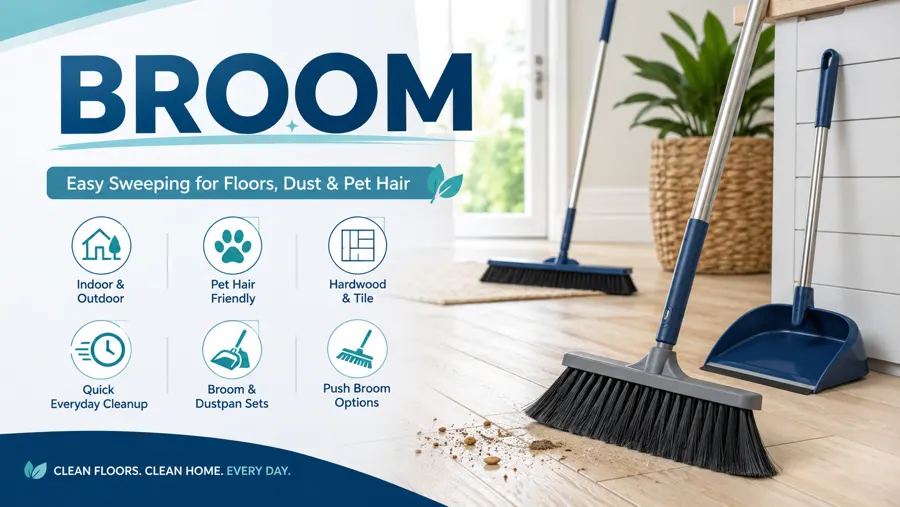
A Broom is a long-handled cleaning tool with bristles attached to one end, designed for sweeping away loose dirt, dust, and debris from hard surfaces such as floors, patios, or sidewalks. Used for centuries across cultures, the broom has become synonymous with simplicity and effectiveness, making it a staple in virtually every household.
Spray Mops: The Innovative Solution
Spray Mops, on the other hand, represent modern cleaning technology. These devices feature a flat, absorbent pad and an integrated spray mechanism that dispenses cleaning solution or water directly in front of the mop pad. This design allows for simultaneous wet cleaning, dissolving stains, and collecting grime in one easy motion, saving time and reducing physical effort.
Technological Basics and Evolution
Broom: Simple Mechanics
The broom’s technology remains beautifully straightforward. Most models rely on densely packed bristles made from natural materials like corn fibers, or synthetic options like nylon, to draw and collect dust. Some modern brooms include angled heads or rubber bristles to capture fine particles and pet hair more effectively.
Spray Mops: Advanced Engineering
Spray mops feature more complex engineering compared to brooms. Generally, they include:
- A refillable bottle or tank for water or cleaning solution
- An ergonomic handle with a trigger or button to activate the spray
- A flat, microfiber or reusable pad to scrub and absorb spills
- Swivel heads for enhanced maneuverability
Functionality Comparison
Broom Functionality
The core function of a broom is dry cleaning. It sweeps away loose surface dirt and can gather small and large debris alike. Brooms are best used on hard, dry surfaces, and excel in corners, under furniture, and in small, tight spaces. With dustpans, sweeping and disposal of debris become quick and effective.
Spray Mop Functionality
Spray mops are designed for wet cleaning. Their versatility comes from the ability to spray-clean all types of hard floors, including tiles, wood, vinyl, and laminate. Most spray mops can transition smoothly from cleaning a dried spill to removing everyday dust, thanks to the absorbency and texture of their cleaning pads. Some models even come with interchangeable pads designed for specific floor types.
Material and Construction Differences
Broom Material Selection
Traditionally, brooms were made using plant-based bristles and wooden handles, combining sustainability and durability. Modern varieties might use plastic for lightweight handles, and the bristles may be made from synthetic fibers, making them more affordable and moisture-resistant. Ergonomic grips and collapsible handles target user comfort and storage ease.
Spray Mop Construction
Spray mops usually utilize a blend of plastic and lightweight metals like aluminum for the frame. The mop pads are typically crafted from microfiber, chosen for their exceptional absorption and dirt-attracting properties. Some models offer washable and reusable pads, minimizing waste, while others rely on disposable cleaning pads for maximum convenience.
Cleaning Performance: Versatility, Efficiency, and Effectiveness
Brooms: Thorough Dust and Debris Removal
A well-made broom can sweep away everything from crumbs to pet fur, and is excellent at reaching into corners, under furniture, and along baseboards. For homes with a lot of dust or where crumbs accumulate quickly, brooms deliver consistent performance. They are also highly effective on outdoor surfaces like patios or garages, tackling bigger debris such as leaves and loose soil.
Spray Mops: Stain and Spill Mastery
The unique advantage of spray mops lies in their treatment of sticky spills, stains, or marks that a broom simply can't address. Quick to deploy and easy to maneuver, a spray mop can remove dried drink spills, mud tracks, or shoe marks with minimal effort. Their even distribution of cleaning solution ensures the surface is not left too wet, which is particularly important for moisture-sensitive flooring such as hardwood or laminate.
Versatility Analysis
- Broom excels at dry, loose debris and provides excellent control in tight spaces and outdoor areas.
- Spray Mops handle liquid messes and sticky residue far more efficiently, offering a deeper clean without the hassle of a bucket and traditional mop.
Ergonomics and Ease of Use
Broom Ergonomics
Lightweight and straightforward, most brooms are comfortable to use for routine tasks. The absence of mechanical parts means a broom is consistently ready for action with no setup. However, traditional sweeping requires physical effort and may expose users to bending or stretching movements, sometimes resulting in back strain during extensive cleaning sessions.
Spray Mop Ergonomics
Designed with user comfort in mind, spray mops typically feature ergonomic handles, easy-grip triggers, and lightweight bodies. The spray function eliminates the need for buckets, reducing lifting and carrying, and washable pads mean less hassle for cleaning up. Most users find spray mops easier on the body, especially for cleaning large or hard-to-reach areas, with swivel heads that glide under furniture and around tight corners.
Maintenance and Durability
Broom Maintenance
- Shake out dirt and dust after every use
- Wash bristles periodically with soapy water to avoid accumulation of grime
- Store the broom upside down or hang to prevent bristle deformation
- Replace if bristles become excessively bent or shed
With minimal moving parts and robust construction, brooms often last for years with little maintenance.
Spray Mop Maintenance
- Rinse the mop pad and replace or wash as per manufacturer's guidance after each use
- Clean the spray nozzle and bottle to prevent clogging from cleaning solutions
- Check for leaks or cracks in the reservoir and replace parts as necessary
- Store vertically to avoid pad deformation
While spray mops are generally durable, the additional mechanisms—triggers, reservoirs, and nozzles—can require more care and occasional replacement parts, particularly with regular heavy use.
Costs and Long-Term Value
Initial Purchase and Ongoing Costs: A Comparison
The financial aspect is critical in choosing between a broom and a spray mop. Here’s how the costs break down:
- Broom: Initial purchase prices are typically low. Maintenance revolves around occasional replacement, making it cost-effective over time.
- Spray Mops: They tend to be pricier upfront due to their built-in mechanisms and technology. Long-term expenses may include cleaning solutions and replacement pads, but some reusable options minimize costs.
While brooms may win for upfront affordability, spray mops can offer better value for those seeking deeper, more versatile cleaning with minimal setup.
Which Tool Is Best for Which Scenario?
When to Choose a Broom
- You have mostly hard, dry flooring that doesn’t frequently see spills
- Your cleaning focus is on dust, crumbs, pet hair, or outdoor debris
- You seek a minimal initial investment and little ongoing cost
- Storage space is at a premium and simplicity is preferred
When to Choose a Spray Mop
- Your floors are prone to frequent spills or sticky messes
- You desire a one-step cleaning solution for dirt and light stains
- You prioritize speed and convenience in your cleaning routine
- You want to avoid the hassle of buckets and minimize bending or physical strain
Combined Approaches
Many modern households increasingly use both tools as complements rather than alternatives. The broom can quickly remove dry debris, while the spray mop provides the finishing touch for spotless, streak-free floors.
Environmental Considerations
Broom Sustainability
Eco-conscious consumers often choose traditional brooms made of renewable materials such as wood and natural fibers. These brooms are biodegradable and their production tends to have a lower environmental impact. However, synthetic-bristle brooms may take longer to break down in landfills.
Spray Mop Sustainability
Sustainability in spray mops depends on several factors:
- Reusable Pads: Greatly reduce waste and offer a sustainable edge over disposable pads.
- Cleaning Solutions: Some brands offer eco-friendly or refillable detergents, furthering green cleaning efforts.
- Durability: Higher-quality spray mops last longer and minimize the need for frequent replacement, lowering their overall environmental footprint.
Opting for a spray mop with washable, durable components and label-verified cleaners can meaningfully support sustainable living.
Tips for Getting the Most from Your Broom or Spray Mop
Professional Tips for Broom Usage
- Use controlled, gentle strokes to minimize airborne dust
- Sweep in one direction and collect all debris into a dustpan at the end
- Clean bristles regularly to maintain effective sweeping
- Use a smaller, softer broom for delicate tasks like cleaning electronics or blinds
Professional Tips for Spray Mop Usage
- Fill the reservoir with the appropriate solution for your floor type (check manufacturer instructions)
- Lightly mist—avoid saturating the floor, especially with hardwood or laminate
- Rinse and replace mop pads frequently to avoid streaks
- Test a small, inconspicuous area before using any new cleaning solution
- Store with the pad off the ground to avoid mold or odor buildup
Conclusion: Which Cleaning Tool Should You Choose?
The choice between a Broom and Spray Mops ultimately depends on your individual cleaning needs, floor types, and priorities for convenience, sustainability, and budget. Brooms reign supreme for quick, dry cleaning tasks, outdoor sweep-ups, and those seeking uncomplicated solutions. Spray mops, meanwhile, deliver a faster, deeper clean for busy households managing frequent spills or sticky residues, boasting user-friendly designs and enhanced versatility.
For the majority of homes, a combination of both can provide comprehensive coverage—using the broom for dry messes and the spray mop for spots, stains, and routine “sparkle” maintenance. As cleaning technology continues to evolve, integrating smart, ergonomic tools into your routine will support not only a cleaner home but also improve the efficiency and enjoyment of everyday tasks.
Ready to upgrade your cleaning arsenal? Explore our collection of high-performance brooms and innovative spray mops today for a cleaner, healthier, and more vibrant living space. Shop now and discover the perfect tools for your lifestyle!