Floor Cleaning Tools Compared: Best Hard Floor Cleaners
Floor Cleaning Tools vs. Hard Floor Cleaners: Which Is Best for Your Home or Business?
Keeping floors pristine is essential in any home or business. Clean floors not only contribute to a pleasant and professional environment but also help maintain the longevity of your flooring investment. As such, choosing the right cleaning approach is crucial. Today’s market offers a variety of solutions, but two primary categories stand out: Floor Cleaning Tools and Hard Floor Cleaners. In this in-depth comparison, we will examine both options—highlighting their features, benefits, drawbacks, and best-use scenarios—to help you make the optimal choice for your cleaning needs.
Understanding the Basics: What Are Floor Cleaning Tools and Hard Floor Cleaners?
What Are Floor Cleaning Tools?
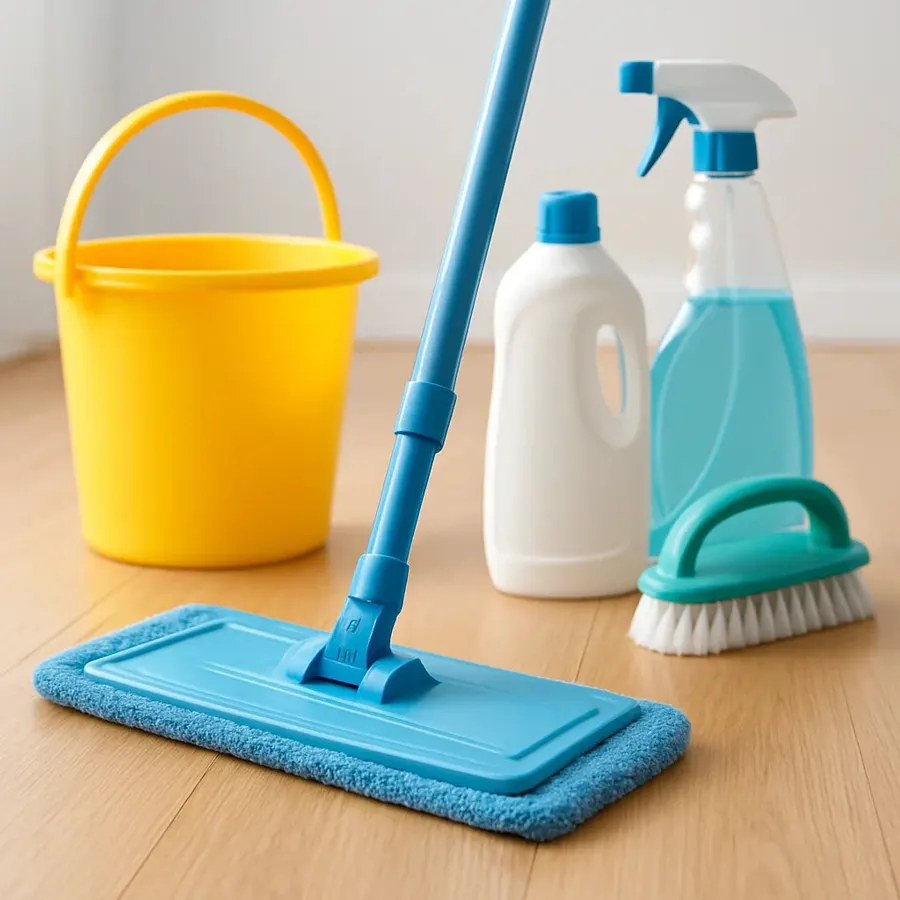
Floor Cleaning Tools encompass a broad range of manual instruments designed to remove dirt, dust, and stains from floor surfaces. This category typically includes traditional mop-and-bucket systems, flat mops, dusters, brooms, scrub brushes, squeegees, and microfiber cloths. These tools vary in complexity, from basic models to advanced variants featuring ergonomic handles, adjustable heads, and high-performance microfiber materials.
While manual in nature, some modern floor cleaning tools have innovative features such as wringing mechanisms, spray functions, and replaceable pads. They are widely used in both residential and commercial settings due to their versatility, affordability, and ease of use.
What Are Hard Floor Cleaners?
Hard Floor Cleaners refer to powered cleaning machines specifically engineered to clean hard flooring surfaces such as tile, laminate, vinyl, wood, stone, and concrete. This category includes electric or battery-powered floor scrubbers, wet/dry vacuum cleaners, steam mops, and robotic floor cleaners.
Hard floor cleaners automate or partially automate the cleaning process, often combining scrubbing, suction, and drying capabilities into a single device. They typically offer greater cleaning efficiency and consistency, especially in larger spaces or high-traffic areas.
Comparing Floor Cleaning Tools and Hard Floor Cleaners: Core Differences
| Feature | Floor Cleaning Tools | Hard Floor Cleaners |
|---|---|---|
| Operation | Manual | Electric/Battery-powered |
| Efficiency | Varies with user effort and technique | Consistent, automated cleaning |
| Cost | Lower initial investment | Higher upfront cost |
| Maintenance | Minimal (replacement heads/pads) | Regular machine maintenance (filters, parts) |
| Portability | Highly portable, lightweight | Bulkier, some models corded or heavy |
| Suitability | Small to medium spaces, spot cleaning | Medium to large spaces, scheduled cleaning |
| Eco-friendliness | Water and cleaning agent usage varies by user | Efficient water and detergent use in advanced models |
Floor Cleaning Tools: Pros and Cons
Advantages of Floor Cleaning Tools
- Affordability: Manual cleaning tools are generally cost-effective, making them ideal for those on a budget.
- Control: Users have complete control over technique, pressure, and motion, allowing focused attention on tough stains or delicate surfaces.
- Versatility: A wide array of tools can be used on various floor types, including both hard and soft flooring.
- Simplicity: Easy to set up, operate, and store without need for electrical outlets or batteries.
- Low Maintenance: Minimal upkeep—mostly cleaning or replacing mop heads, pads, or broom bristles as needed.
- Portability: Lightweight and easily carried between rooms or storage areas.
Drawbacks of Floor Cleaning Tools
- Labor-Intensive: Cleaning large areas manually can be physically demanding and time-consuming.
- Inconsistent Results: Quality of cleaning depends heavily on the user’s technique and level of effort.
- Hygiene Issues: Without frequent cleaning or replacement of pads and mop heads, tools can harbor bacteria and odor.
- Efficiency: Manual tools might not reach crevices or remove stubborn grime as effectively as powered machines.
- Water Usage: Some traditional mopping methods use excessive water and may leave floors damp for extended periods, raising slip and damage risks.
Hard Floor Cleaners: Pros and Cons
Advantages of Hard Floor Cleaners
- Superior Cleaning Power: Mechanized brushes, steam, or suction provide deep and thorough cleaning with less physical effort.
- Time-Saving: Designed to cover more surface area quickly, making them ideal for large homes, offices, or commercial spaces.
- Consistent Results: Programmable settings ensure uniform cleaning performance every time.
- Multipurpose Functionality: Some models dust, mop, scrub, vacuum, and even dry in one pass.
- Hygienic: Many machines use high temperatures (steam), powerful extraction, or disposable pads to reduce bacteria spread.
- Advanced Features: Options like self-cleaning, automatic detergent dispensing, and smart sensors enhance convenience.
Drawbacks of Hard Floor Cleaners
- Higher Initial Cost: The investment in a quality hard floor cleaner can be significant compared to manual tools.
- Maintenance Requirements: Machines need regular upkeep, such as emptying tanks, cleaning filters, and occasional part replacements.
- Noise: Powered machines can be noisy, which may not be suitable for quiet environments.
- Size and Weight: Some models are heavy or cumbersome to maneuver, especially in homes with multiple levels or obstacles.
- Dependency on Power: Electric and battery models require access to outlets or regular recharging, adding logistical considerations.
Suitability for Different Environments
Residential Cleaning: Homeowners and Renters
For most homeowners and renters, the choice between floor cleaning tools and hard floor cleaners often comes down to lifestyle and budget.
- Small apartments or single rooms: Manual floor cleaning tools, such as spray mops or flat mops, are economical and easy to store.
- Busier households or allergy sufferers: Hard floor cleaners (especially steam mops or wet/dry vacuums) offer more efficiency and deeper cleaning, crucial for families with children or pets.
- Occasional or spot-cleaning needs: Keeping a reliable broom or microfiber mop on hand is often sufficient.
Commercial and Office Spaces
Businesses and property managers face greater cleaning demands than private households.
- Large or multi-level commercial spaces: Hard floor cleaners—such as ride-on or walk-behind scrubbers—excel at covering extensive flooring efficiently.
- Medical or food service environments: Advanced hard floor cleaners with heated-water cleaning capability help maintain higher hygiene standards.
- Smaller offices or boutique stores: A combination of manual and powered cleaning solutions ensures both flexibility and thorough day-to-day maintenance.
Schools, Gyms, and Facilities
Environments with heavy foot traffic and specialized flooring present unique challenges.
- Robust hard floor cleaners: For gymnasiums, cafeterias, and corridors, powered machines can handle the volume efficiently and support compliance with cleaning protocols.
- Targeted manual tools: For detailed edge work, smaller spaces, or spot-cleaning, floor cleaning tools provide the needed precision.
Ease of Use and Ergonomics
Floor Cleaning Tools: User Experience
Manual tools are typically straightforward, but the physical nature of use can sometimes lead to fatigue, particularly for individuals with limited mobility or strength. Innovations like ergonomic handles, lightweight frames, and pivoting mop heads have improved user comfort, but manual mopping still demands more effort than automated alternatives.
Hard Floor Cleaners: User Experience
Operating a hard floor cleaner involves minimal physical labor beyond pushing or guiding the unit. Many models offer adjustable handles, simple control interfaces, and automated cleaning cycles. However, initial assembly, learning curve, and ongoing care (such as emptying water tanks and maintaining components) add some layers of complexity.
Effectiveness on Different Floor Types
Floor Cleaning Tools on Various Surfaces
- Tile and stone: Scrub brushes and sturdy mops are particularly suited for deep cleaning grout and non-porous surfaces.
- Hardwood and laminate: Microfiber mops, when only slightly dampened, are safe and prevent water damage.
- Vinyl: Almost any traditional mop or broom will suffice for regular upkeep.
Hard Floor Cleaners on Various Surfaces
- Delicate floors (wood, bamboo): Many hard floor cleaners come with adjustable water controls or soft-bristle brushes, minimizing potential abrasion or water exposure.
- Textured or uneven surfaces: Machines with robust brush systems penetrate crevices and extract lodged debris more effectively than manual tools.
- Stone and ceramic: Steam options clean with minimal chemical usage.
Environmental Considerations
Sustainability is increasingly top-of-mind for both households and businesses. Manual tools typically rely on the user’s discretion for water and detergent use, which can lead to waste. On the other hand, many hard floor cleaners are engineered for resource efficiency, dispensing only the necessary amount of water or cleaning solution.
Some advanced machines offer features such as:
- Eco-mode settings for reduced water and power usage
- Use of biodegradable or low-impact cleaning solutions
- Washable and reusable pads, reducing disposable waste
Regardless of method, choosing sustainable materials and adopting mindful cleaning habits contributes to environmentally responsible floor care.
Lifespan and Cost of Ownership
While upfront price is a common differentiator, the long-term cost of ownership is also essential to weigh.
Manual Floor Cleaning Tools: Costs Over Time
- Low purchase price per item
- Occasional replacement of mop heads, pads, or brushes
- Minimal repair expense, since few mechanical parts exist
Hard Floor Cleaners: Total Cost of Ownership
- Significant initial investment
- Ongoing costs for filters, pads, cleaning solutions, and possible repairs
- Possible energy or battery replacement expenditures
For high-volume or high-frequency cleaning, hard floor cleaners can yield better value through saved labor and reduced cleaning time. For infrequent cleaning or smaller spaces, manual tools are a cost-effective solution.
Special Features and Innovations
The cleaning product industry continues to introduce advanced features to suit modern lifestyles and commercial demands.
Cutting-Edge Features in Hard Floor Cleaners
- Smart navigation in robotic models for efficient, map-based coverage
- App integration for scheduling and customizing cleaning routines
- Dual cleaning modes for different floor types
- Self-cleaning rollers or tanks in advanced units
- Anti-bacterial technology for improved hygiene
Innovations in Floor Cleaning Tools
- Pivoting and extendable handles for hard-to-reach areas
- Spray mechanisms built into mop handles
- Detachable, washable microfiber pads improving both cleaning result and sustainability
Safety and Hygiene Considerations
Manual Tools
Proper cleaning and frequent replacement or washing of mop heads and pads are essential to prevent bacterial build-up and cross-contamination. Avoiding over-wetting is important for minimizing slip hazards and protecting sensitive flooring.
Hard Floor Cleaners
Automated drying and suction reduce slip risk and ensure faster return-to-use of cleaned areas. Machines with built-in water heating or steam not only enhance cleaning but also promote a higher level of sanitation—making them advantageous for environments with hygiene requirements.
Making the Right Choice: Key Decision Points
Choosing between floor cleaning tools and hard floor cleaners requires an honest assessment of your cleaning needs, environment, and available resources. Use these guiding questions:
- What is the size and layout of the area you need to clean?
- How frequently do you need to clean, and to what standard?
- Who will be performing the cleaning, and what is their physical capacity?
- What types of flooring are present, and are there special care requirements?
- What is your upfront and ongoing budget for cleaning solutions?
- Do you prioritize sustainability and hygiene features?
If convenience, consistency, and time-saving are top priorities—especially in larger or high-traffic spaces—investing in a reliable hard floor cleaner may be the best solution. If flexibility, affordability, and targeted or light-duty cleaning are your goals, well-chosen floor cleaning tools are hard to beat.
Conclusion: Choose the Floor Care Solution That Fits Your Needs
Both Floor Cleaning Tools and Hard Floor Cleaners offer unique strengths tailored to different environments, budgets, and cleaning expectations. While traditional manual tools provide accessible, affordable, and precise cleaning options, powered machines deliver efficiency, advanced hygiene, and consistent results over large spaces or frequent use.
Ultimately, many homes and businesses find an intelligent blend of both categories ensures thorough and flexible floor maintenance. By considering your specific needs and priorities, you can invest confidently in cleaning systems that protect your floors, promote a welcoming environment, and support your ongoing wellbeing.
Ready to discover the ideal solution for your floor care? Explore our curated selection of floor cleaning tools and hard floor cleaners, or contact our knowledgeable team for personalized recommendations. Invest in the tools that make a difference—because clean floors create lasting impressions.