Hard Floor Cleaners vs Wet Dry Vacuums: Which Cleans Best?
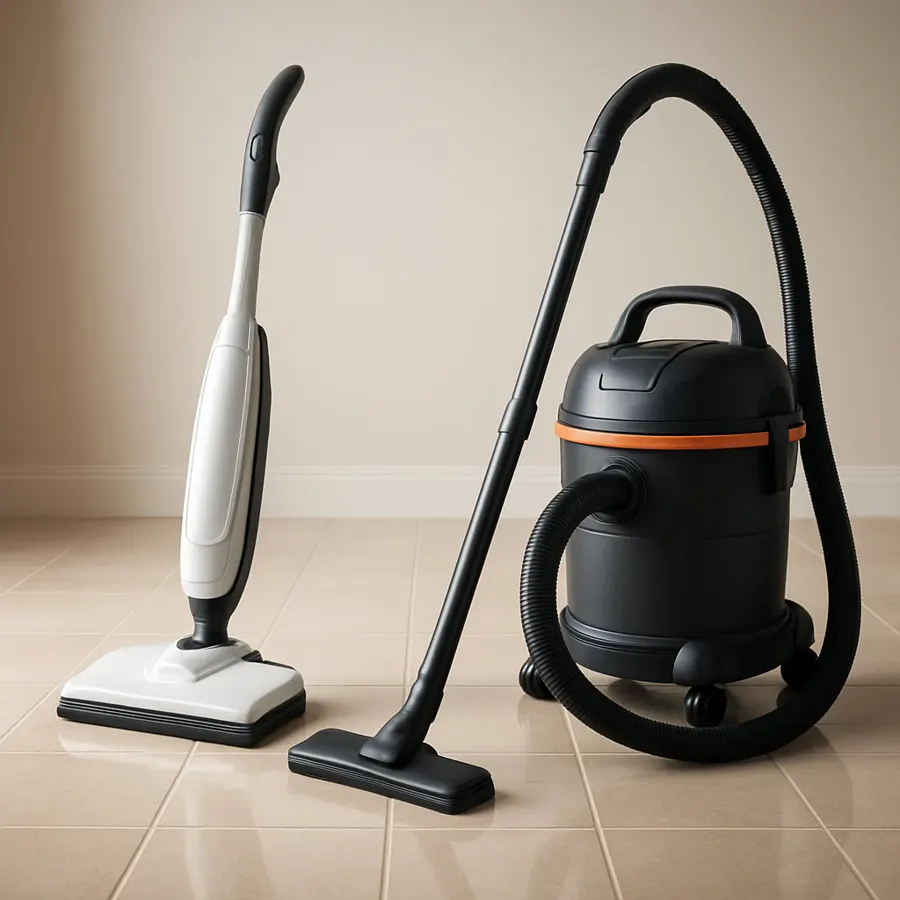
Hard Floor Cleaners vs Wet Dry Vacuums: Which is Best for Your Home?
Keeping floors spotless is a top priority for homeowners and businesses alike. Whether you have hardwood, tile, laminate, or stone floors, choosing the right cleaning tool can make a significant difference in your cleaning routine. Two of the most popular cleaning appliances today are Hard Floor Cleaners and Wet Dry Vacuums. Each brings unique features and benefits, but knowing which is better suited for your needs requires a comprehensive understanding and comparison. In this detailed guide, we will compare Hard Floor Cleaners and Wet Dry Vacuums, highlighting their advantages, disadvantages, and best use cases, so you can confidently select the best solution for your floors.
Understanding the Basics
What Are Hard Floor Cleaners?
Hard Floor Cleaners are specialized cleaning appliances designed specifically for sealed hard surfaces like tile, hardwood, laminate, and vinyl. These machines often combine functions such as washing, scrubbing, and drying floors in one seamless process. Their design and features target the effective removal of dust, dirt, sticky residues, and even light stains, ensuring sparkling clean floors with minimal effort.
What Are Wet Dry Vacuums?
Wet Dry Vacuums are highly versatile machines capable of picking up both dry debris (such as dust, hair, crumbs, and pet litter) and wet spills (like water, juice, or mud). Initially popular in workshops and garages, modern versions are now found in many homes due to their robust performance and adaptable functionality. From quick kitchen spill cleanup to deep cleaning garage floors, Wet Dry Vacuums offer convenience and powerful suction for a range of tasks.
Side-by-Side Comparison
| Feature | Hard Floor Cleaners | Wet Dry Vacuums |
|---|---|---|
| Primary Use | Deep cleaning and caring for sealed hard floors | Multi-surface cleaning (hard floors, carpets, spills, workshops) |
| Wet Cleaning Capability | Yes (often washes and scrubs floors) | Yes (handles wet spills and liquids) |
| Dry Debris Pickup | Limited (mostly surface dust and dirt) | Excellent (handles everything from dust to large debris) |
| Carpet Cleaning | No | Some models designed for carpets |
| Attachments & Accessories | Typically floor-specific (brushes, rollers) | Variety (crevice tools, nozzles, squeegees) |
| Maneuverability | High (lightweight, easy to use) | Varies (some are bulky, others are compact) |
| Noise Level | Quiet to moderate | Moderate to loud |
| Ease of Maintenance | Easy (rinseable components) | Moderate (requires regular filter and tank cleaning) |
| Price Range | Mid to high | Range from budget to high-end |
The Key Differences Explained
Design and Usability
One of the most recognizable differences between Hard Floor Cleaners and Wet Dry Vacuums is their design orientation. Hard Floor Cleaners are engineered with hard, sealed surfaces in mind. Their ergonomic forms, specialized rollers, and squeegees optimize cleaning efficacy while ensuring delicate surfaces remain unmarred. Many models are self-propelled or have swivel steering, increasing maneuverability around furniture and obstacles.
In contrast, Wet Dry Vacuums are designed for durability and versatility. Their sturdy build allows them to tackle tough messes in demanding environments. Equipped with robust motors, Wet Dry Vacuums can manage both fine dust and large debris. Some offer wheels for portability, but heavier capacity models may be cumbersome for stairs or tight spaces.
Cleaning Efficiency and Performance
Hard Floor Cleaners are tailored for deep cleaning performance. Their integrated washing action uses water (and sometimes cleaning solutions) to agitate and lift grime from floors, while counter-rotating brush rolls scrub away stuck-on messes. Most units feature suction technology that simultaneously removes dirty water, so floors dry quickly and streak-free.
Wet Dry Vacuums excel in rapid debris pickup, especially when transitioning between dry and wet messes. They can extract wet spills in seconds and handle the aftermath of flooded basements, broken pipes, or leaky appliances. However, while they can be used for surface cleaning, Wet Dry Vacuums do not typically scrub floors as thoroughly or provide the polish that dedicated Hard Floor Cleaners do.
Handling Different Floor Types
If your home or business primarily features sealed hard surfaces—think hardwood, tile, stone, and vinyl—then Hard Floor Cleaners excel. They are optimized for these surfaces and help maintain both cleanliness and shine without causing damage. For delicate finishes like polished hardwood, ensure your chosen cleaner is designed for such use.
Wet Dry Vacuums, with their broader application range, can be used on concrete, tile, linoleum, carpet, and even outdoors. If you need an appliance that transitions from cleaning a dusty patio to mopping the kitchen and managing a bedroom carpet spill, a Wet Dry Vacuum is the pragmatic choice. Their only limitation is the need for attachments specific to each task.
Maintenance and Upkeep
Hard Floor Cleaners tend to require little maintenance. Rinsing brush rolls and emptying water tanks are often the extent of regular care. Most parts are easy to remove and wash, minimizing buildup and keeping performance at its best.
Wet Dry Vacuums, given their heavier workloads, require more frequent filter changes, tank rinsing, and hose maintenance. Wet debris and liquids can cause odor and mildew if not promptly cleaned. Higher-capacity models need periodic checks to ensure seals and floats function correctly.
Noise Levels
Noise sensitivity is a factor in residential and office environments. Hard Floor Cleaners generally operate quietly relative to Wet Dry Vacuums, making them suitable for early morning or late-night cleaning. Wet Dry Vacuums, particularly high-powered models, are often louder due to their industrial-grade motors.
Use Cases and Recommendations
When to Choose a Hard Floor Cleaner
-
You need daily or weekly cleaning of hard floors.
If your primary focus is sparkling clean sealed floors, a Hard Floor Cleaner is tailored to deliver. Homes with pets, small children, or high-traffic areas benefit from models that address sticky shoes, food spills, or tracked-in dirt.
-
You have delicate flooring to care for.
These cleaners are optimized for surfaces requiring gentle cleaning without abrasive brushes or harsh suction.
-
You want a fast-drying solution.
The simultaneous washing and vacuuming action leaves almost no water behind, reducing slip risk and downtime.
-
You dislike handling mop buckets and sponges.
Many Hard Floor Cleaner models include self-cleaning cycles and touchless dirty water disposal, streamlining the cleaning process.
When to Choose a Wet Dry Vacuum
-
Your cleaning tasks vary widely.
If you need to clean carpets, rugs, hard floors, stairs, and garages, a Wet Dry Vacuum offers unmatched flexibility.
-
You frequently deal with large or unexpected messes.
Households with children, pets, or workshops can benefit from the quick response Wet Dry Vacuums provide when accidents happen.
-
You need robust suction power.
These machines are ideal for picking up everything from nails and pebbles to spilled drinks and clogged drains.
-
You want a multi-use appliance for varied locations.
Many models are equally at home in the kitchen, garage, car, and outdoors. Their portability and attachment collection make them highly adaptable.
Key Features to Consider Before Purchasing
For Hard Floor Cleaners
- Water Tank Capacity: Larger tanks allow for longer cleaning sessions without constant refilling and emptying.
- Brush Roll Type: Soft rollers for delicate floors; tougher brushes for tiles and grout.
- Self-Cleaning Function: Keeps rollers and suction nozzles clean and odor-free.
- Drying Capability: Built-in squeegees or heated drying reduces slip hazards and leaves a streak-free finish.
- Cleaning Solution Compatibility: Some machines require manufacturer-recommended cleaners while others allow third-party options.
For Wet Dry Vacuums
- Tank Capacity: Consider the types of jobs you handle; larger tanks suit garages and workshops.
- Power and Suction: Higher wattage offers maximum pickup power but may increase noise levels.
- Filter System: HEPA or multi-stage filtration improves air quality and is a must for allergy sufferers.
- Corded vs. Cordless: Cordless models offer portability, but battery life can be a limitation.
- Accessory Kit: Different attachments expand your cleaning options for upholstery, vehicles, and corners.
Maintenance Tips for Longevity and Performance
Hard Floor Cleaners
- Empty and Rinse Water Tanks: After every use, to prevent odor and residue buildup.
- Clean Brush Rolls Regularly: Remove hair, debris, and rinse thoroughly under running water.
- Use Approved Cleaning Solutions: Avoid clogging and prolong machine life by following manufacturer guidelines.
- Wipe Machine Exterior: Prevent stains and dust accumulation.
- Store in a Cool, Dry Place: Keep away from direct sunlight and moisture.
Wet Dry Vacuums
- Empty Debris and Water Tanks Promptly: Prevent mildew and maintain suction power.
- Wash or Replace Filters: Follow the recommended replacement schedule for optimal filtration.
- Inspect Hoses and Seals: Check for leaks or blockages and clean as needed.
- Clean Attachments: Wash brushes, crevice tools, and other add-ons regularly.
- Check and Replace Float Mechanism: Ensures correct operation during wet vacuuming.
Popular Brands and Models to Evaluate
While many brands offer excellent Hard Floor Cleaners and Wet Dry Vacuums, some have a proven track record for innovation, quality, and durability. Here are a few worth considering:
Top Hard Floor Cleaner Brands
- BISSELL: Known for versatile floor care systems and specialized cleaning solutions.
- Kärcher: German engineering offering robust, user-friendly models.
- Tineco: Leader in cordless hard floor cleaning technology.
- Hoover: Offers flexible multi-floor solutions and efficient design.
Top Wet Dry Vacuum Brands
- Shop-Vac: The original and iconic workshop Vac, built for heavy-duty use.
- Vacmaster: Known for affordability without sacrificing power or features.
- RIDGID: Trusted in workshops, garages, and construction for durability.
- Stanley: Compact, portable, and powerful models for home and office.
Frequently Asked Questions
Can I use a Hard Floor Cleaner on carpets?
No. Hard Floor Cleaners are designed exclusively for sealed hard surfaces. Using on carpets can damage fibers and the machine itself.
Are Wet Dry Vacuums safe for hardwood floors?
Yes, but always use the appropriate attachment and ensure there are no sharp objects or abrasive brushes that could scratch or mar the floor’s finish.
How often should I clean or replace filters?
For both Hard Floor Cleaners and Wet Dry Vacuums, read the manufacturer's instructions. In general, rinse or replace filters every 1-3 months depending on usage frequency.
Do I need a special cleaning solution?
For Hard Floor Cleaners, yes—most perform best and last longer with proprietary or manufacturer-approved solutions. Wet Dry Vacuums seldom require cleaning solutions unless being used with a shampooing accessory.
Conclusion: Making Your Final Choice
Choosing between Hard Floor Cleaners and Wet Dry Vacuums depends on your specific needs and the types of messes you encounter most often. Hard Floor Cleaners offer deep, streak-free cleaning for sealed surfaces and simplify routine cleaning cycles. Wet Dry Vacuums, by comparison, provide rewarding versatility—tackling everything from a kitchen spill to workshop dust and even car interiors.
For homes and businesses focused primarily on hard surface care, a quality Hard Floor Cleaner is a sound, long-term investment. Those seeking all-purpose cleaning power, especially in environments prone to varied or large messes, will find Wet Dry Vacuums indispensable.
Whatever your decision, investing in the right cleaning solution helps maintain a cleaner, healthier, and more welcoming space for guests, family, or customers. If you’re ready to upgrade your cleaning routine, browse our curated selection of Hard Floor Cleaners and Wet Dry Vacuums today. Our expert team is here to answer questions and assist you in finding the perfect match for your space and lifestyle.
Ready for spotless floors? Explore our latest models and enjoy the confidence of a truly clean home or workspace!