Microfiber Cloth vs Dust Mop: Which Cleans Better for Your Home?
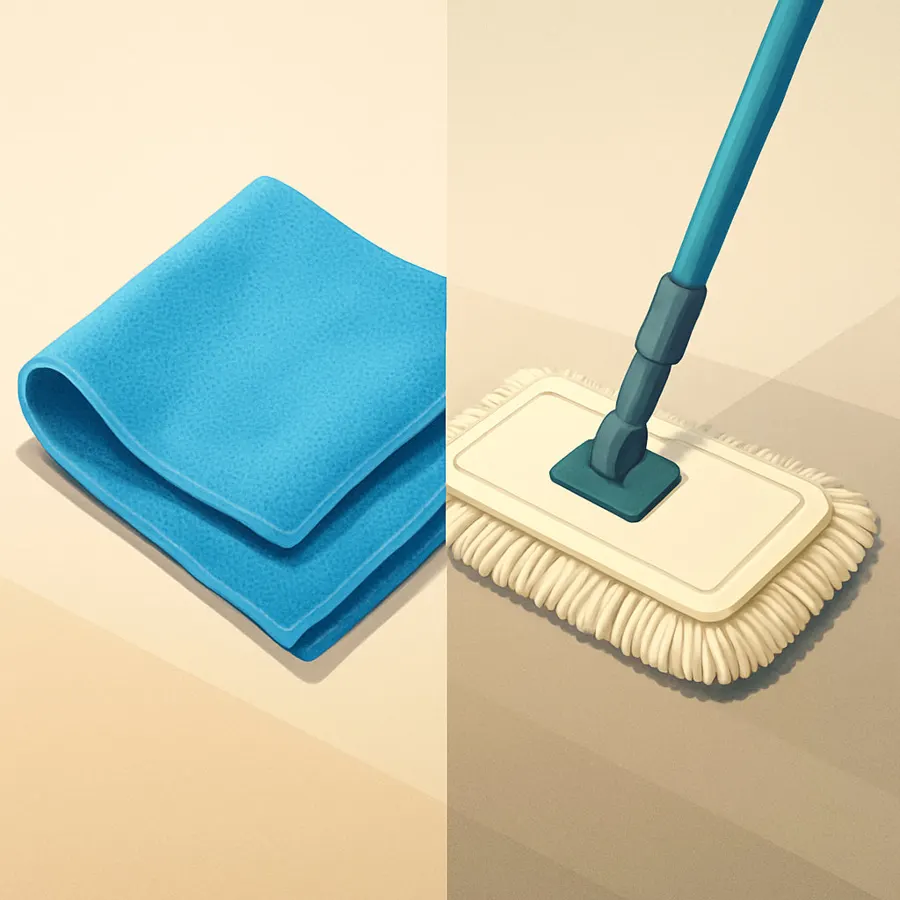
Microfiber Cloth vs Dust Mop: Which Cleaning Tool Is Right for You?
When it comes to maintaining a clean and inviting environment, the right cleaning tools can make all the difference. Whether you’re a homeowner seeking an efficient daily cleaning solution or a commercial facility manager aiming for spotless floors, the proper choice between a Microfiber Cloth and a Dust Mop is crucial. In this in-depth comparison, we will break down the features, benefits, and best applications for each, helping you determine which tool aligns best with your cleaning needs. By the end, you’ll have actionable insights and a clear understanding of which cleaning hero deserves a place in your toolkit.
Understanding the Tools: Microfiber Cloth and Dust Mop Defined
What is a Microfiber Cloth?
A Microfiber Cloth is a cleaning essential made from a blend of fibers—commonly polyester and polyamide—split to create ultra-fine threads. These threads are many times finer than a human hair, providing a vastly increased surface area for grabbing dust, dirt, and debris. Thanks to their unique structure, microfiber cloths excel at trapping contaminants, removing up to 99% of bacteria with just water, and eliminating the need for harsh chemicals. They are flexible, lightweight, reusable, and suitable for a variety of surfaces, including glass, stainless steel, wood, and electronics.
What is a Dust Mop?
A Dust Mop is a floor-cleaning tool consisting of a handle and a wide, flat head, fitted with a replaceable or washable fabric or microfiber pad. Designed for sweeping up dust, debris, and hair, it gently glides over hard surfaces such as hardwood, tile, laminate, and vinyl. Some dust mops include antimicrobial or electrostatic properties to enhance dust attraction, making them ideal for large areas or spaces where traditional brooms may disperse rather than capture fine particles.
Feature Comparison: Microfiber Cloth vs Dust Mop
1. Cleaning Efficiency
- Microfiber Cloth: Renowned for its exceptional ability to capture dust, bacteria, and even microscopic particles, the microfiber cloth is a versatile performer. It works effectively both wet and dry, and its compact nature allows you to clean hard-to-reach spots, corners, and delicate surfaces. No streaks, lint, or residue are left behind, making it ideal for surfaces needing a polished finish.
- Dust Mop: The dust mop covers more ground with each swipe, making it highly efficient for cleaning large floor areas. It excels at collecting larger debris and dust bunnies quickly. Its broad surface and long handle reduce bending and physical strain, allowing for a seamless glide across rooms in less time.
2. Versatility
- Microfiber Cloth: Unmatched versatility defines the microfiber cloth. Beyond floors, it is a go-to for countertops, mirrors, windows, automobile interiors, appliances, electronics, and even as a duster for intricate objects. Its gentle texture ensures surfaces are never scratched or damaged.
- Dust Mop: While primarily designed for hard floor surfaces, advanced dust mops with detachable or washable pads can handle everything from studio dance floors to home hallways, and even some textured walls or ceilings when used vertically.
3. Maintenance & Longevity
- Microfiber Cloth: Highly durable and reusable, a quality microfiber cloth withstands hundreds of machine washes without losing efficacy. Proper care—such as washing without fabric softener and air drying—can extend its life further and maintain its optimal dust trapping abilities.
- Dust Mop: Pad maintenance is central to a dust mop’s performance. Many modern designs use microfiber pads that can also be machine washed and replaced as needed. Regular shaking out, washing, and replacing pads ensure the dust mop remains effective and hygienic.
4. Environmental Impact
- Microfiber Cloth: Reusability significantly reduces waste, while its water-only cleaning ability limits chemical runoff and environmental impact. Some manufacturers now offer biodegradable options or cloths made from recycled materials, enhancing their sustainability profile.
- Dust Mop: Like microfiber cloths, dust mops contribute to eco-friendly cleaning by reducing the need for disposable sweepers and minimizing chemical use—especially if microfiber mop pads are chosen over synthetic, single-use alternatives.
5. Cost Effectiveness
- Microfiber Cloth: While initial setup costs may be slightly higher for premium microfiber cloths, their durability and reusability deliver excellent long-term value. A single cloth can meet a wide spectrum of cleaning needs, minimizing the need for multiple specialized tools.
- Dust Mop: Though the upfront investment in a dust mop and additional pads can add up, their large surface area and efficiency at cleaning big rooms result in time savings and less frequent replacement compared to some other floor cleaning tools.
Use Cases: When to Choose Each Tool
Ideal Scenarios for a Microfiber Cloth
- Spot Cleaning & Detail Work: For smudged mirrors, dusty shelves, or appliances smeared with fingerprints, the microfiber cloth’s precision and non-abrasive texture make it ideal for daily touch-ups and stubborn grime removal.
- Electronics & Delicate Surfaces: With their lint-free, static-dissipating properties, microfiber cloths are safe for electronics, camera lenses, smartphones, and display screens.
- All-Purpose Dusting: The cloth’s ability to flex and conform to curves, edges, and fine objects (like blinds or decorative pieces) elevates it as the multitasker’s dream tool for home and office environments alike.
- Car Interiors: Efficient at lifting dust from dashboards, vents, and upholstery without leaving scratches or residues behind.
Ideal Scenarios for a Dust Mop
- Large, Open Floor Spaces: Schools, gyms, warehouses, and spacious living areas benefit from the dust mop’s wide cleaning path, which streamlines the removal of dust, pet hair, and daily debris.
- Routine Floor Maintenance: For regular dry floor cleaning, dust mops quickly freshen up spaces between deep cleans, keeping dirt and allergens at bay.
- Hard-to-Reach Under-Furniture Areas: With slim, elongated heads, dust mops easily access zones beneath sofas, beds, and tables, removing hidden dust that vacuums might miss.
- Pre-Mopping Preparation: Dust mops are perfect for sweeping up dry debris before wet mopping, which helps prevent grime from turning into mud and streaks during wet cleaning sessions.
Real-World Performance: A Side-by-Side Evaluation
Speed & Convenience
When cleaning speed is a top priority, the dust mop shines for large floors—schools, hallways, community centers—where time savings are significant. In contrast, while a microfiber cloth may require more manual effort on expansive surfaces, it excels in tackling smaller jobs with finesse and speed, especially for tasks involving tight spaces or uneven objects.
Depth of Clean
Microfiber cloths outperform when it comes to achieving a polished, residue-free finish on glass, chrome, and touchscreens. For surface dust and allergen collection from floors, dust mops are unrivaled, particularly when fitted with high-quality microfiber or electrostatic pads. In a comprehensive cleaning routine, combining both often delivers the best results: dust-mop floors first for debris, then detail-treat surfaces with a microfiber cloth for a thorough, all-around clean.
Ergonomics & User Comfort
The ergonomic design of dust mops, with their long handles, enables upright use and less bending, supporting user comfort over long cleaning sessions. Microfiber cloths, being hand-held, require more reaching and stretching, which may not be optimal for those with mobility concerns. However, their feather-light construction and adaptability—such as being attached to extension poles—can mitigate such limitations.
Sanitization Potential
Both microfiber cloths and dust mops contribute to a healthier environment by trapping and removing dust, pollen, and even bacteria. Microfiber’s unique split fibers can trap harmful particles effectively with just water, promoting wellness by minimizing the spread of contaminants and reducing the reliance on chemical disinfectants. Dust mops, especially those with microfiber pads, support a cleaner living or working space by efficiently trapping allergens and particulate matter without dispersing them into the air.
Special Considerations: Pets, Allergies, and Sensitive Surfaces
Households with pets or allergy sufferers should pay special attention to tool selection:
- For Pet Hair: Dust mops with microfiber pads attract and collect pet hair effortlessly across hard floors. Microfiber cloths also excel at detailing around pet beds, upholstery, and stairs where hair and dander accumulate.
- For Allergen Control: Microfiber's electrostatic properties make both cloths and mop pads effective at trapping fine allergens, offering a supportive role in maintaining a comfortable and balanced atmosphere.
- For Sensitive Finishes: Both tools can be safe for delicate surfaces if designed for scratch-free performance. Users should always follow manufacturer care instructions and test on inconspicuous areas if uncertain.
Cleaning and Maintenance Tips for Longevity
Microfiber Cloth
- Wash in warm water with mild detergent – avoid bleach or fabric softener, which can clog fibers.
- Air dry or tumble dry on low. High heat can damage fibers and diminish effectiveness.
- Rotate between several cloths during heavy cleaning days to maximize lifespan.
- Store in a clean, dry place to prevent bacteria growth between uses.
Dust Mop
- Shake out or vacuum the mop pad after each use to remove loose debris.
- Follow similar washing guidelines as microfiber cloths for microfiber pads.
- Inspect pads for wear and replace them when necessary to maintain optimal cleaning performance.
- Periodically sanitize the mop handle, especially in high-traffic or commercial settings.
New Trends and Innovations in Cleaning Tools
The cleaning tool industry continues to evolve with consumer needs for efficiency, sustainability, and smarter features. Here are some notable trends related to microfiber cloths and dust mops:
- Eco-Friendly Materials: The rise of recycled fibers and biodegradable cloths reflect a strong push towards planet-friendly cleaning habits.
- Smart Microfiber: Some cloths come treated with silver ions for enhanced antibacterial properties, supporting a more balanced and hygienic environment.
- Adjustable Mop Designs: Telescopic handles, 360-degree swivel heads, and modular pads allow for easy adaptation to diverse cleaning scenarios.
- Multi-Surface Pads: Advanced dust mop pads are engineered for use on multiple floor types, including textured tiles, laminate, and luxury vinyl planks.
Choosing the Right Tool: Key Decision Factors
Assess Your Cleaning Needs
- Are you cleaning primarily flat, hard floor surfaces (choose a Dust Mop) or a variety of surfaces including glass, appliances, and tight spaces (choose a Microfiber Cloth)?
- Is speed and coverage more important, or do you require detailed, precise cleaning?
- Do you have current cleaning routines that could be streamlined or improved by integrating one or both tools?
Consider Your Budget and Sustainability Goals
- If reducing disposable products and supporting eco-friendly cleaning is a priority, opt for reusable microfiber-based tools.
- Evaluate long-term savings versus initial investment for both cloths and mops.
Personal Comfort & Ergonomics
- If cleaning large spaces or minimizing bending is important, favor a dust mop with an adjustable or ergonomic handle.
- If flexibility and portability for quick tasks are key, stock up on quality microfiber cloths.
Combine for Best Results: Integrated Cleaning Strategies
Often, the most effective approach is to use both a microfiber cloth and a dust mop in tandem within your cleaning regimen:
- Begin with the Dust Mop to clear away dust and debris from all open floor spaces.
- Follow up with a Microfiber Cloth to tackle high-touch spots and hard-to-reach corners, as well as to polish reflective and sensitive surfaces.
- Combine both tools with a green cleaning routine for a spotless result that supports your wellbeing and reflects eco-conscious values.
Frequently Asked Questions
Can I use a Microfiber Cloth on my floors instead of a Dust Mop?
While you can use a microfiber cloth for small floor areas or spot cleaning, a dust mop is better suited for efficiently cleaning expansive flooring, saving you time and reducing physical effort.
How often should I replace my microfiber cloth or dust mop pad?
Quality microfiber cloths and dust mop pads can last for hundreds of washes. Replace them when they start to lose their ability to trap dust or if fibers become noticeably worn or frayed.
Are there any surfaces I should avoid using these tools on?
Both products are safe for most surfaces when following manufacturer instructions. Avoid using abrasive pads on delicate finishes, and always test new tools in a discreet area if surfaces are highly sensitive.
Conclusion: Make the Smart Choice for Your Cleaning Needs
Deciding between a Microfiber Cloth and a Dust Mop ultimately depends on your specific cleaning challenges, floor plan, and preferences. Each has its strengths: microfiber cloths offer unmatched versatility and depth for meticulous cleaning, while dust mops excel in covering large floor areas quickly and efficiently. Both tools represent a leap forward from traditional brooms and rags, supporting a more balanced and wellness-focused lifestyle through superior dust and allergen removal.
For best results, consider keeping both in your arsenal—leveraging the full cleaning power for floors, surfaces, and everything in between. Ready to upgrade your cleaning routine? Shop our premium selection of microfiber cloths and dust mops today, and discover the perfect tools for a spotless, inviting space.
Your cleaning journey starts with the right decisions—equip yourself with the best, and enjoy a fresher, more comfortable environment every day!