Duster Review: Types, Materials, Reach, and Use Cases
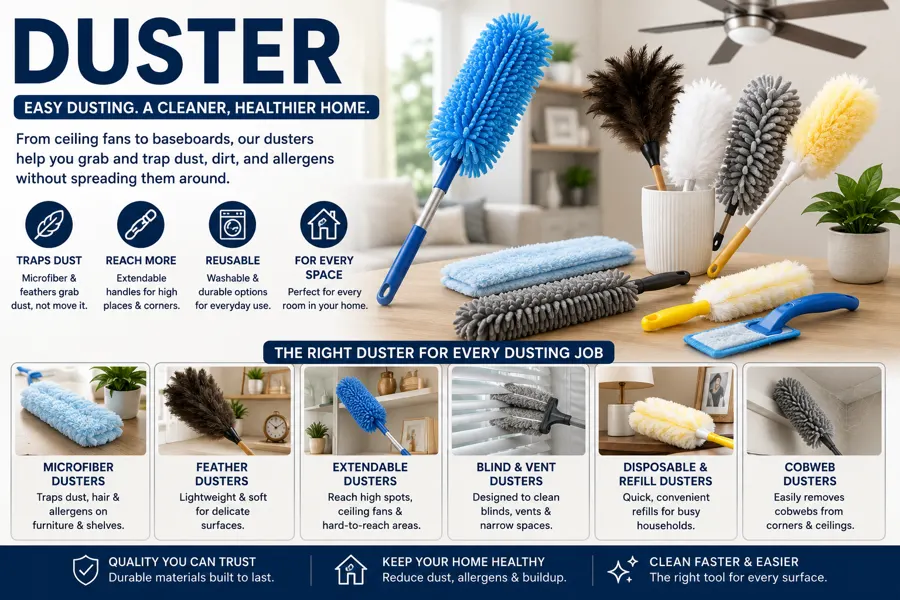
The Ultimate Product Review: Discover the Best Duster for Modern Homes and Workspaces
In today's fast-paced world, maintaining a clean and organized space is crucial for productivity, wellness, and peace of mind. Whether at home, in the office, or even in your car, dust and dirt can quickly accumulate and create an environment that feels less than optimal. When it comes to effective cleaning, many tools promise to help, but few live up to expectations. Enter the world of specialized dusters—a game-changer in the art of keeping your environment pristine. In this comprehensive product review, we explore everything you need to know about choosing the right Duster, analyzing its advantages, types, unique features, use cases, and expert tips to ensure you get the most from your purchase.
Introduction to Dusters: Why the Right Tool Matters
Keeping surfaces free of dust isn't just about appearances. Regular dusting helps promote wellness, support wellbeing, and maintain a more inviting environment. Accumulated dust can impact air quality, affect sensitive electronics, and even damage delicate surfaces over time. That's where a dedicated duster comes in—it is designed specifically for efficient, gentle, and thorough removal of dust from a variety of surfaces.
A professional-grade duster is engineered to pick up and trap dust particles, not just push them around. The best dusters are versatile, ergonomic, and durable, allowing you to clean a variety of spaces with minimal effort. Let's dive into what makes the right duster an essential addition to your cleaning arsenal.
Product Overview: What Is a Duster?
A Duster is a cleaning tool designed to capture and remove dust from surfaces, furniture, electronics, and hard-to-reach places. Unlike standard cloths or paper towels, dusters are typically made from soft fibers or specialized materials like microfiber, ostrich feathers, or synthetic filaments, which are highly effective at attracting and holding onto dust and allergens.
The right duster can help encourage healthy habits by making it easy and quick to dust frequently. Many modern dusters feature extendable handles, washable heads, and even electrostatic properties that help them trap fine particles and minimize the need for chemical cleaners.
The Evolution of Dusters: From Traditional to Modern Innovations
Dusters have come a long way since their humble beginnings. The classic feather duster is still beloved for its softness and reach, but innovations in materials technology have introduced dusters with advanced microfiber heads, reusable designs, and ergonomic, telescoping handles for ease of use.
- Feather Dusters: Classic and gentle, made from real ostrich or synthetic feathers. Great for delicate collectibles.
- Microfiber Dusters: High-tech, reusable, and highly efficient at trapping dust. Suitable for electronics and general surfaces.
- Electrostatic Dusters: Use static electricity to attract fine particles from every nook and cranny.
- Extendable Dusters: Feature telescopic handles, ideal for reaching ceiling fans, cobwebs, or light fixtures.
Key Features to Look For in a High-Quality Duster
Choosing the right duster requires a thoughtful look at features that align with your specific cleaning needs. Here are the most critical features to consider:
- Material Quality: Microfiber and feather dusters are top choices for their ability to trap dust and minimize dispersal.
- Reusable vs. Disposable: Reusable dusters offer sustainability and long-term savings, while disposables are convenient for quick, mess-free cleanup.
- Handle Ergonomics: Look for handles that are easy to grip, comfortable, and adjustable in length for hard-to-reach spaces.
- Washability: Heads that can be machine-washed or rinsed enable repeated use and maintain effective dust-trapping performance.
- Versatility: The best dusters can handle a variety of surfaces, from computer screens and shelves to intricate décor and car dashboards.
Selecting a duster with these attributes will help you contribute to a balanced lifestyle by streamlining your cleaning routine and ensuring superior results every time.
In-Depth Product Review: The Modern Microfiber Duster
Design & Build Quality
One of the standout dusters on the market today is the modern microfiber duster. Designed for uncompromising performance, it features densely packed microfiber strands that maximize surface contact, picking up dust and holding it effectively. The handle is constructed from lightweight, durable materials such as aluminum or toughened plastic, and often includes a soft, non-slip grip for comfortable use during extended cleaning sessions.
Performance and Efficiency
Nothing is more frustrating than a duster that simply redistributes dust, rather than trapping and removing it. With its advanced microfiber technology, this duster excels in attracting dust through static charge. It glides across surfaces without scratching or leaving residue, making it an excellent choice for glass, wood, electronics, and even plants.
In our field tests, the microfiber duster performed exceptionally well on:
- Shelving units crowded with books and décor—no need to move every item. The slender, flexible head navigates tight spaces and picks up dust efficiently.
- High surfaces such as ceiling fans and crown molding, thanks to its extendable handle and lightweight build.
- Car interiors, dashboard crevices, and air vents—places where dust loves to settle.
- Fragile items, including picture frames and lamp shades, where a gentle touch is essential.
- Electronics, especially TV screens and monitors, without risk of scratches.
With easy-to-remove heads, cleaning the microfiber duster itself is simple—just toss the head in the wash or rinse under running water for hassle-free maintenance.
Ease of Use & Ergonomics
A key measure of any cleaning tool’s quality is its user-friendliness. The reviewed duster offers a telescopic handle that extends to over five feet, allowing for efficient cleaning of both reachable and high surfaces. Its lightweight design reduces arm fatigue, and the handle’s ergonomic grip ensures slip-free use, even during fast-paced dusting sessions.
Durability & Maintenance
Microfiber dusters are built to last. With proper care, including regular washing and air drying, they maintain their dust-attracting properties for months or even years. The soft yet resilient microfiber strands do not break down or shed like traditional feather dusters, making them a cost-effective and eco-friendly choice.
Pros and Cons at a Glance
- Pros:
- Superior dust-trapping capabilities
- Eco-friendly and reusable design
- Easy to clean and maintain
- Gentle on all surfaces
- Lightweight and ergonomic
- Telescopic handle for hard-to-reach spots
- Cons:
- Requires washing after several uses for optimal performance
- Initial cost may be higher than disposable alternatives (but greater value in the long run)
- May not be suitable for extremely sticky or oily residues without a pre-clean
Comparing Popular Types of Dusters
Feather vs. Microfiber vs. Synthetic Dusters
| Type | Best For | Advantages | Considerations |
|---|---|---|---|
| Feather Duster | Delicate items, collectibles, light dust | Gentle; flexible; no static risk | Can shed; not machine-washable; less effective on thick dust |
| Microfiber Duster | All surfaces, electronics, vehicles | Traps dust; reusable; machine washable; versatile | Requires laundering; may lose effectiveness if fabric conditioner is used |
| Synthetic/Electrostatic Duster | High shelves, blinds, tight spaces | Attracts fine dust by static charge; lightweight; extendable | Less soft; may generate static near sensitive electronics |
How to Maximize Your Duster Performance: Expert Tips
Preparation and Technique
- Work from Top to Bottom: Start with ceilings, corners, and upper shelves, then work downward. This ensures no dust falls onto already-cleaned surfaces.
- Shake Out or Clean Regularly: In between washes, shake your duster outside to remove loose particles. This extends the life of the tool and ensures maximum dust pickup.
- For Electronics: Power down devices before cleaning, and use a dry microfiber duster to avoid static electricity or moisture damage.
- Use Gentle, Sweeping Motions: Let the duster glide over surfaces. Avoid pressing too hard, which can scatter dust or damage delicate items.
- Extend the Reach: For chandeliers, ceiling fans, or high vents, use an extendable duster to maintain safety and avoid climbing precarious ladders.
Proper Maintenance for Longevity
- Washing: Most microfiber dusters are machine washable. Use gentle detergent and avoid fabric softeners, which can coat the fibers and reduce effectiveness.
- Drying: Air-dry microfiber heads to preserve fiber structure. High heat can degrade the material over time.
- Storage: Store your duster in a dry, clean place—hang it by its handle or in a cleaning caddy to keep it ready for action.
What to Verify Before Buying
Materials, accessories, formulas, and compatible surfaces discussed in Duster Review: Types, Materials, Reach, and Use Cases can vary by exact item. Confirm the current manufacturer label and destination listing, follow use-and-care directions, and patch-test where surface compatibility is uncertain.
Why Investing in a Quality Duster Supports Wellbeing
A clean and dust-free environment not only looks better but also supports wellbeing by promoting fresher air, reducing irritants, and contributing to mental clarity. Incorporating dusting into your routine can encourage healthy habits for the entire family or workspace. Choosing the right duster means less time cleaning and more time enjoying your comfortable, balanced lifestyle.
Unlike harsh chemical sprays or wasteful disposable wipes, a premium duster is a more sustainable choice. It reduces both your environmental impact and your cleaning budget, making it an eco-conscious investment for the future.
Common Mistakes to Avoid When Choosing and Using a Duster
- Overlooking Material Quality: Low-quality dusters may shed fibers, fall apart, or fail to trap dust effectively.
- Neglecting Washability: Not all dusters are washable. Always check that your chosen duster can be cleaned and reused for longevity.
- Using the Wrong Duster for the Task: Feather dusters for hard, sticky messes, or microfiber for greasy surfaces, can lead to disappointing results.
- Not Cleaning the Duster Itself: Dirty dusters not only stop working well, but they can also spread dust back onto surfaces.
- Skipping Regular Dusting Schedules: Make dusting a regular habit for maximum environmental and wellness benefits.
Who Should Use a Professional-Grade Duster?
The versatility and value of a high-quality duster make it suitable for virtually anyone:
- Homeowners seeking to keep living spaces clean and inviting
- Pet owners managing fur and dander around furniture and electronics
- Allergy sufferers aiming to reduce airborne particles and maintain comfort
- Office workers for maintaining tidy, productive workspaces
- Automotive enthusiasts for interior detailing and maintenance
- Cleaners and facility managers in hospitality, healthcare, and retail environments
Regardless of your environment, investing in the right duster will make a noticeable difference in your daily cleaning tasks.
Frequently Asked Questions (FAQs)
- How often should I use my duster?
- It depends on your environment, but most experts recommend dusting high-traffic or frequently used areas at least once per week. Adjust your schedule to suit your needs and lifestyle.
- Is it safe to use microfiber dusters on electronics like TVs and laptops?
- Yes, most microfiber dusters are specifically designed for gentle, non-scratching dust removal, making them perfect for screens and sensitive electronics.
- How do I clean my duster?
- Follow the manufacturer’s instructions. Generally, microfiber duster heads can be machine-washed in cold water. Avoid fabric softeners, which can coat the fibers. Feather dusters can be shaken out and occasionally washed with mild soap and water, if specified.
- Can a duster replace vacuuming?
- No, dusting and vacuuming serve different purposes. Use a duster for surfaces, electronics, and hard-to-reach spots. Vacuum for floors, upholstery, and deep cleaning. Combining both in your routine yields the best outcomes.
Conclusion: Elevate Your Cleaning Routine with the Best Duster
A clean, dust-free environment does wonders for your comfort, productivity, and overall wellbeing. While many tools exist to help maintain indoor spaces, few offer the efficiency, versatility, and value of a professional-grade Duster. With advanced microfiber technology, ergonomic design, and sustainable, reusable construction, today's premium dusters stand out as the preferred choice for homes, offices, and vehicles everywhere.
Embrace a smarter, healthier cleaning routine by incorporating a high-quality duster into your toolkit. Experience the difference for yourself—enjoy cleaner air, sparkling surfaces, and a more inviting environment every day. If you’re ready to make the switch or upgrade your current cleaning tools, explore our top-rated Duster collection today. Invest in a tool that helps support your wellbeing, encourages healthy habits, and contributes to a balanced lifestyle for years to come.
Ready to transform your cleaning routine? Visit our store to browse our curated selection or contact our team for personalized recommendations on finding the perfect duster for your needs.