Cleaning Supplies vs Home Cleaning Tools: Which Is Best for You?
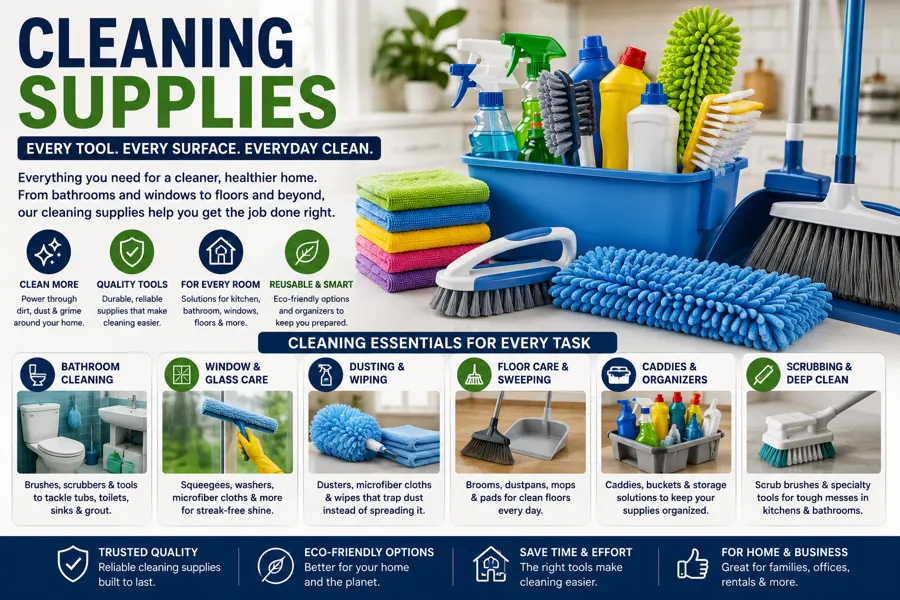
Cleaning Supplies vs. Home Cleaning Tools: A Comprehensive Comparison for Every Household
Keeping a home spotless is a continuous endeavor that requires not only diligence but also the right products. With a vast range of options available, it can be daunting to decide what works best for your household. Among the essentials, two categories often come into focus: Cleaning Supplies and Home Cleaning Tools. But what are their strengths, how do they differ, and when should each be used? In this detailed comparison, we will examine both sides, highlighting their features, advantages, limitations, and how combining them may lead to the ultimate cleaning routine.
Understanding the Basics: Definitions and Categories
What Are Cleaning Supplies?
Cleaning Supplies refer to consumable products and chemical solutions specifically formulated for cleaning tasks. These include multi-purpose cleaners, disinfectants, glass cleaners, soaps, polishes, bleaches, and specialty solutions such as limescale removers or stainless-steel polishes. Cleaning Supplies also encompass disposable items like sponges, wipes, paper towels, and garbage bags that play a pivotal role in sanitation and maintenance.
What Are Home Cleaning Tools?
Home Cleaning Tools, by contrast, are durable, often non-consumable implements that aid in cleaning, scrubbing, dusting, washing, or vacuuming surfaces. Classic examples encompass brooms, mops, dusters, brushes, vacuum cleaners, microfiber cloths, floor scrubbers, squeegees, and more specialized gadgets like steam cleaners and robotic vacuums. Their primary role is to physically remove dirt and debris or to support the effective application of Cleaning Supplies.
Comparing Functions: What Do They Really Do?
Cleaning Supplies: The Chemistry of Cleanliness
Cleaning Supplies leverage the power of chemistry to break down dirt, neutralize germs, and dissolve grease and stains. They complement physical cleaning by:
- Disinfecting: Eliminating bacteria and viruses from surfaces
- Dissolving grime: Breaking down oils, hard water deposits, mineral build-up
- Neutralizing odors: Addressing underlying causes of unpleasant smells rather than masking them
- Maintaining surfaces: Protecting finishes with polishes and restorative agents
A significant advantage of Cleaning Supplies is their versatility; specialty formulas are available for glass, wood, tiles, carpets, electronics, and more, ensuring safer and more effective results.
Home Cleaning Tools: The Mechanics of Maintenance
Home Cleaning Tools bring efficiency and consistency to your routine. Unlike disposable consumables, they are designed for repeat use and engineered to:
- Lift and remove particles: Brushes, dusters, vacuums physically pick up debris
- Provide reach and leverage: Extend cleaning to hard-to-reach corners (e.g., telescoping dusters)
- Maximize cleaning power: Mop and sponge heads are engineered for maximum contact and absorption
- Reduce waste: Many modern tools use washable components, reducing environmental impact
Recent innovations—from moisture-regulating microfiber to self-wringing mops and advanced HEPA vacuums—mean Home Cleaning Tools are increasingly high-tech, time-saving, and user-friendly.
Key Strengths: What Sets Each Apart?
Cleaning Supplies: When and Why to Choose
- Sanitization: Only chemical solutions can effectively sanitize or disinfect most household surfaces.
- Specialized Needs: Stubborn stains, molds, or mineral build-up often require tailored products.
- Convenience: Products like wipes are handy for quick, on-the-go cleaning.
- Fragrance and Finish: Some Cleaning Supplies leave a polished look and pleasing scent.
Cleaning Supplies are irreplaceable in situations where health, hygiene, and a polished appearance are paramount, such as in kitchens, bathrooms, and homes with children or pets.
Home Cleaning Tools: Unique Advantages
- Durability: Most tools can be used repeatedly, making them economical in the long run.
- Eco-friendliness: Tools like microfiber cloths reduce the need for paper towels and disposable wipes.
- Efficiency: Powerful tools can dramatically cut time and effort (e.g., robotic vacuum, powered scrubber).
- Surface Compatibility: Tools are generally safe for a variety of surfaces if used correctly.
Home Cleaning Tools are indispensable for regular weekly or daily cleaning. For those looking to minimize environmental impact and cost, investing in high-quality tools is a smart choice.
Direct Comparison: Head-to-Head Scenarios
Kitchen Cleanup: Which Option Works Best?
Kitchens are battlegrounds for spills, splatters, and crumbs. Here, combining both Cleaning Supplies and Home Cleaning Tools ensures optimal results.
- Surface Cleaning: Microfiber cloths or sponges used with an appropriate multi-surface spray remove grease and disinfect countertops.
- Floor Cleaning: A swept floor (tool) followed by a mop with floor cleaner (supply) delivers deep clean.
- Appliance Maintenance: Stainless steel cleaners tackle fingerprints (supply) with the buffing aid of a soft cloth (tool).
Bathroom Battle: Fighting Grime and Germs
Bathrooms require stringent hygiene standards. Effective routines include:
- Tile and Grout: Scrub brushes (tool) paired with mold or soap scum removers (supply) eliminate build-up.
- Toilets and Sinks: Disinfectant sprays or gels (supply) delivered with specialized brushes (tool) ensure a hygienic finish.
Living Spaces: Day-to-Day Dust and Dirt
In living rooms and bedrooms, cleaning is all about regular upkeep:
- Dusting: Use extendable dusters (tool) on shelves and surfaces, minimizing reliance on single-use supplies.
- Vacuuming: Reliability and power of high-quality vacuums (tool) compliment spot-cleaning with specialty sprays for stains (supply).
Outdoor and Tough Jobs
- Patios and Garages: Push brooms (tool) clear debris, while degreasers (supply) handle oil stains.
- Windows: Glass sprays (supply) work best with squeegees (tool) for streak-free results.
Cost Comparison: Initial Investment vs. Ongoing Expenses
Cleaning Supplies: Regular Replacement
Investing in Cleaning Supplies incurs ongoing costs as they are used up and replaced. This is especially true for specialty cleaners and disposable products such as wipes, paper towels, and sponges. The cumulative expense over time is a key consideration, particularly for larger households or high-traffic areas.
Home Cleaning Tools: Upfront Cost but Long-Term Savings
Tools often require a greater initial outlay, especially for advanced vacuums or steam cleaners. However, their cost per use is lower, and high-quality implements can last years. Reusable mop pads and microfiber cloths dramatically reduce the need for single-use products, making Home Cleaning Tools a more sustainable, budget-friendly option over time.
Sustainability and Environmental Impact
Eco-Friendly Cleaning Supplies: The Green Revolution
Conscious consumers are increasingly opting for plant-based, biodegradable Cleaning Supplies with recyclable or minimal packaging. Such products aim to reduce water pollution, minimize use of hazardous chemicals, and promote healthier homes. Choosing concentrates and refills further cuts waste.
Reusability and Reduced Waste: The Tool Advantage
Home Cleaning Tools, especially those made from durable or recycled materials, inherently generate less waste. Swapping paper towels for microfiber, or investing in a mop with washable pads, drastically cuts household landfill contributions. Selecting tools with replaceable parts also extends product lifespan.
Hybrid Solutions: The Best of Both Worlds
Combining eco-friendly Cleaning Supplies with reusable Home Cleaning Tools ensures both planet-friendly practices and maximum effectiveness. This blended approach helps maintain cleanliness while honoring environmental stewardship.
Innovation and Technology: Modern Advancements
Smart Home Cleaning Tools
Recent technological advances have transformed simple implements into high-performance tools. Cordless vacuums, robotic sweepers, and steam mops combine sensors, app integration, and energy-saving features to automate and perfect household chores. Adjustable handles, ergonomic designs, and antimicrobial materials also make modern tools safer and easier to use.
Green Chemistry and Formula Innovation in Cleaning Supplies
Cleaning Supplies manufacturers are leveraging green chemistry to develop safer, allergen-friendly, and more effective products. Innovations include enzyme-based cleaners, probiotic sprays, and label-verified degreasers that maintain efficacy while respecting personal and environmental safety.
Safety Considerations: Protecting Your Household
Cleaning Supplies: Read Labels and Take Precautions
It is vital to use Cleaning Supplies as directed. Many products contain chemicals that should be kept out of reach of children, used in well-ventilated areas, and not mixed with other agents. Eco-certification and clear labeling help consumers make safer choices.
Home Cleaning Tools: Ergonomics and Maintenance
Regularly clean and sanitize Home Cleaning Tools to prevent cross-contamination. Choose designs that prevent repetitive strain injuries, and replace worn parts (like mop heads or vacuum filters) as needed to maintain effectiveness and hygiene.
User Experience and Practicality
Pros and Cons of Cleaning Supplies
- Pros: Potent, targeted solutions; rapid sanitization; pleasant scents and finishes; wide variety of formulations for every need.
- Cons: Ongoing purchase required; chemical exposure risks; environmental impact if not chosen wisely.
Pros and Cons of Home Cleaning Tools
- Pros: Economical; reusable; environmentally friendly; increasingly innovative and efficient.
- Cons: Upfront cost; require proper cleaning and storage; may need effort to operate (unless automatic).
Building the Ideal Cleaning Arsenal: Combining Strengths
A versatile cleaning routine typically incorporates both Cleaning Supplies and Home Cleaning Tools. This synergy delivers the highest standards of cleanliness, hygiene, and efficiency. Here’s how to create a robust home cleaning system:
- Start with a durable, ergonomic toolkit (vacuums, mops, microfiber cloths, brushes).
- Complement tools with wisely chosen, eco-conscious Cleaning Supplies that match your surface and sanitization requirements.
- Adopt a maintenance routine for tools; launder cloths and mop heads, de-clog gadgets, and replace parts regularly.
- Rotate cleaning products and tools for specific seasonal or deep-cleaning tasks.
- Store both supplies and tools safely and accessibly to promote routine use.
This balanced strategy optimizes time, saves money, and supports wellness in your living environment.
Expert Recommendations: Choosing the Right Products for You
- Assess Your Needs: Consider household size, allergies, pets, floor types, and cleaning frequency.
- Invest in Quality: Superior Home Cleaning Tools yield better results and last longer.
- Prioritize Health and Sustainability: Opt for low-toxicity Cleaning Supplies; avoid unnecessary disposables.
- Experiment and Adapt: Test different brands and formats to find what you like best.
- Stay Informed: Review labels, keep up with trends, and follow safety guidelines.
Conclusion: Which Is Better – Cleaning Supplies or Home Cleaning Tools?
In the debate between Cleaning Supplies and Home Cleaning Tools, the solution is rarely either/or. Each brings indispensable strengths: Cleaning Supplies deliver the targeted action and sanitization necessary for health, while Home Cleaning Tools ensure efficiency, environmental consciousness, and cost savings.
By understanding the role of each category—and making smart, sustainable choices—you can design a home cleaning routine that is effective, affordable, and supportive of a balanced lifestyle. Remember, the right blend not only preserves your living space but also creates a more harmonious home environment.
Ready to elevate your cleaning routine? Explore our full range of Cleaning Supplies and Home Cleaning Tools in our online store today—find what fits your household and join the next generation of clean, comfortable living.
Have questions or need tailored advice? Contact our expert team or leave a comment below—your cleaner, healthier, and happier home starts now!