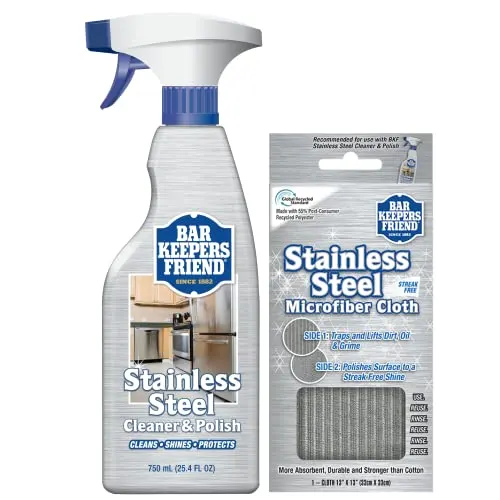
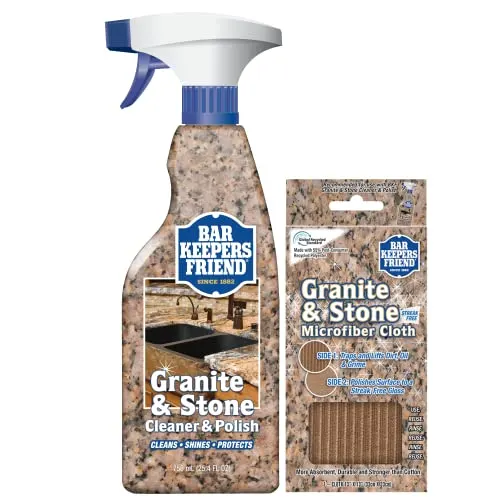
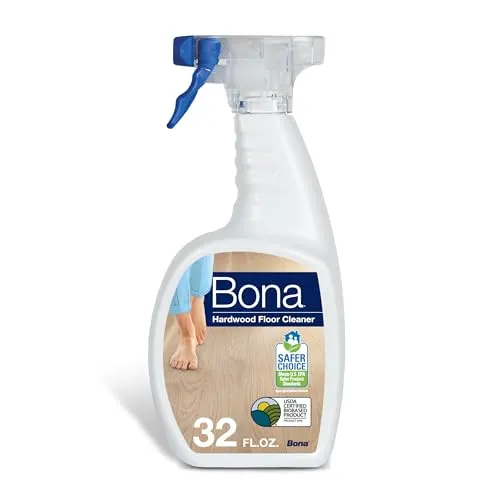
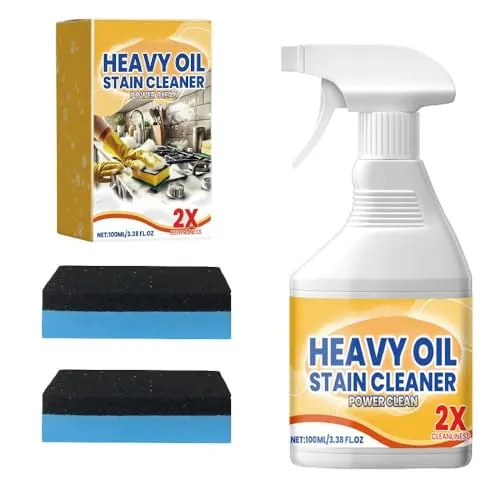
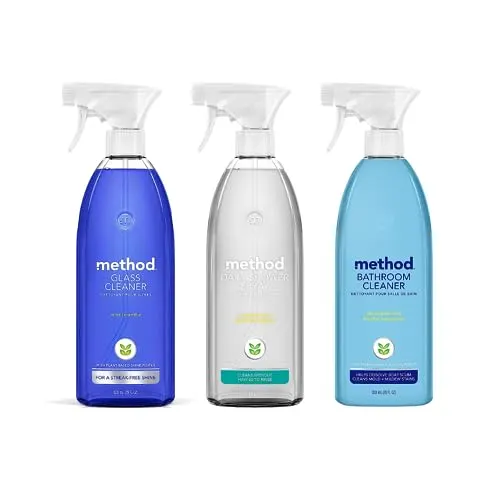
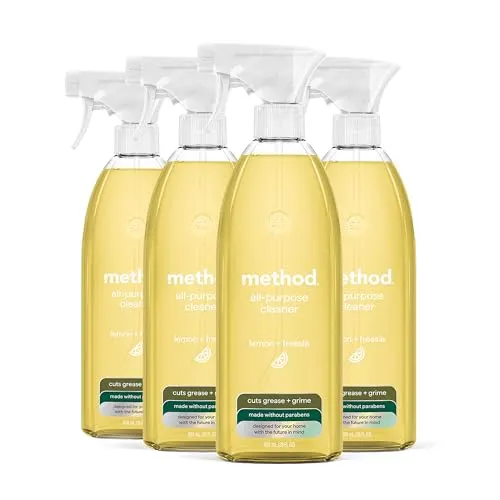
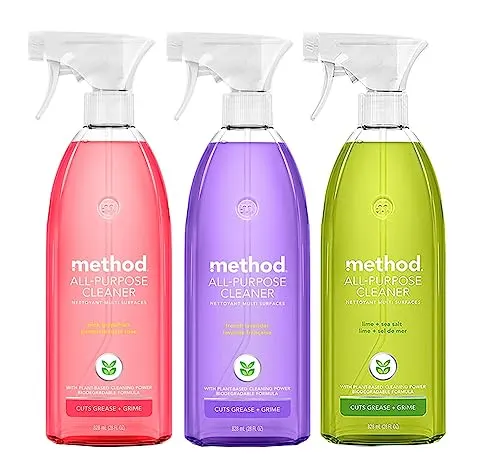
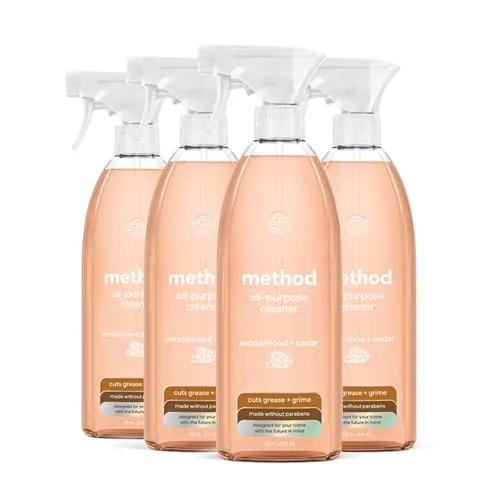
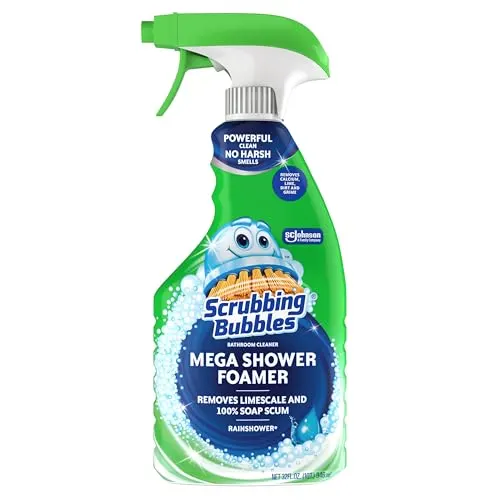
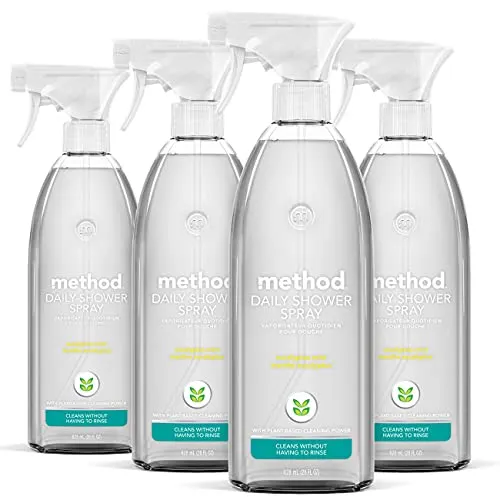
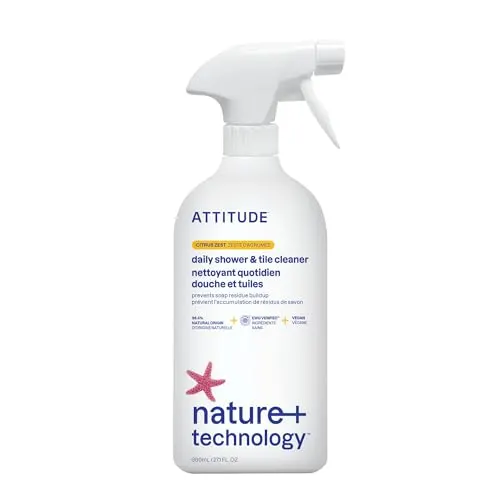
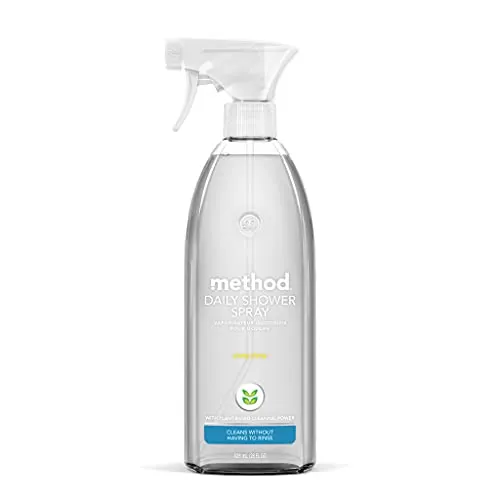
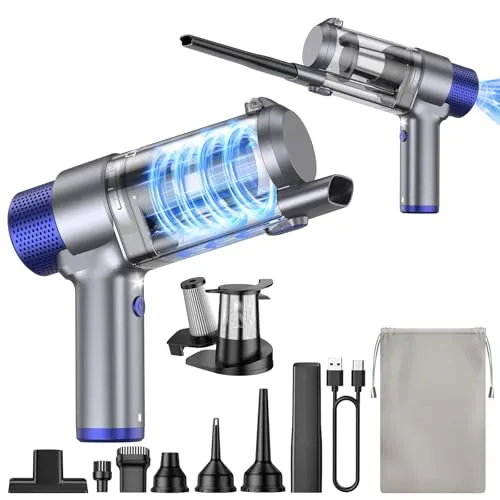
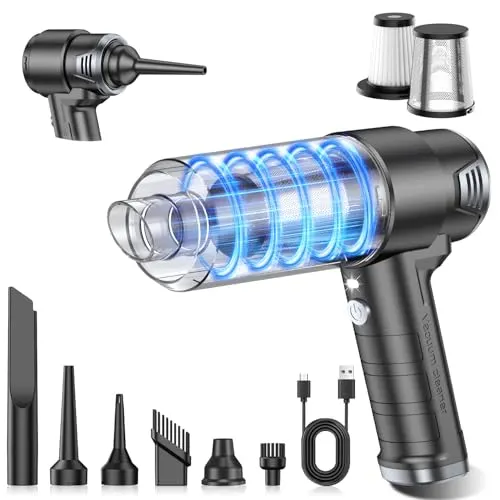
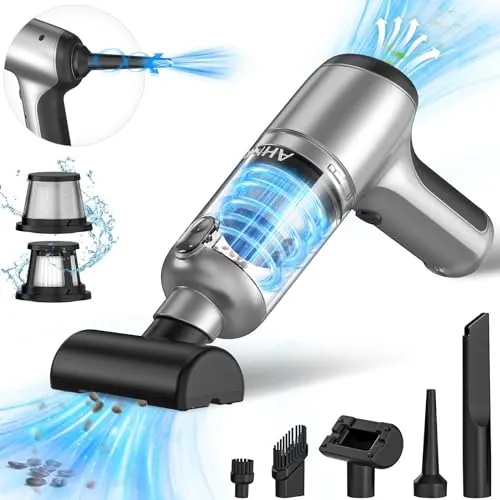
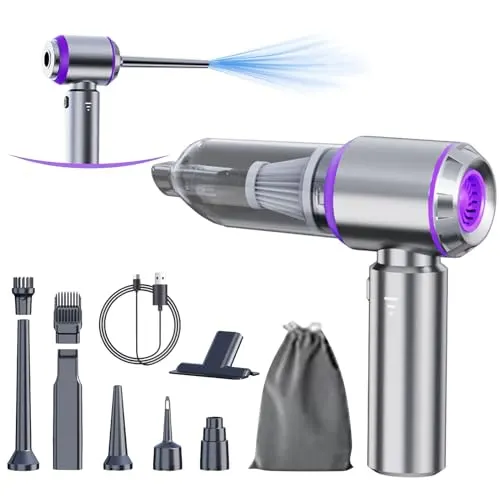
Cleaning Supplies
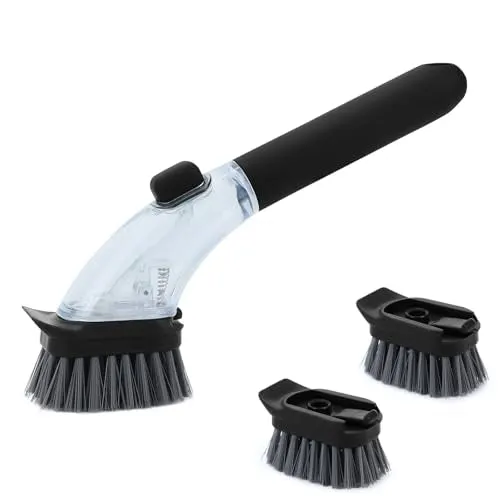
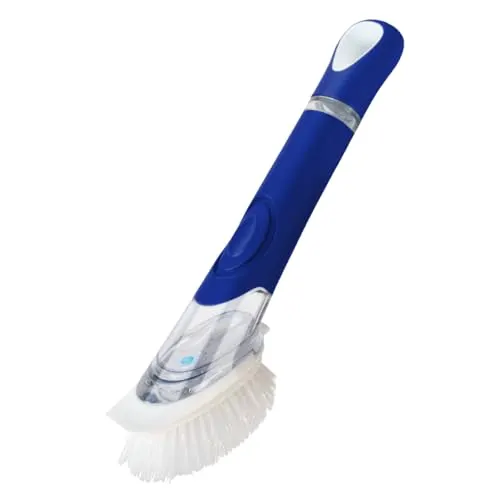
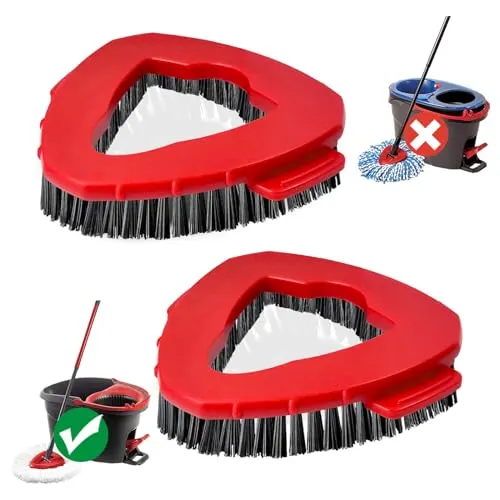
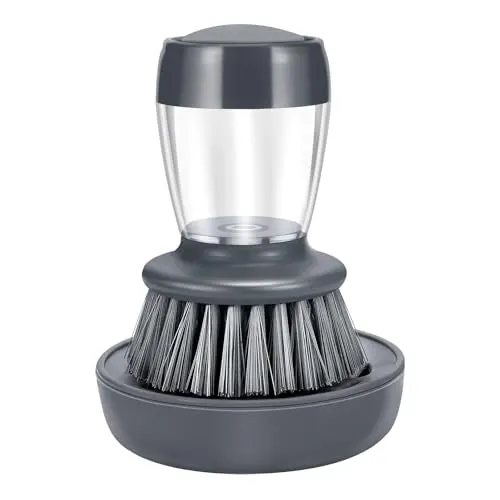
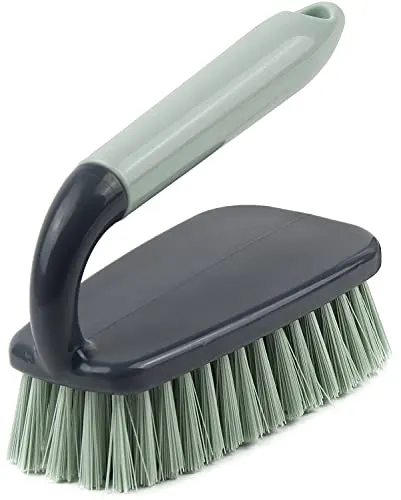
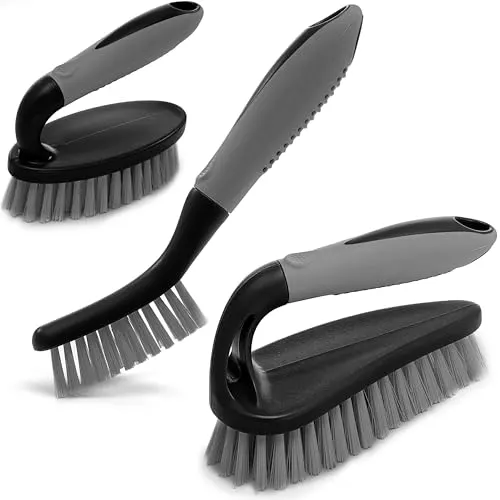
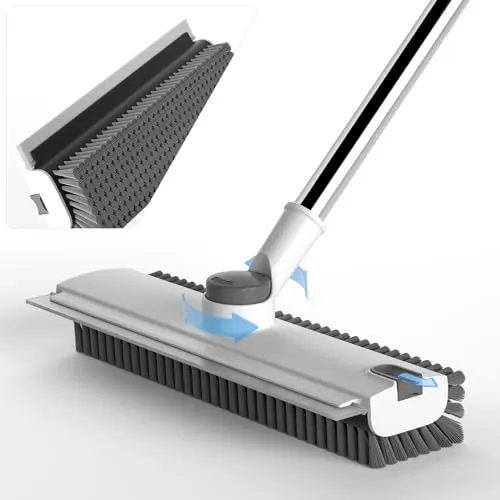
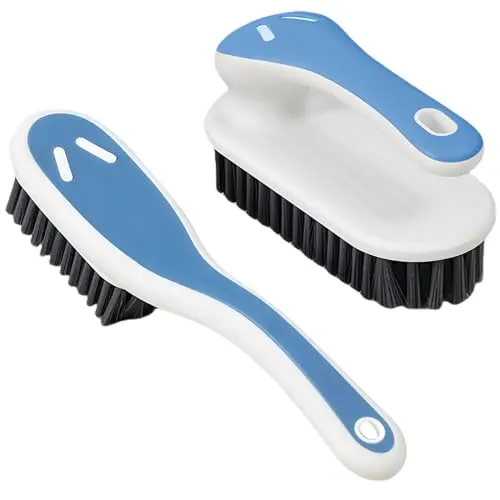
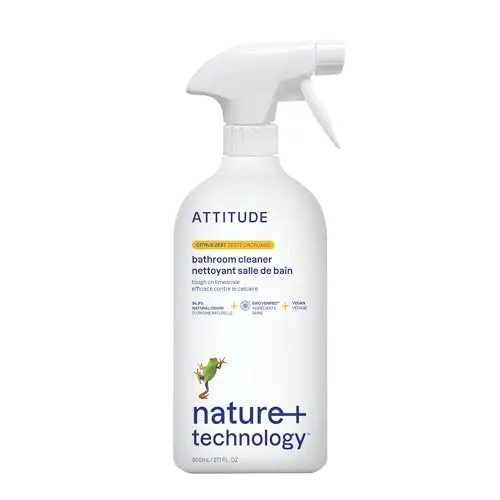
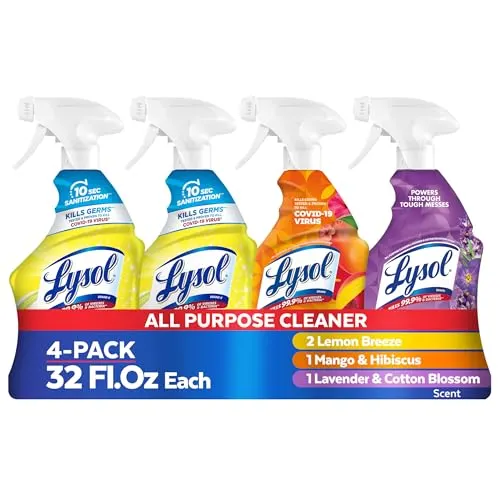
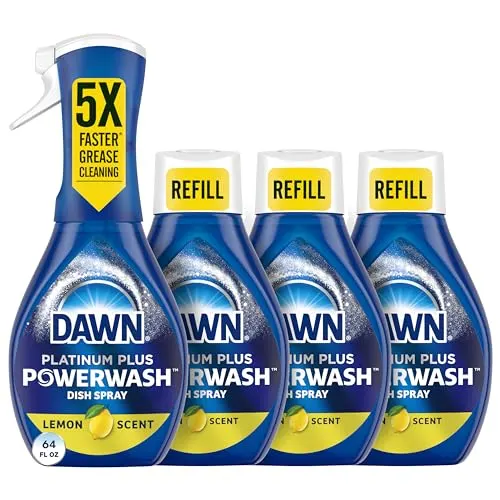
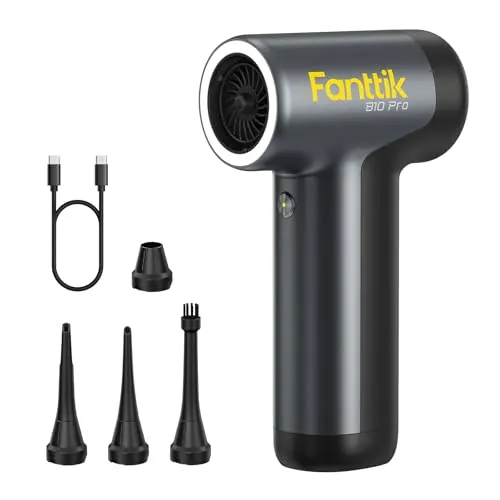
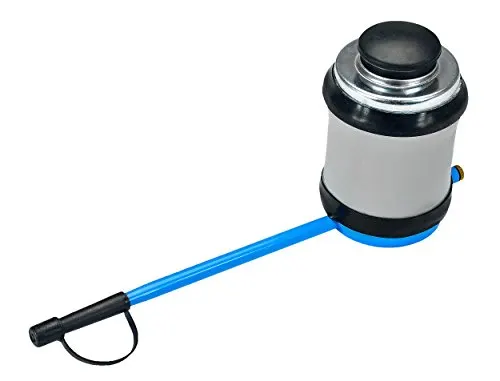
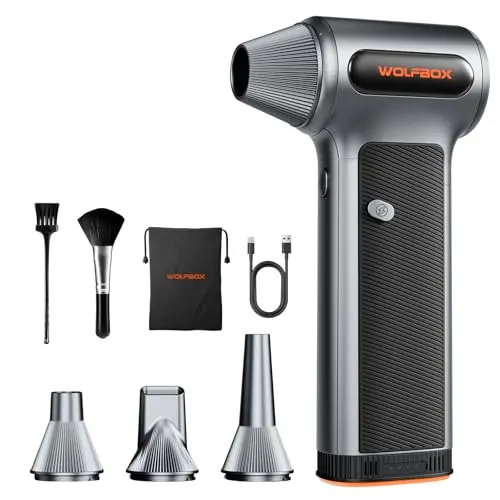
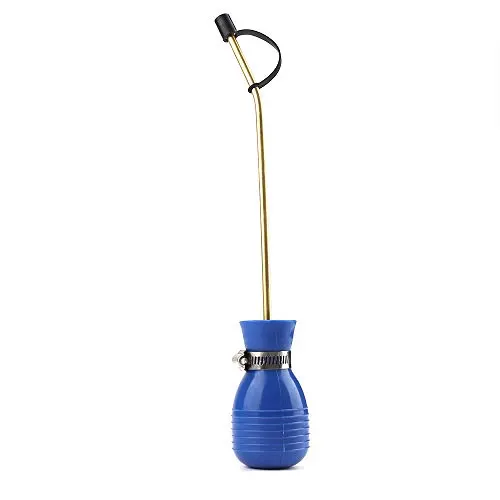
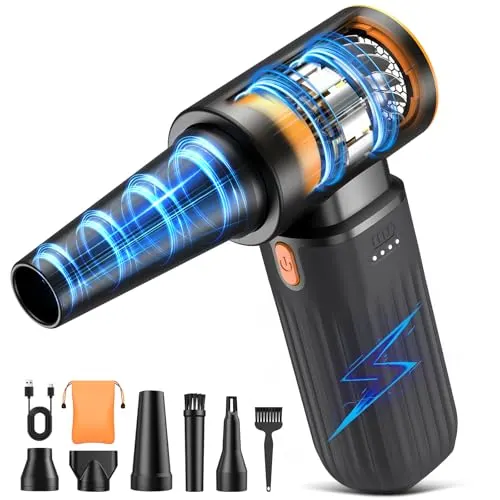
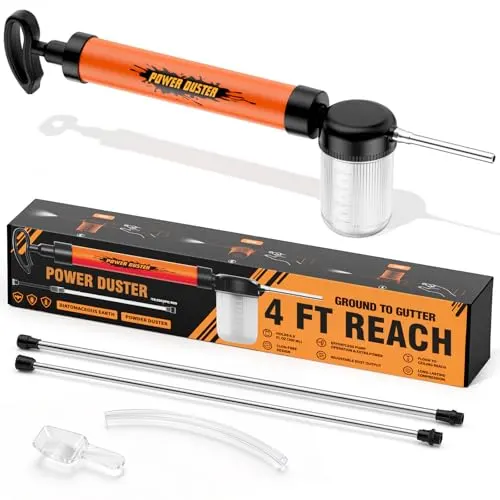
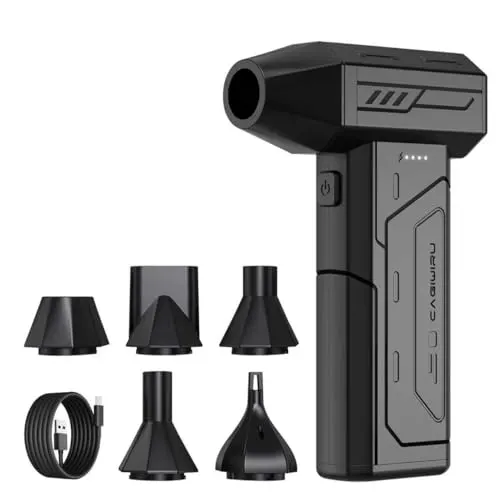
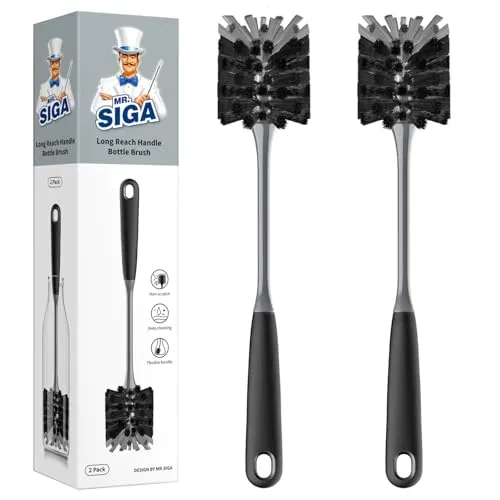
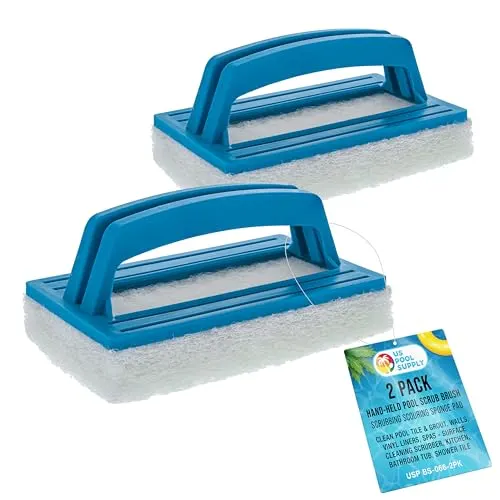
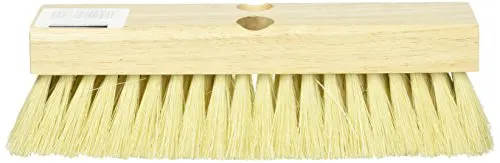
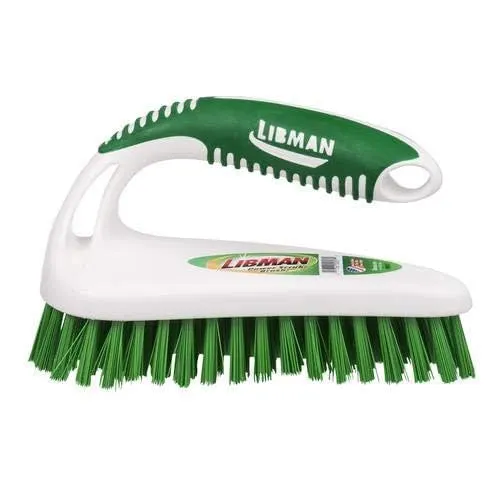
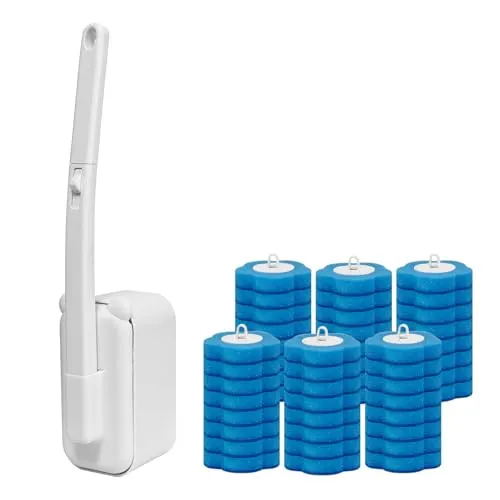
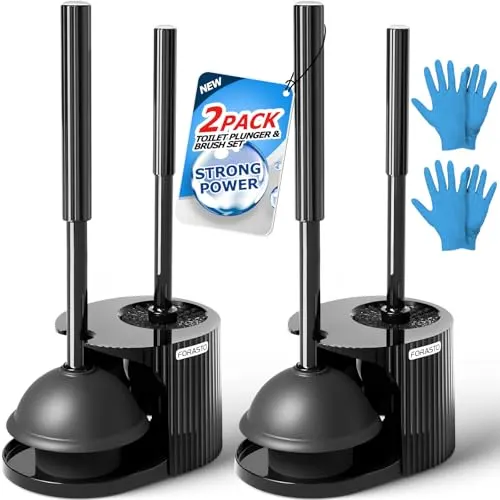
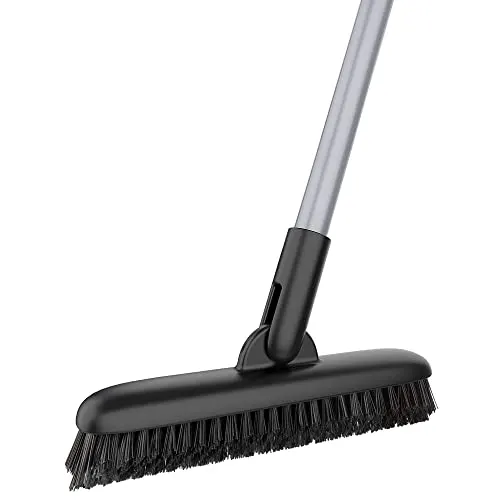
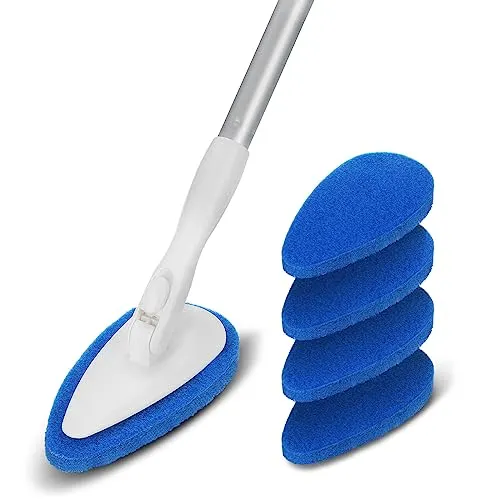
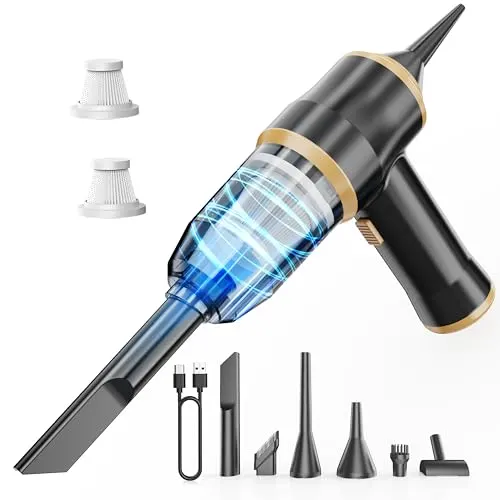
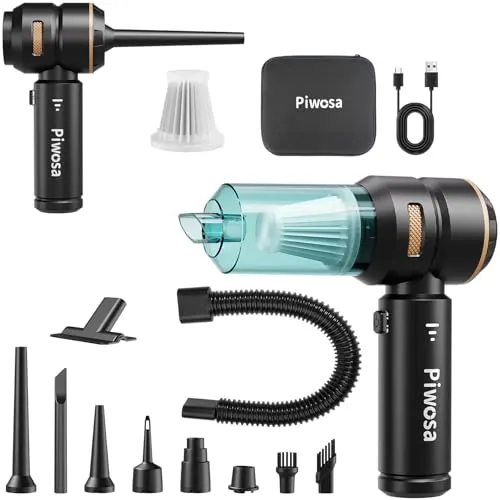
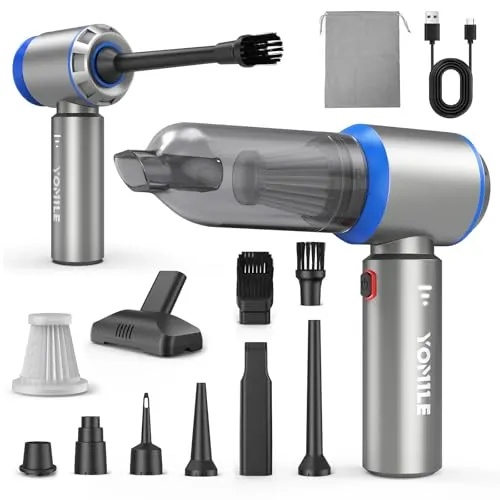
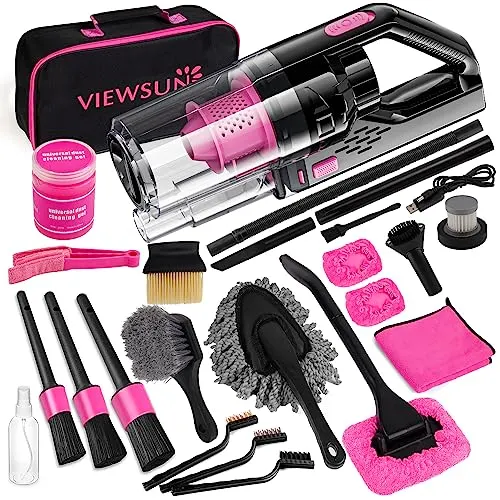
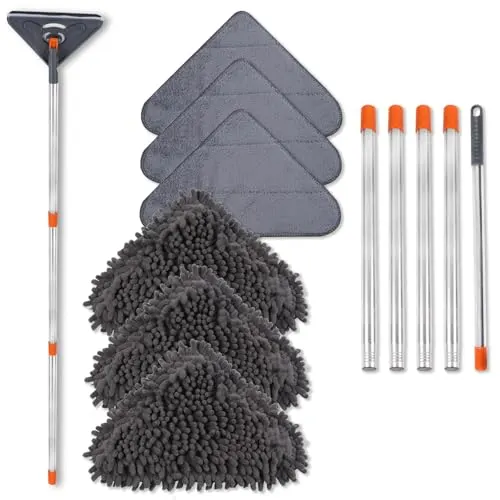
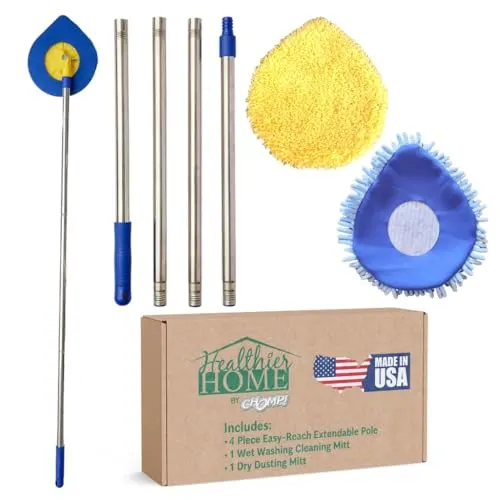
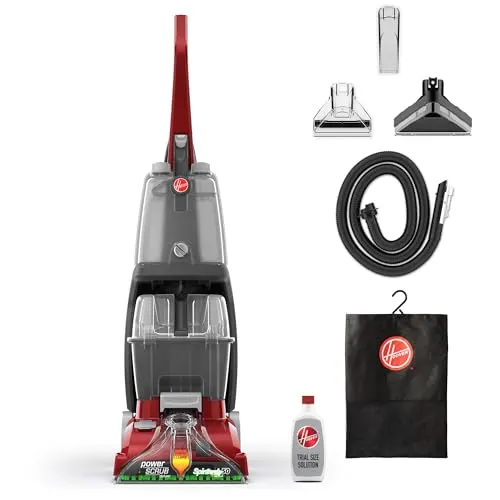
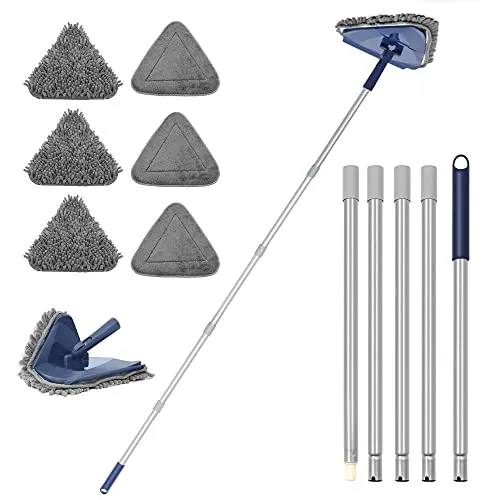
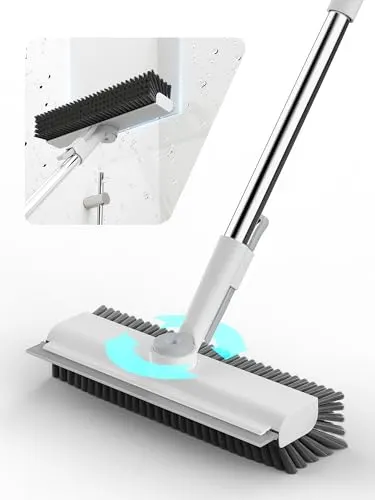
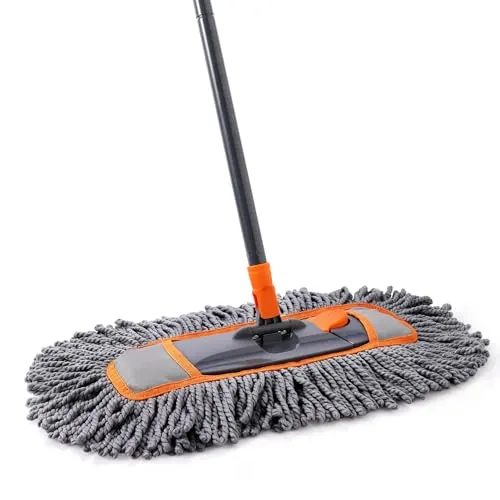
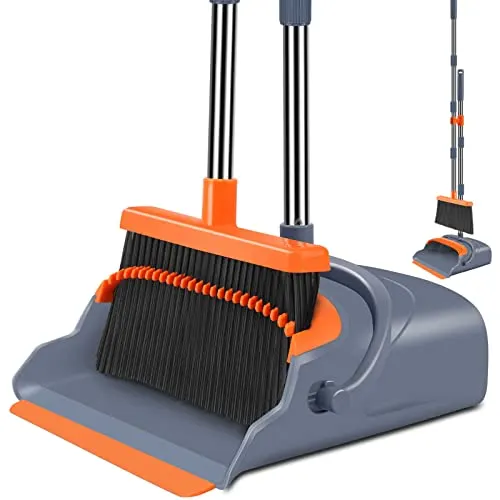
Explore cleaning supplies for bathrooms, windows, kitchens, dusting, scrubbing, floors, caddies, microfiber cloths, brooms, dustpans, and home cleaning. Compare the products below by design, features, cleaning use, surface compatibility, and fit for your routine, then continue to the full catalog review for detailed guidance and related cleaning collections.
Cleaning Supplies for Every Room and Routine
A useful cleaning setup is not the biggest one. It is a small, organized group of tools and formulas matched to the surfaces and messes in your home. Start with the jobs you repeat every week, then add specialized supplies only when a room or material calls for them. That approach makes it easier to choose among the 887 products in this catalog without filling a cabinet with duplicates.
Use this guide to compare everyday wiping, dusting, scrubbing, sweeping, mopping, glass care, and portable storage. For a broader look at equipment, visit Home Cleaning Tools; for a practical starter list, read Essential Cleaning Tools Every Home Should Have.
Shop Cleaning Supplies by Task
Wipe and refresh
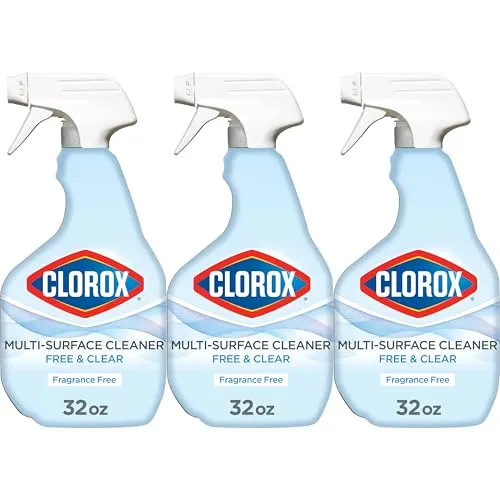
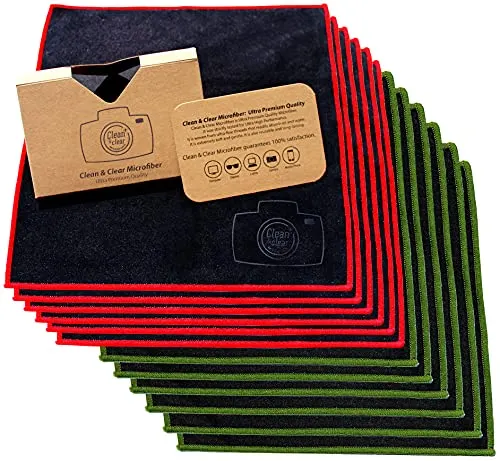
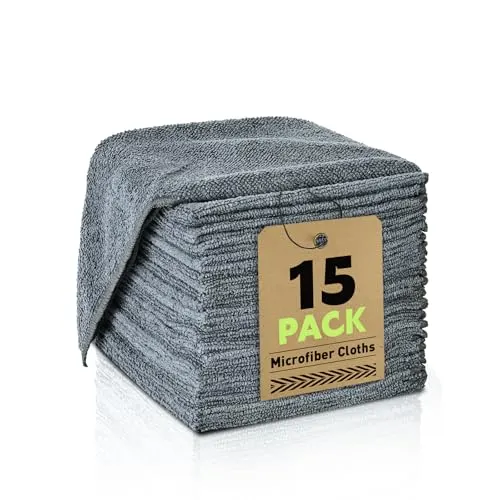
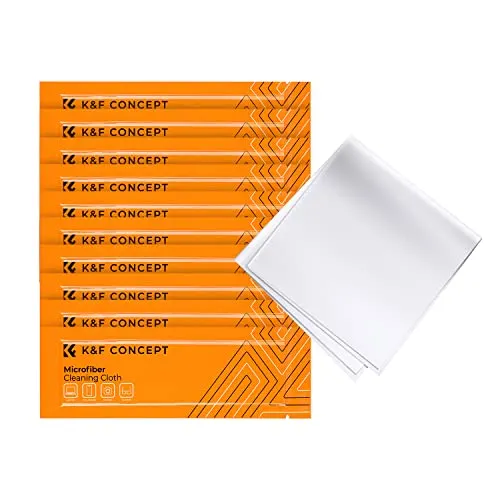
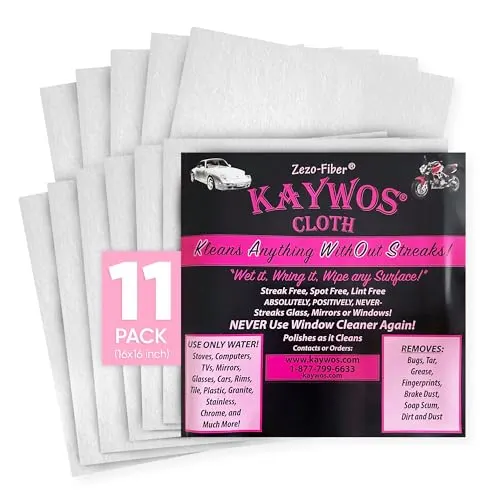
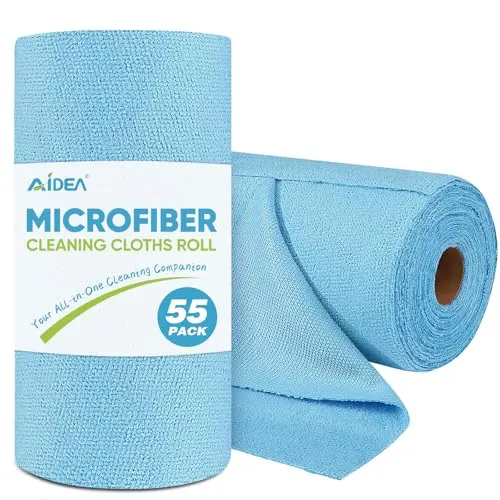
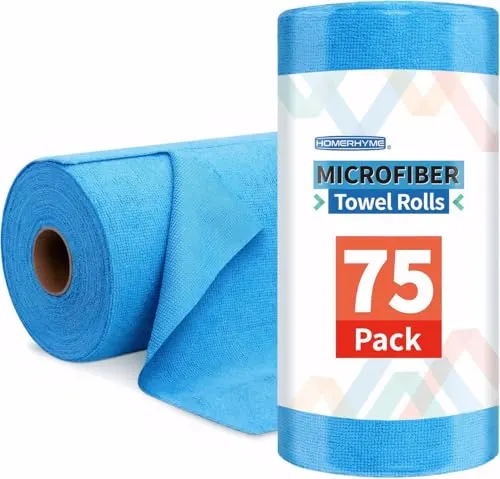
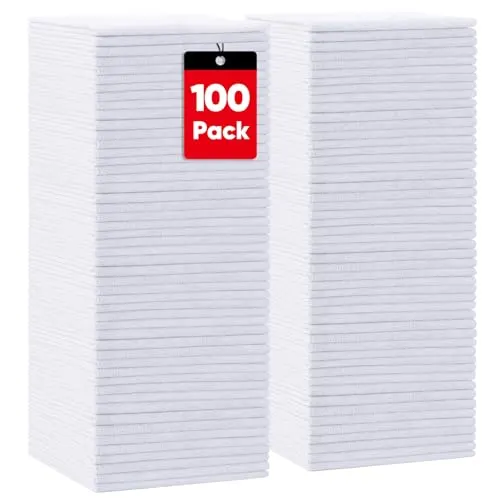
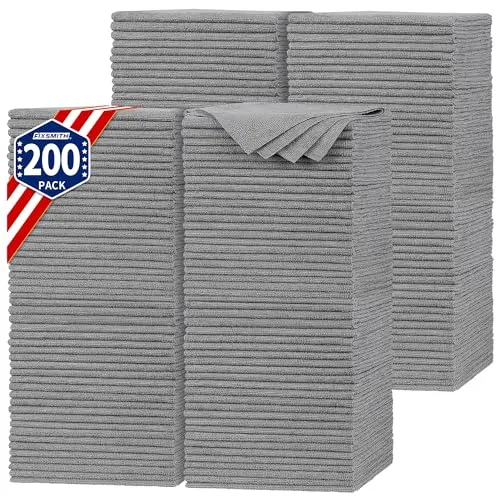
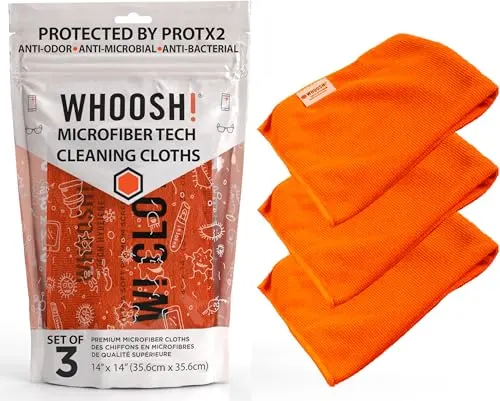
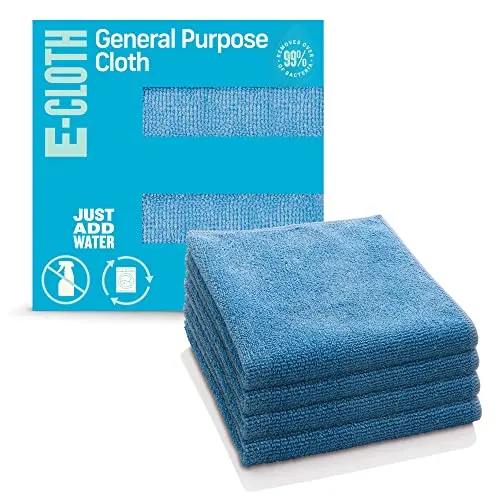
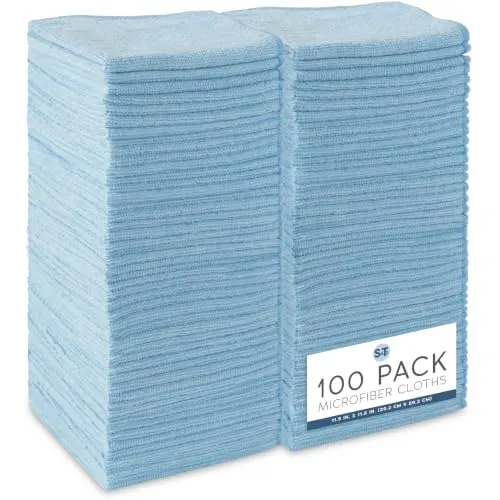
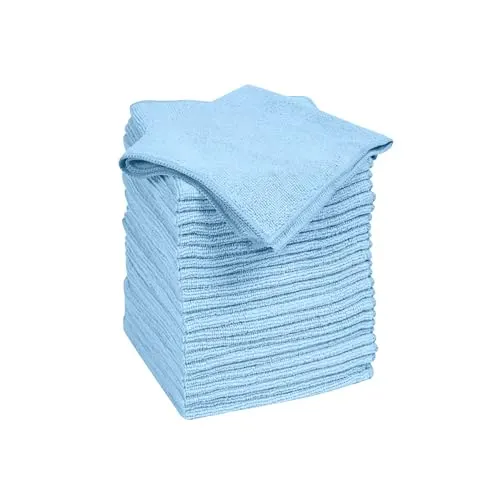
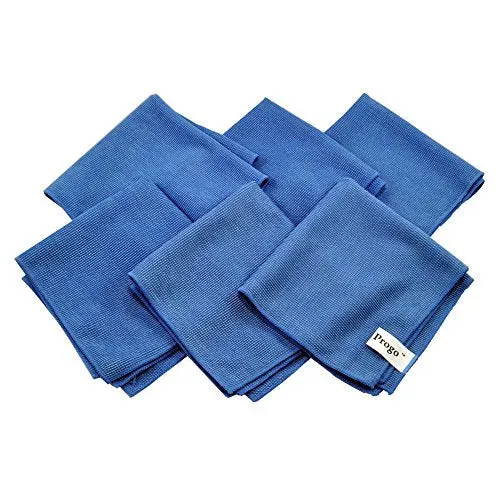
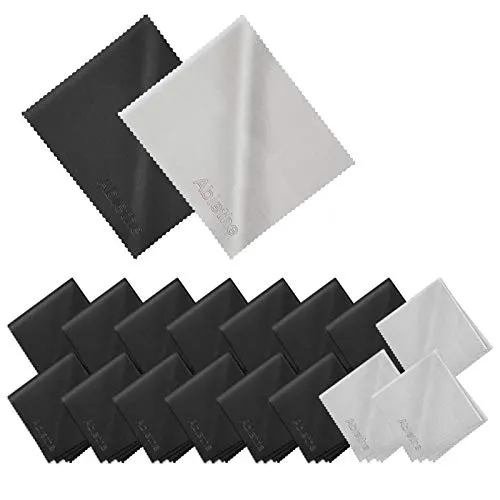
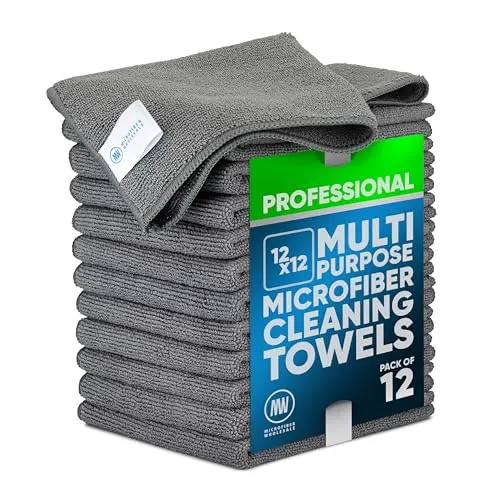
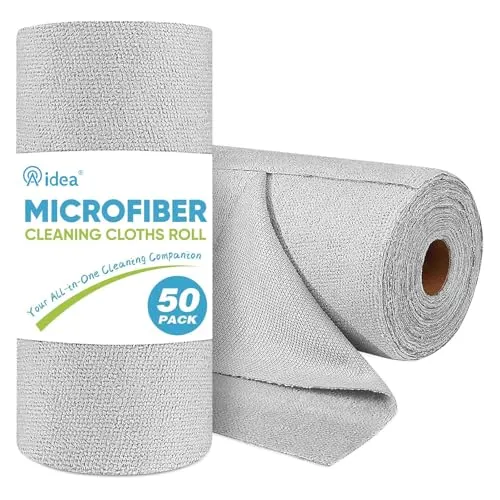
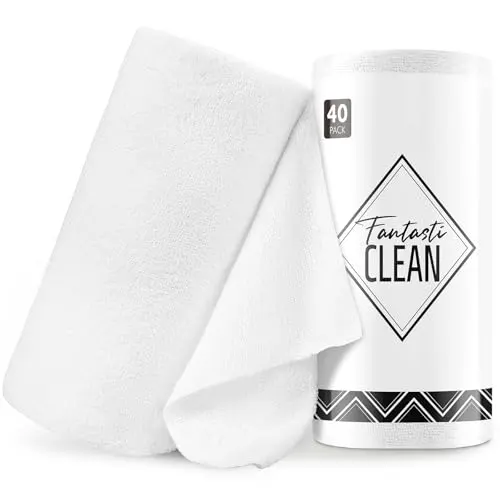
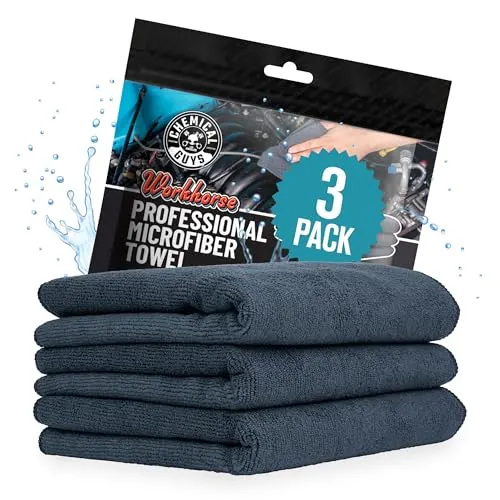
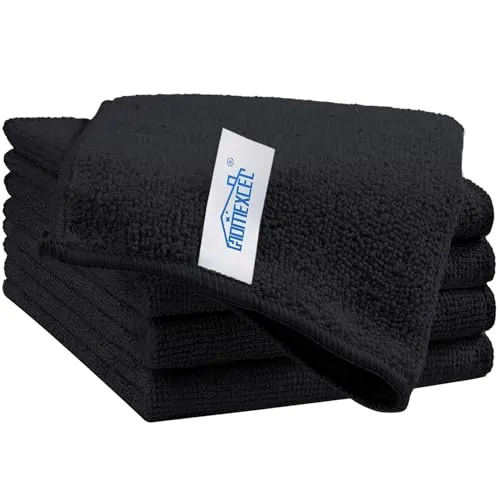
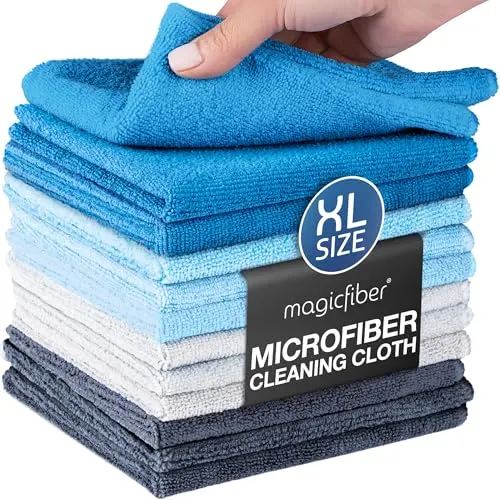
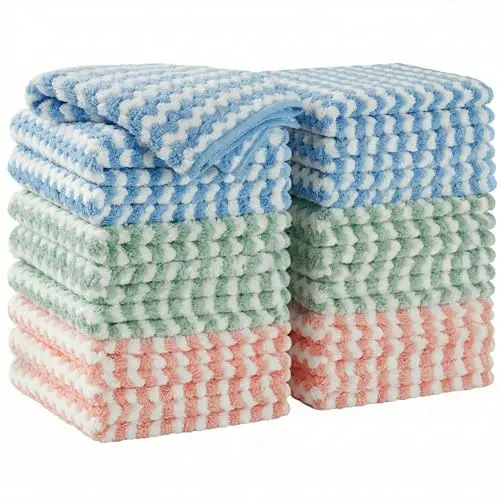
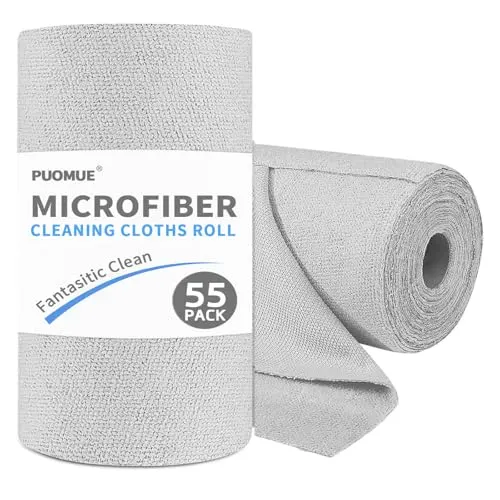
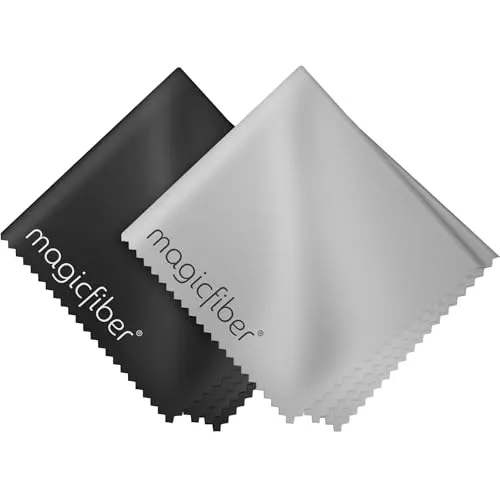
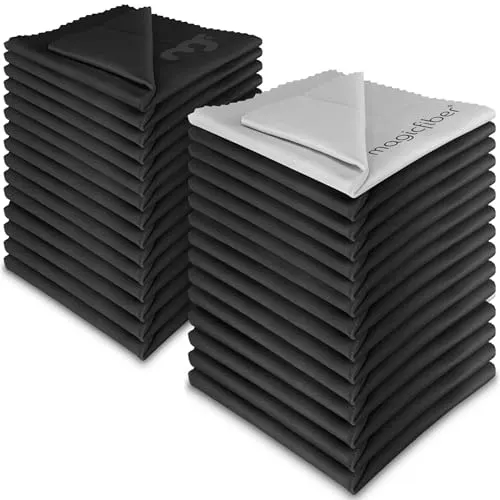
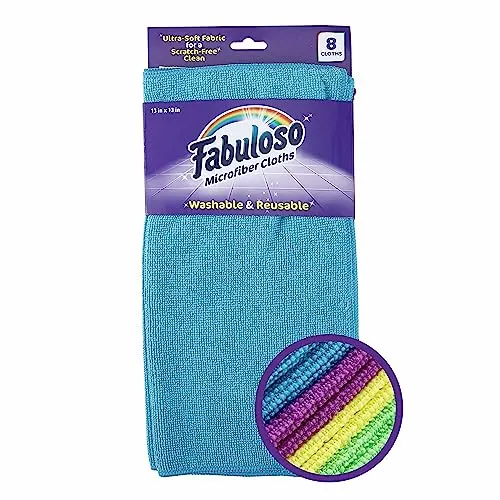
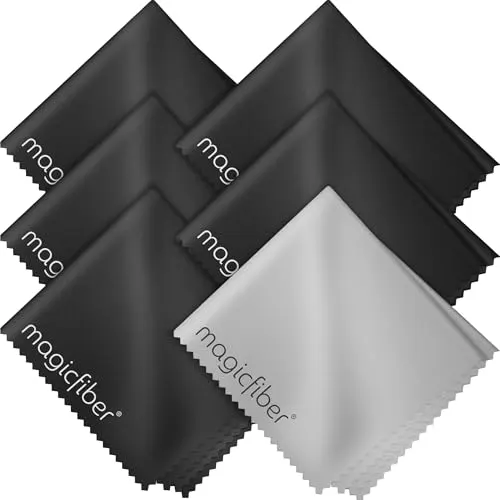
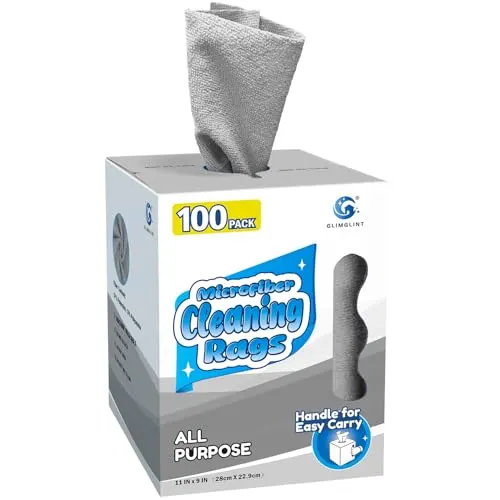
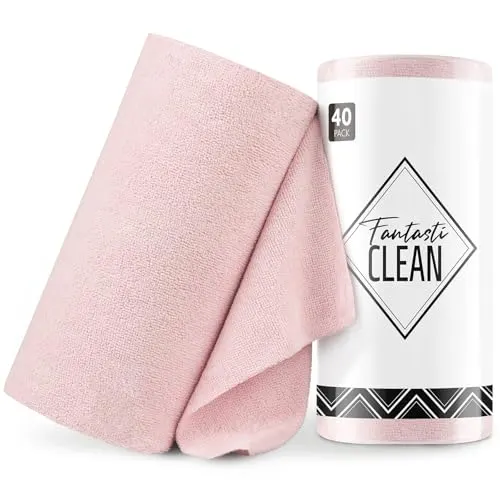
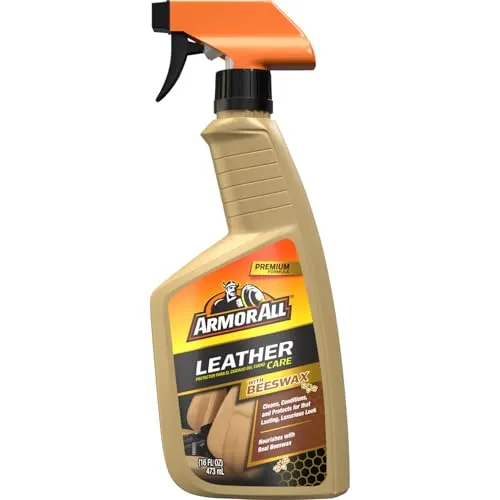
Use microfiber cloths for reusable wiping and pair them with a surface-appropriate product from Cleaning Sprays.
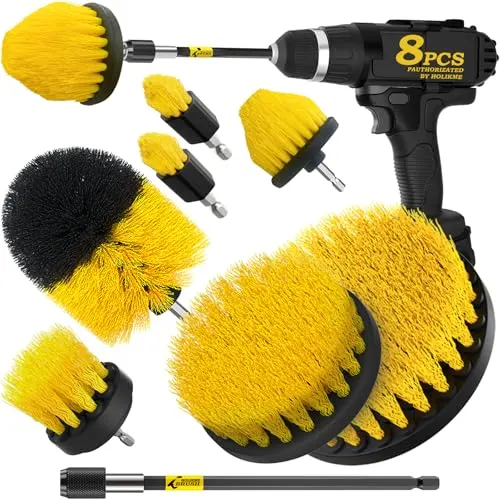
Scrub bathrooms
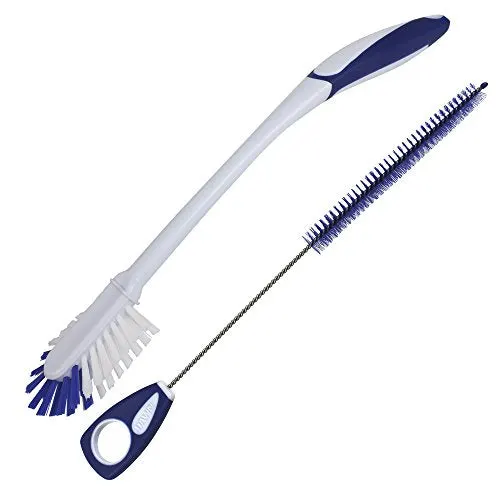
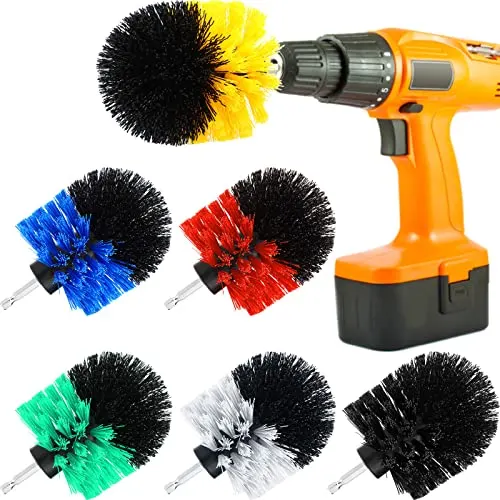
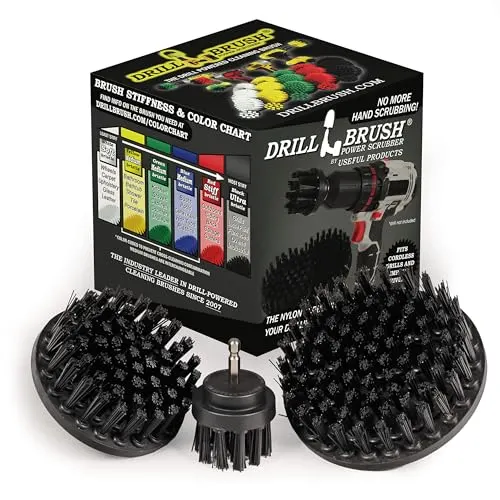
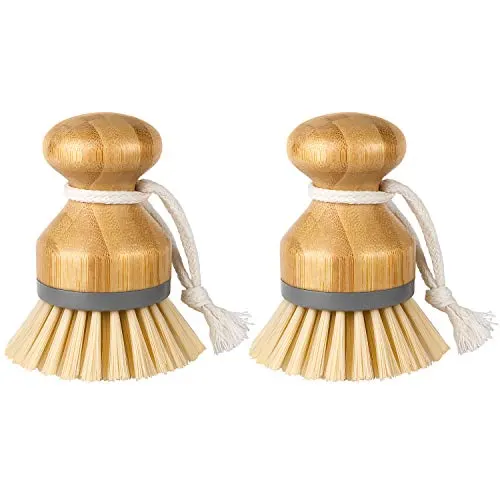
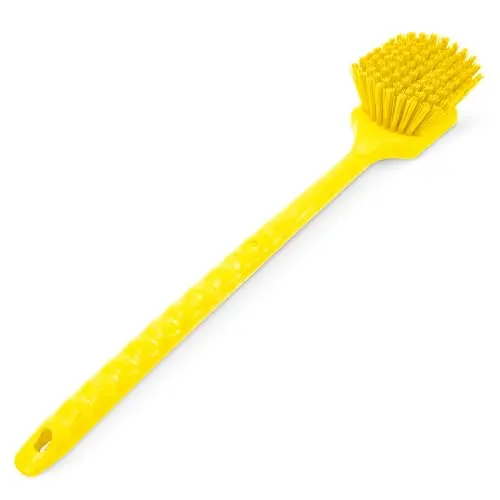
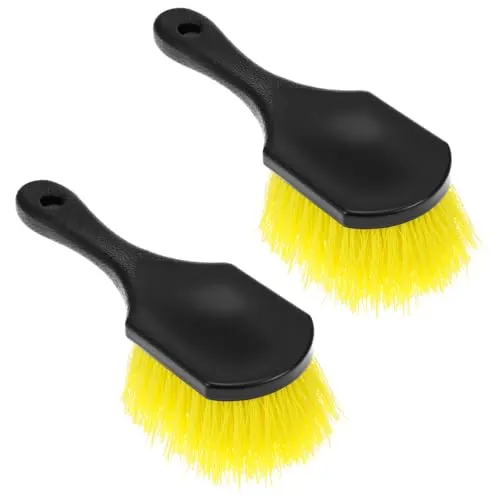
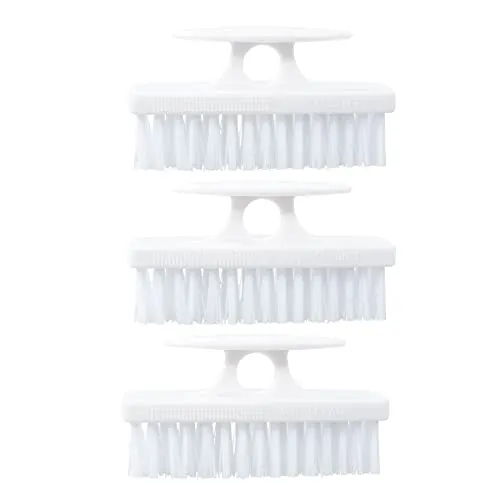
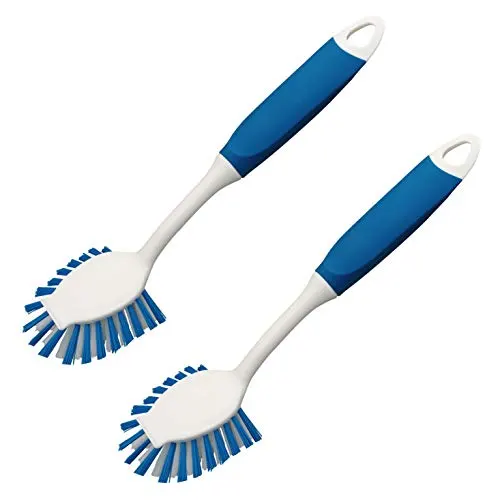
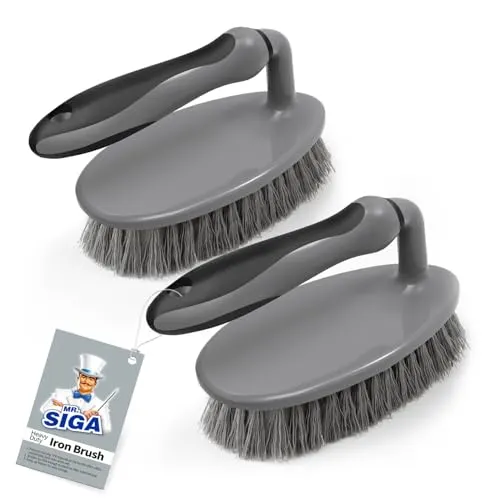
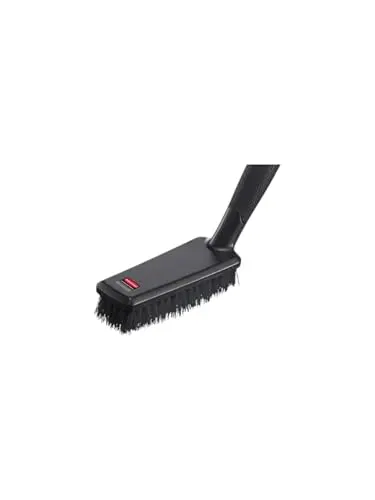
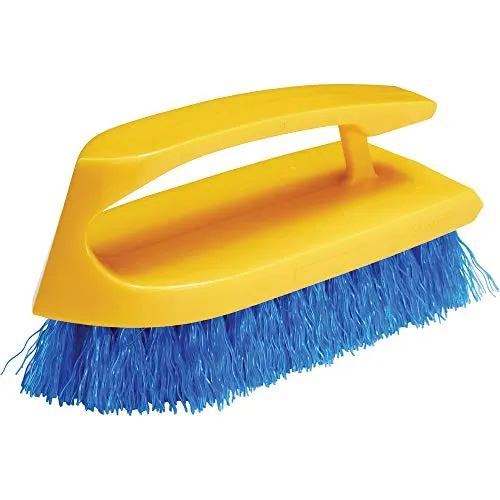
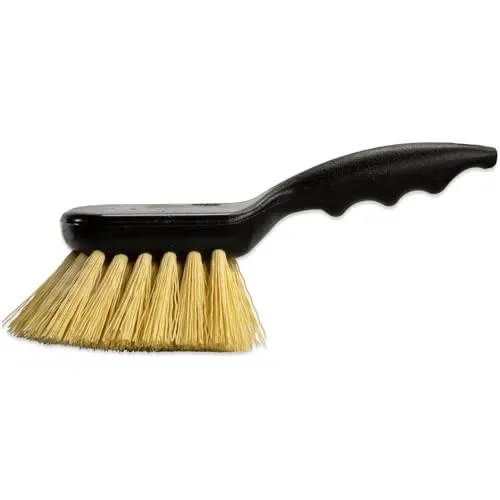
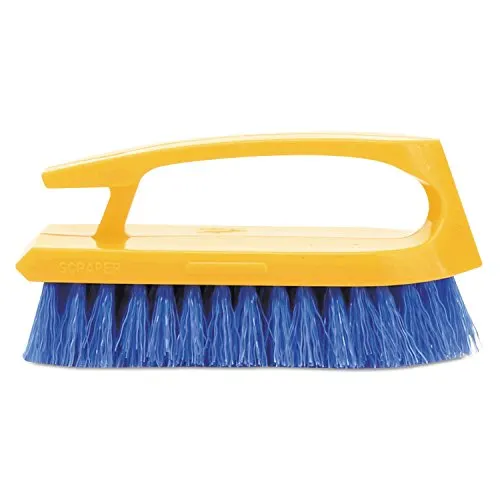
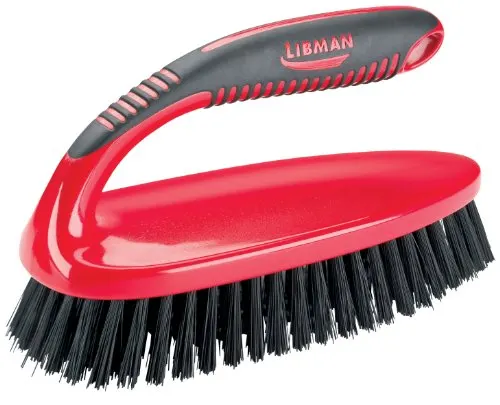
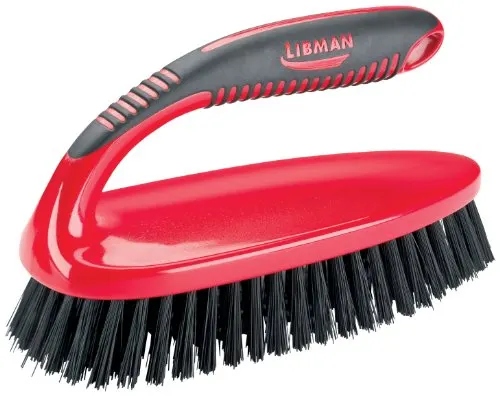
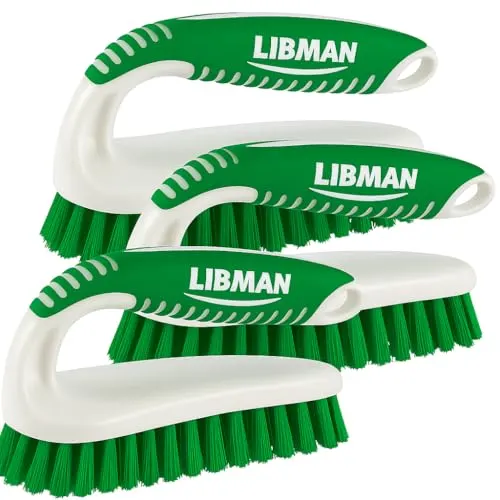
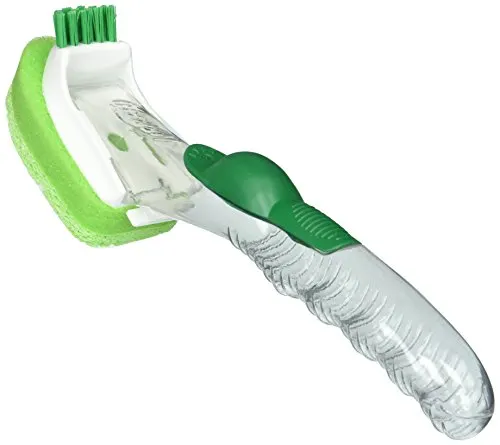
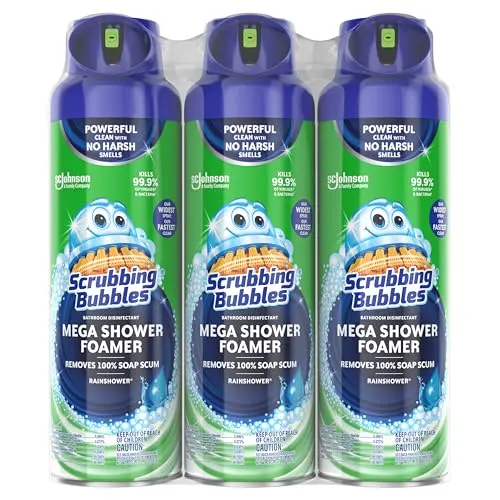
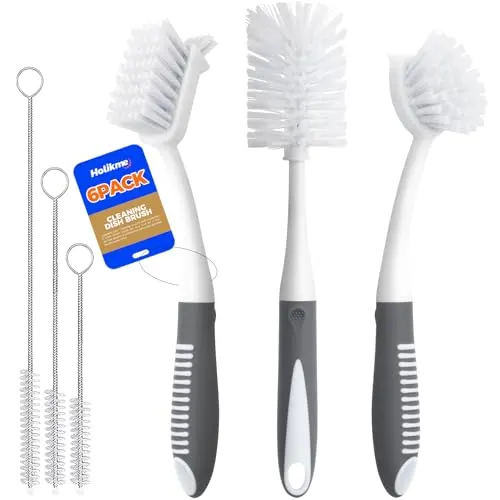
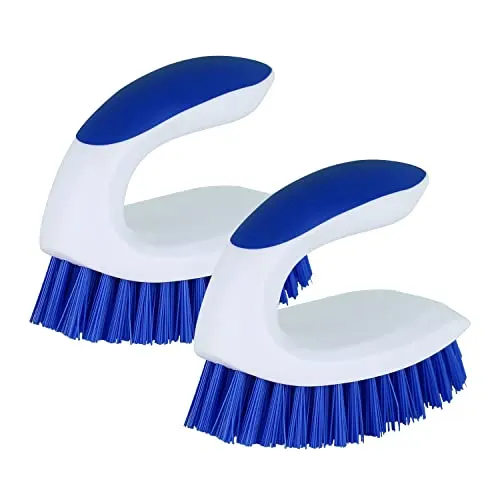
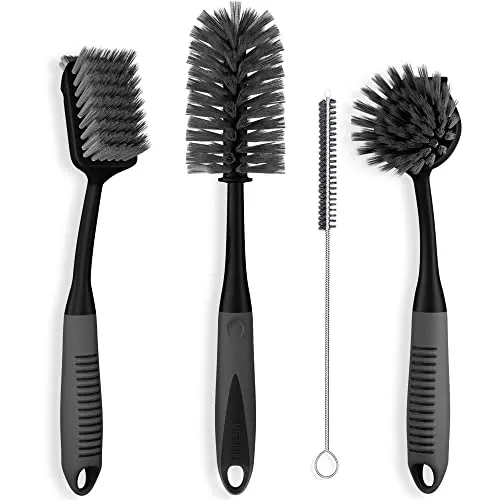
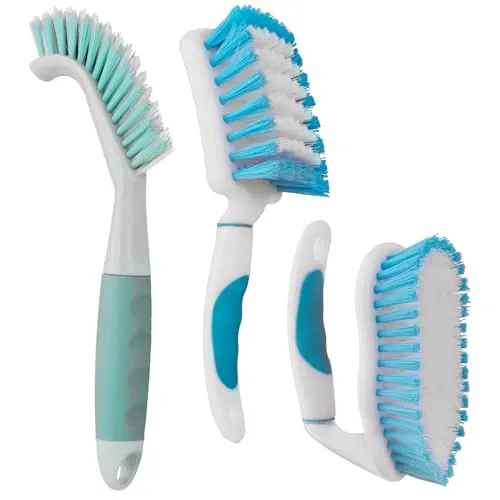
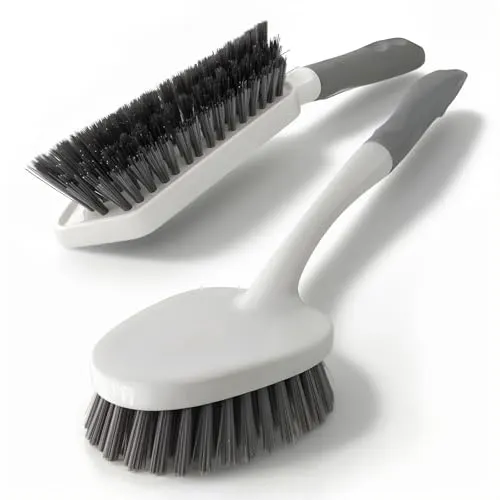
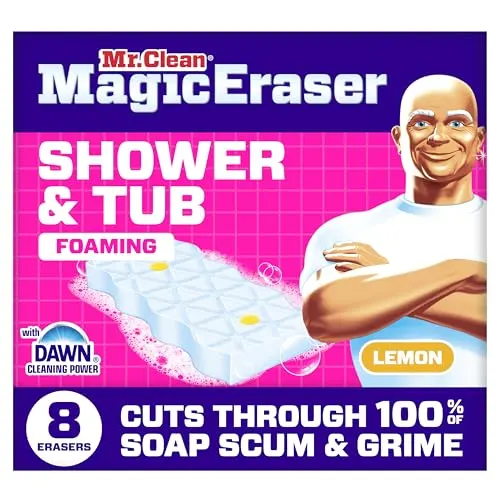
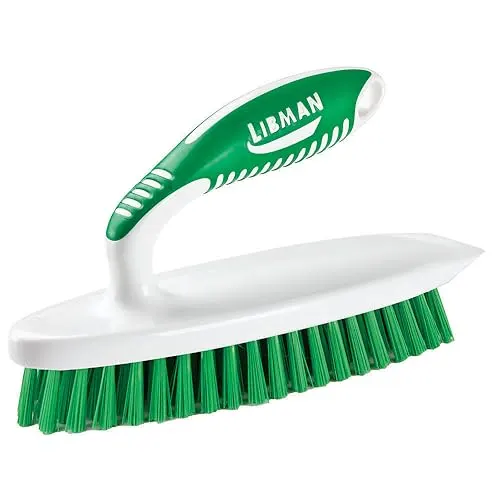
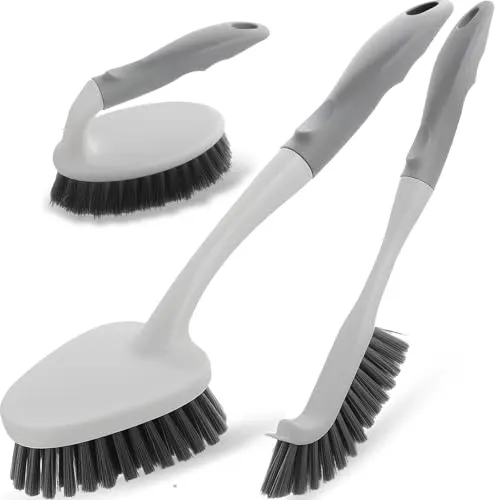
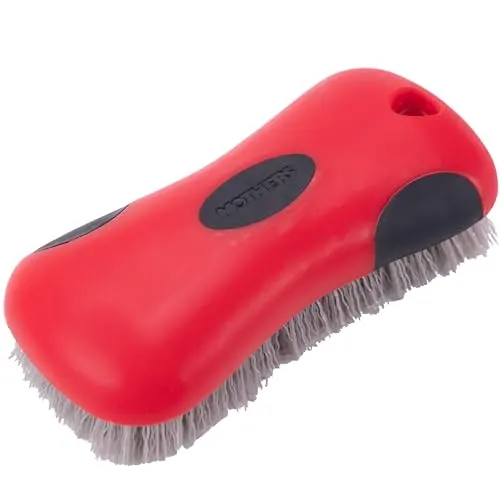
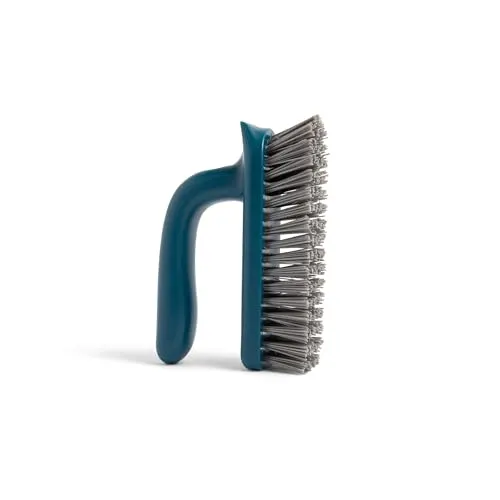
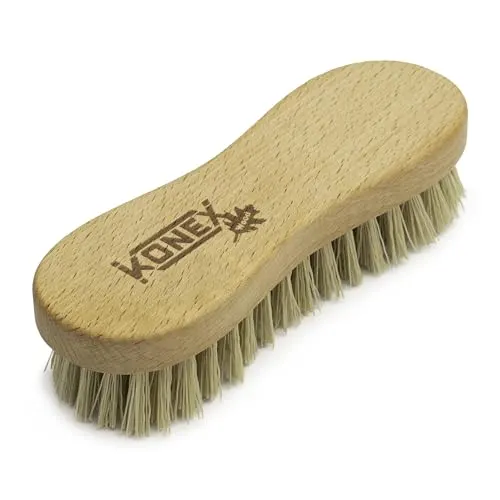
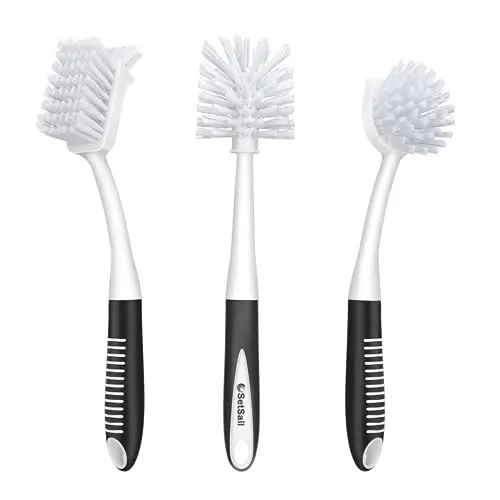
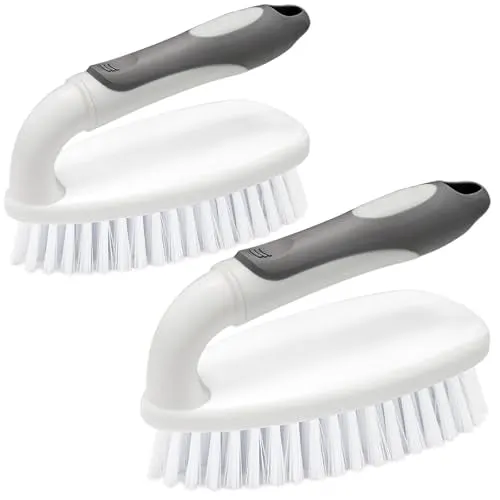
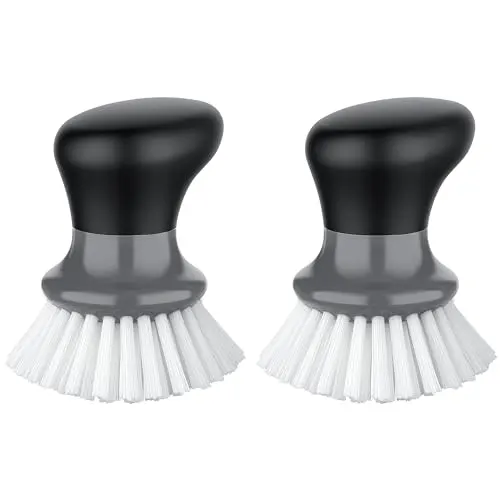
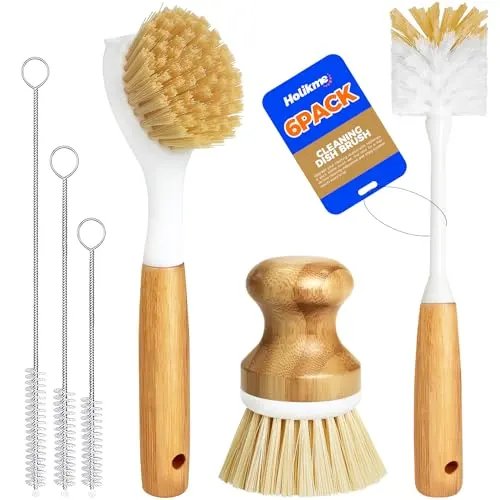
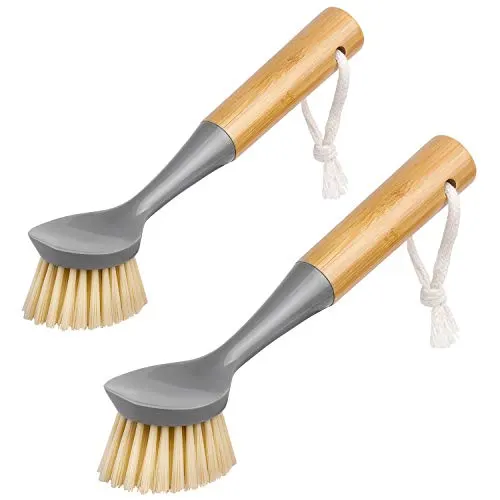
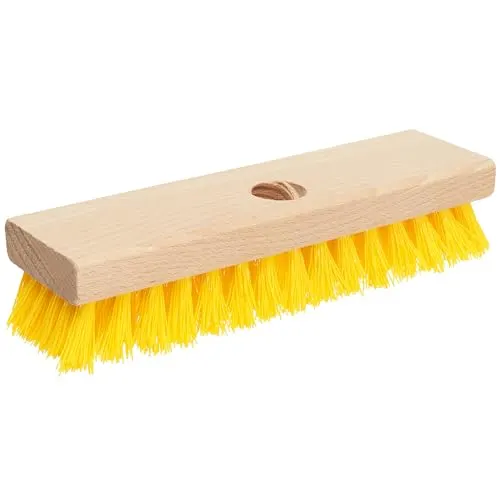
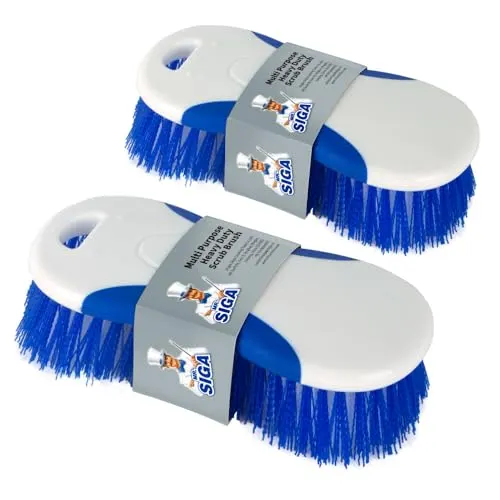
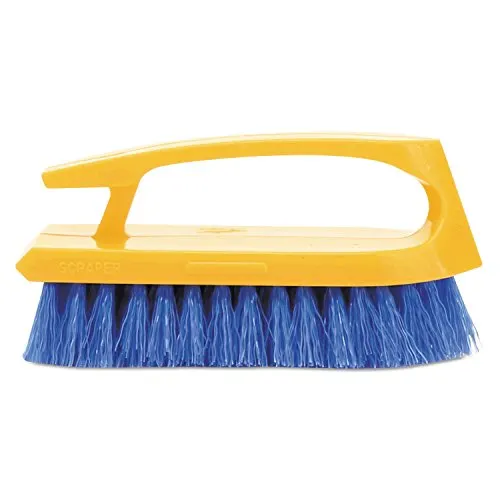
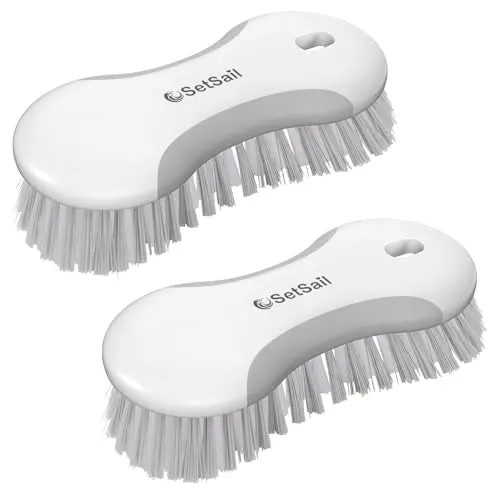
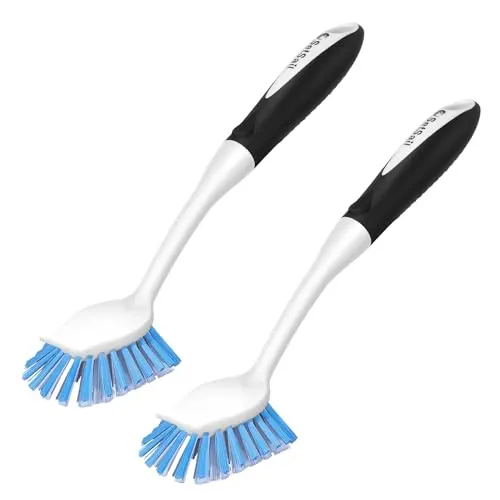
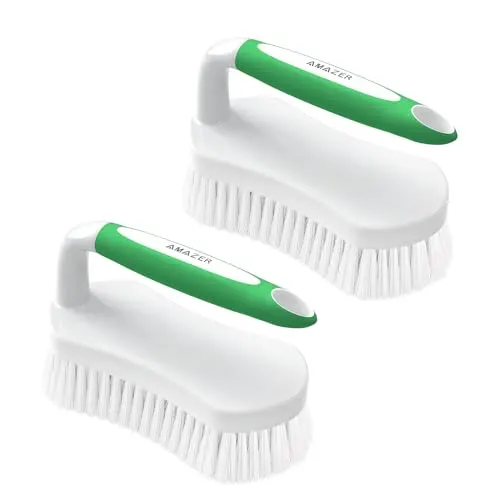
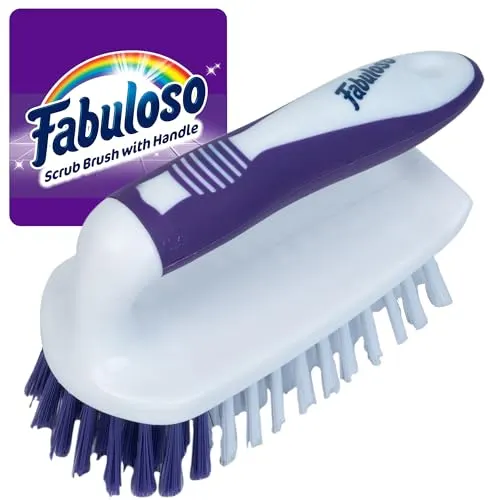
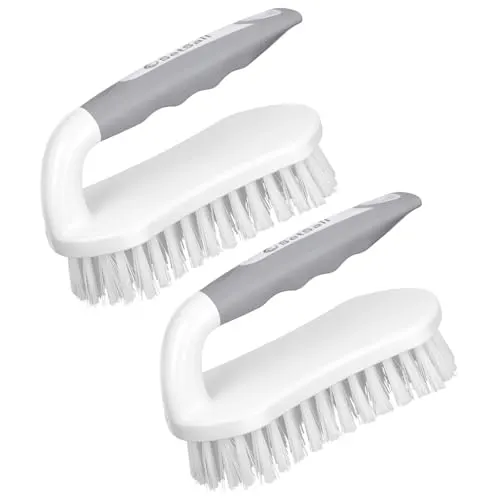
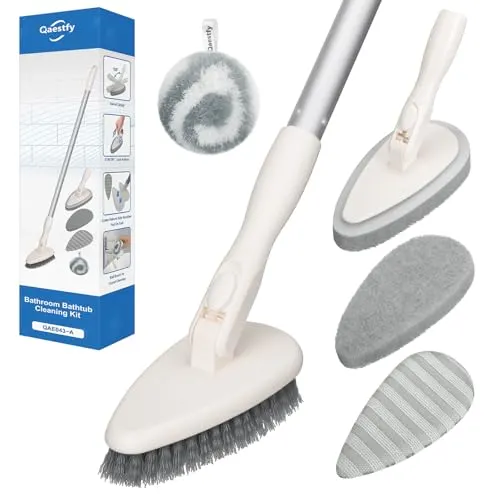
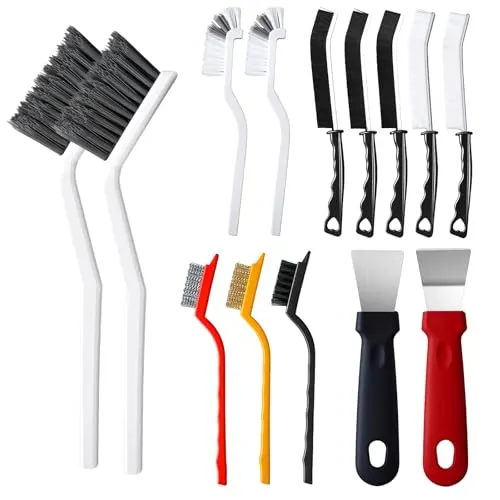
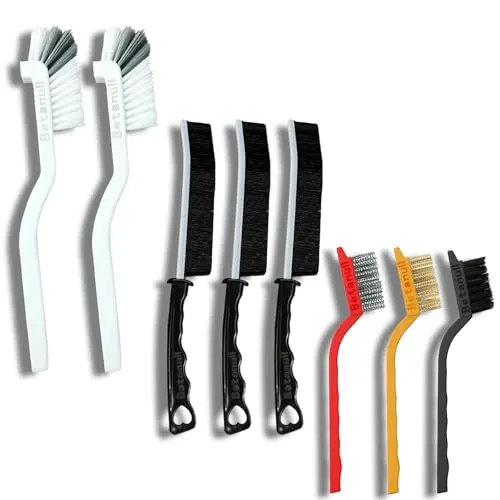
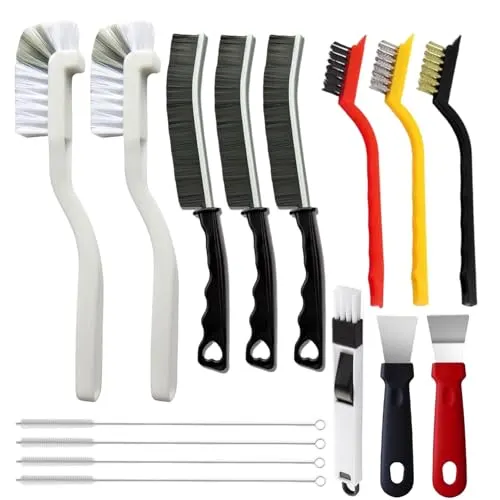
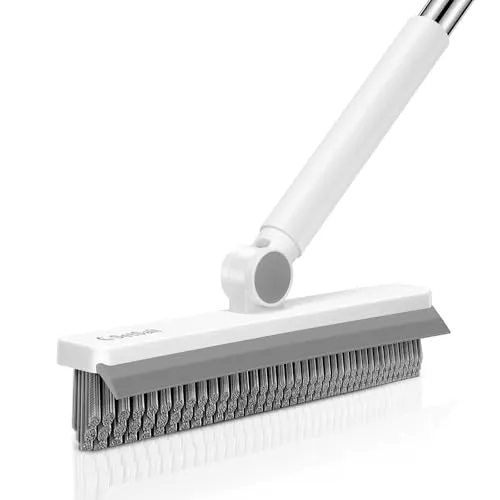
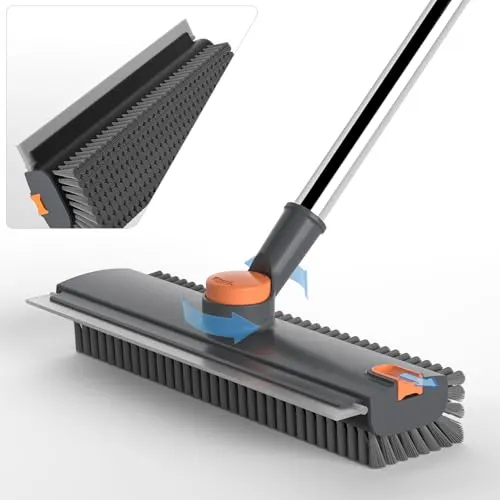
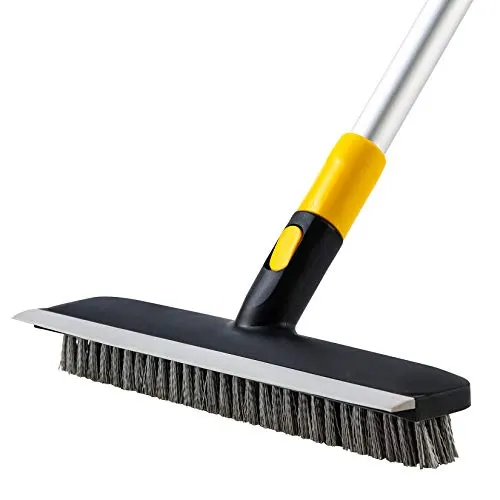
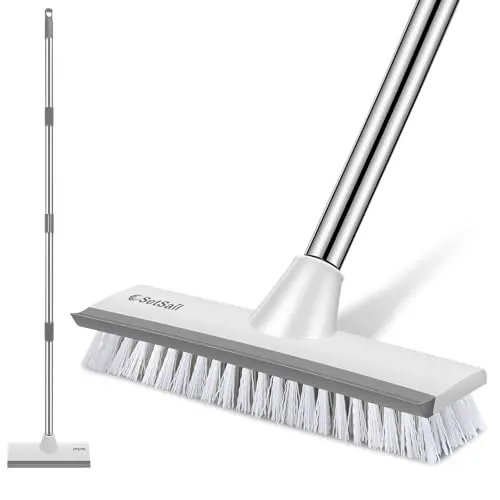
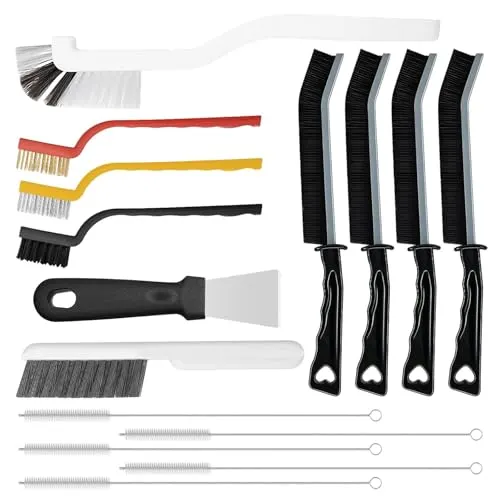
Browse Bathroom Cleaning Tools and Scrub Brushes for tubs, showers, sinks, grout, and detailed edges.
Control dust
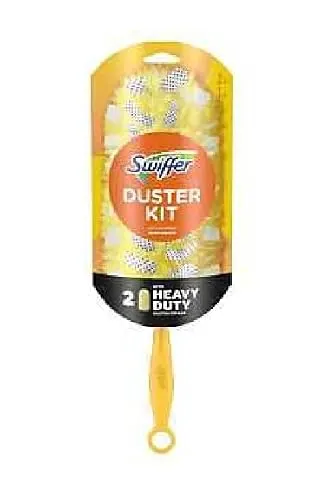
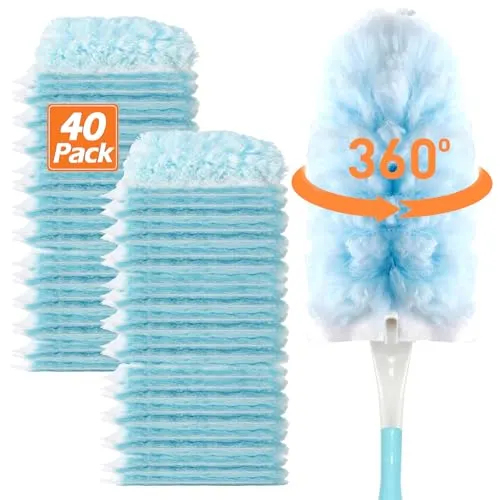
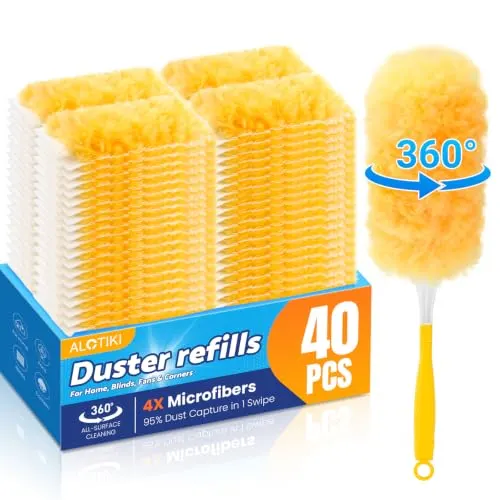
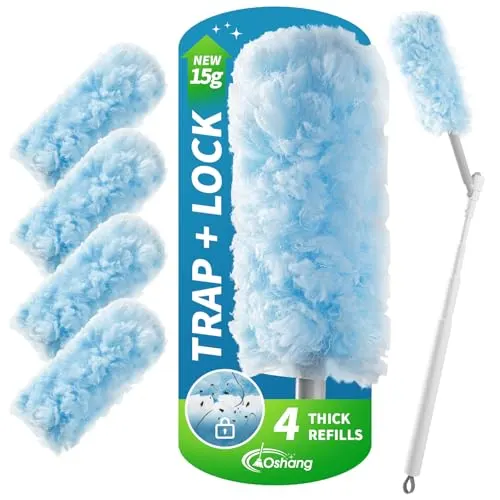
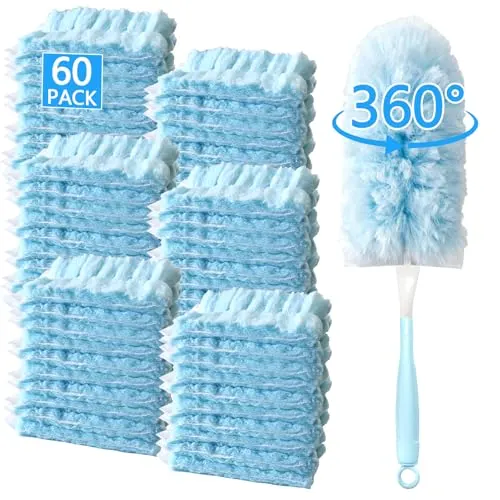
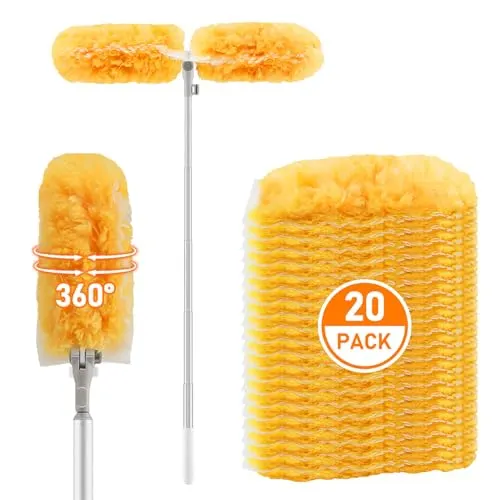
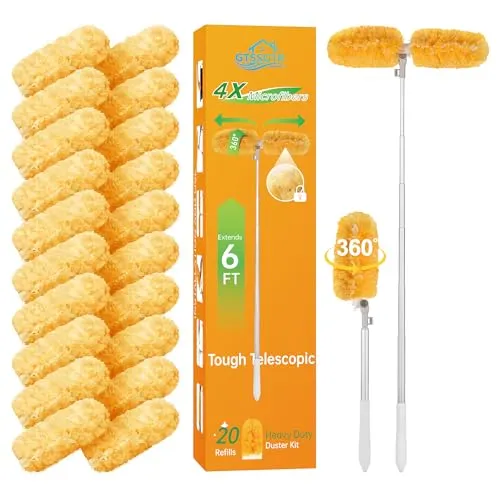
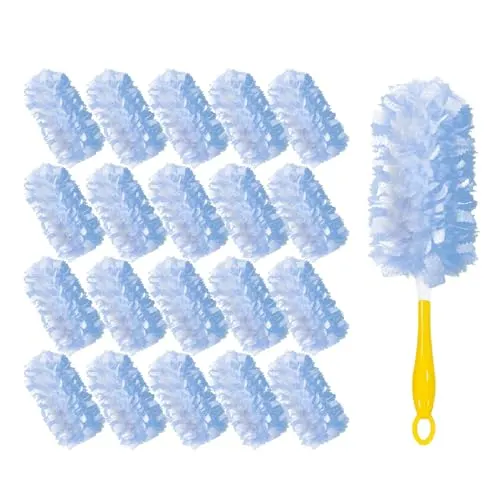
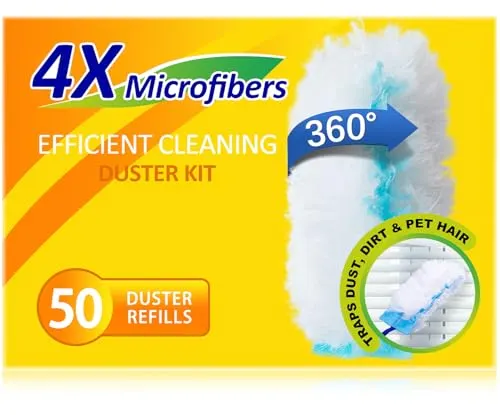
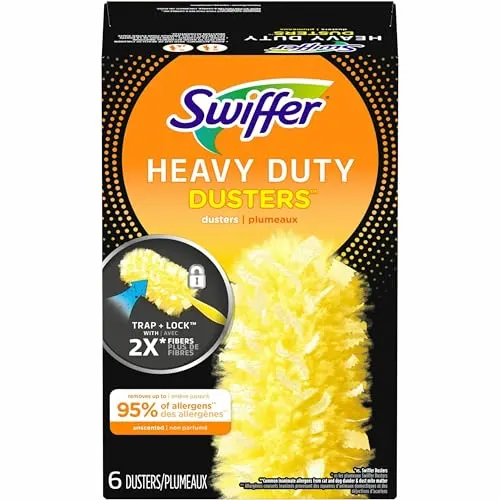
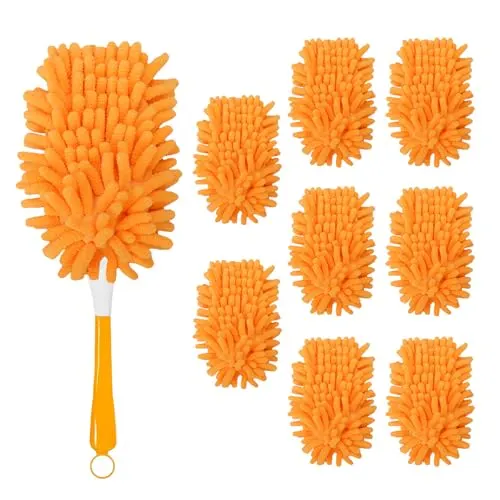
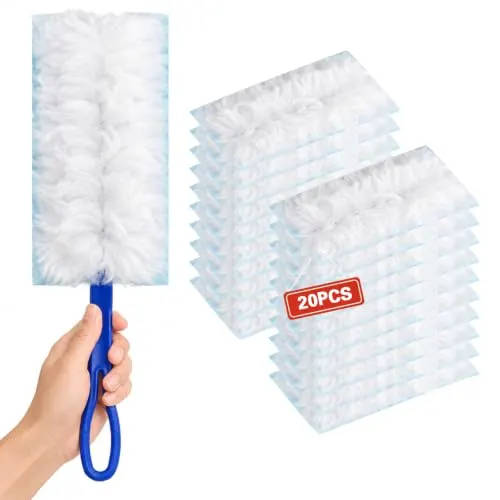
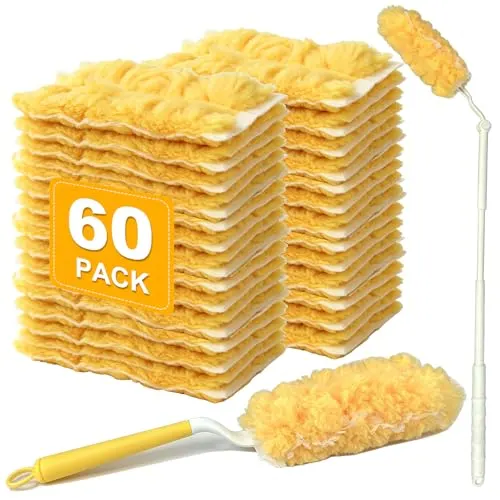
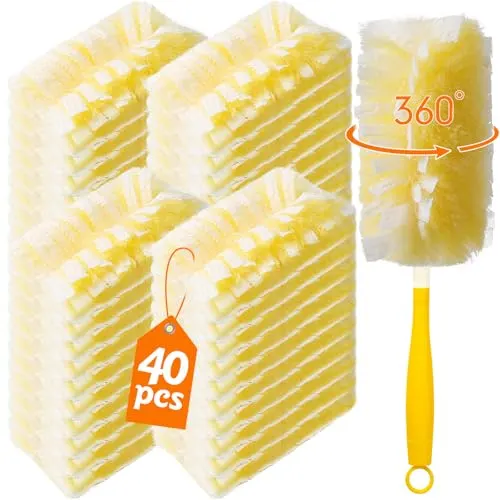
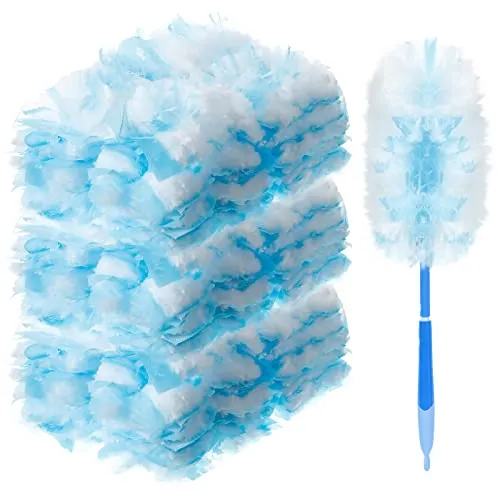
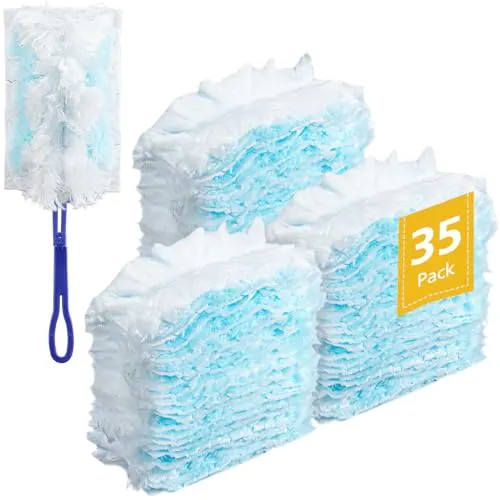
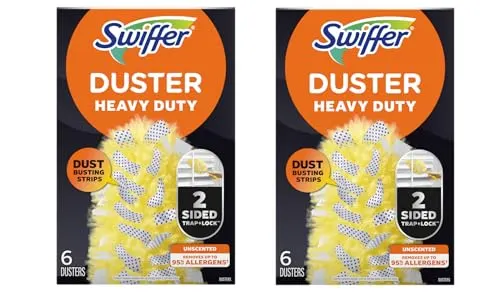
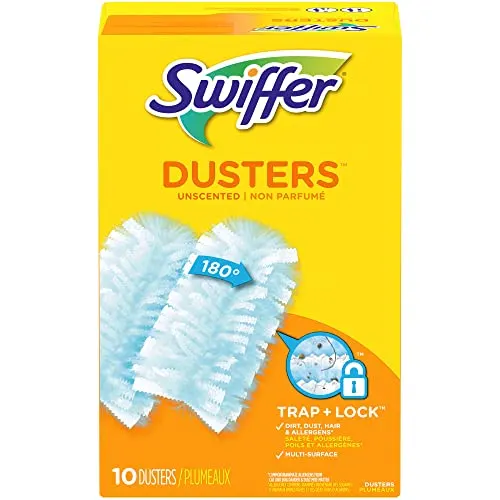
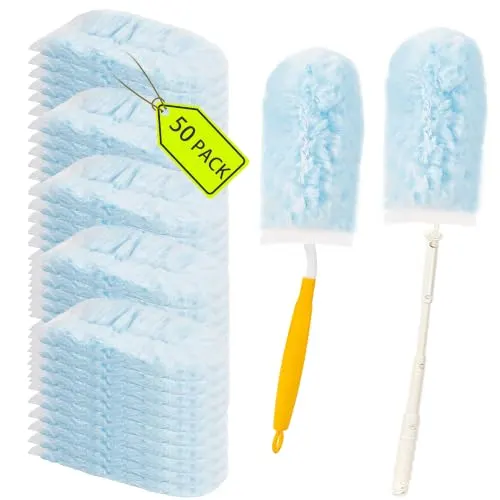
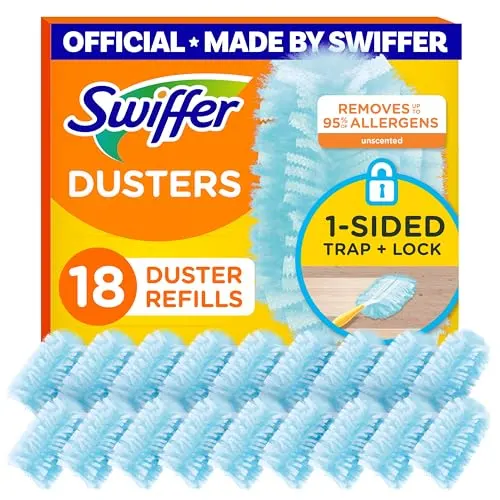
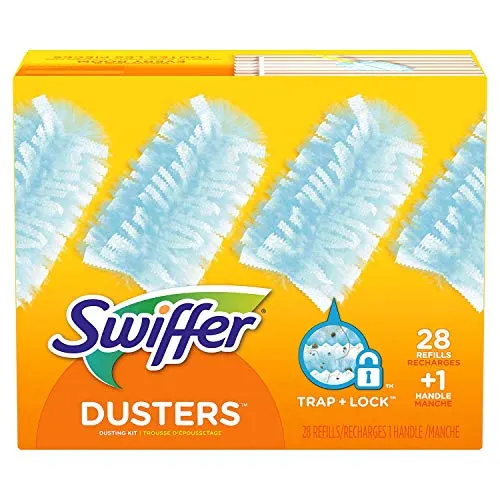
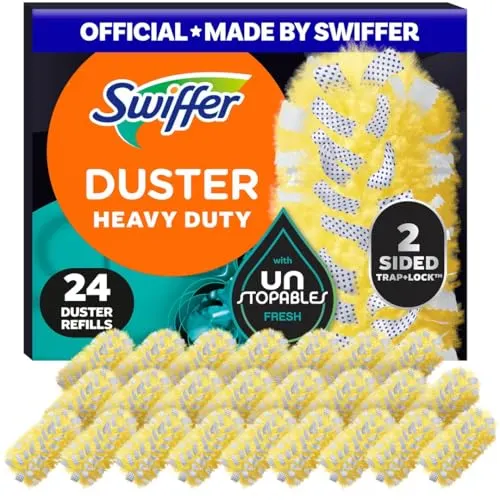
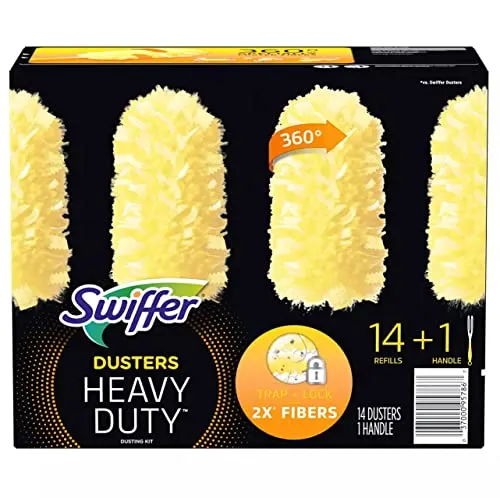
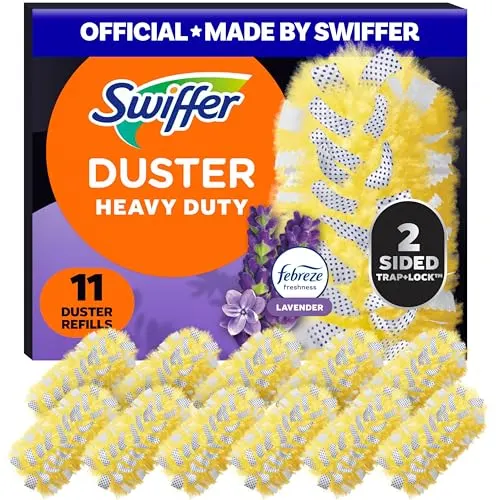
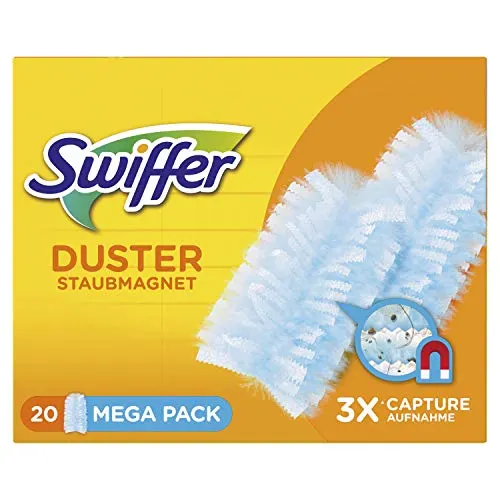
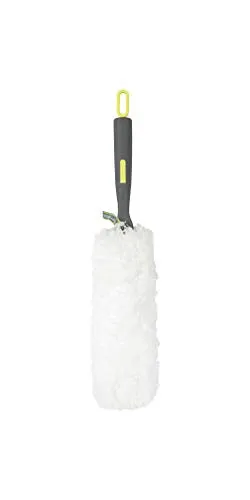
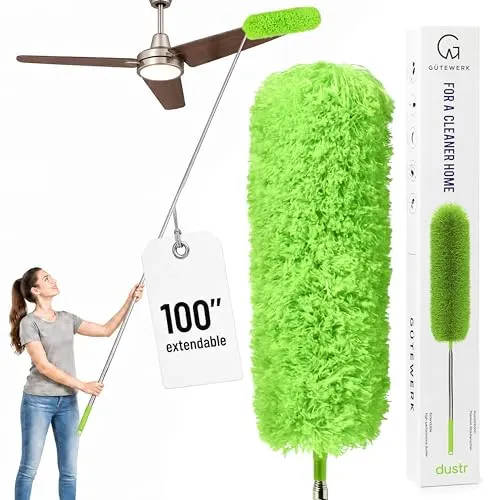
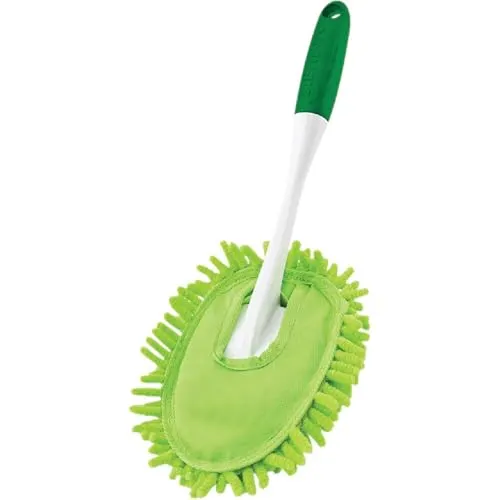
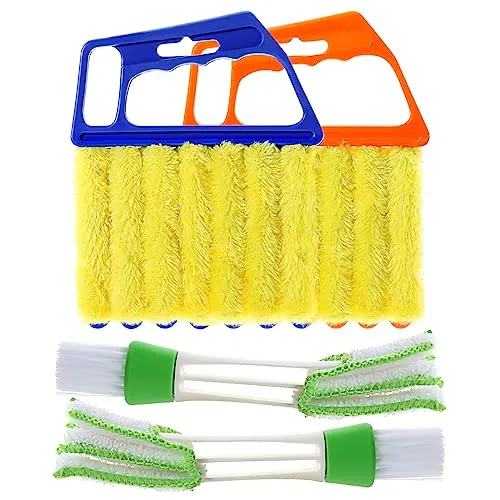
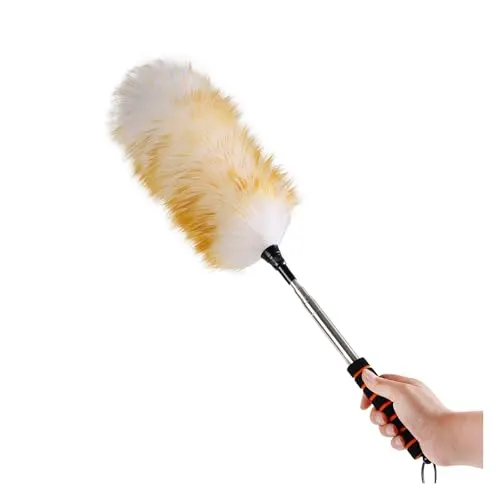
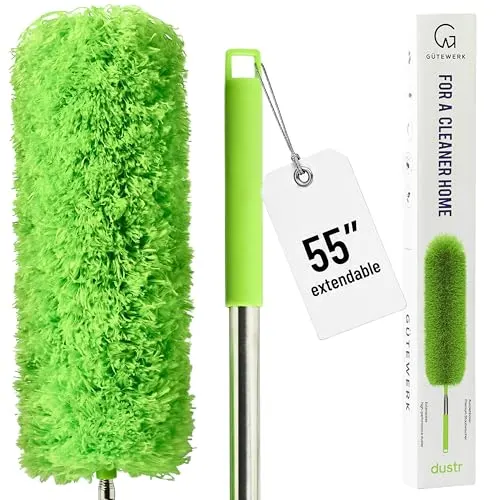
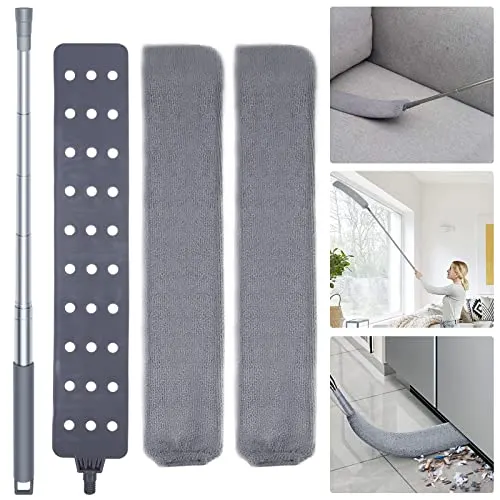
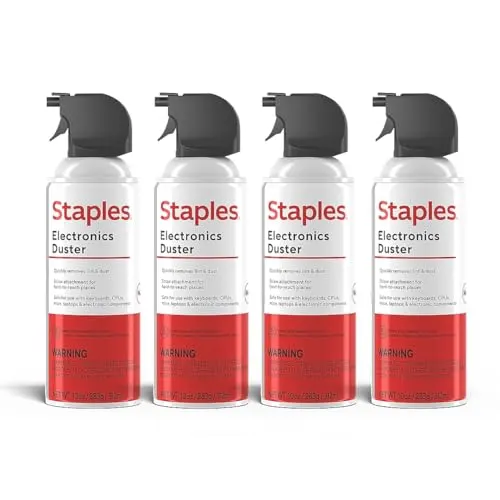
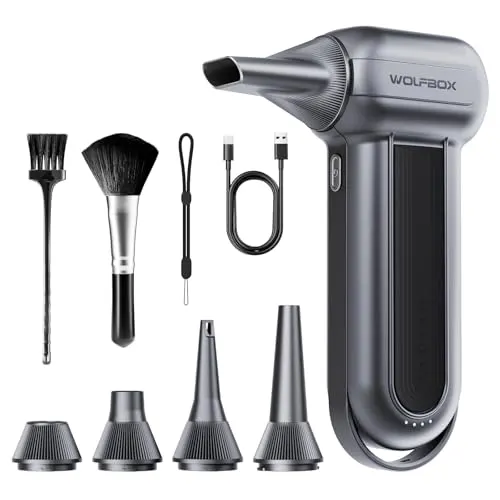
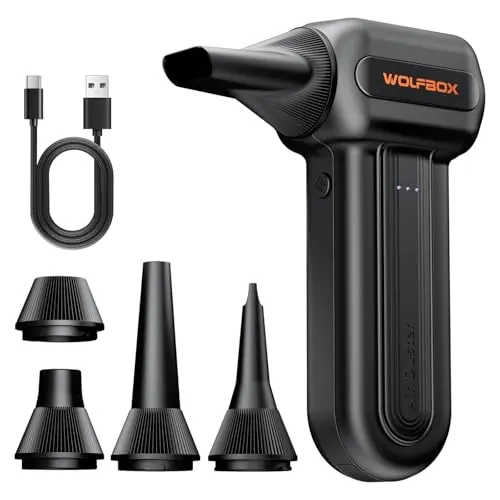
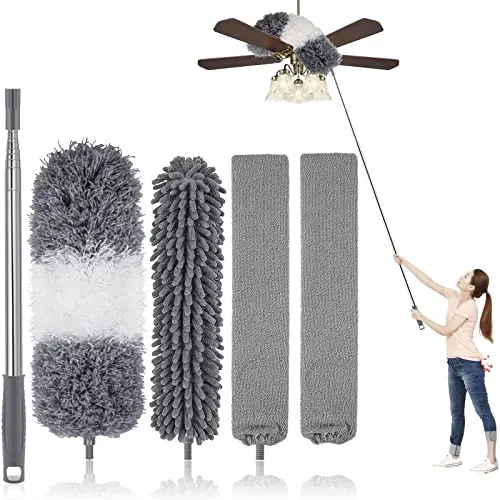
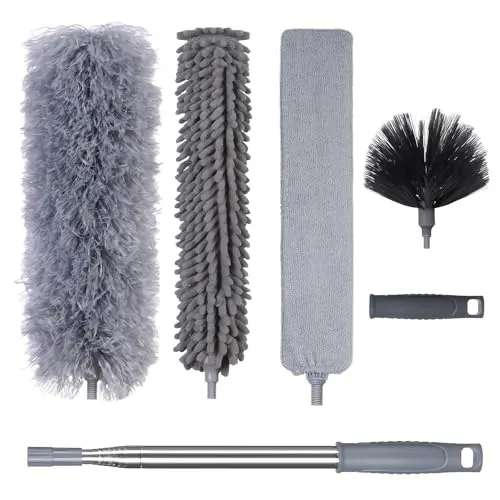
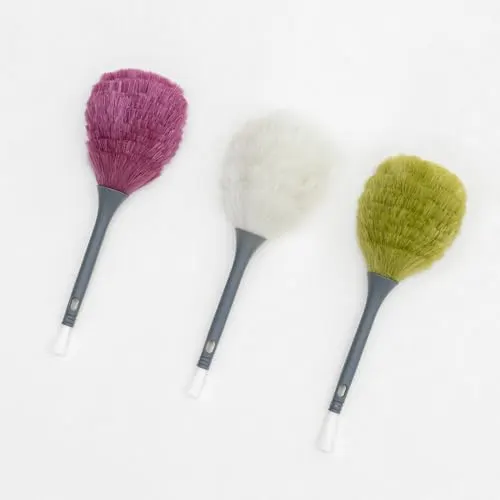
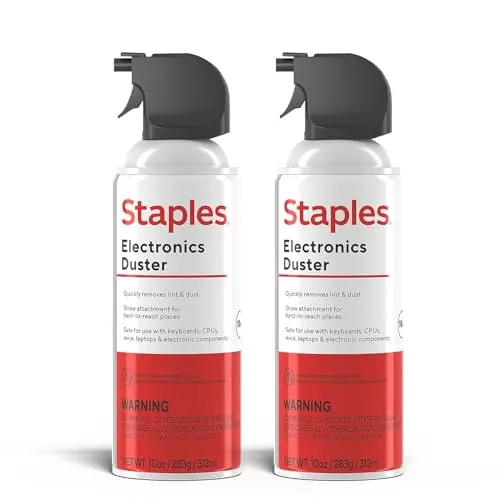
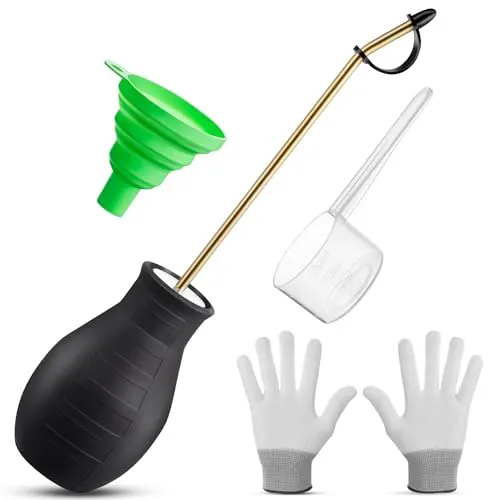
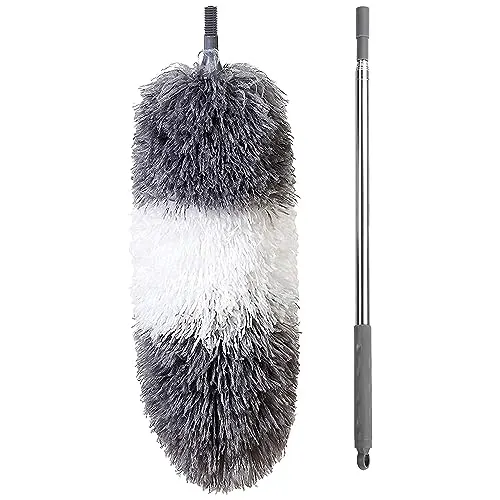
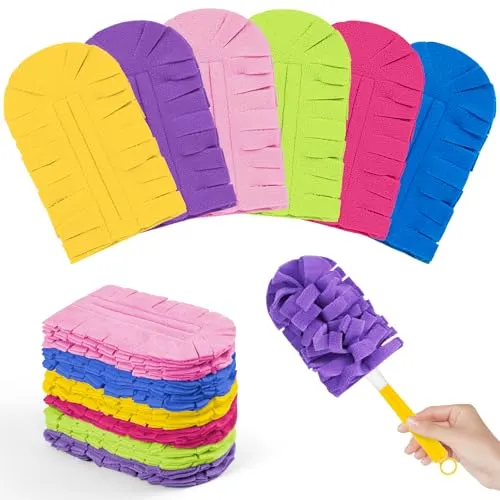
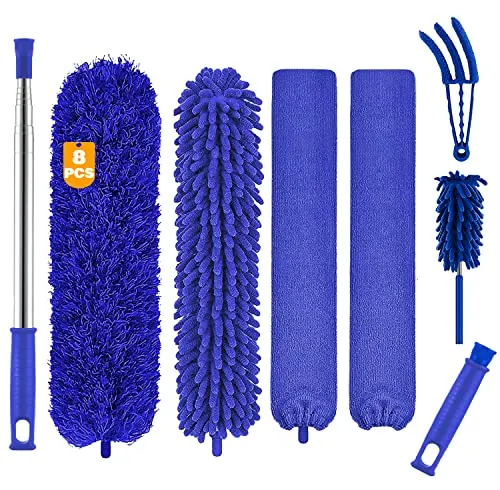
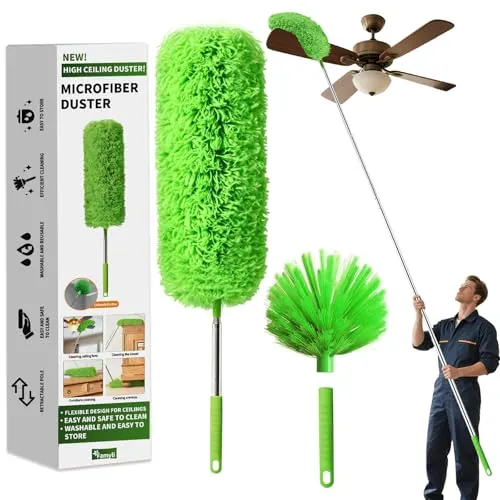
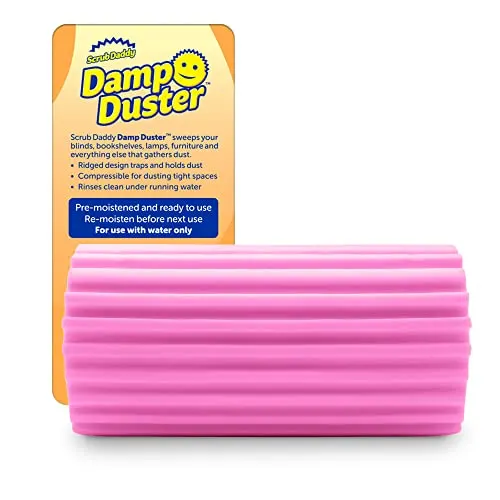
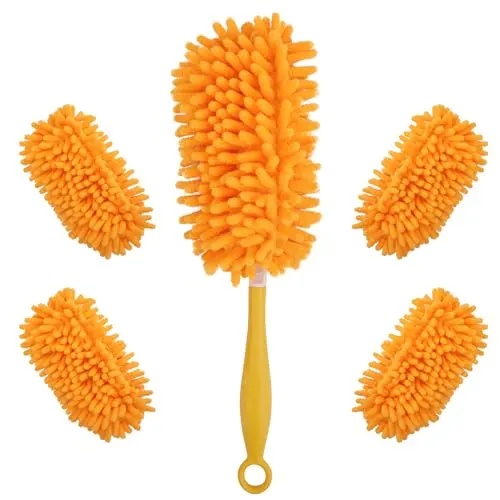
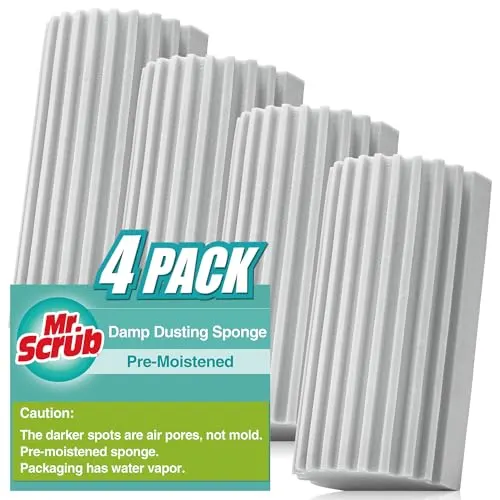
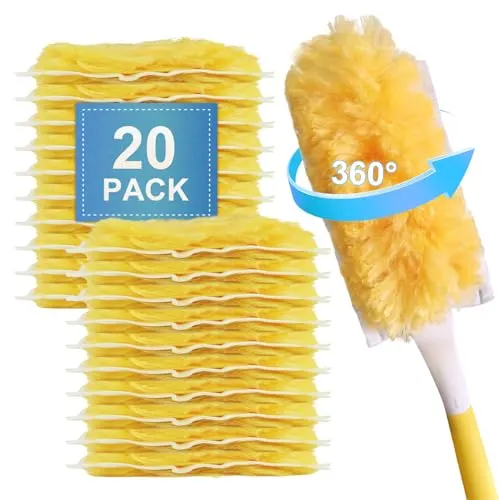
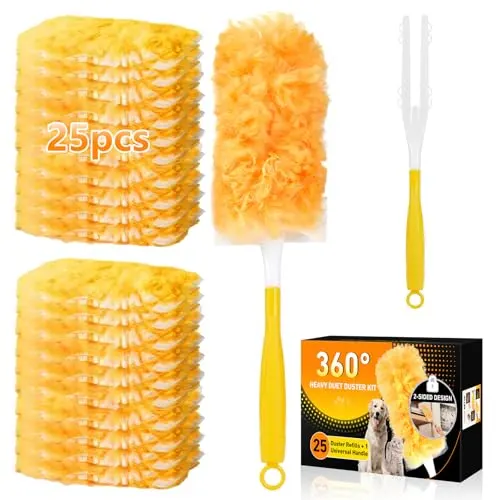
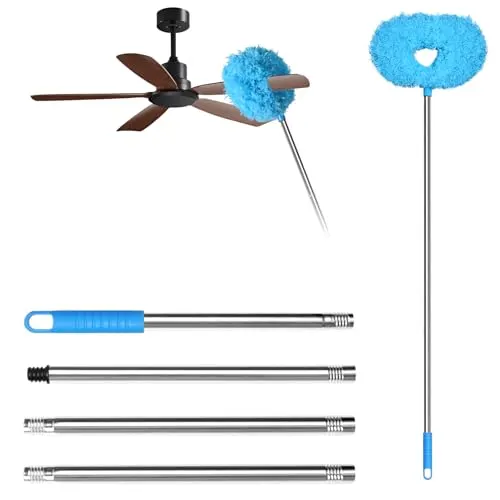
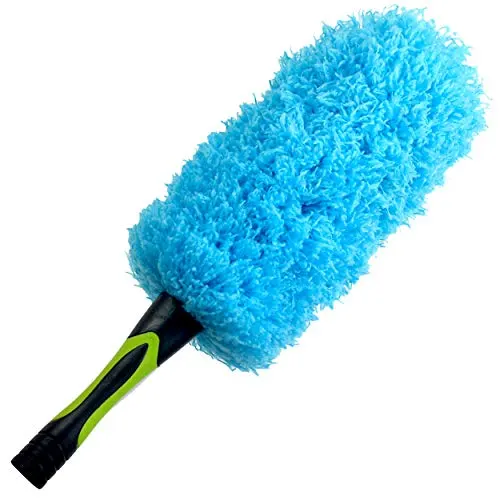
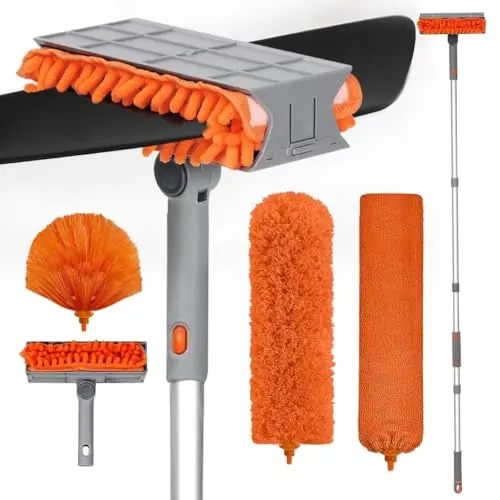
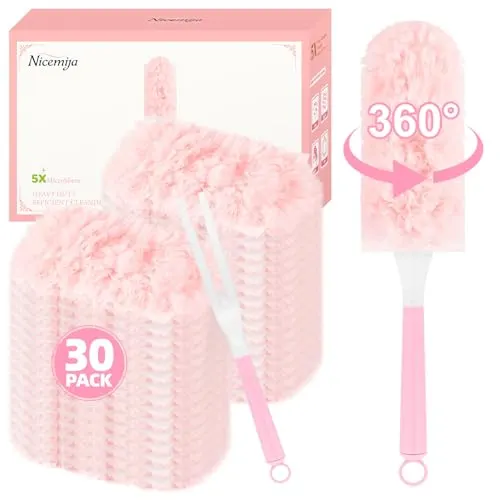
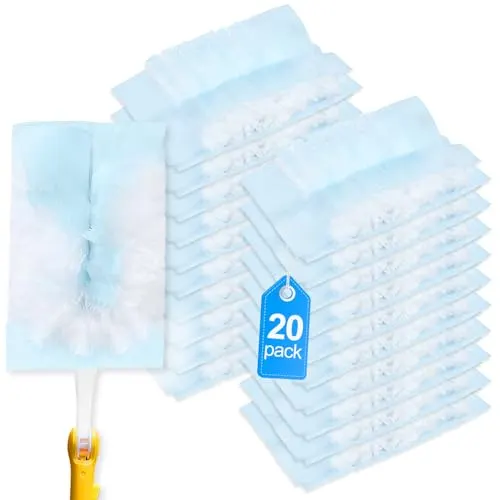
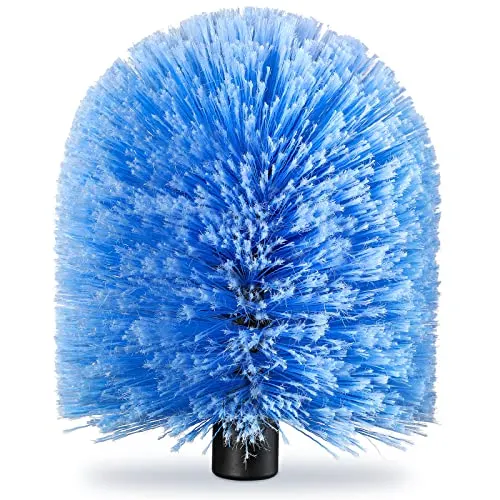
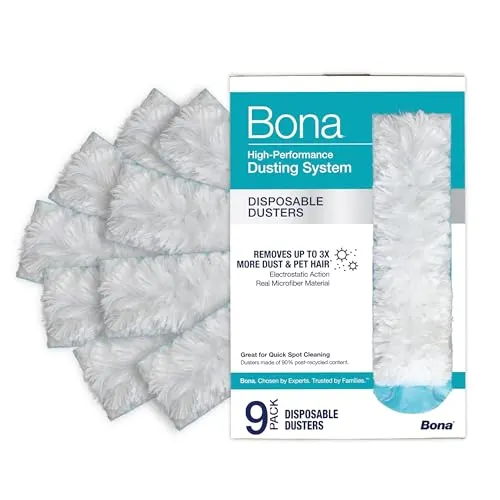
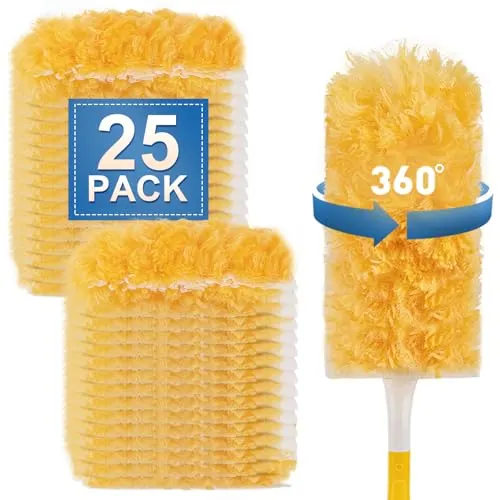
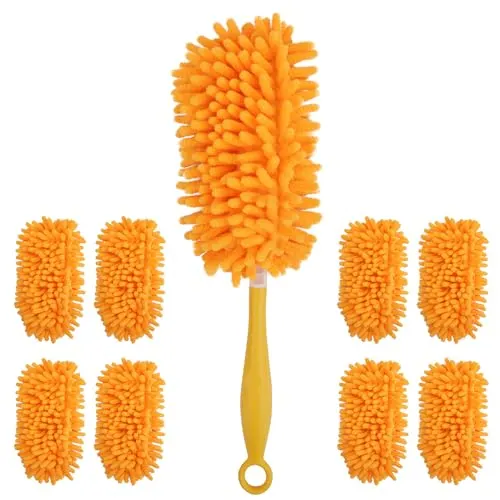
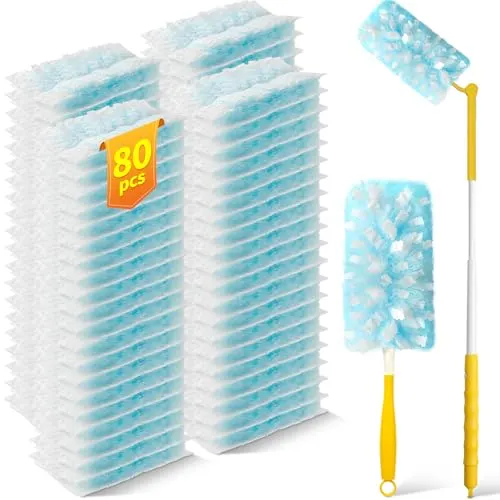
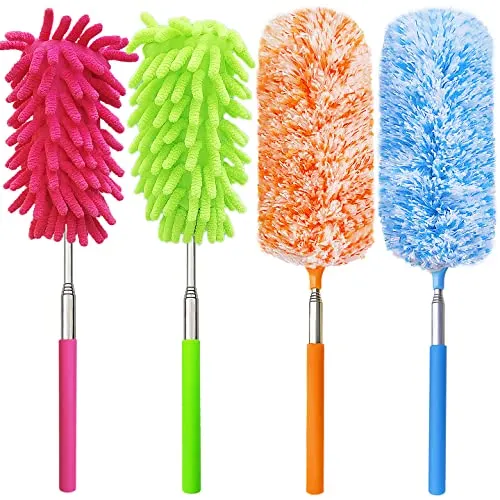
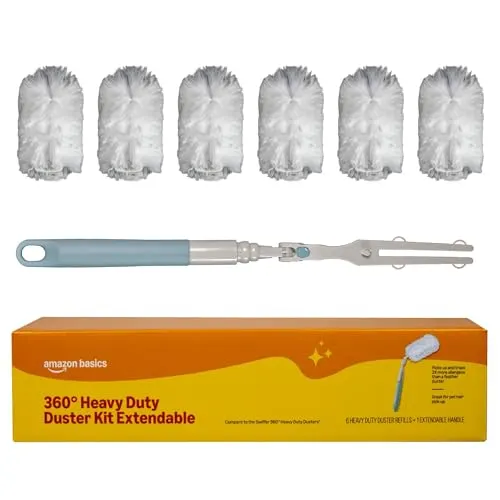
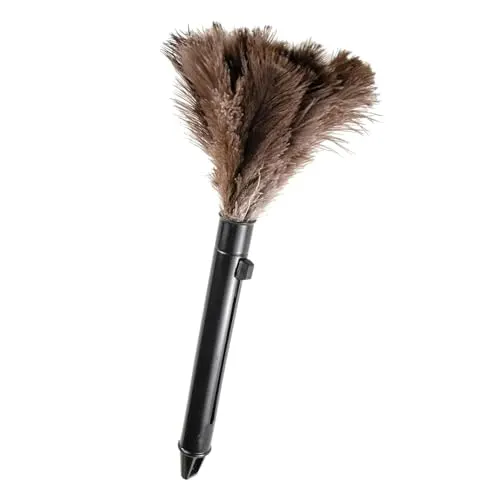
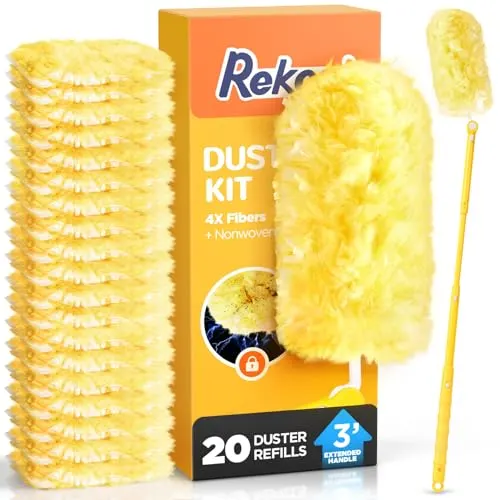
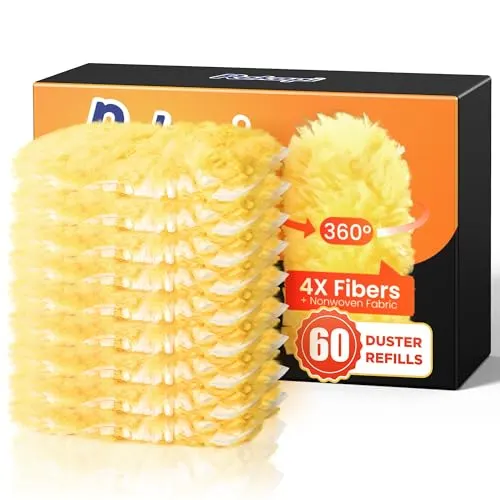
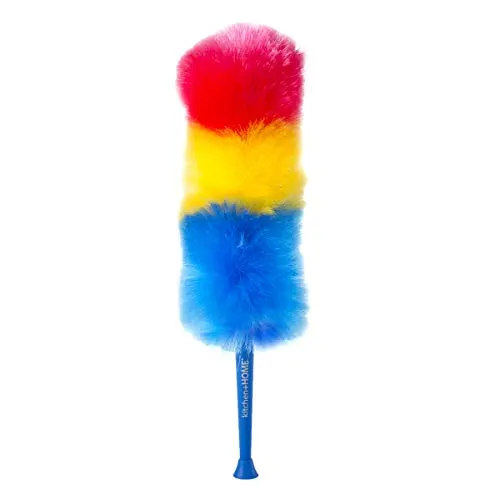
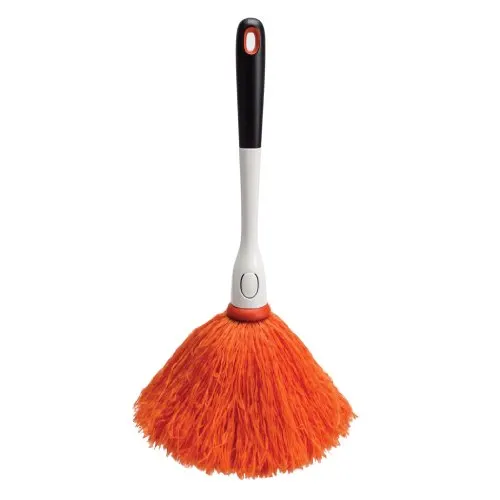
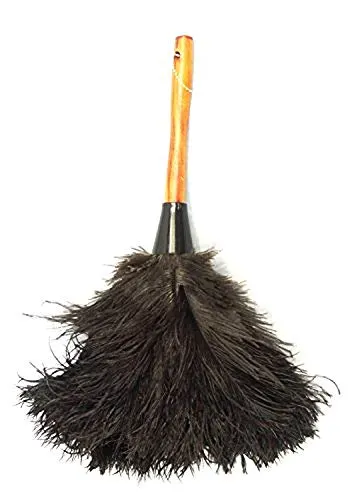
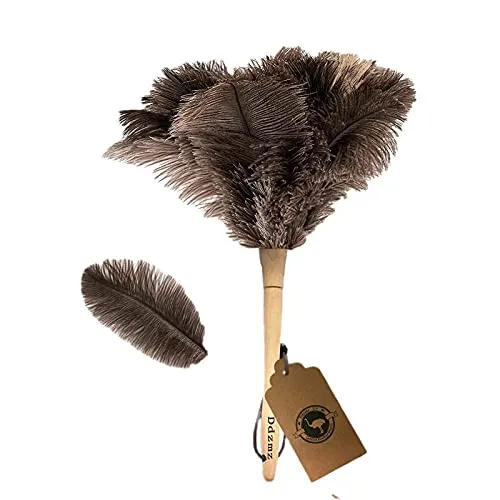
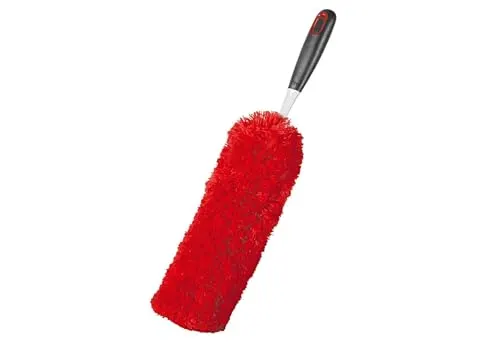
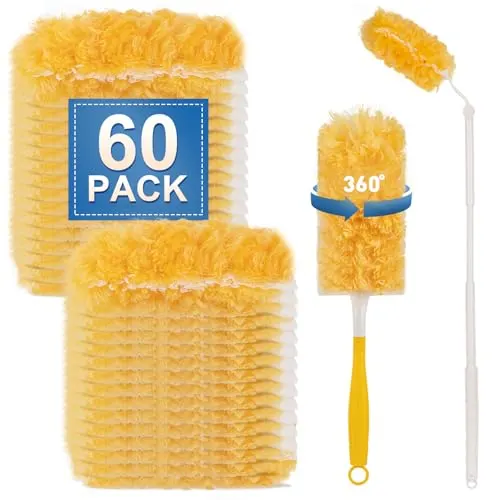
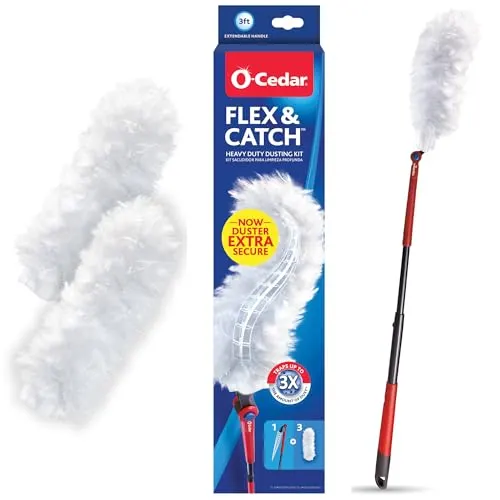
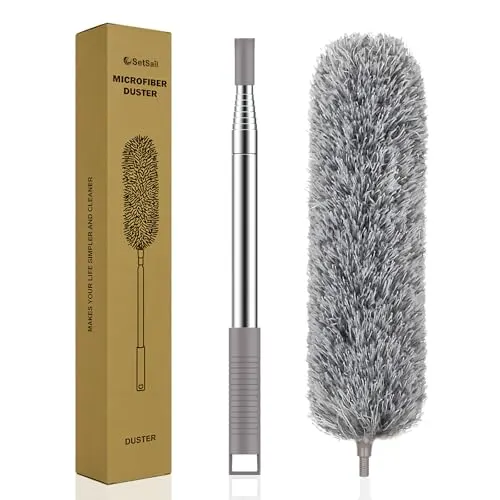
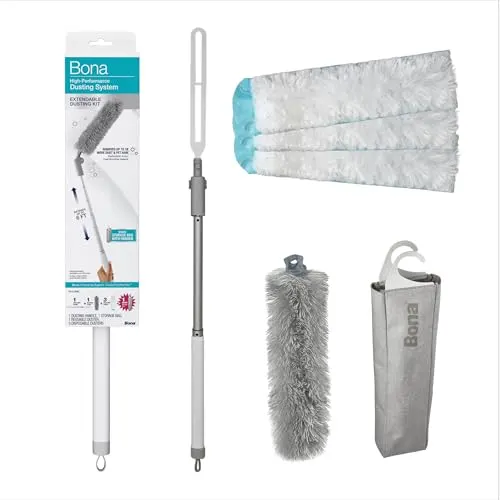
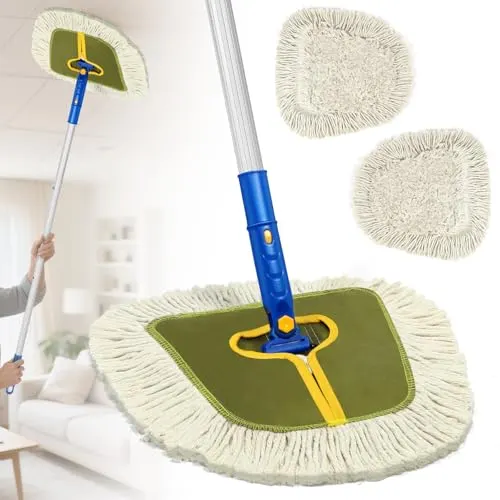
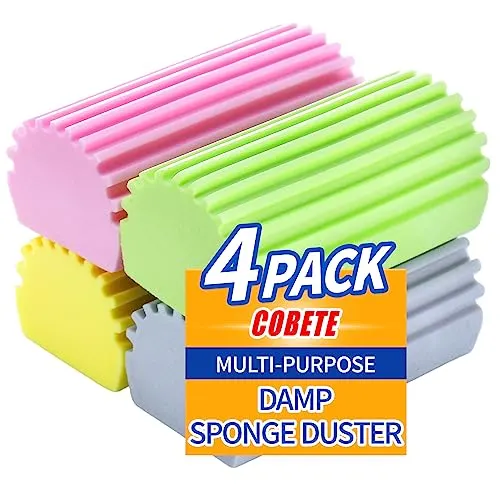
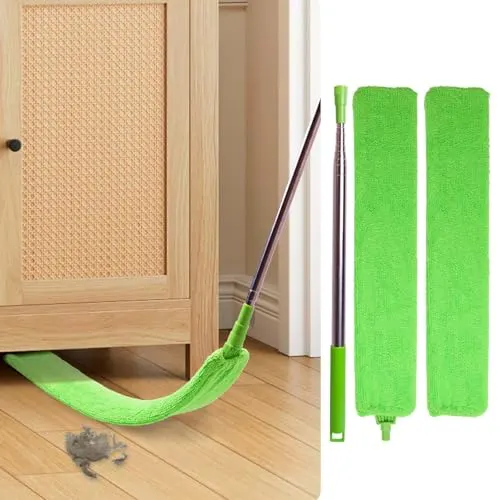
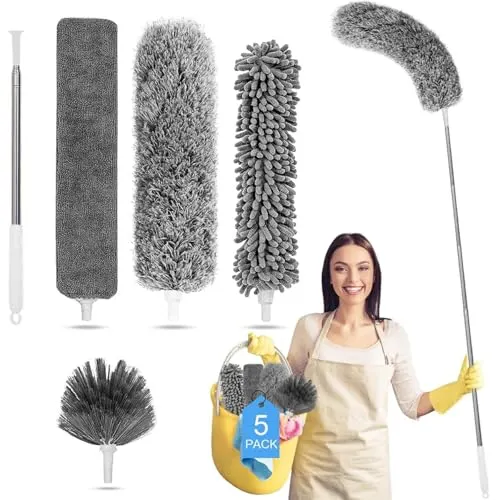
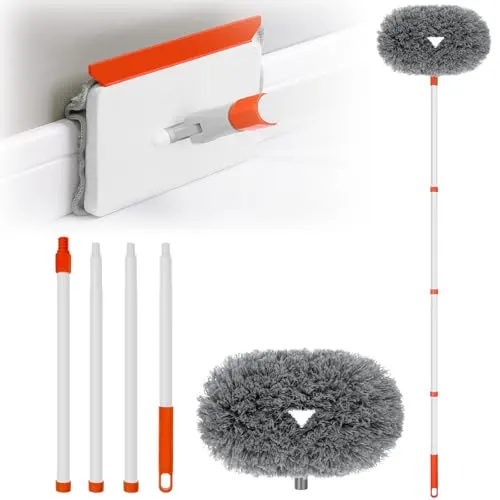
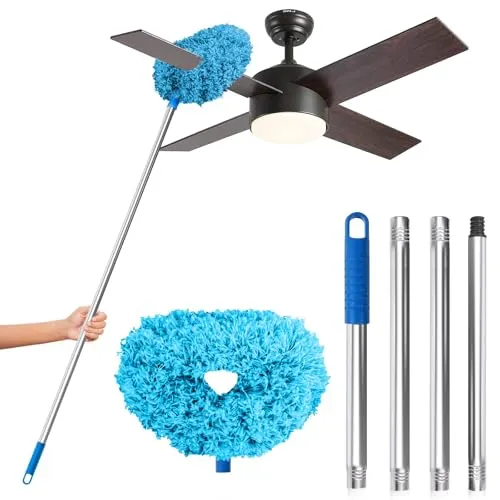
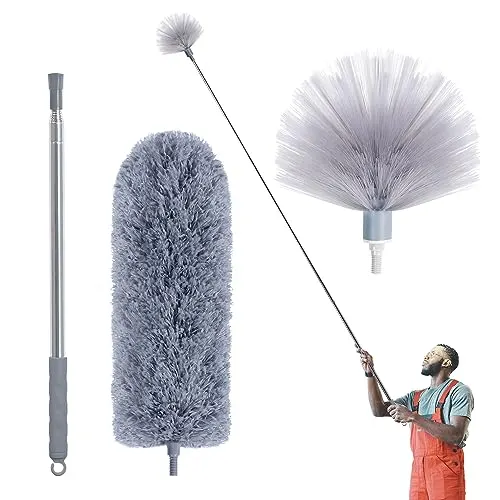
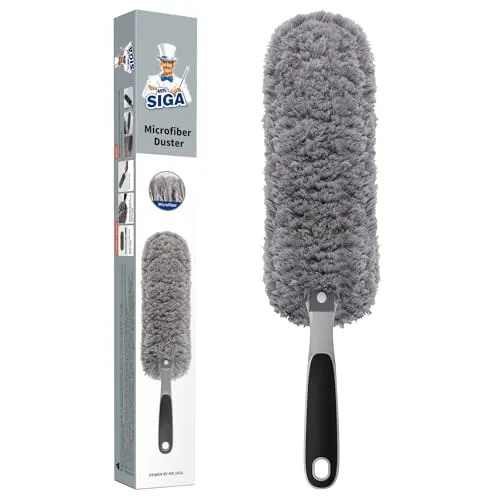
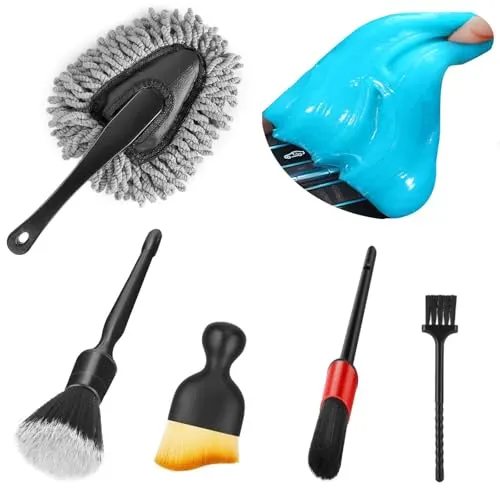
Compare Dusters for shelves, blinds, fans, and narrow spaces, with microfiber for flat, reachable surfaces.
Clean floors
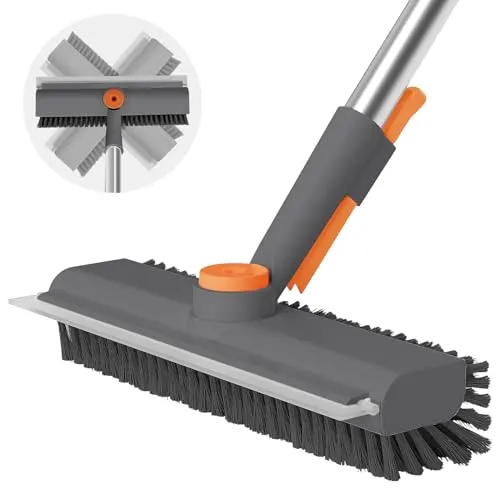
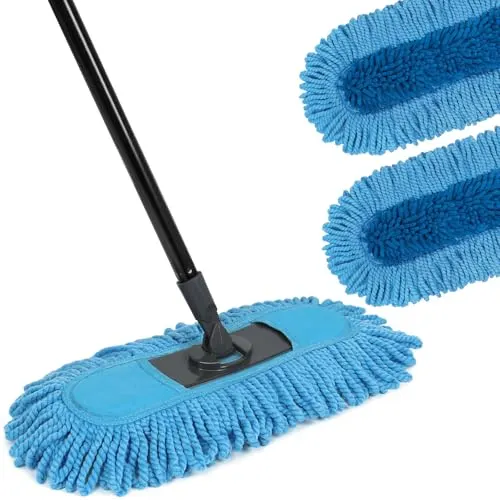
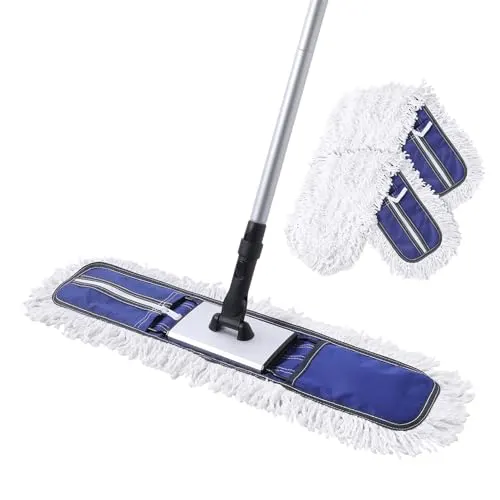
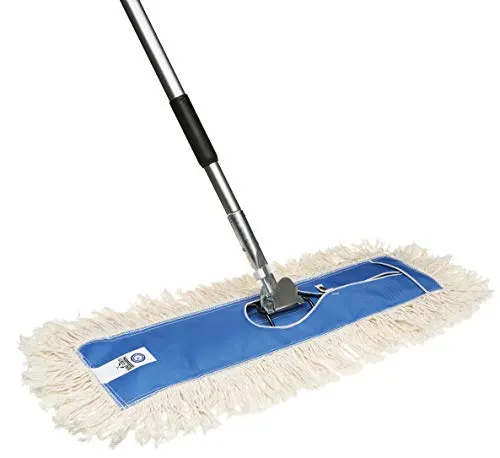
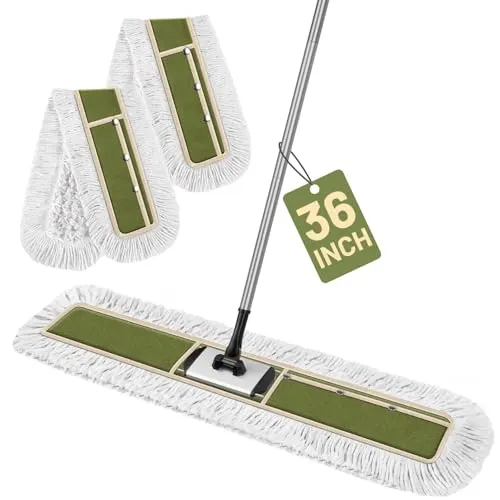
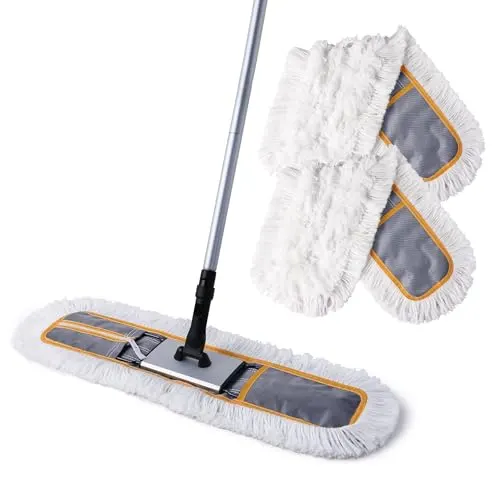
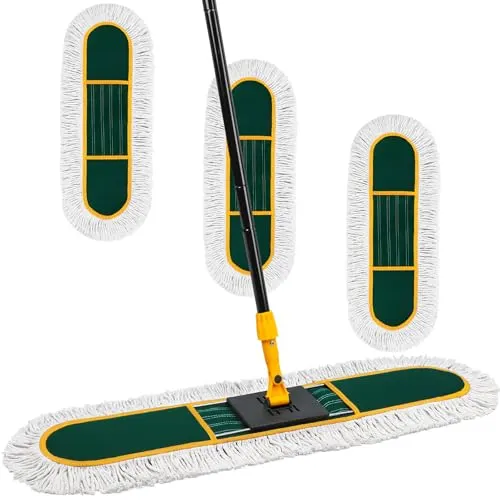
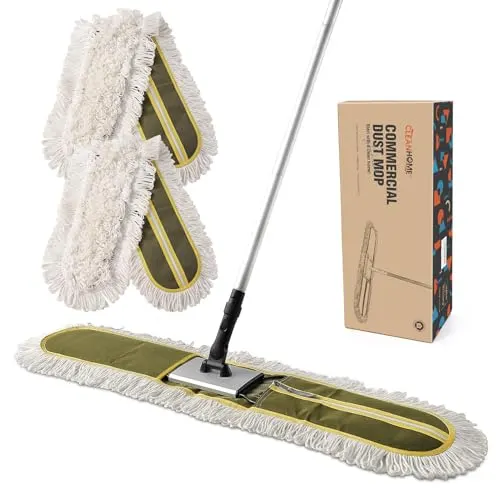
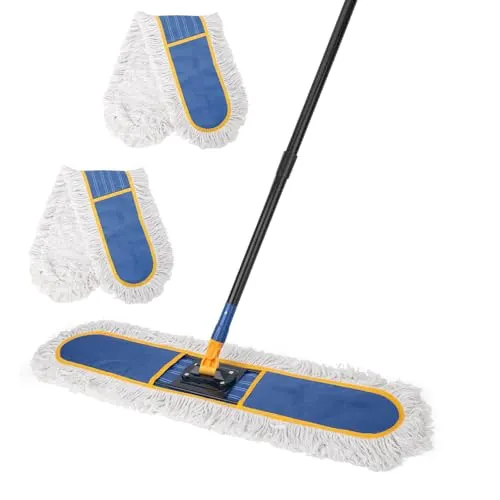
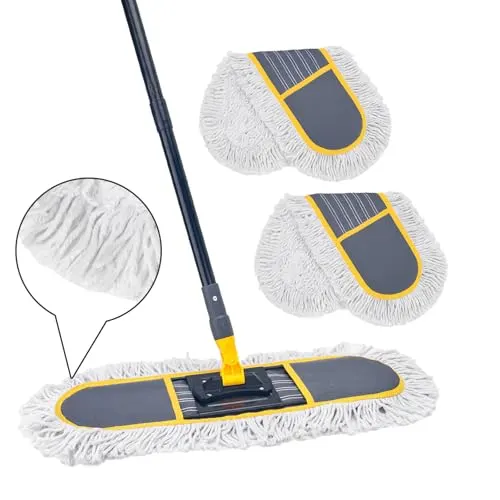
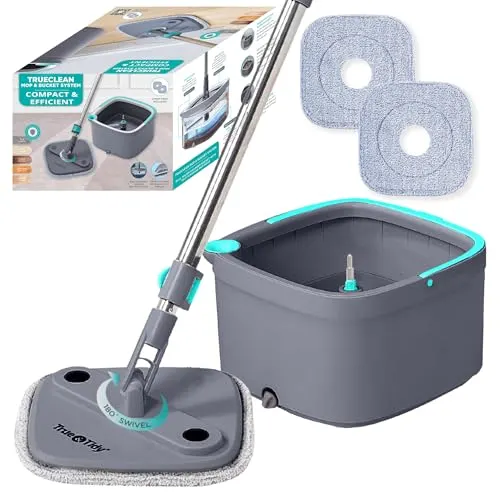
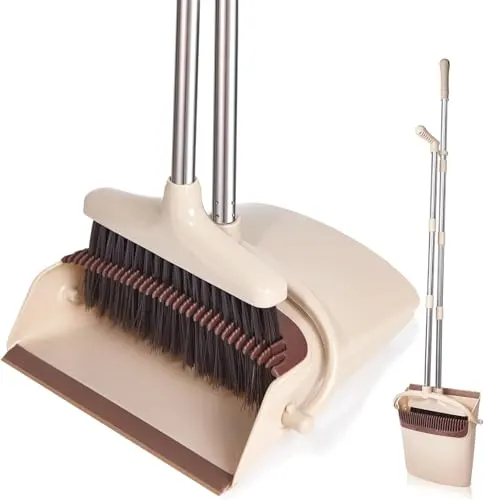
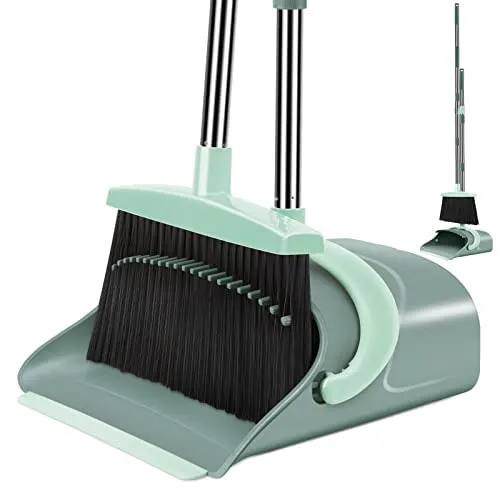
Start with Brooms, Dustpans, and Dust Mops for dry debris, then choose from Mops for compatible wet-cleaning jobs.
Care for glass
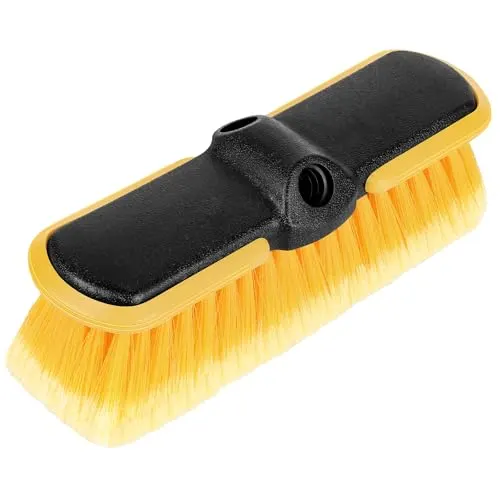
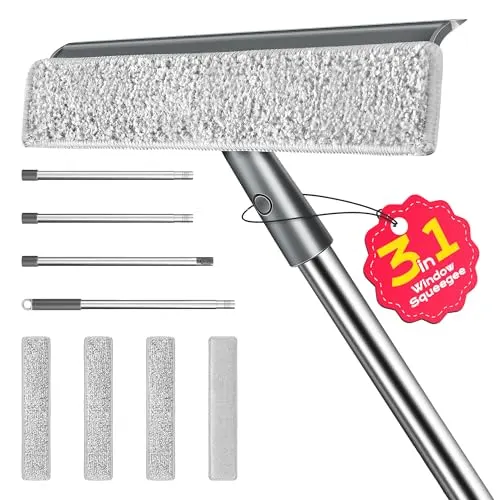
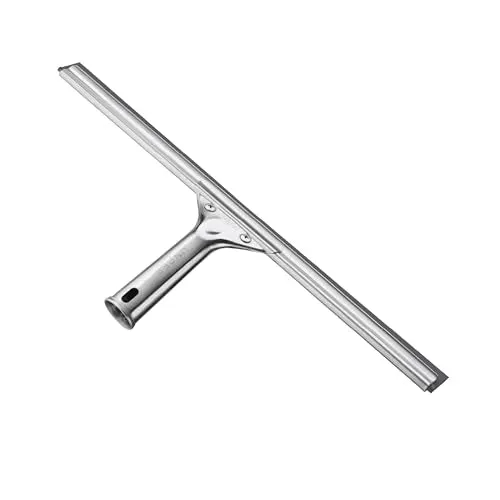
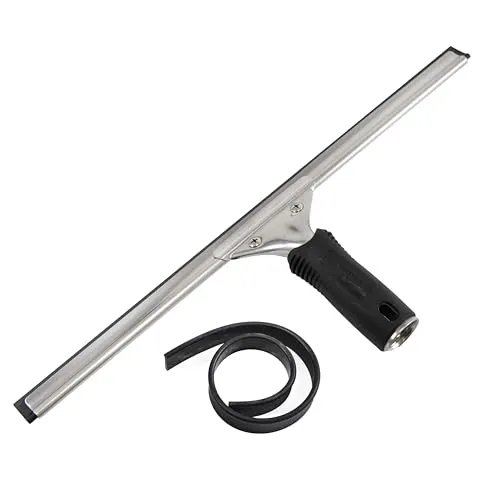
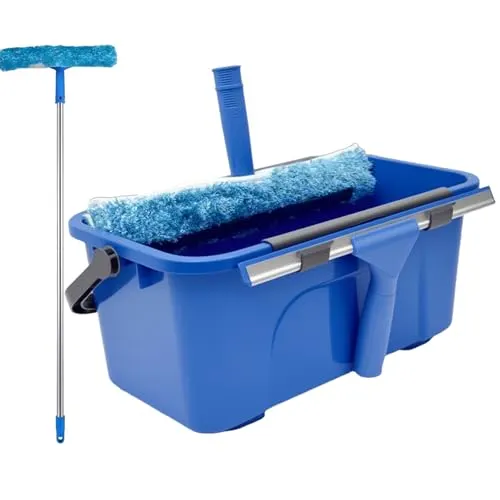
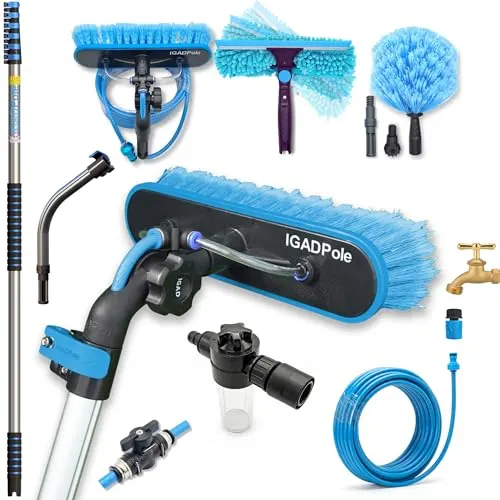
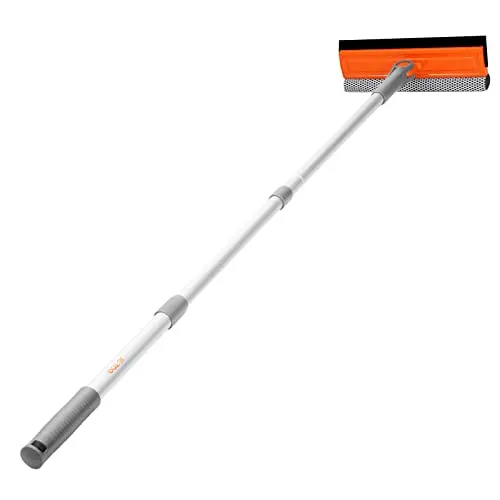
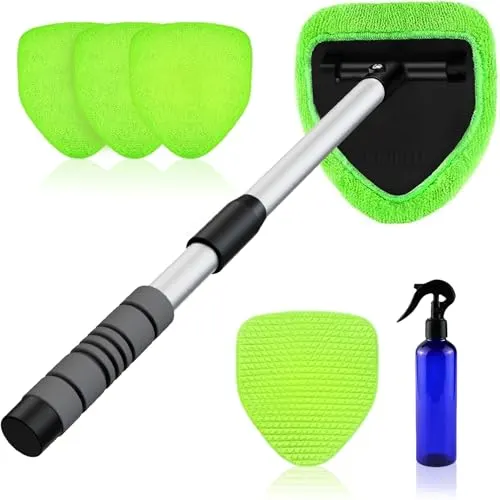
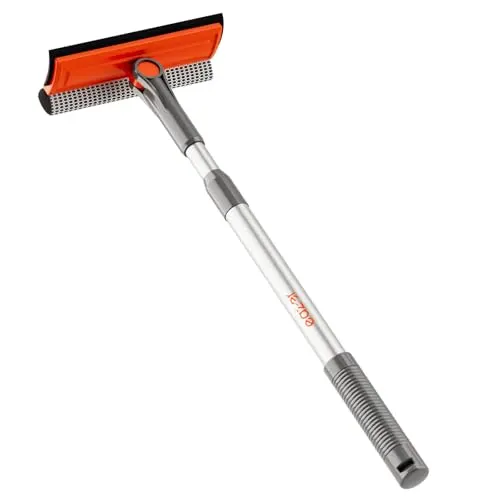
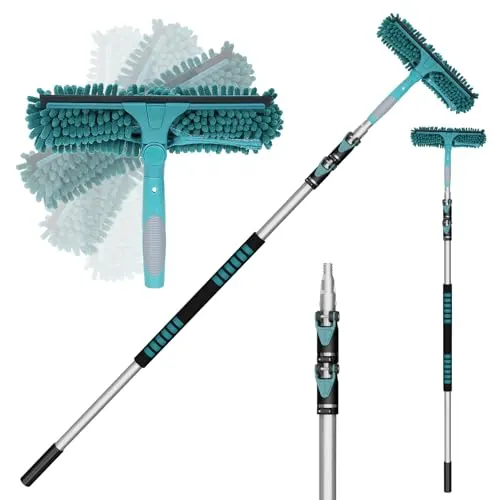
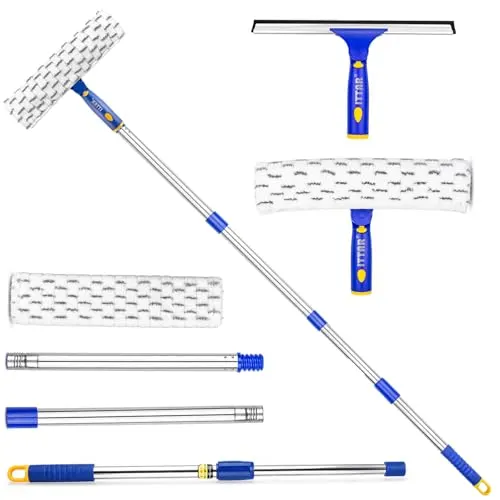
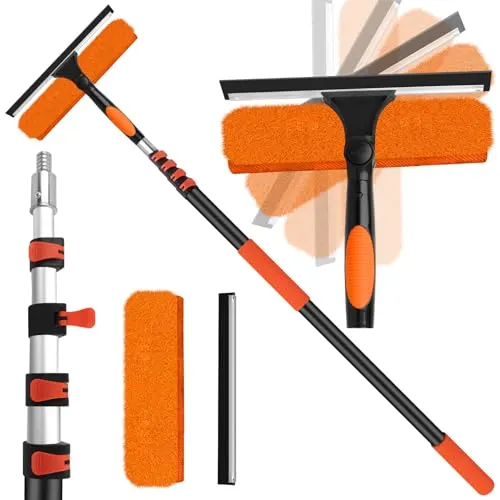
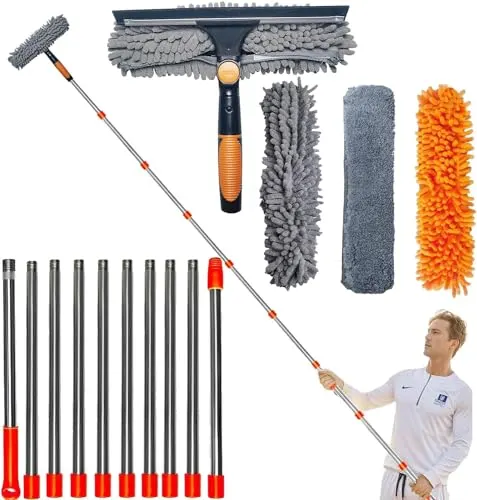
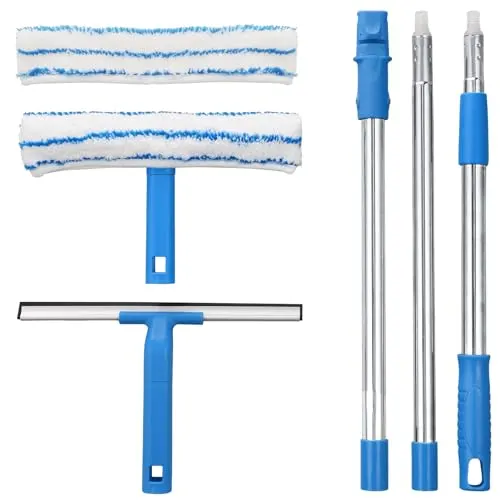
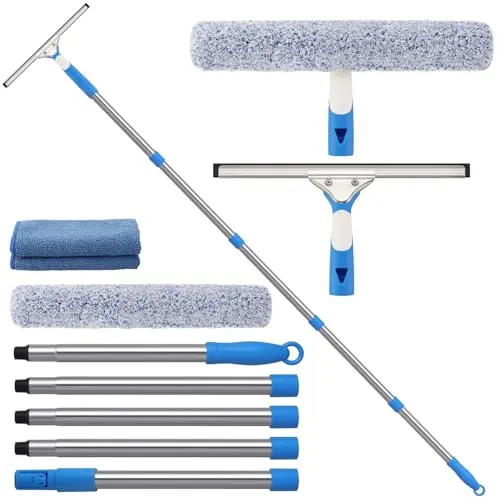
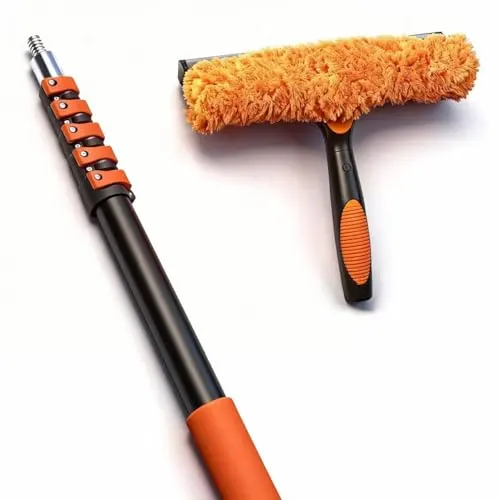
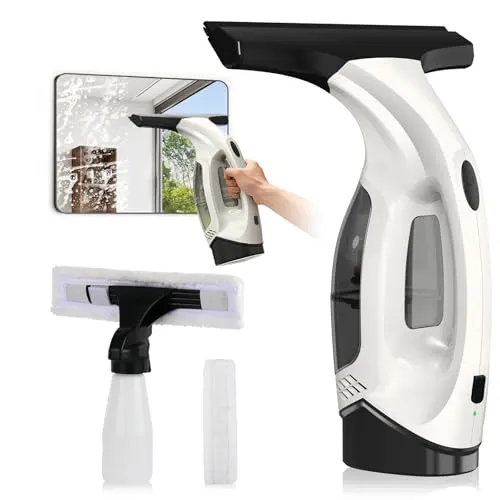
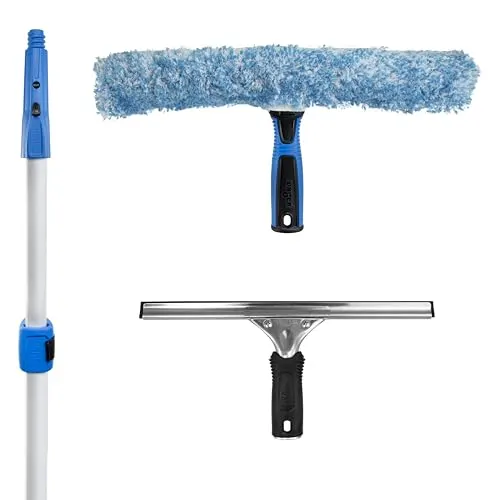
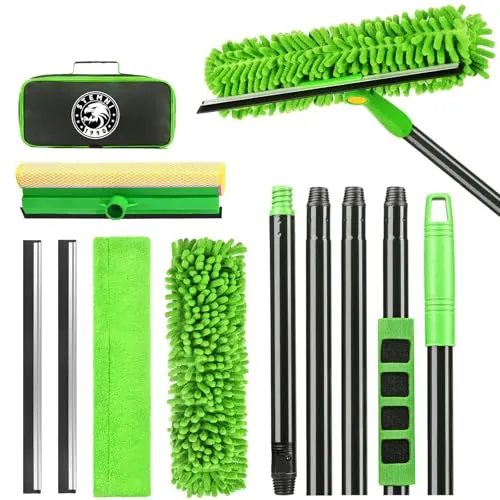
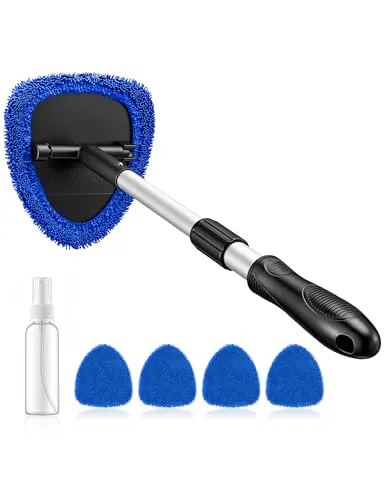
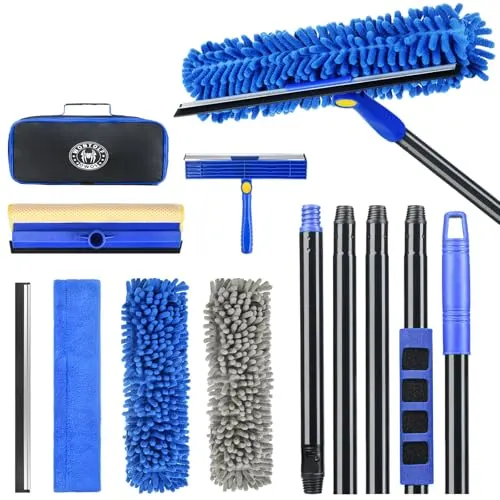
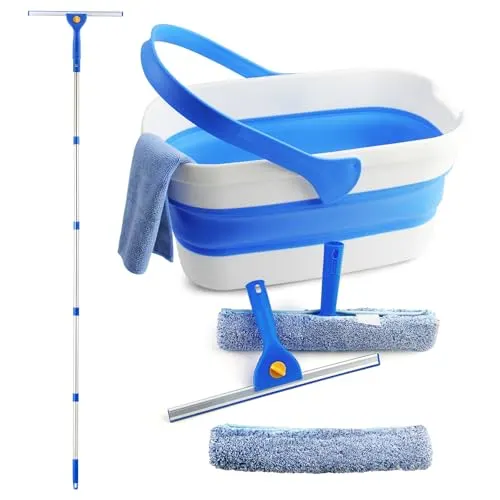
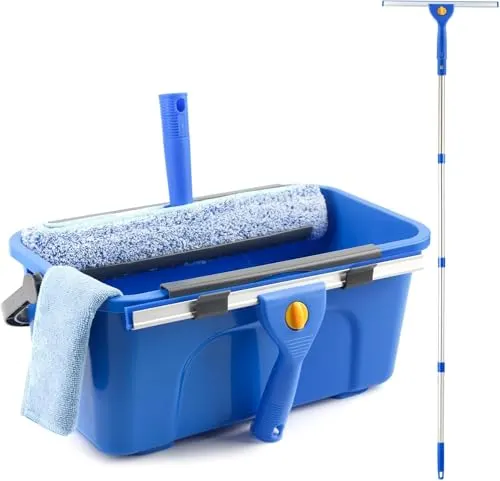
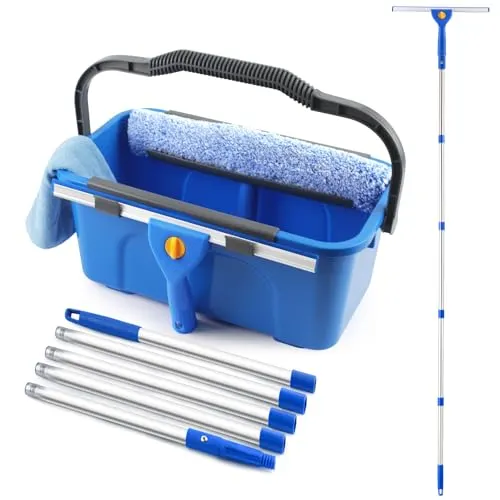
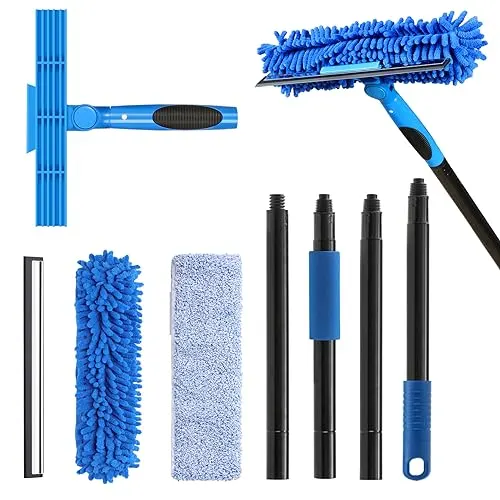
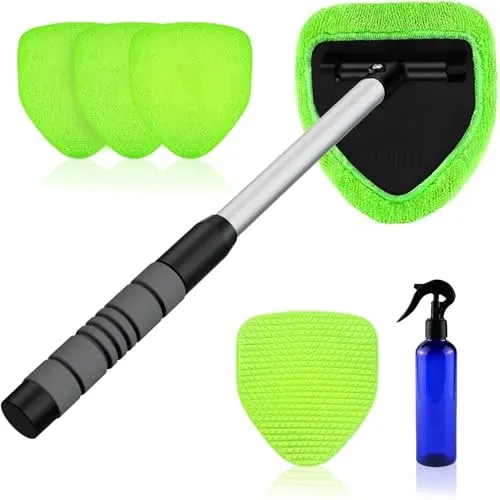
Find squeegees, scrubbers, and related accessories under Window Cleaning Tools.
Carry and store
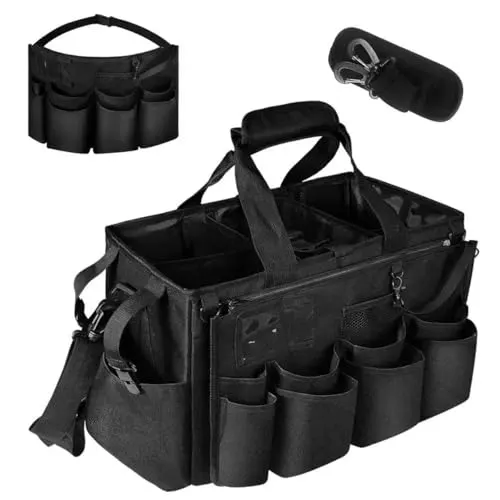
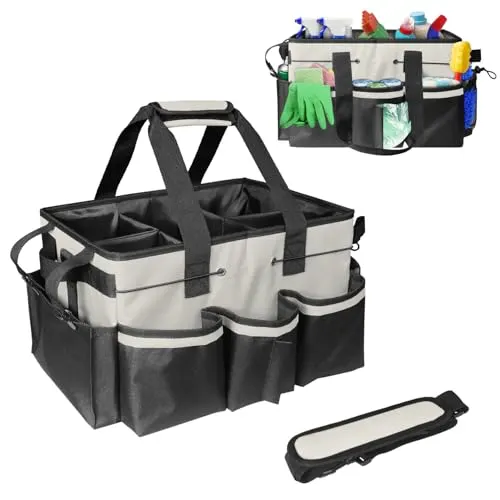
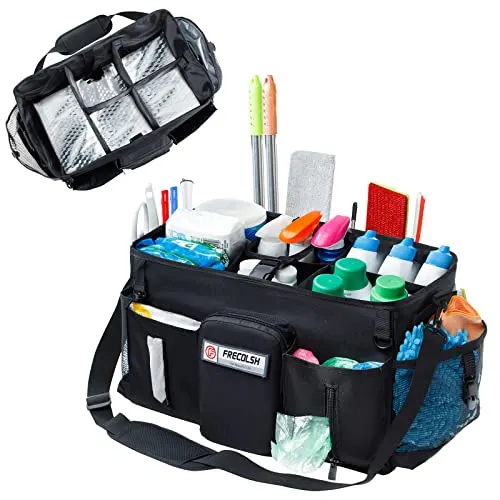
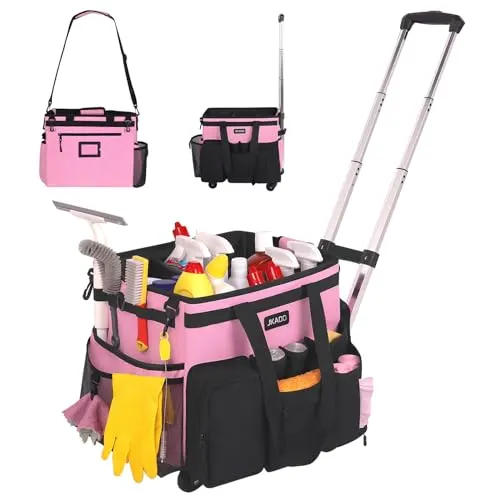
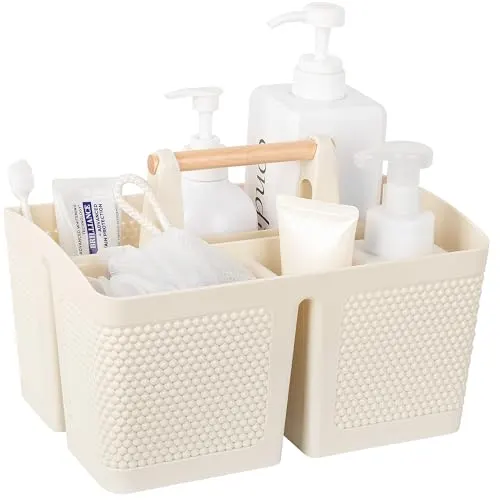
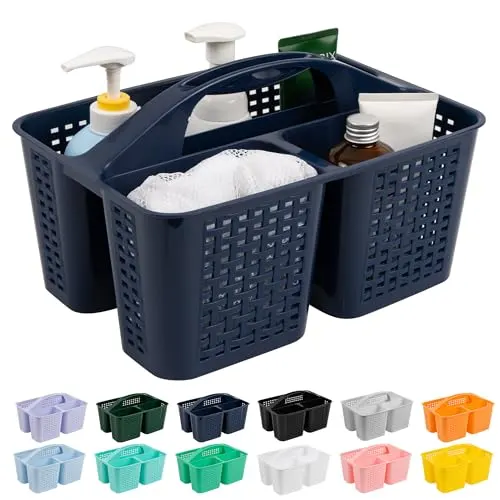
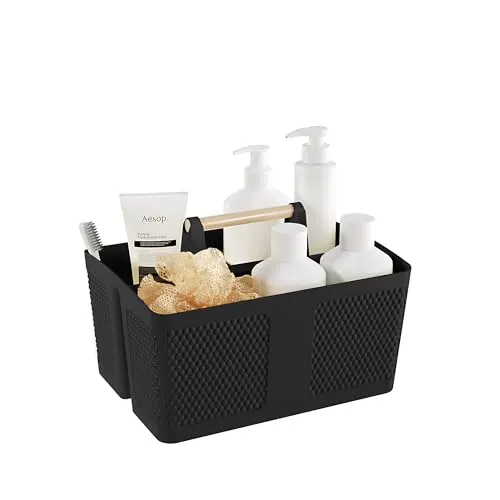
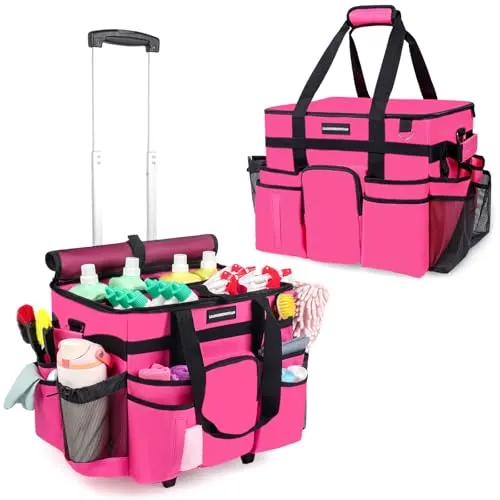
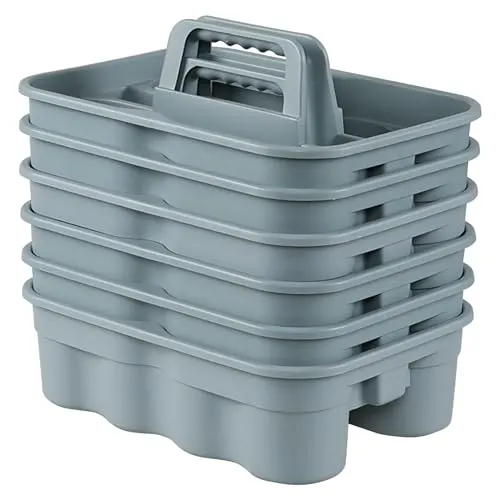
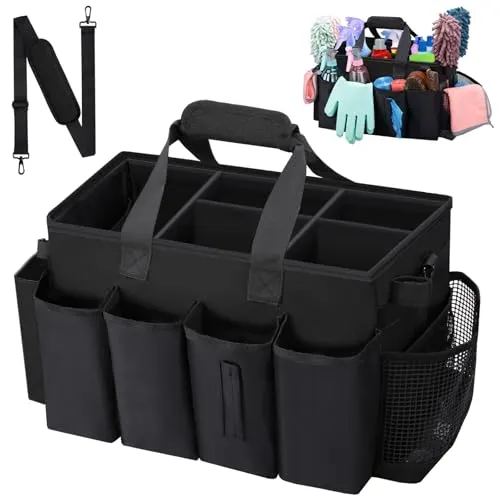
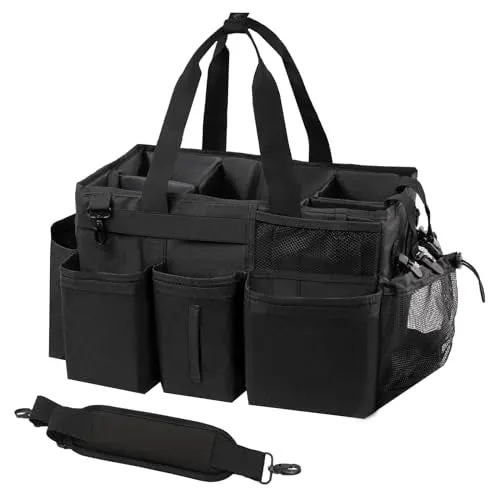
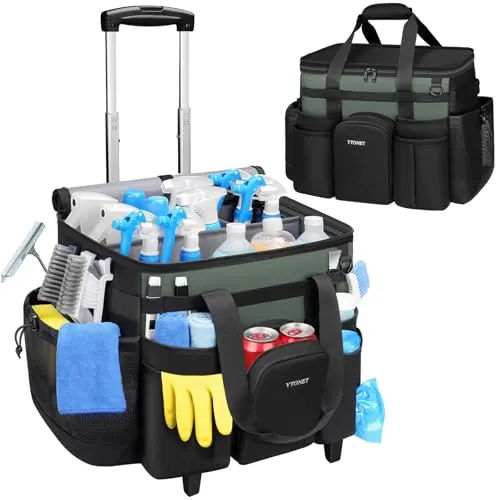
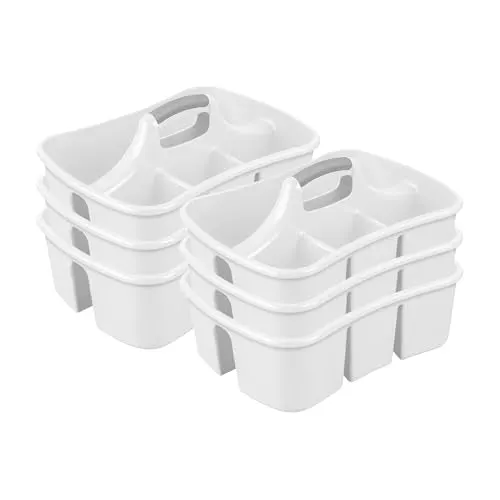
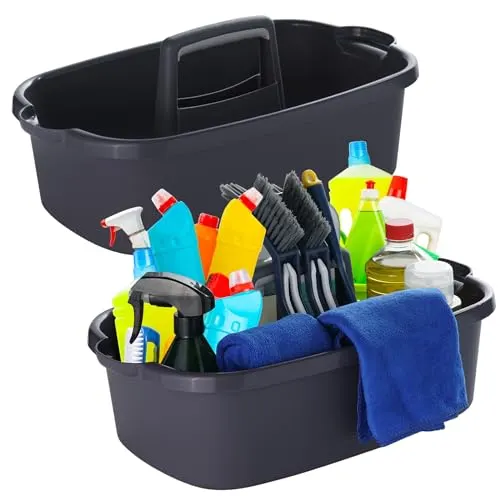
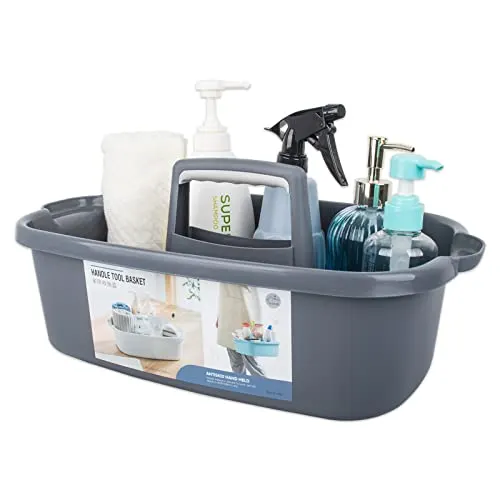
Keep daily-use products together with Cleaning Caddies and Organizers.
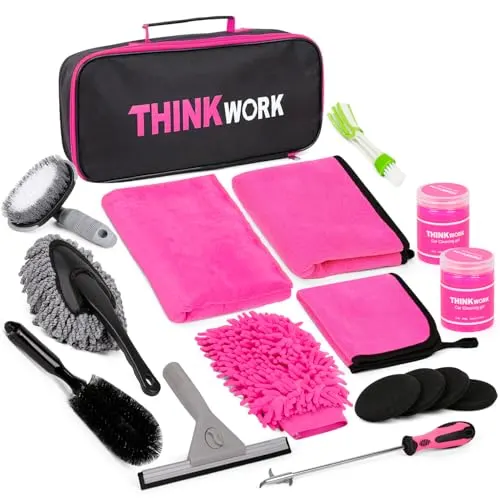
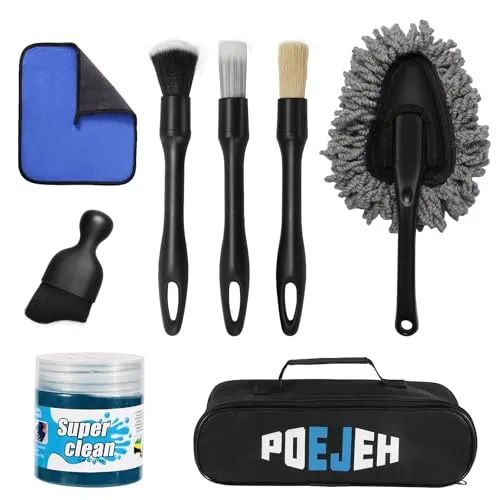
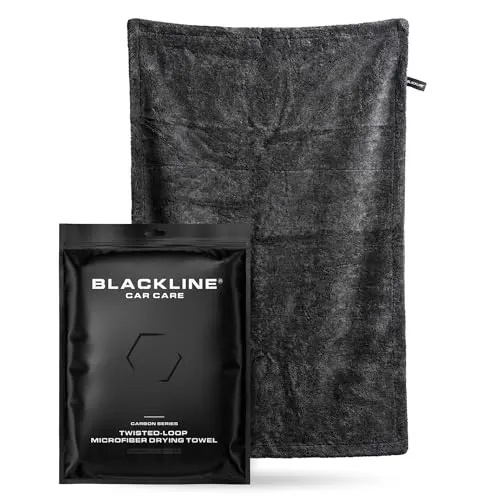
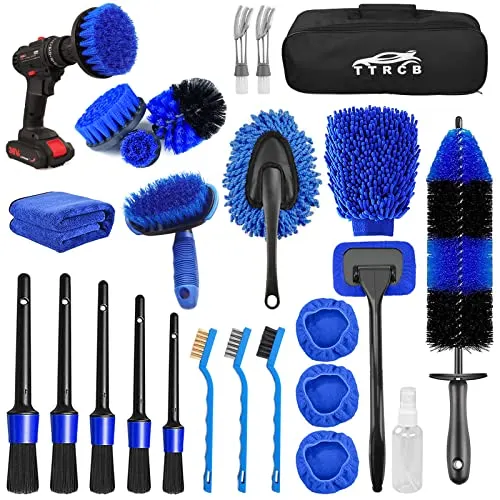
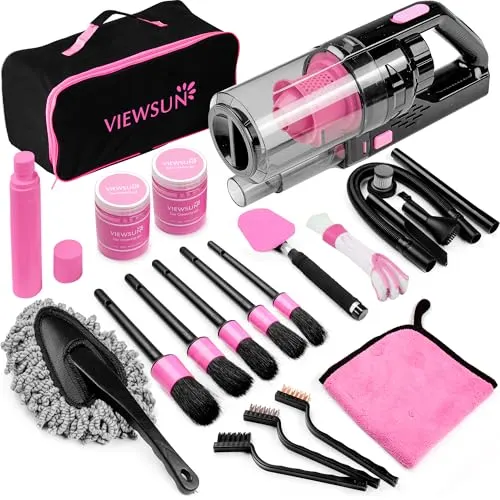
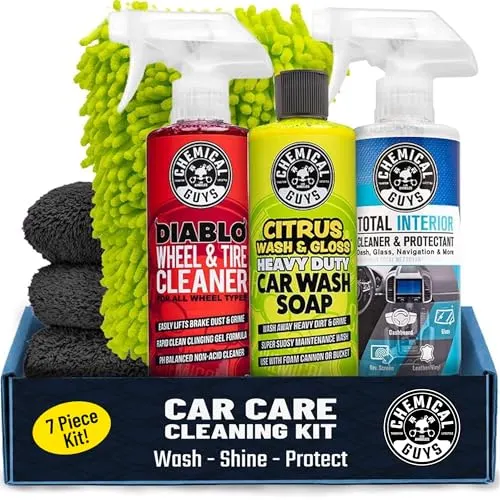
Building a separate kit for seats, mats, glass, pet hair, and crumbs? Follow the Car Cleaning Supplies authority guide for a vehicle-specific checklist and cleaning order.
\nChoose Supplies for the Job, Not the Label
Everyday kitchen and counter cleanup
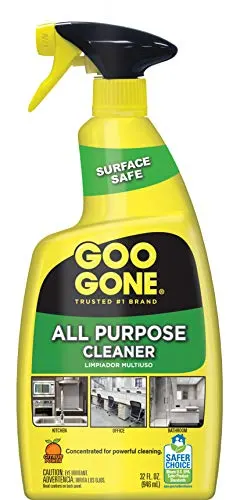
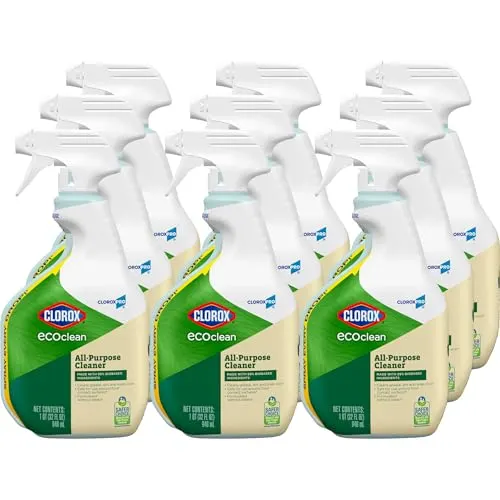
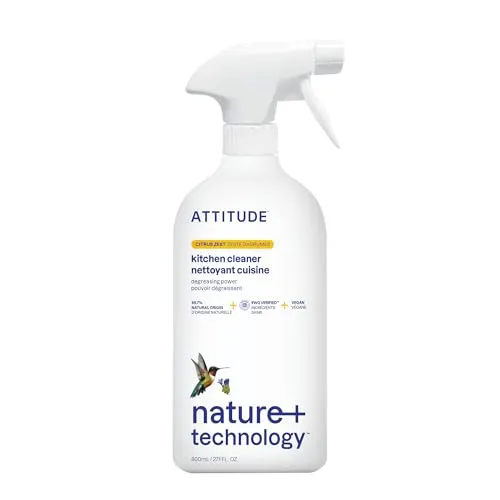
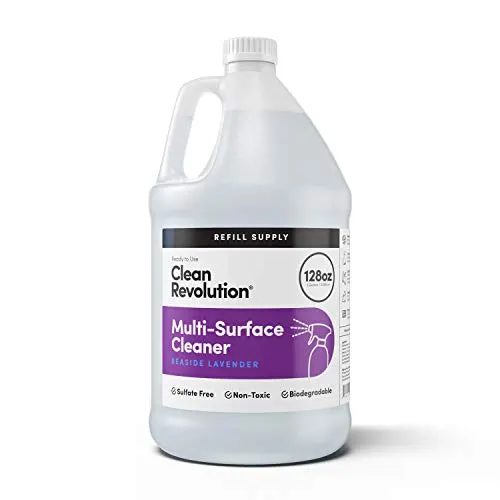
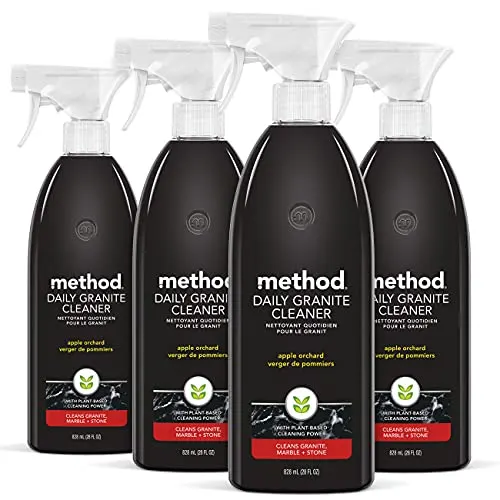
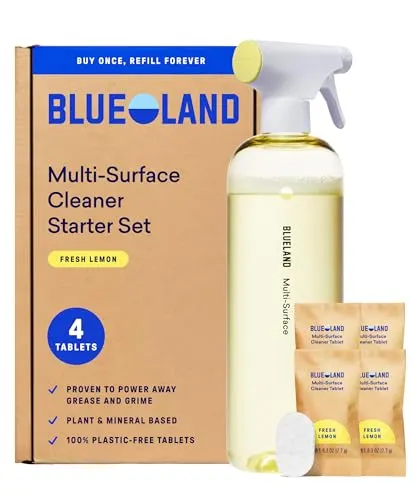
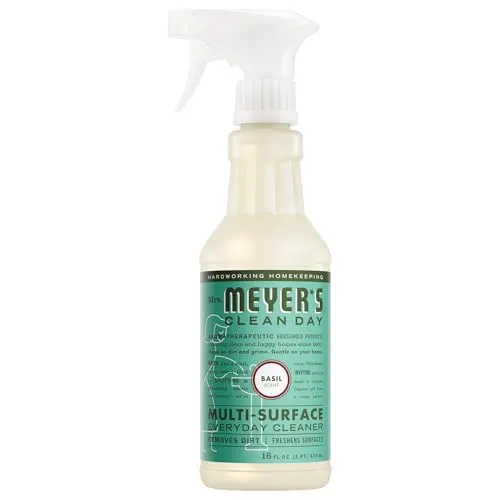
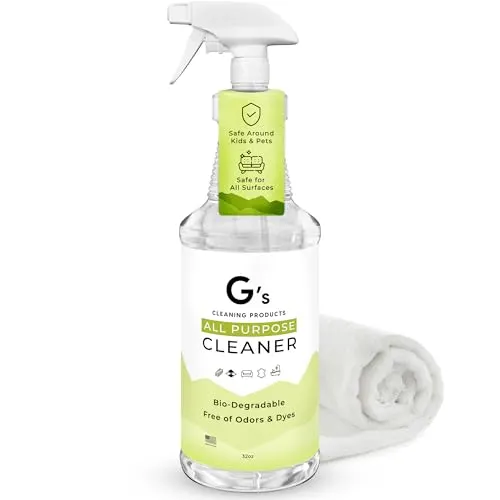
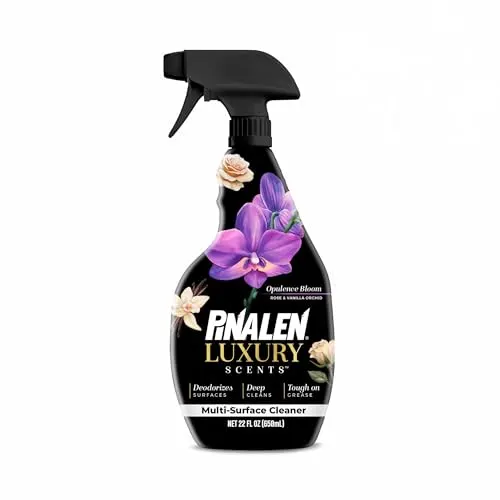
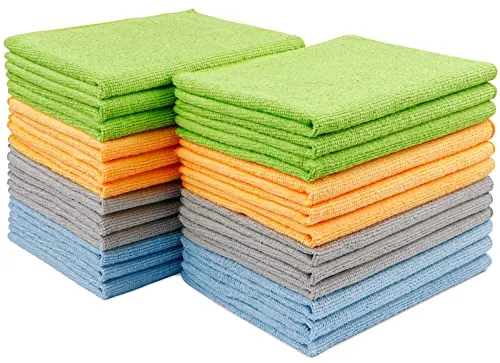
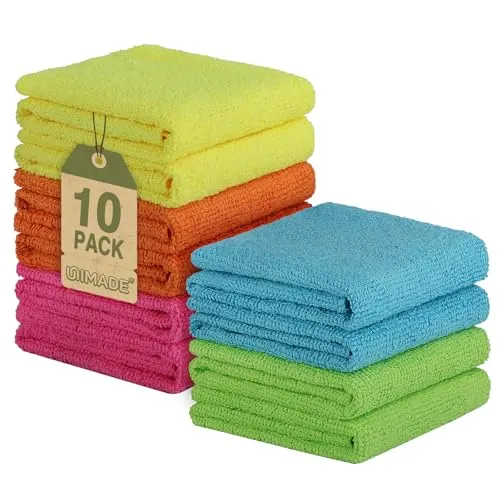
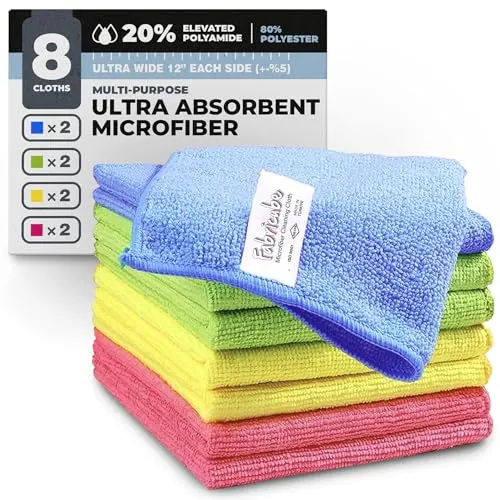
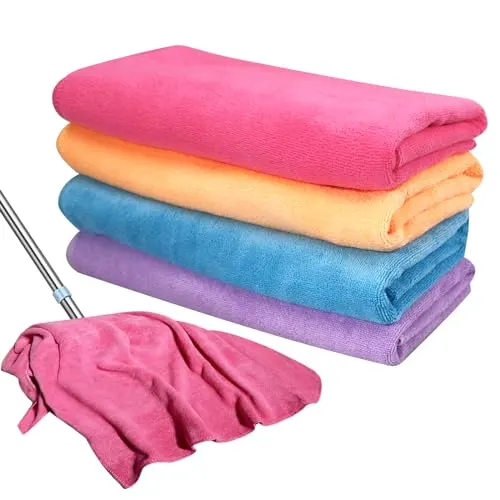
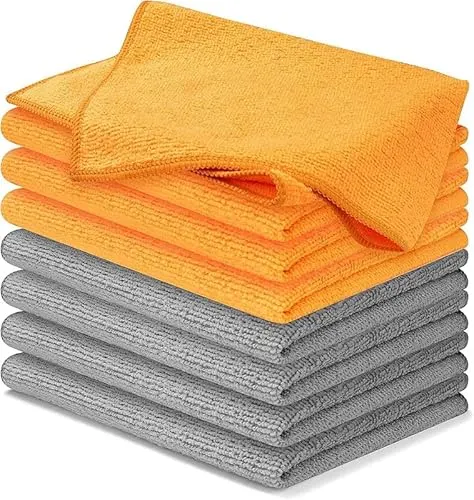
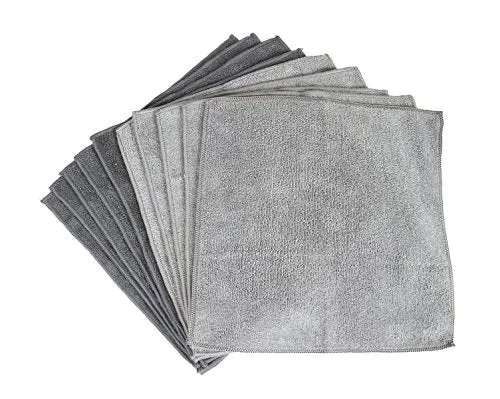
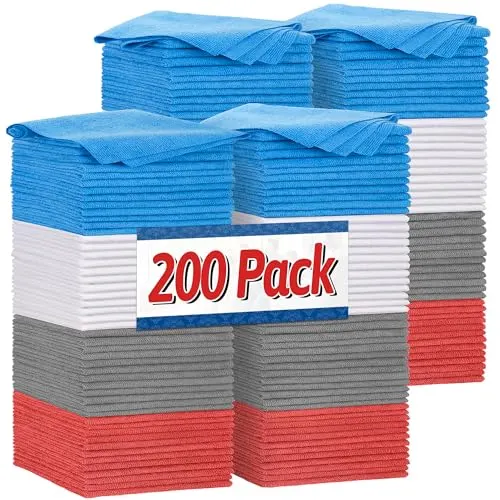
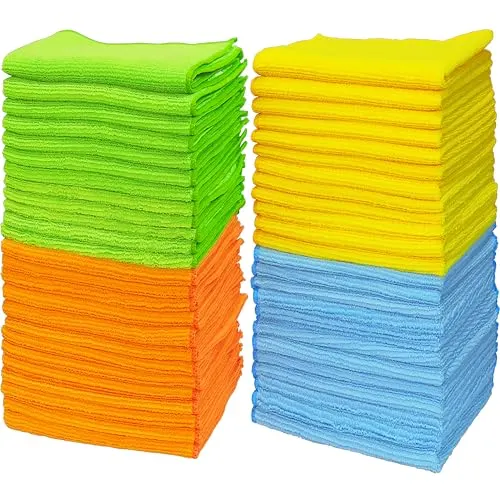
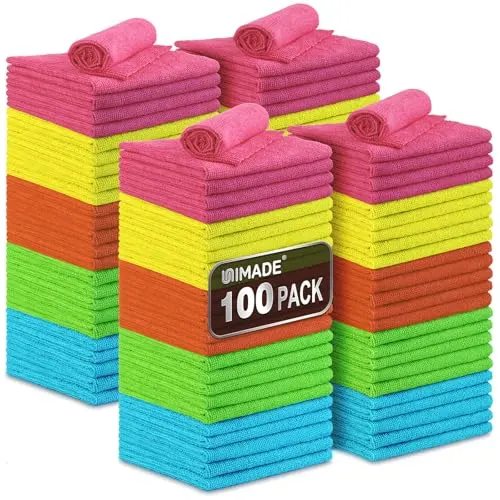
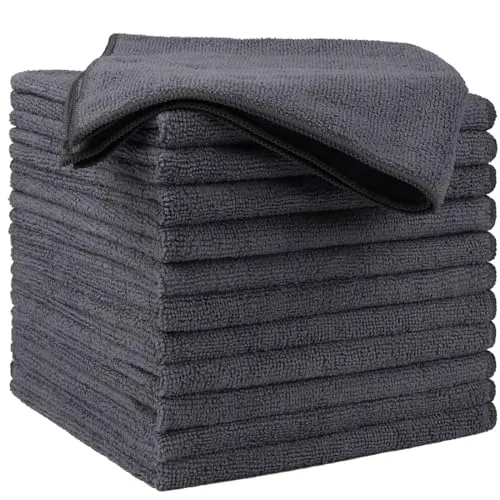
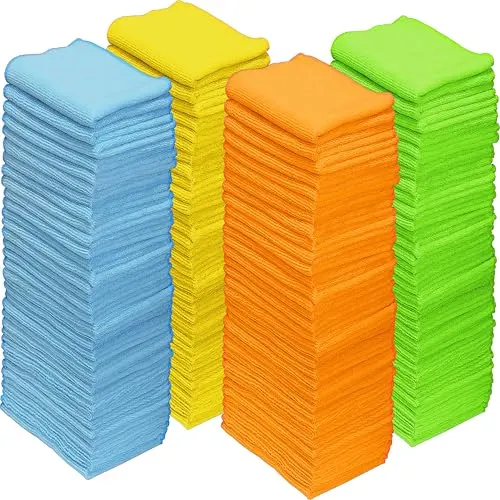
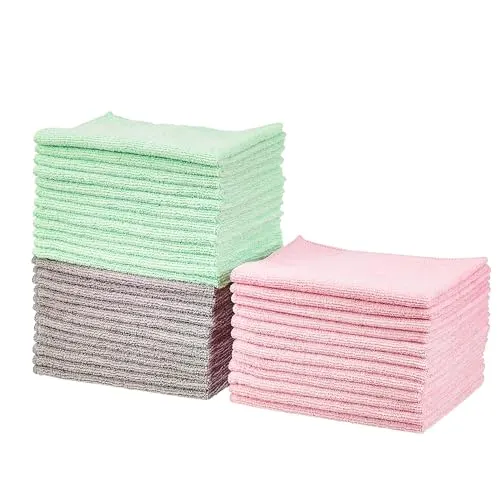
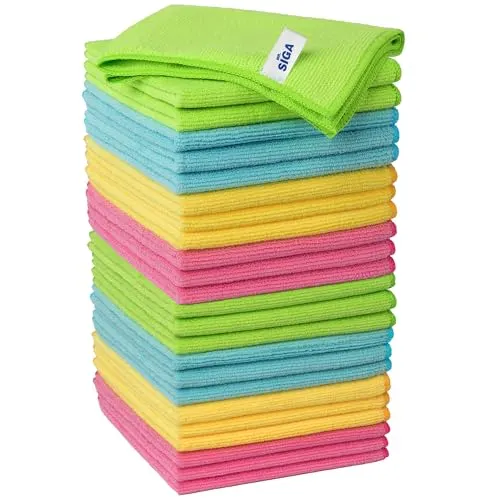
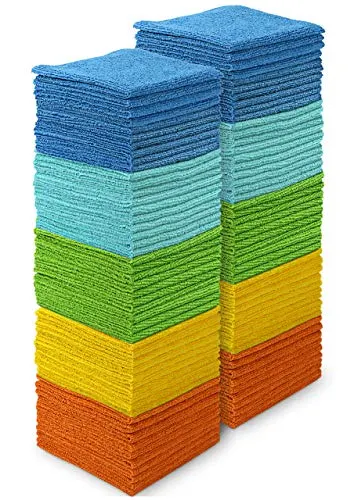
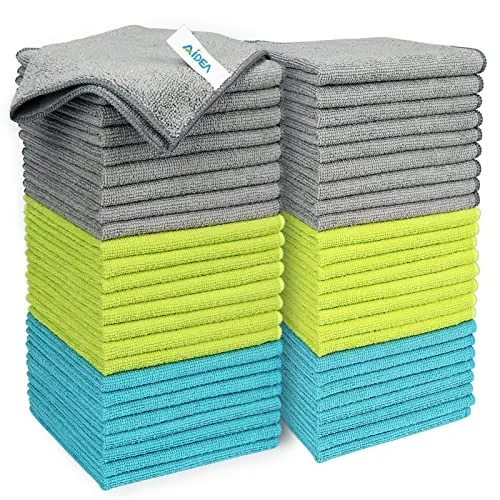
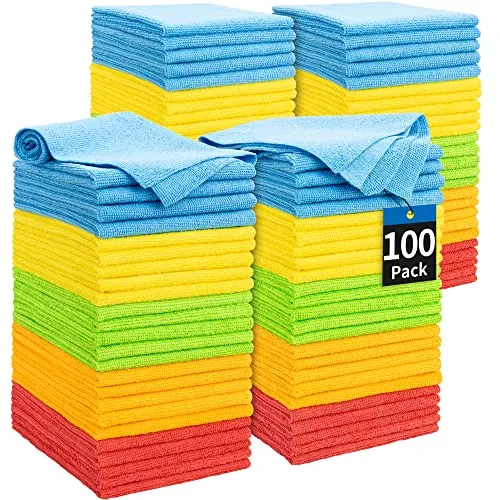
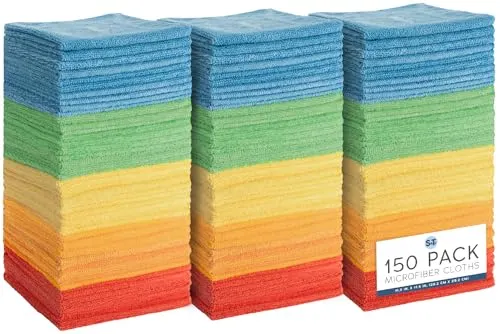
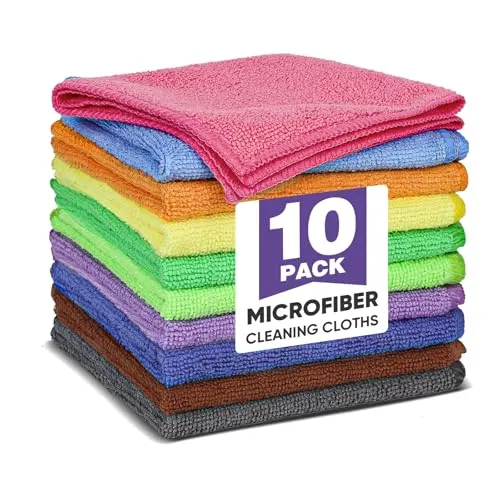
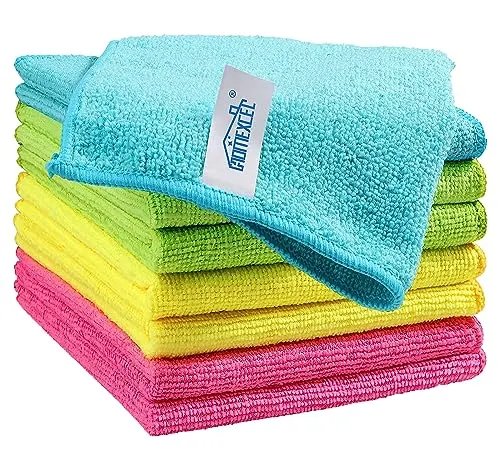
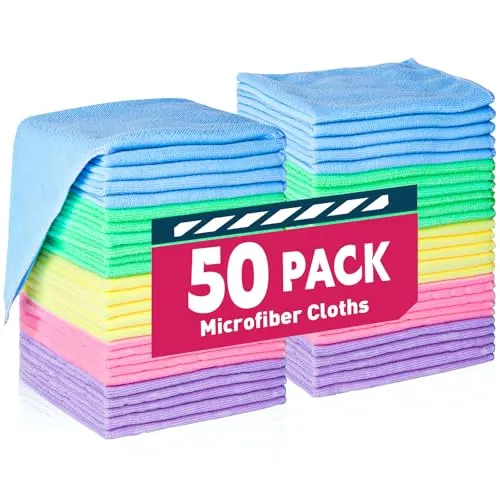
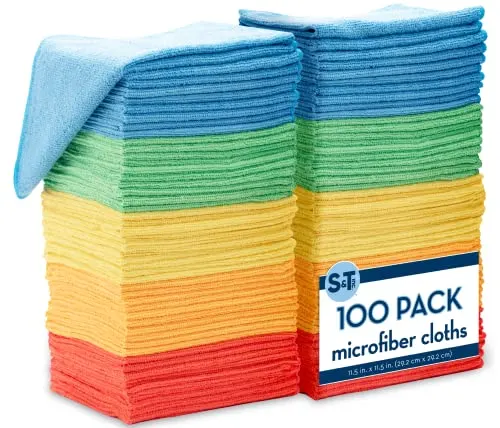
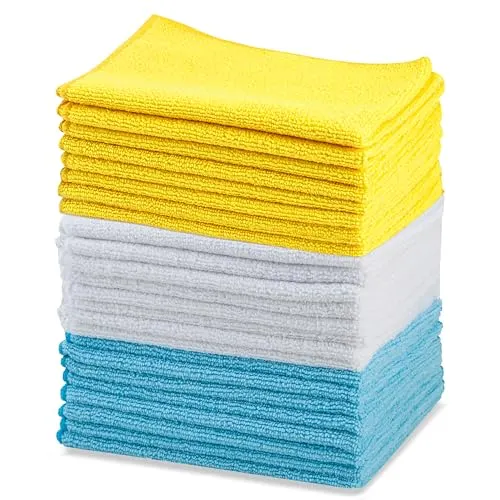
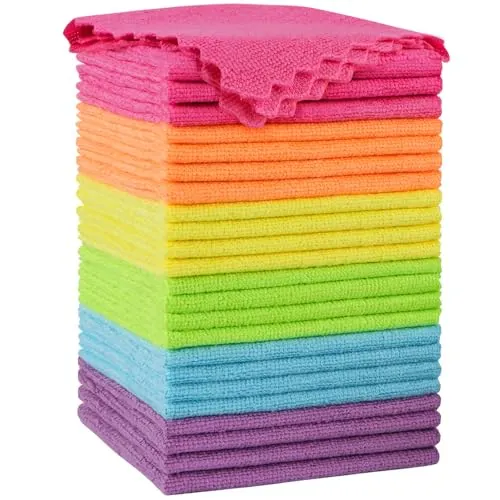
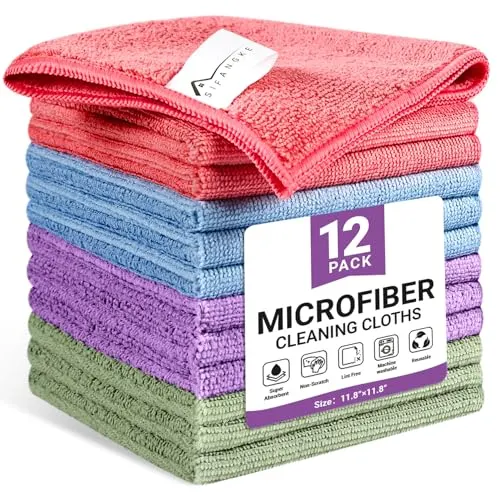
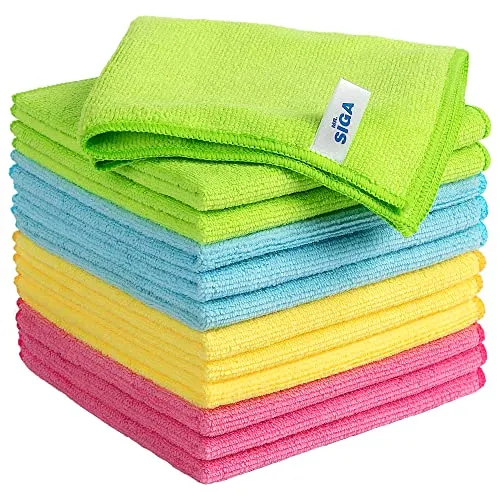
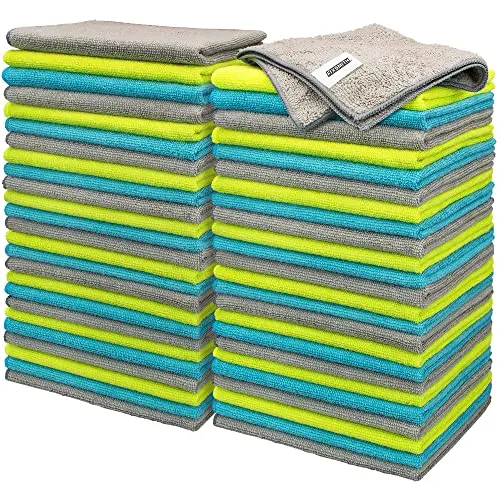
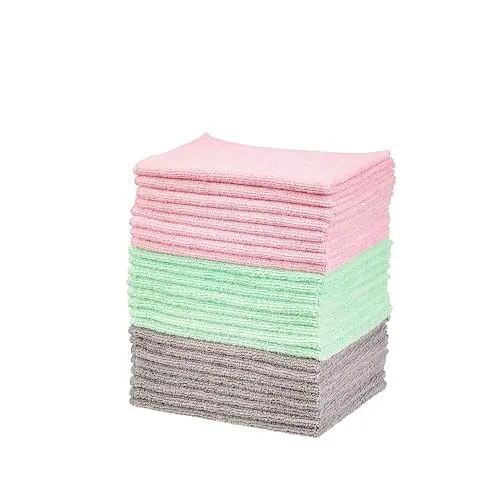
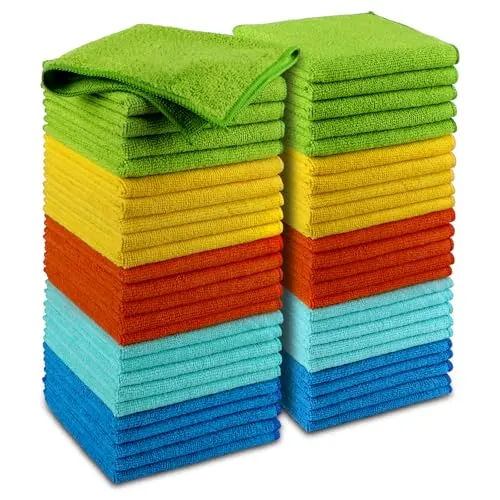
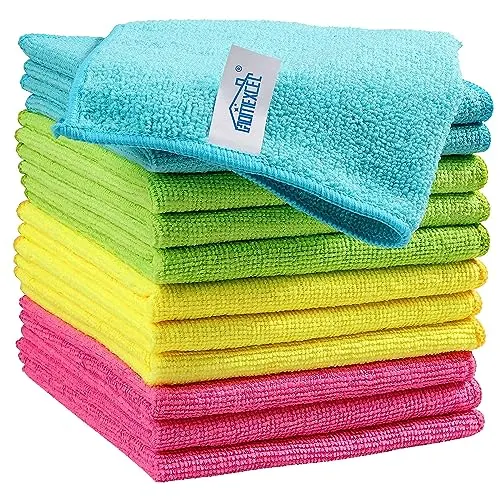
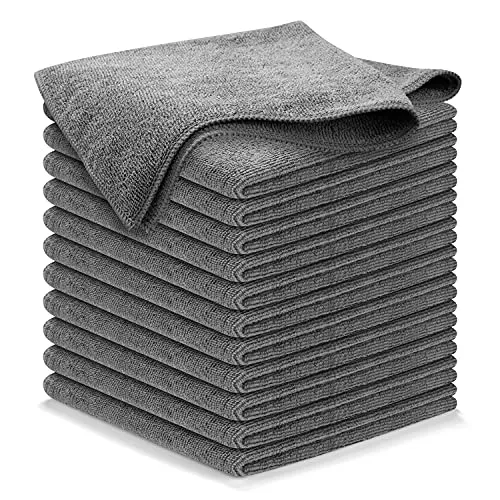
For crumbs, spots, and routine wiping, begin with a washable cloth and a cleaner that explicitly lists the surface on its label. A stack of color-coded cloths can help separate kitchen, bathroom, and general-use tasks. If you prefer a ready-to-use formula, compare the ingredients, scent, directions, and surface restrictions—not just the words “all-purpose.” Natural stone, unfinished wood, specialty coatings, and food-contact surfaces may need different handling.
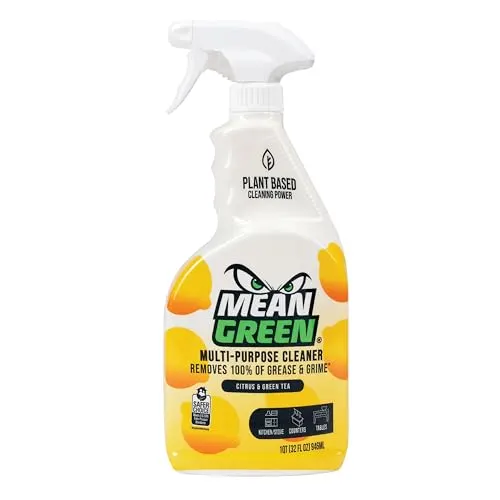
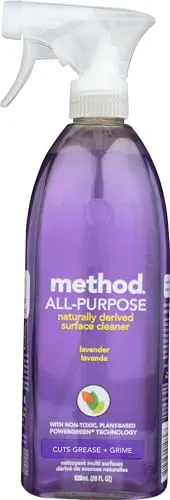
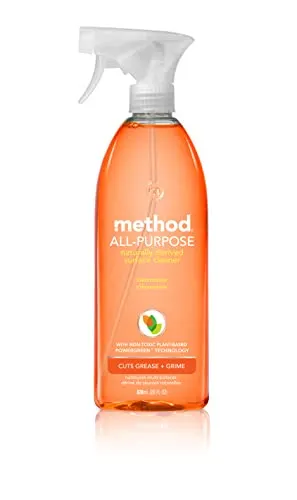
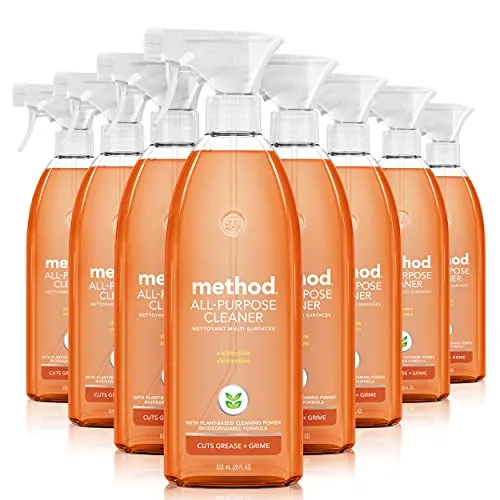
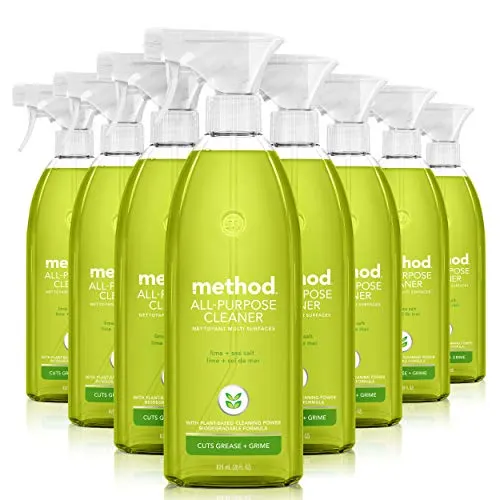
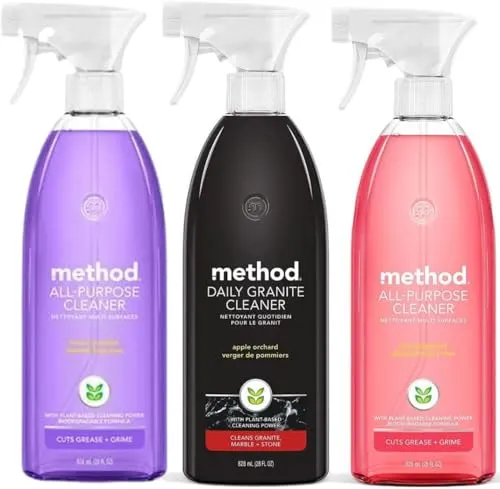
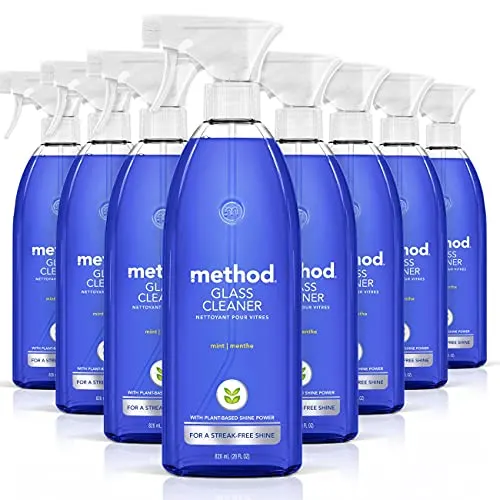
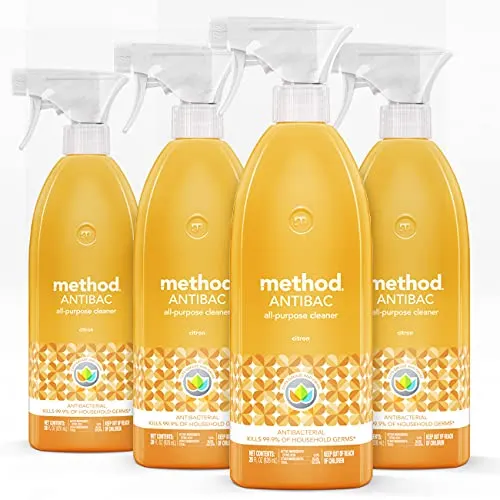
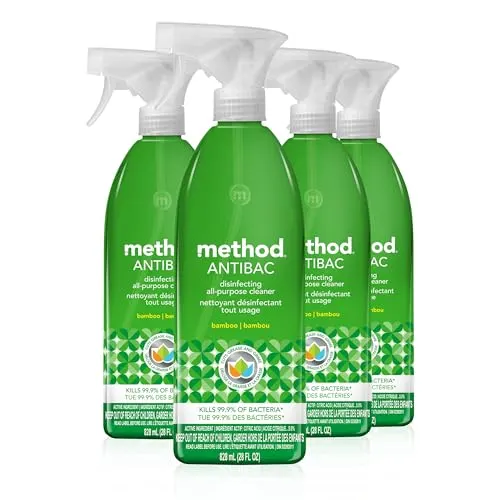
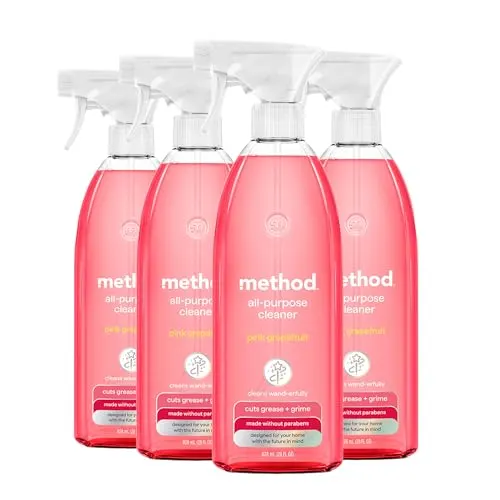
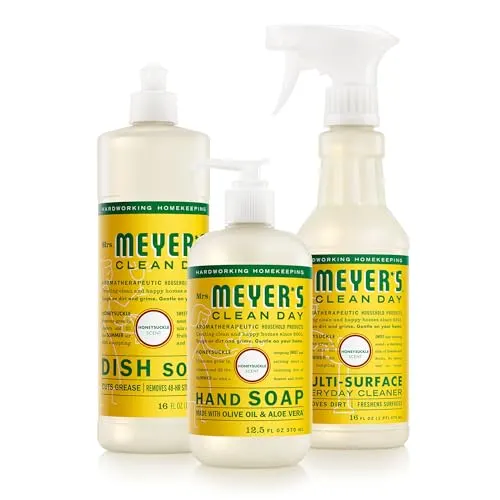
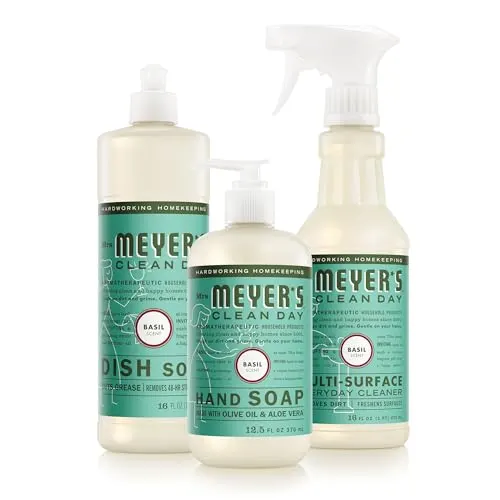
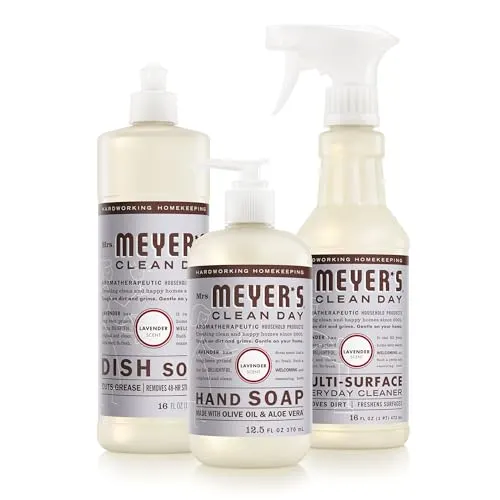
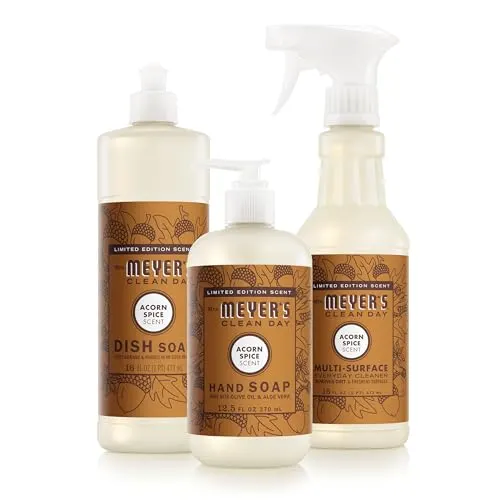
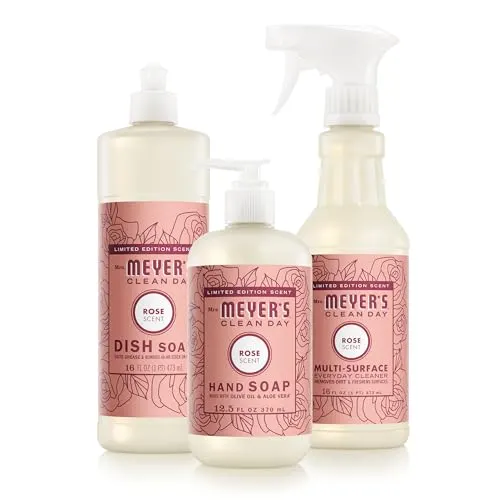
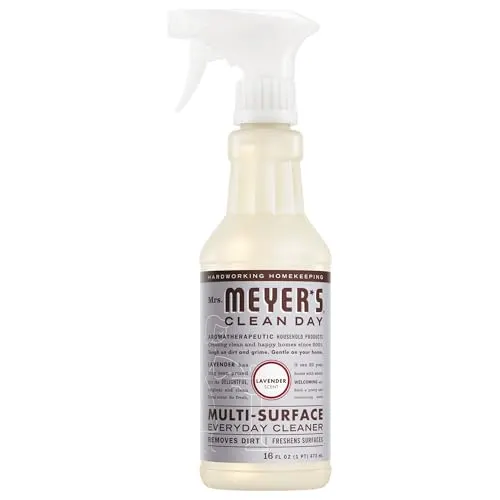
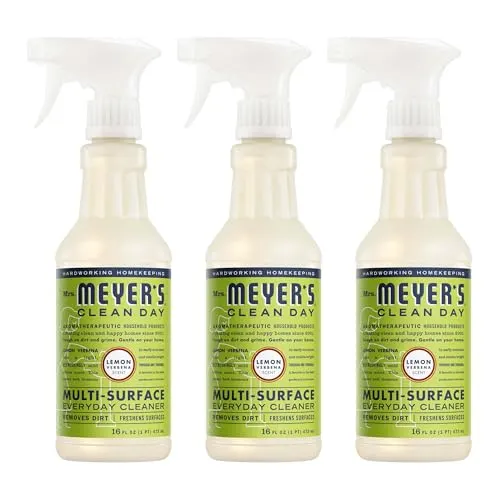
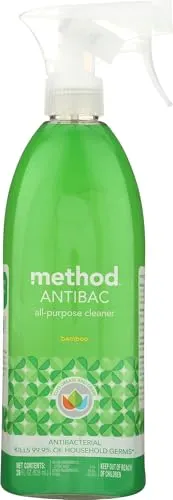
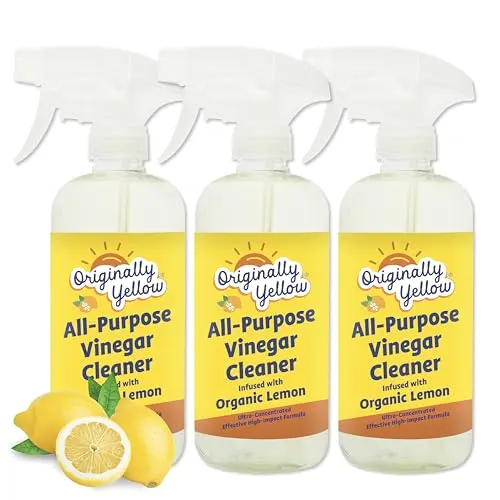
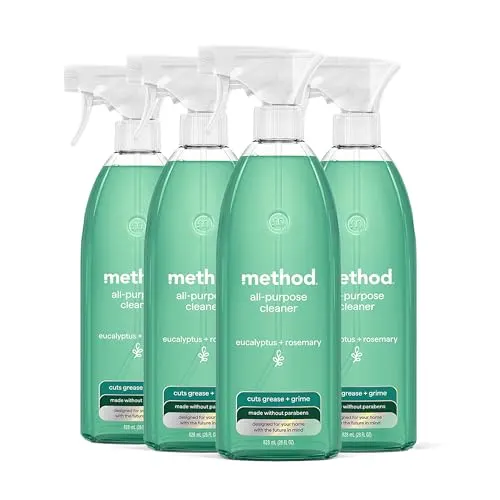
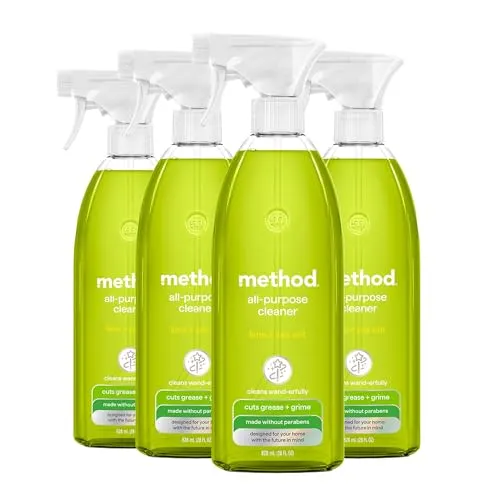
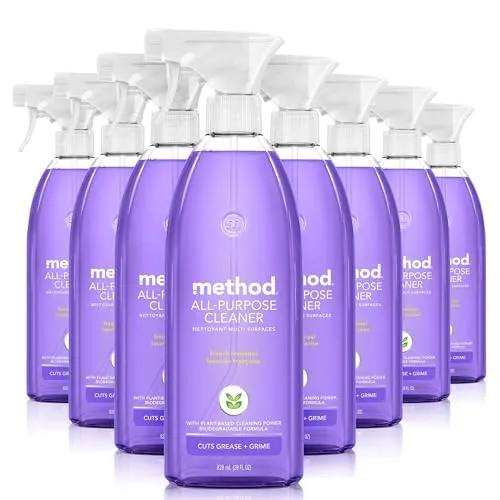
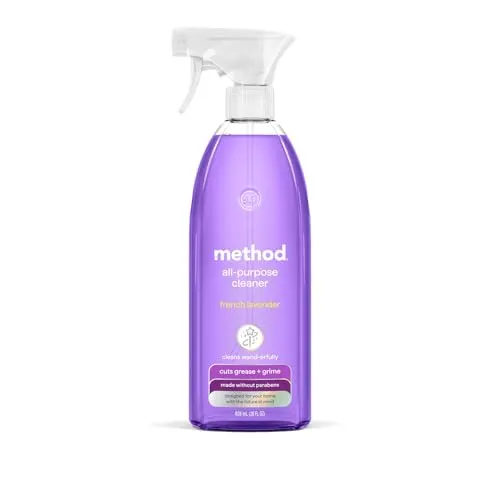
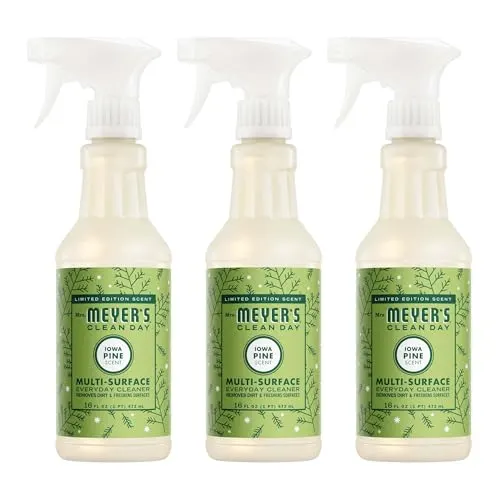
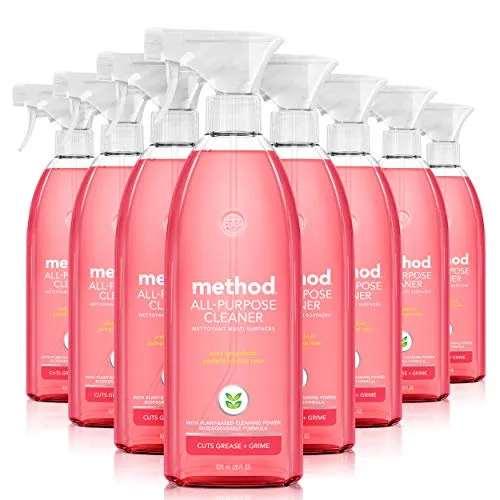
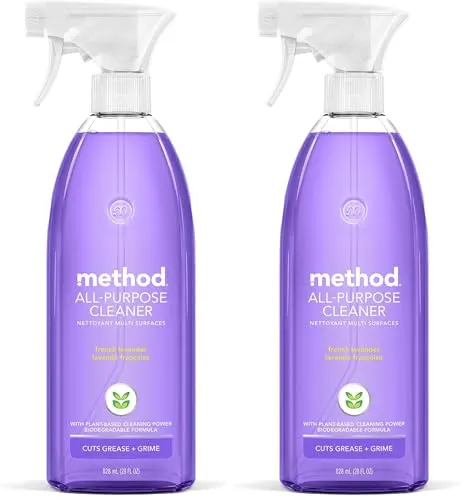
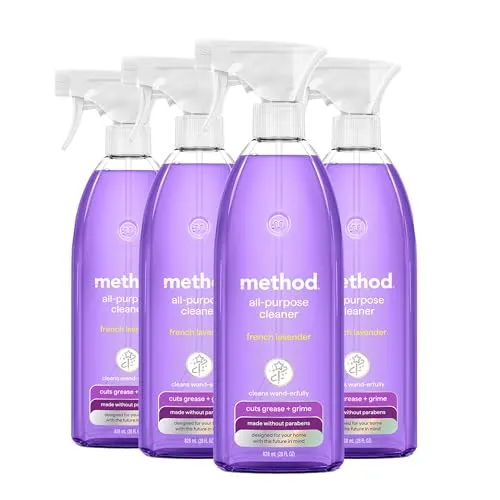
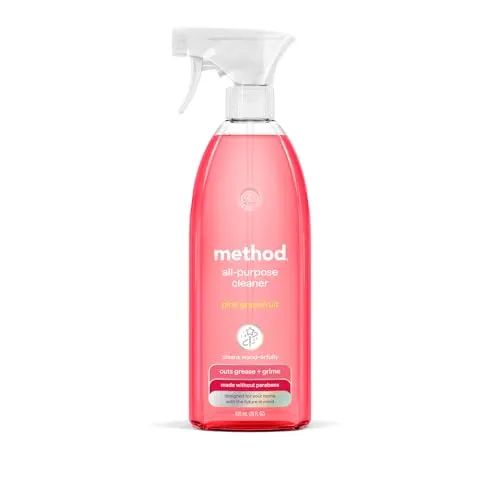
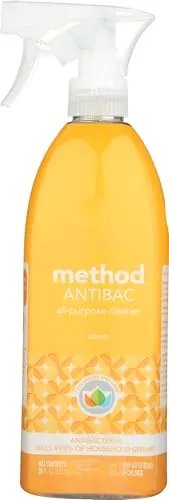
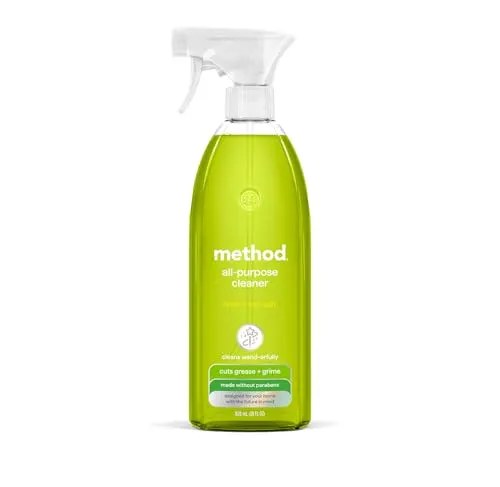
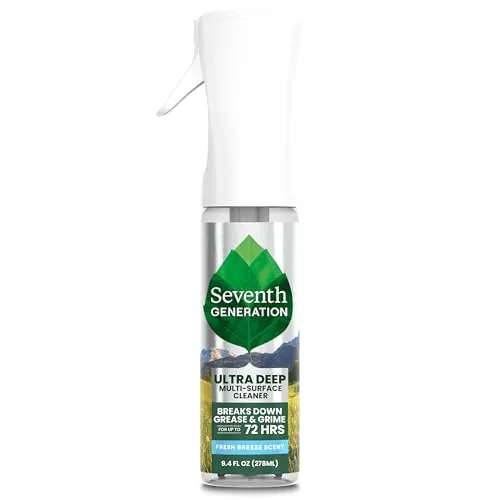
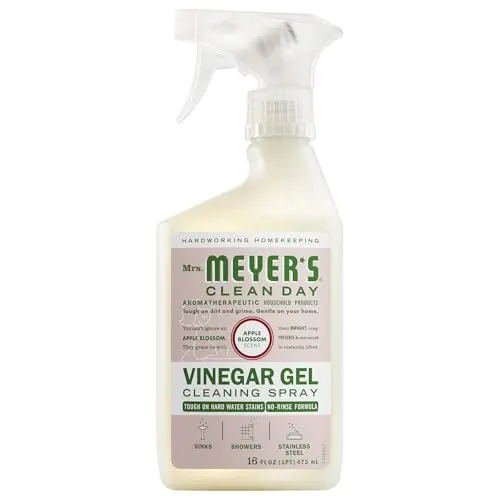
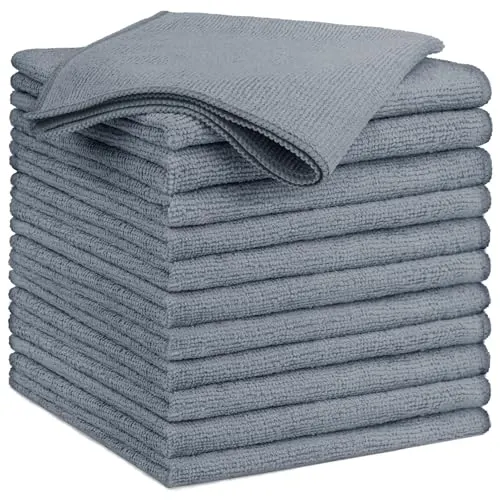
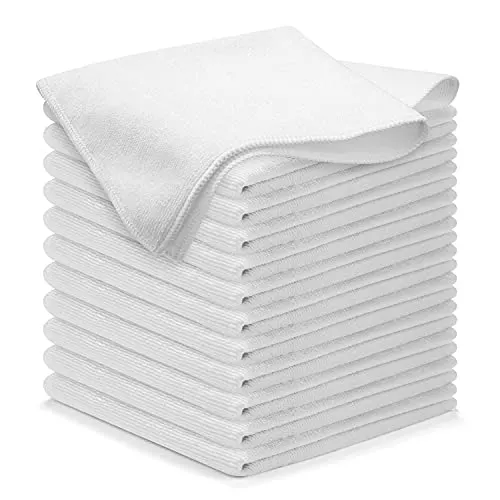
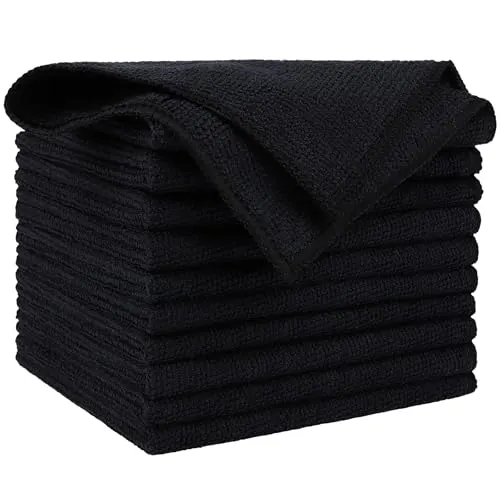
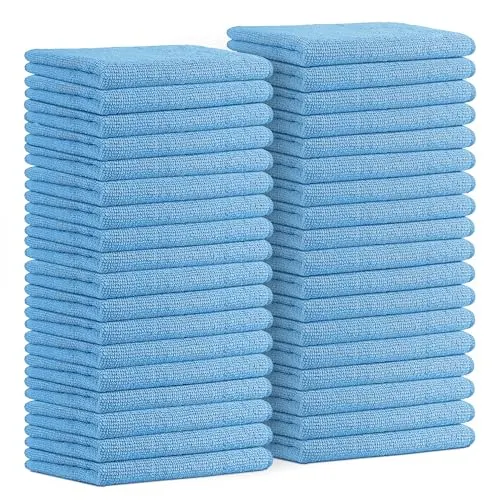
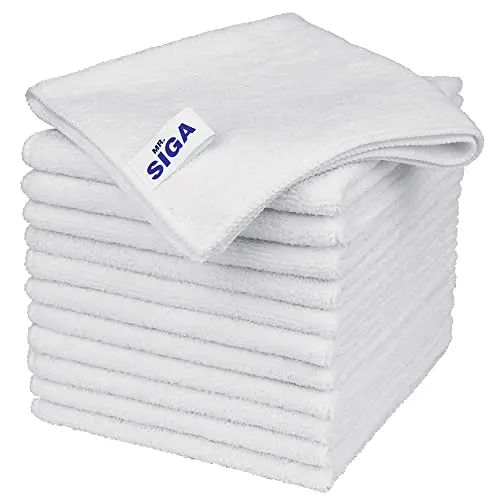
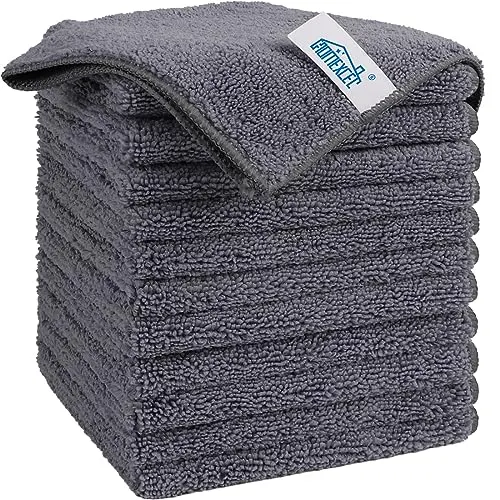
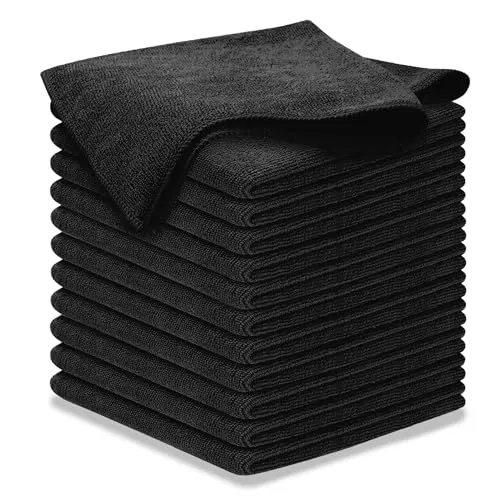
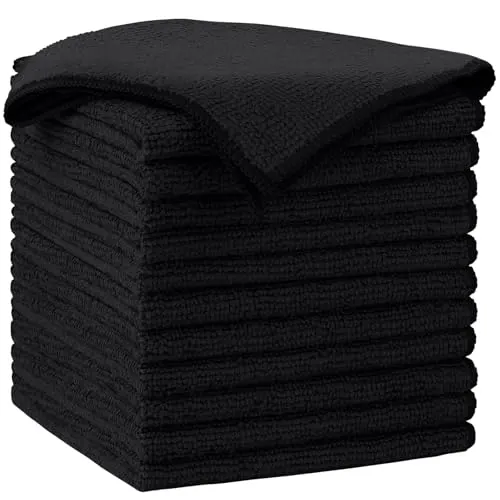
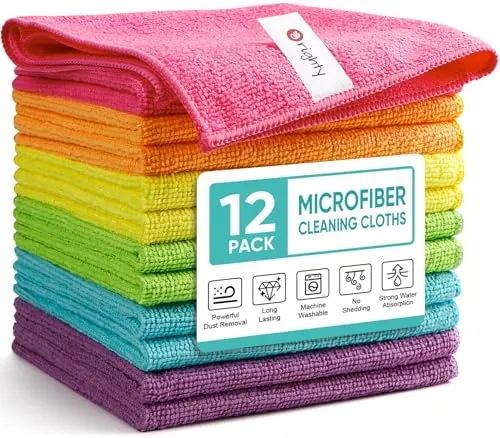
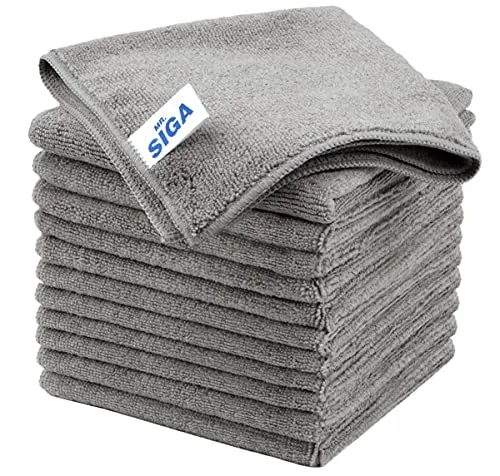
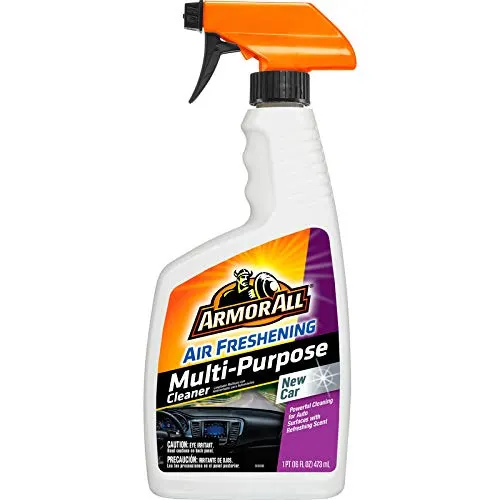
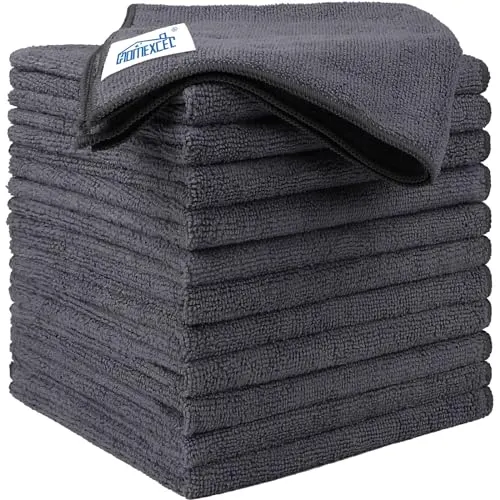
A simple comparison point is the MR.SIGA Microfiber Cleaning Cloths, 12 Pack. Shoppers looking for a bottled option can also compare the Method All-Purpose Cleaner Spray in French Lavender, pack of two. Confirm the current package and label directions at the destination before choosing. More brand-specific options are organized in the Method, Mrs. Meyer's, and Seventh Generation collections.
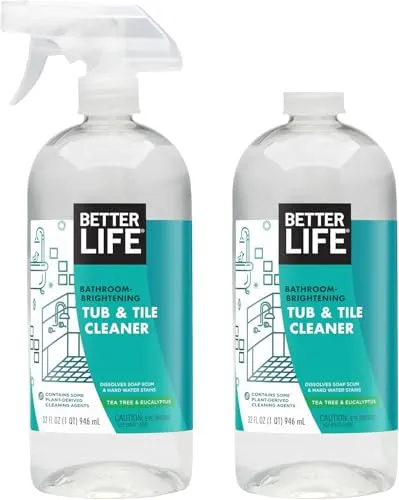
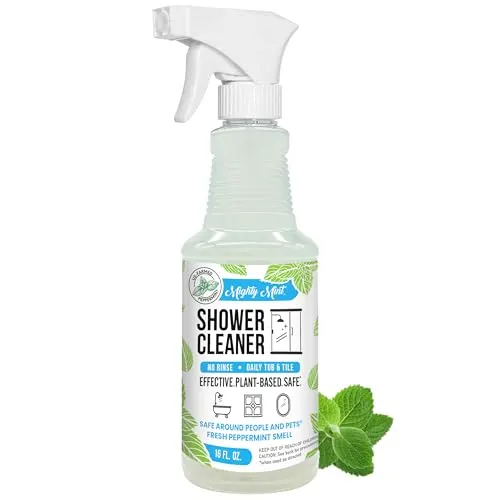
Bathrooms, tile, grout, and stubborn residue
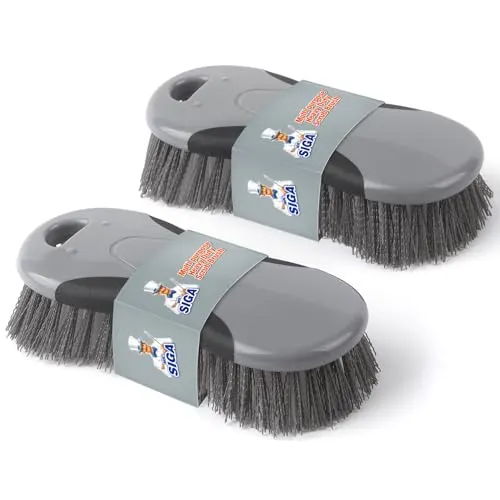
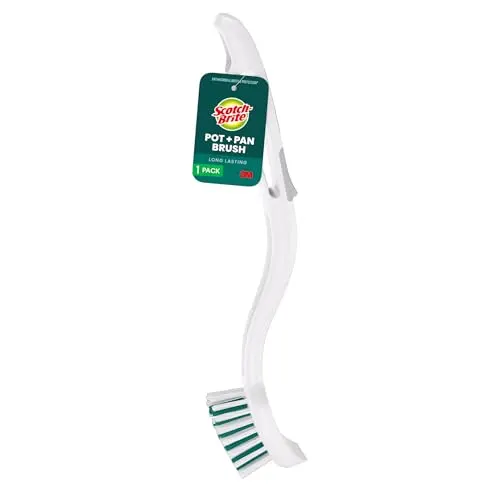
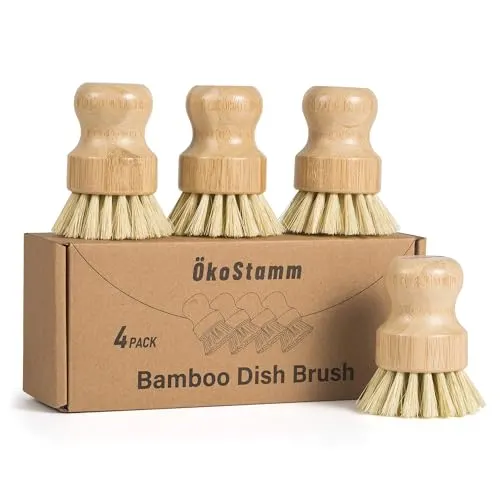
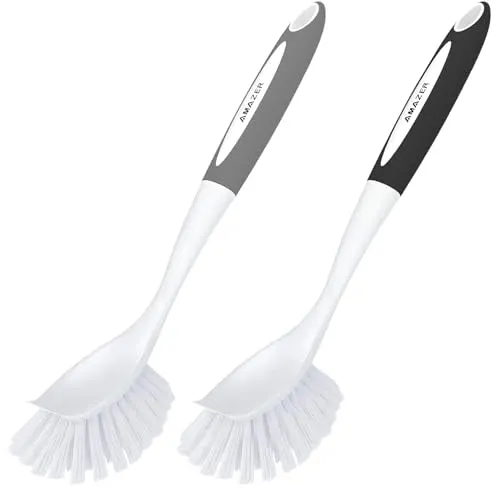
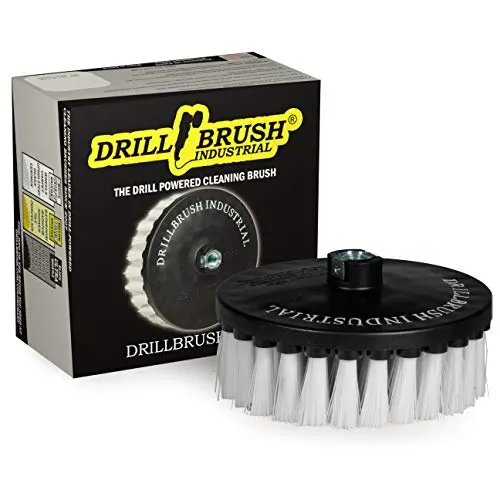
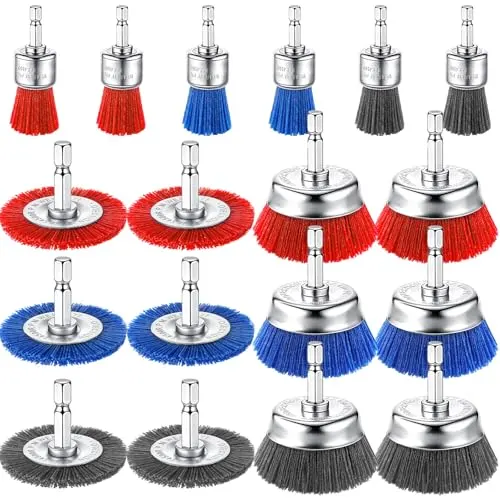
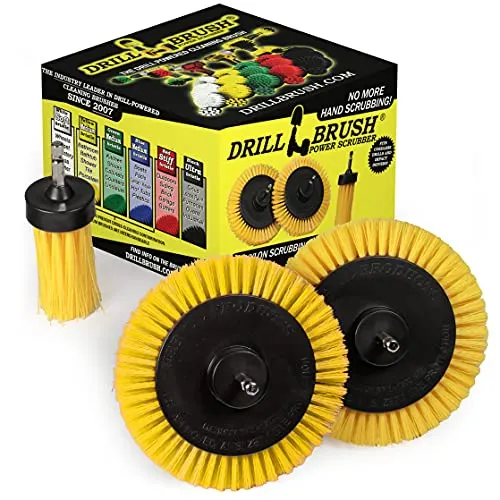
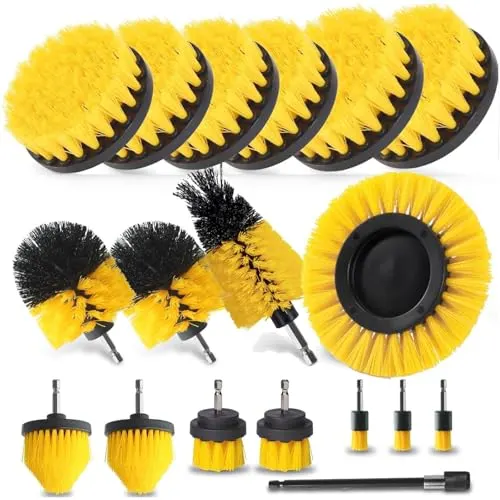
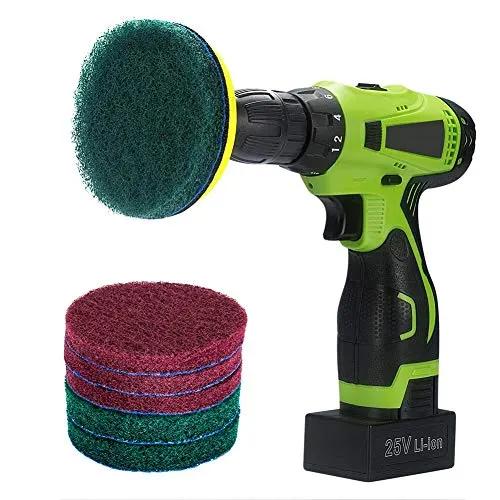
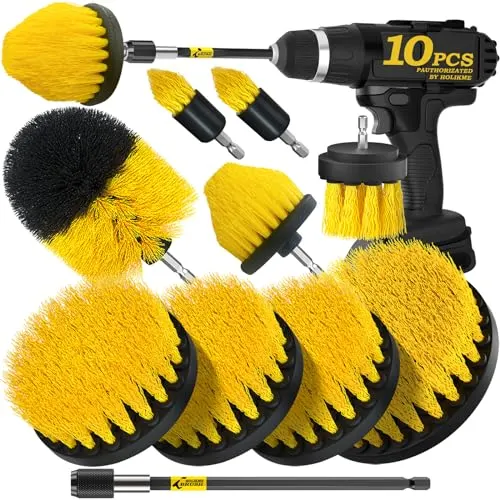
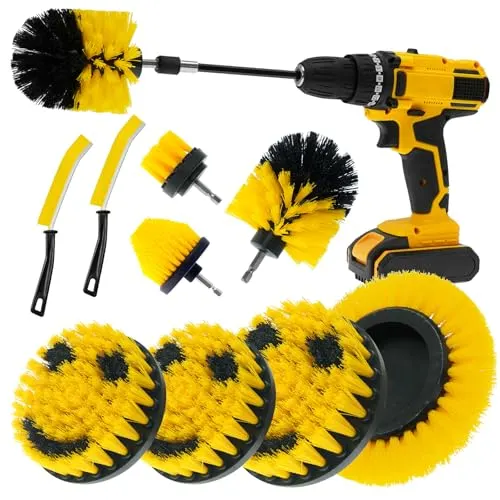
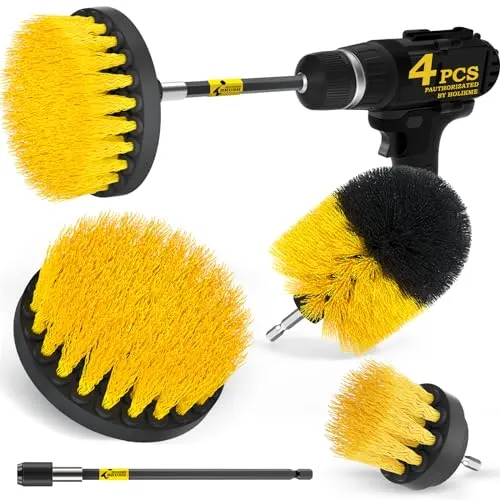
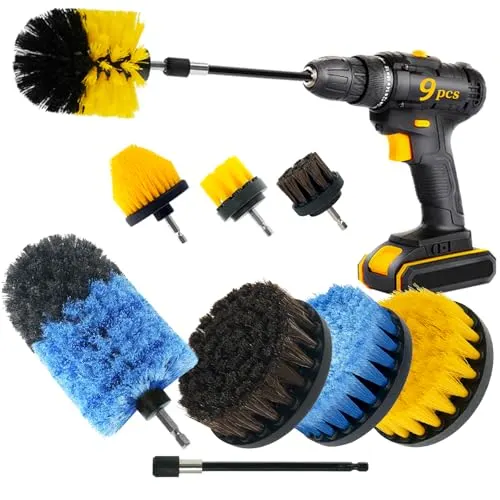
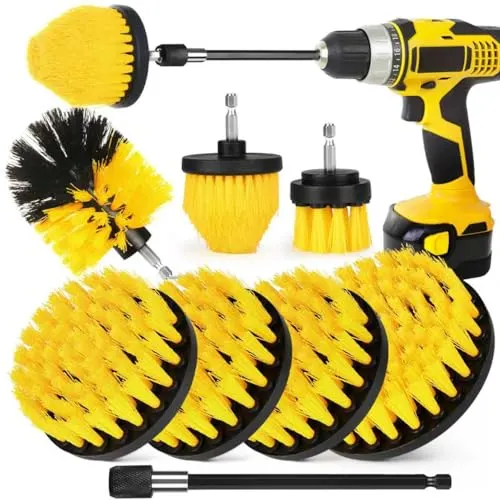
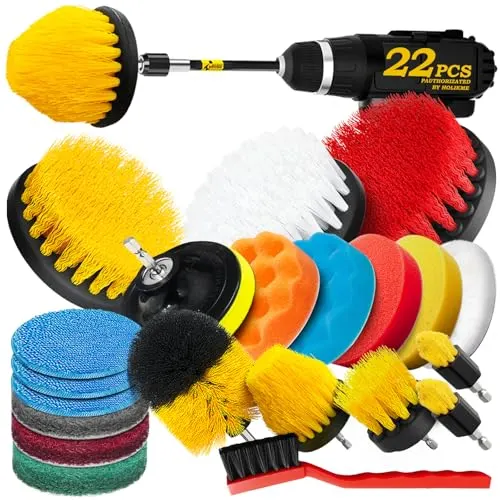
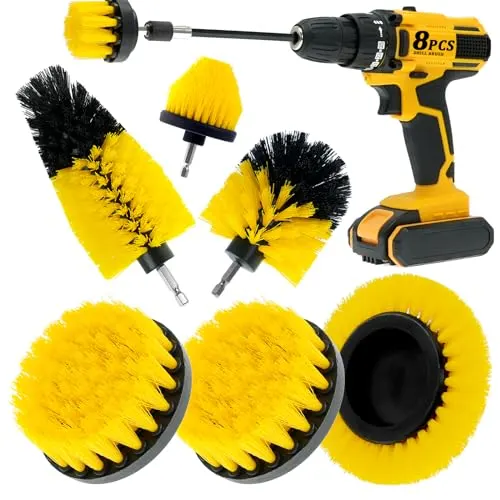
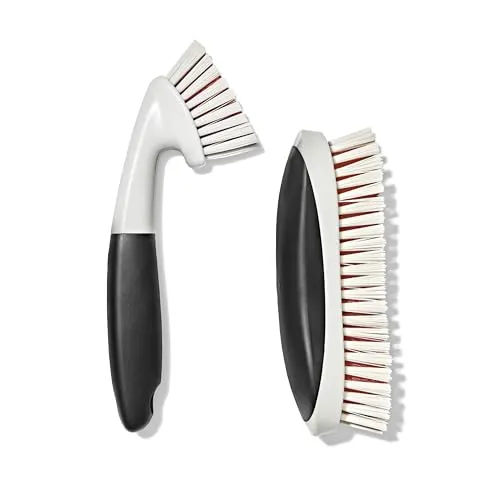
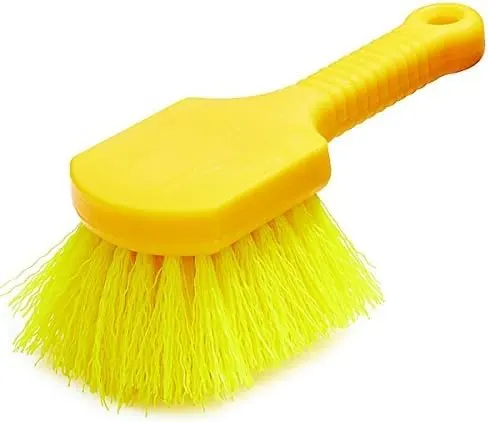
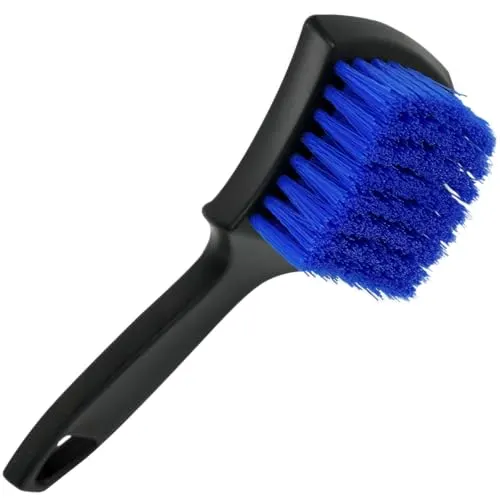
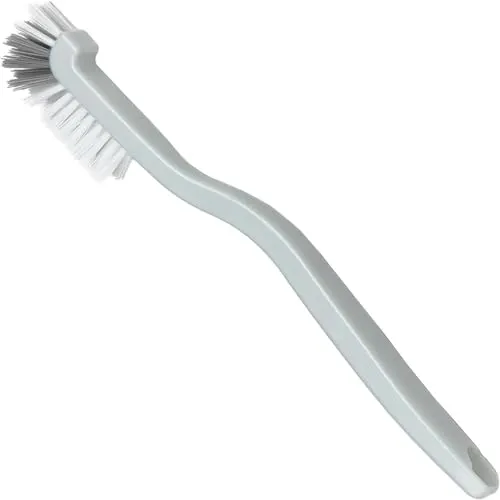
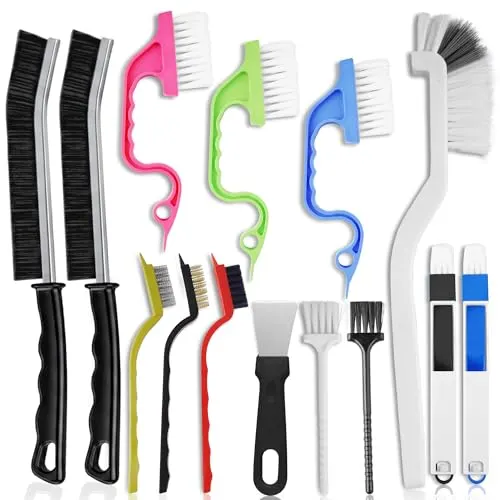
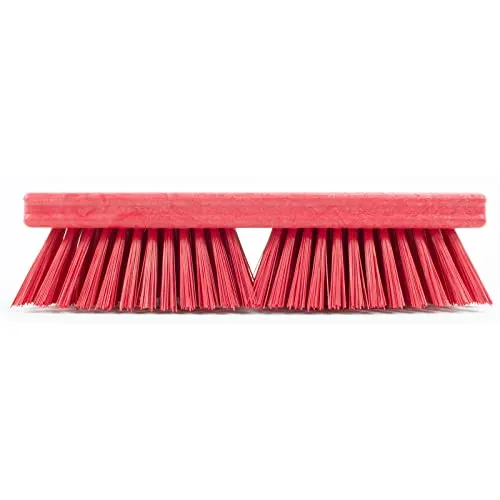
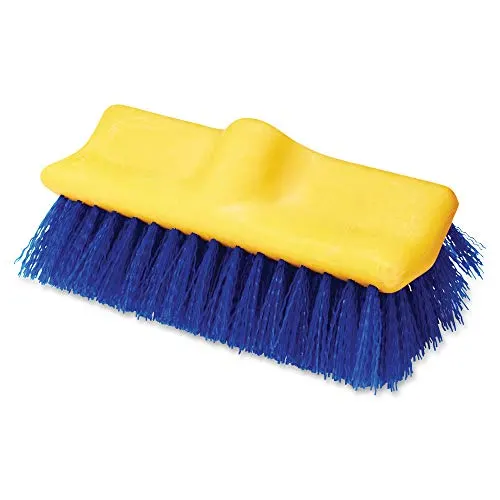
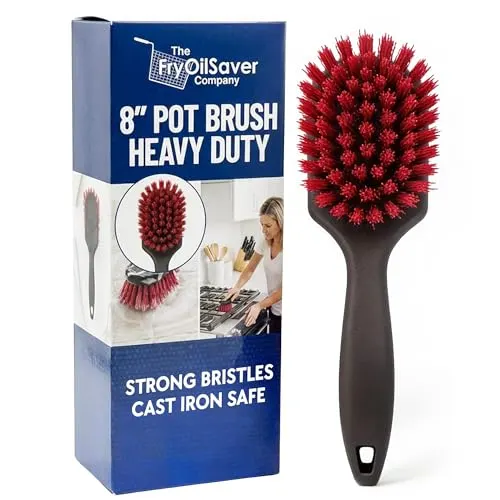
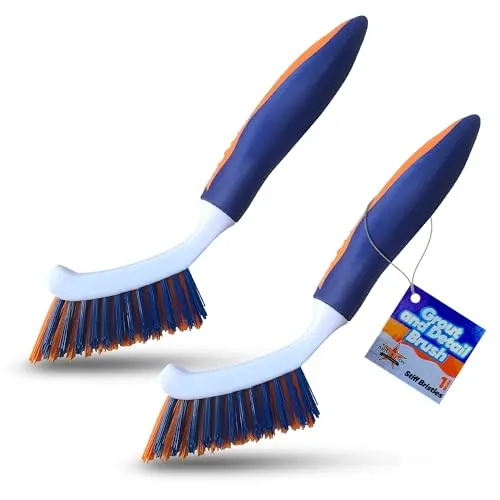
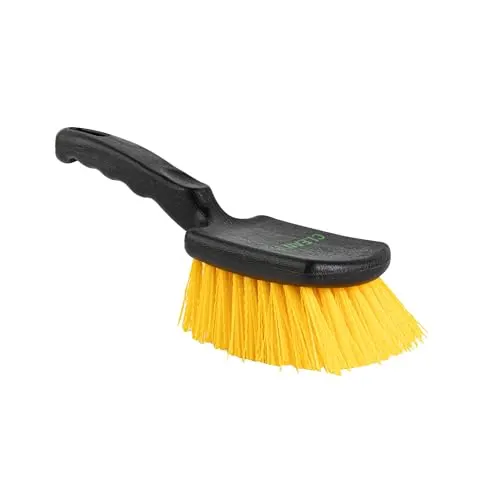
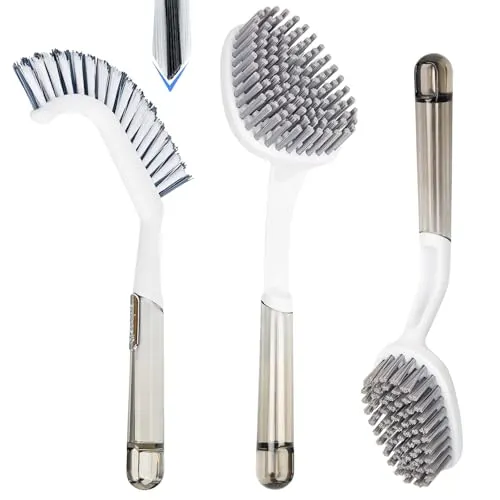
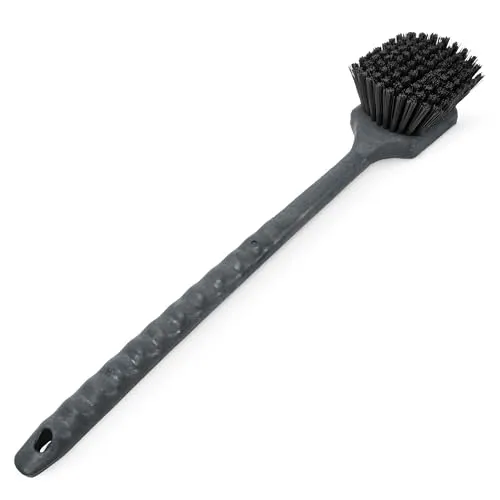
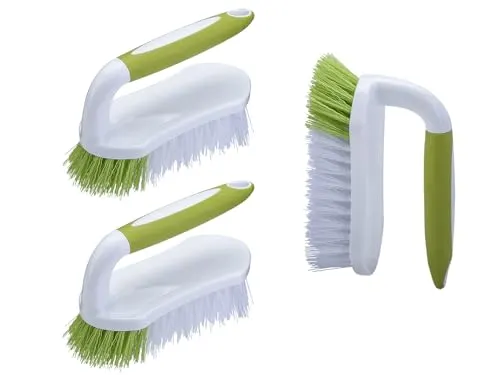
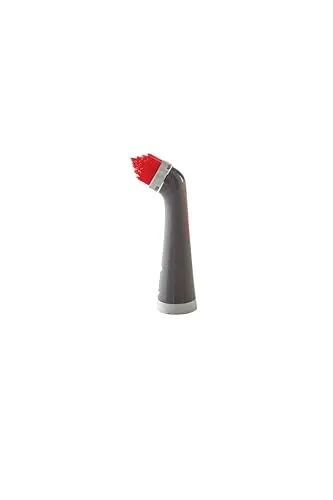
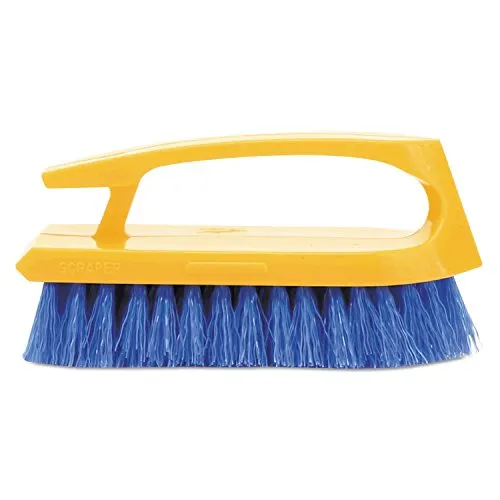
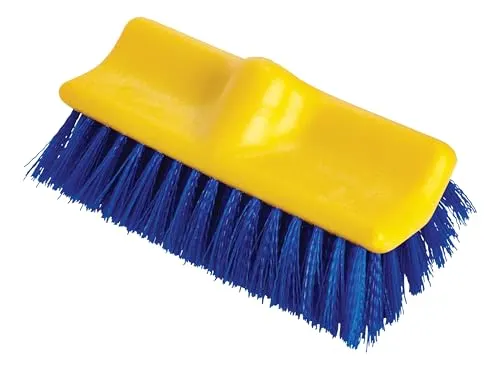
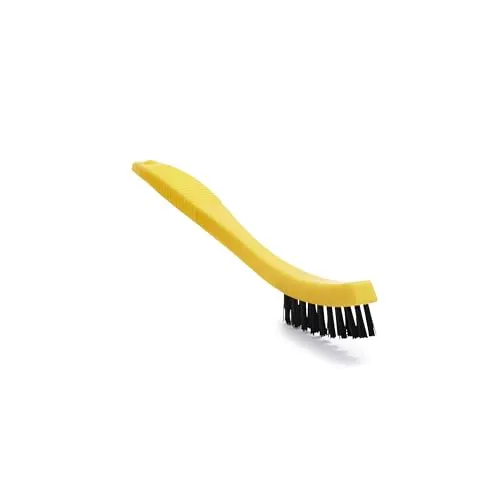
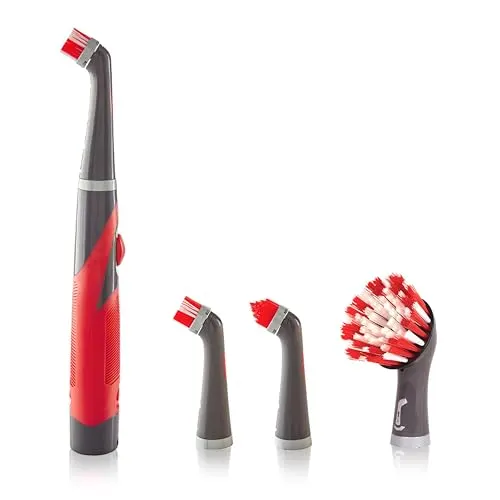
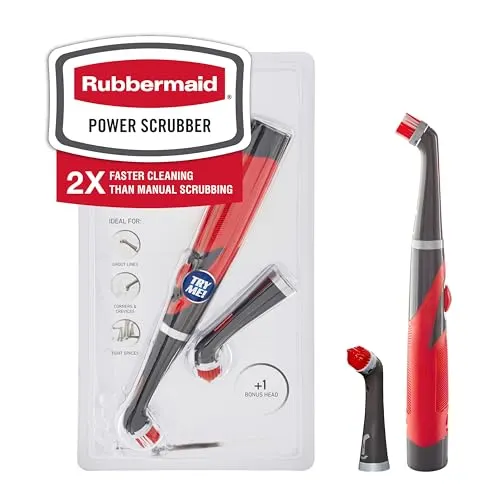
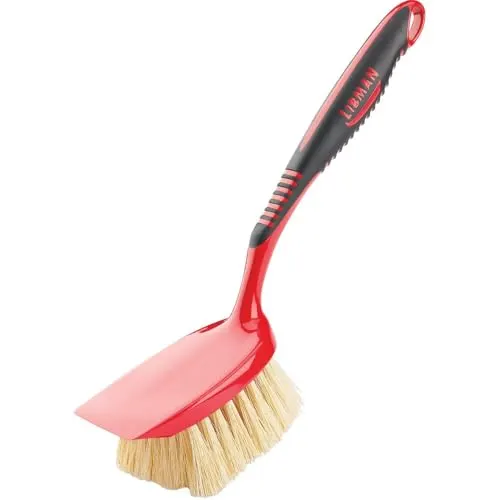
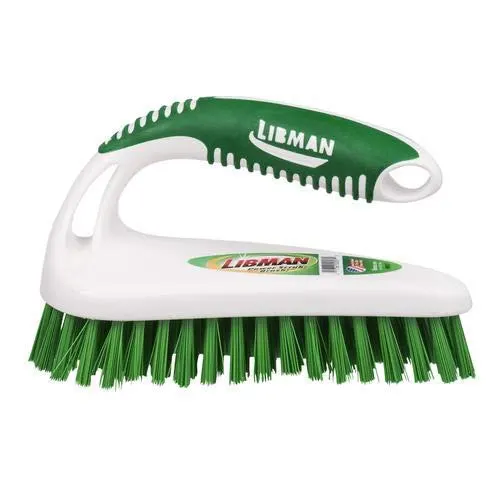
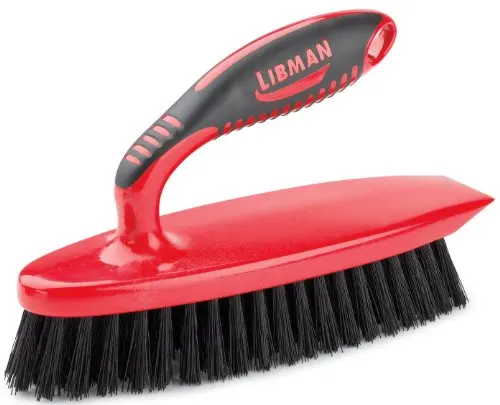
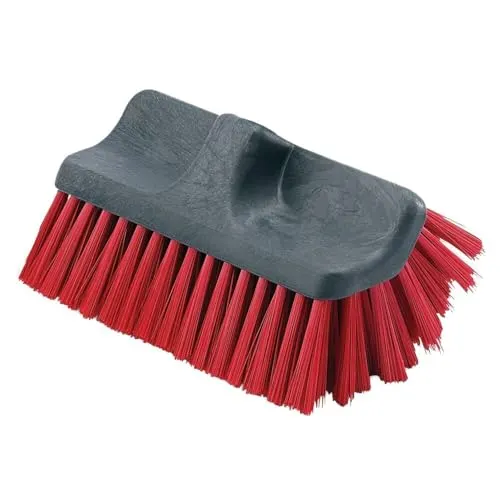
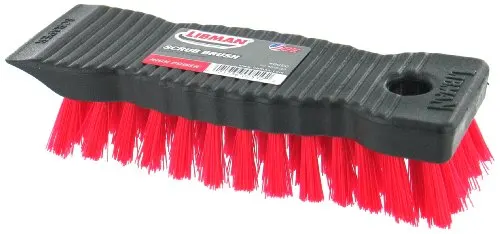
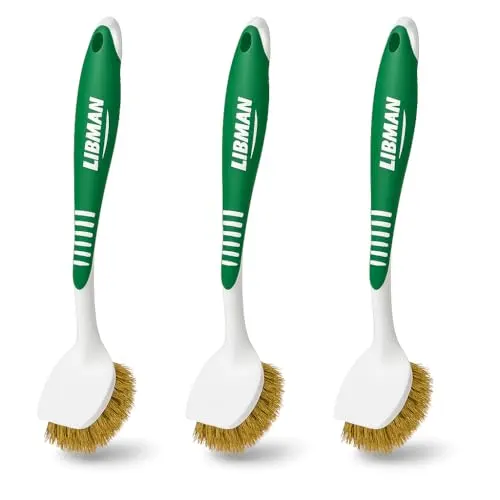
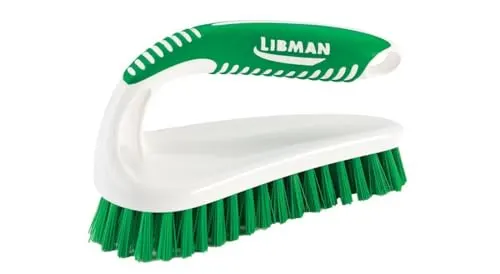
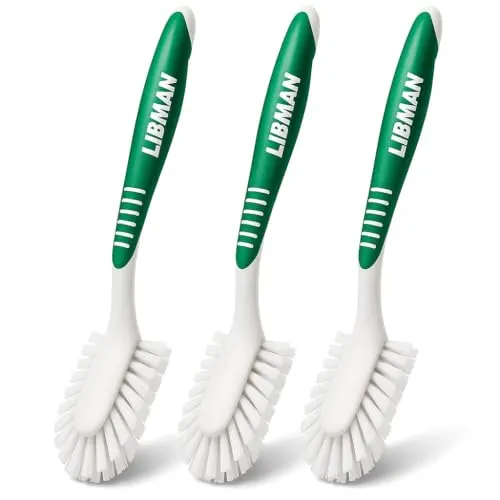
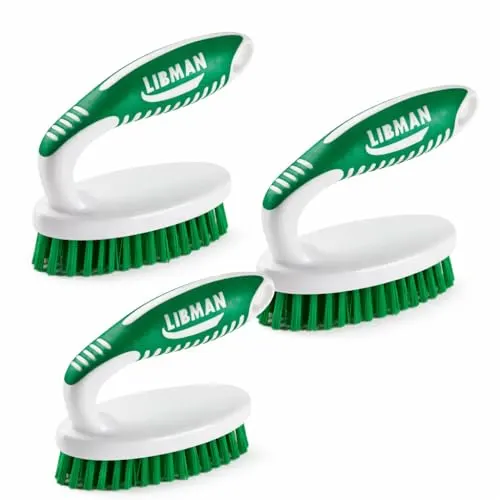
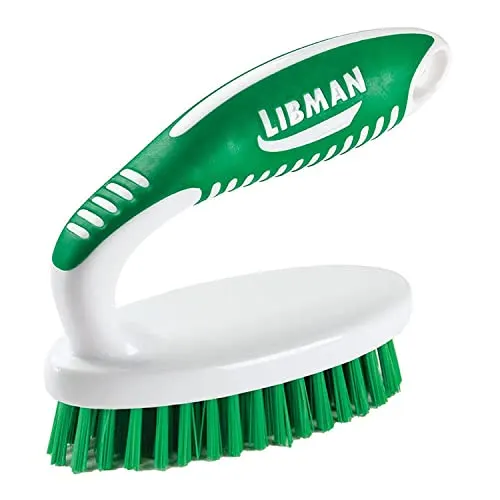
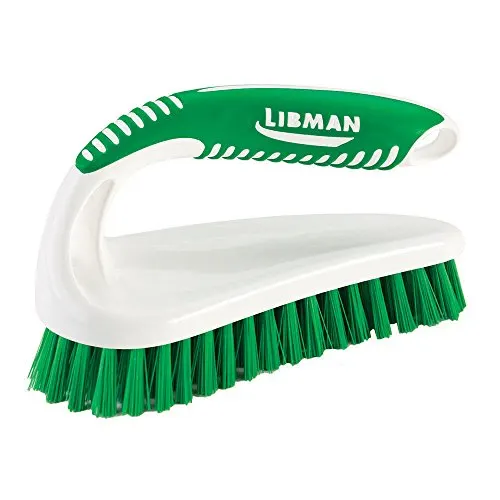
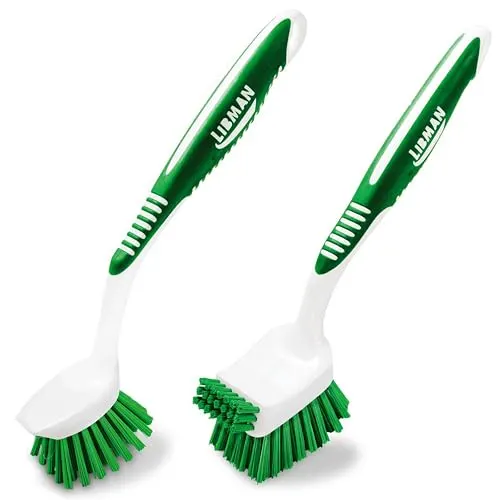
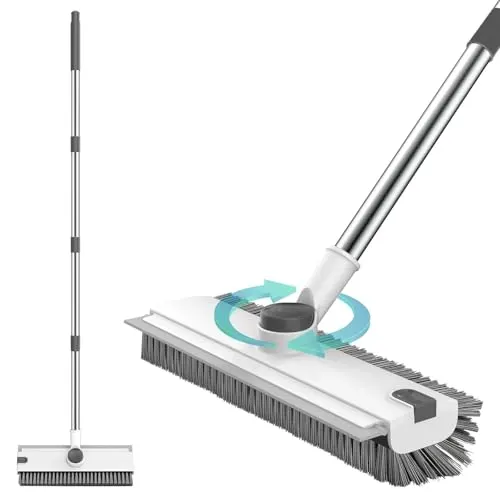
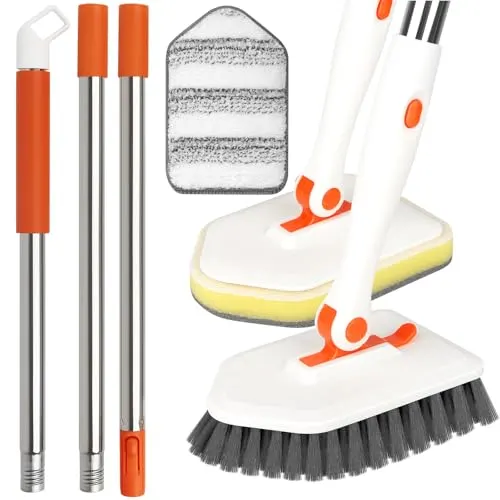
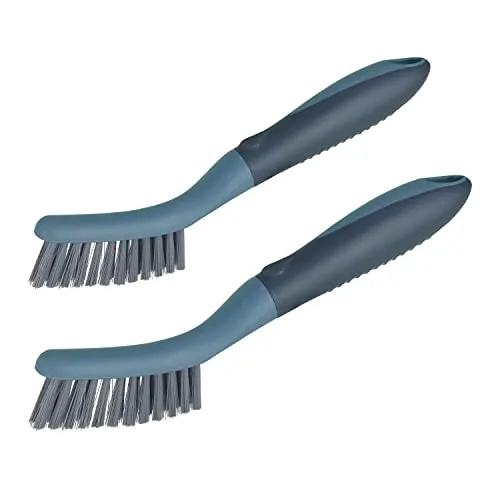
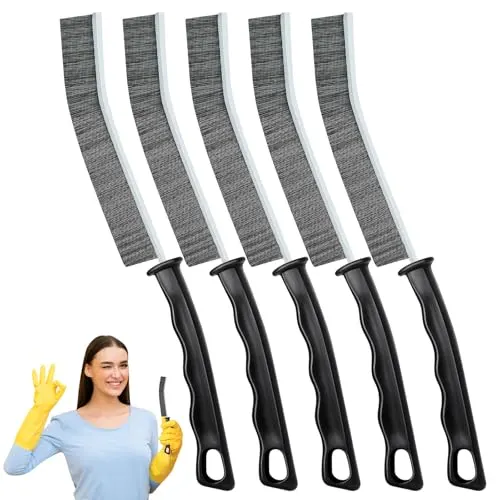
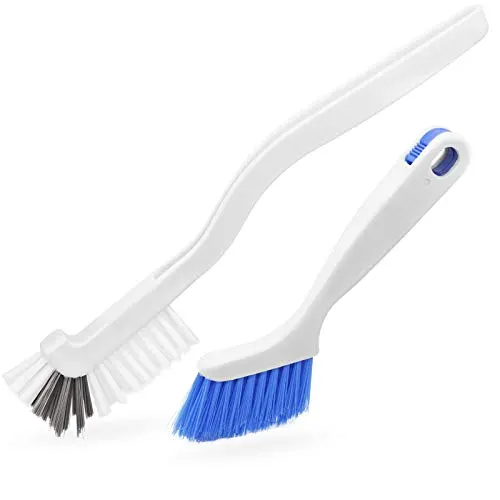
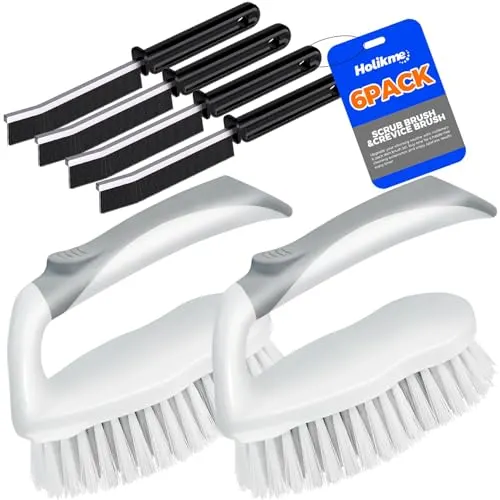
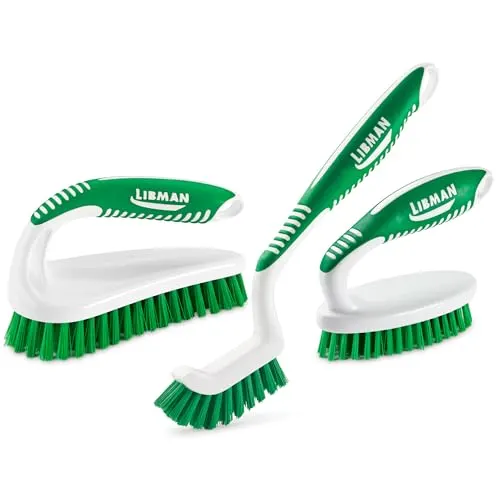
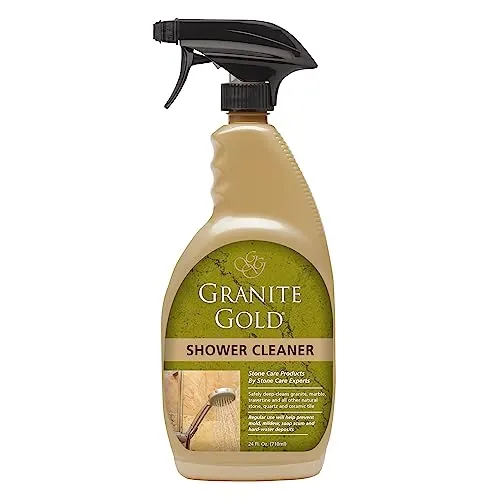
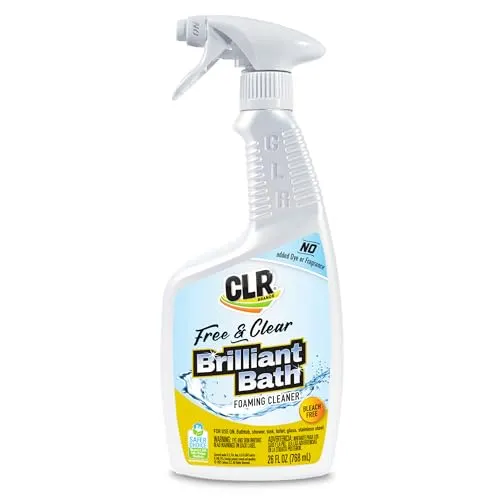
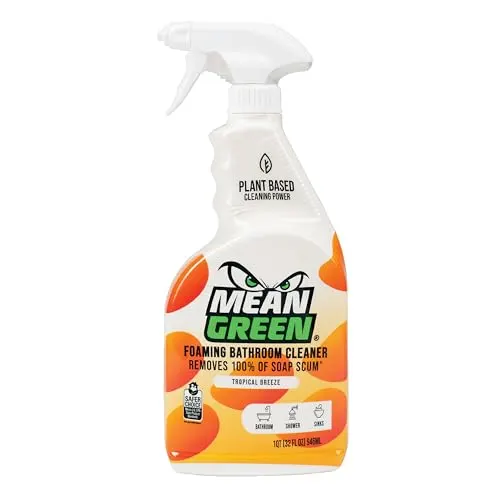
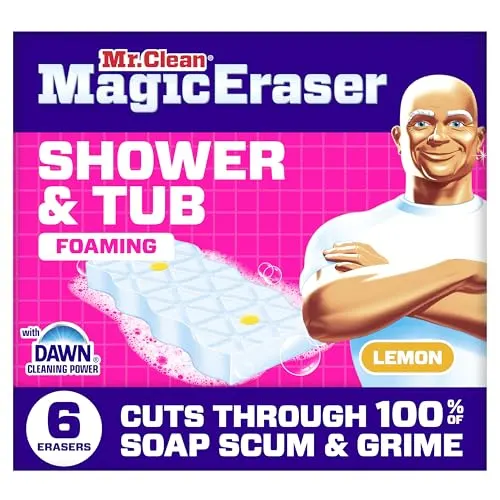
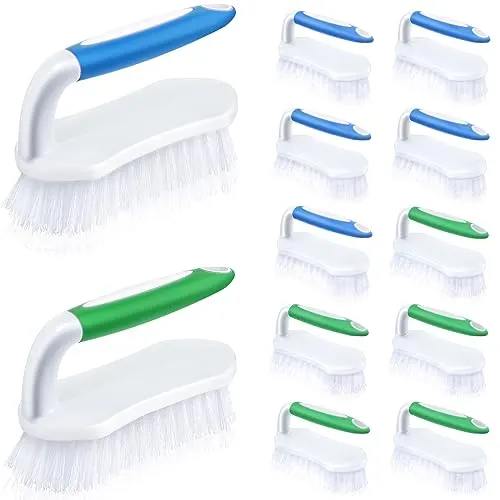
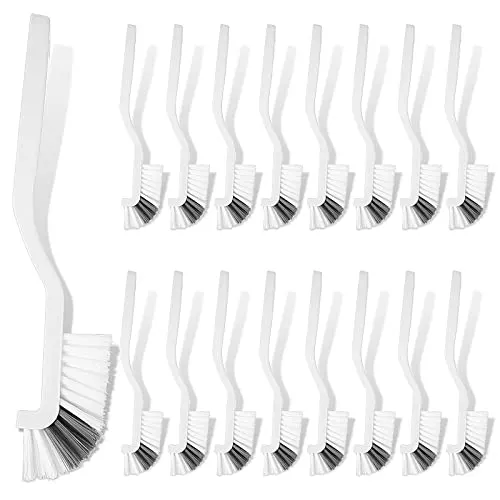
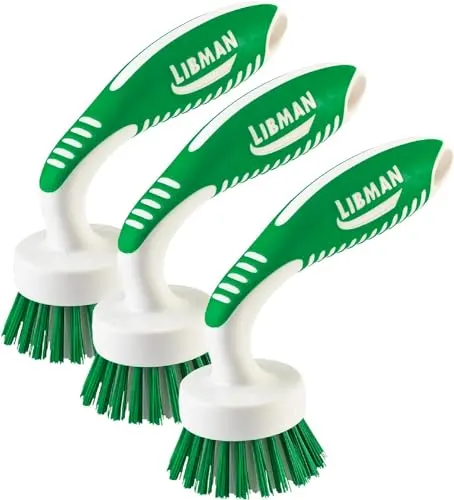
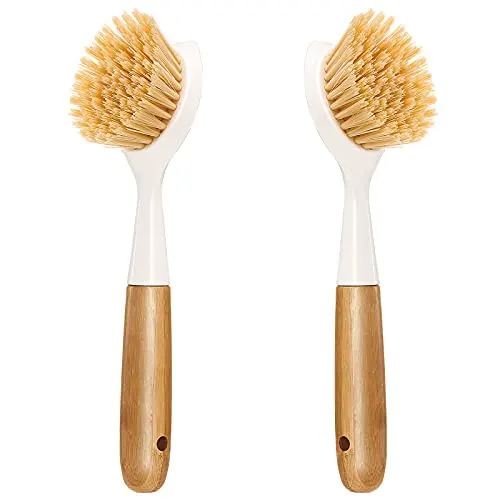
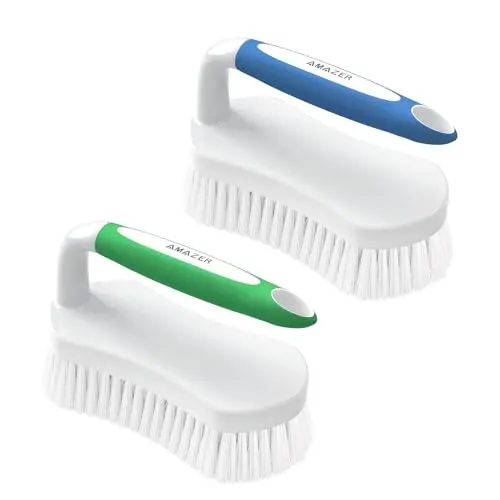
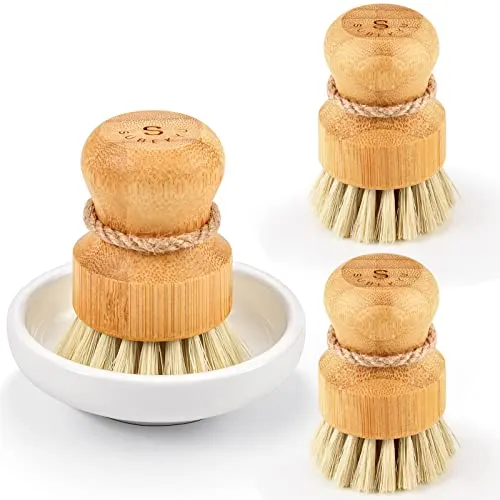
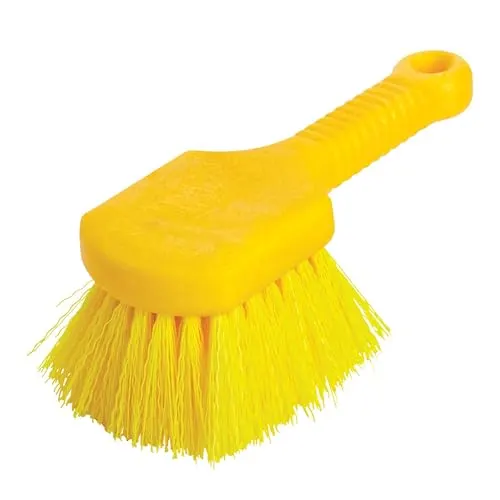
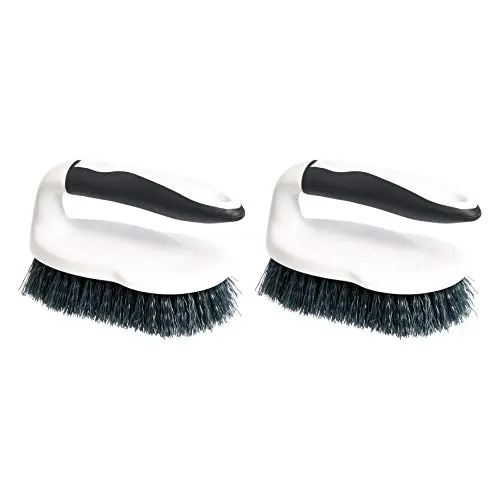
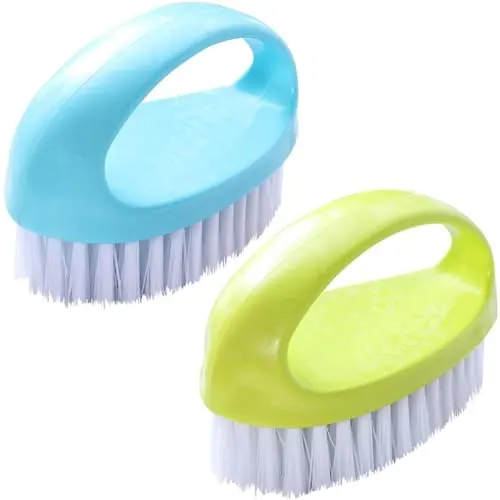
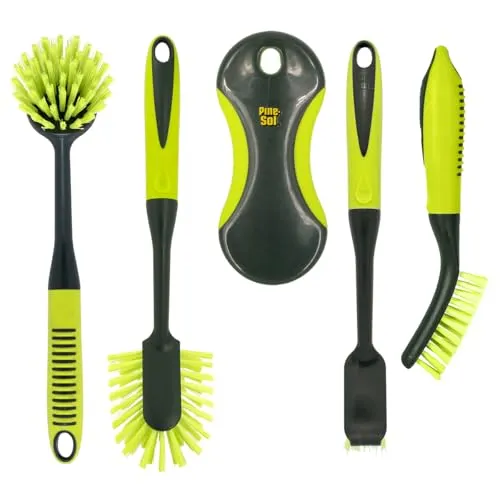
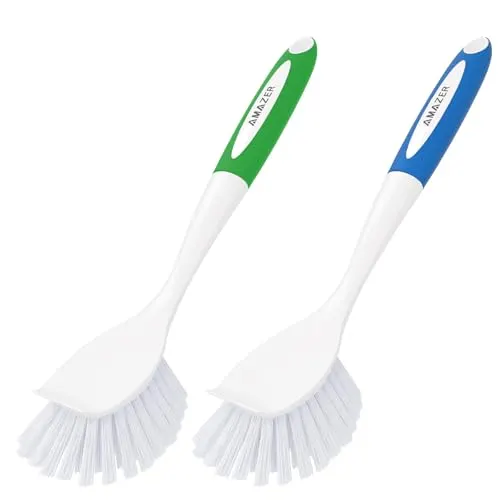
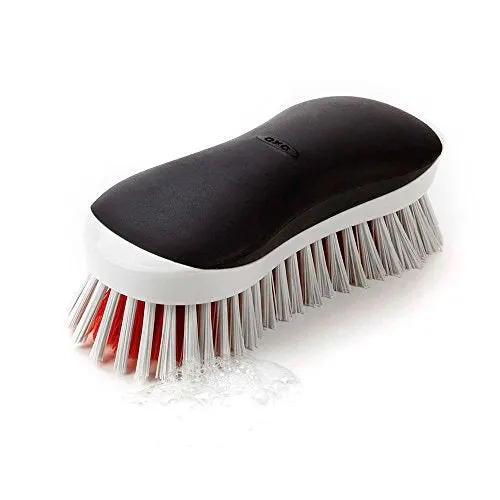
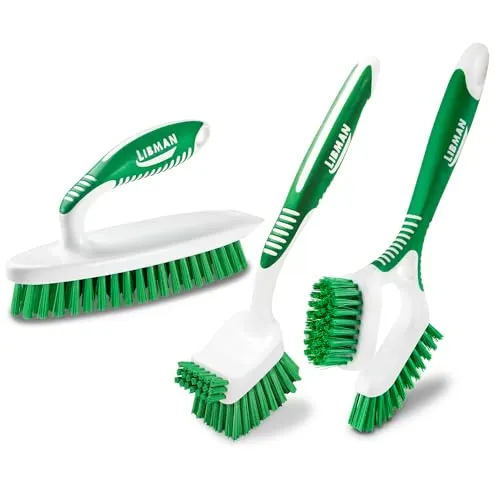
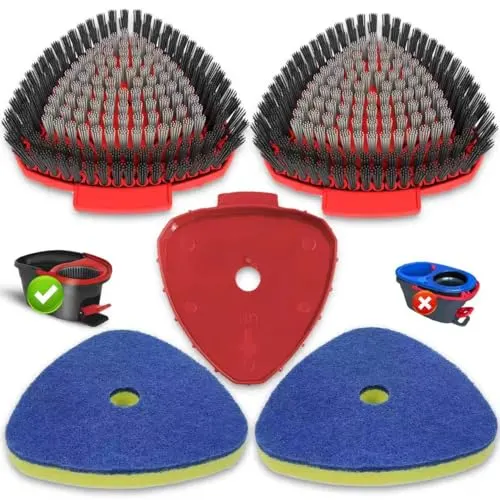
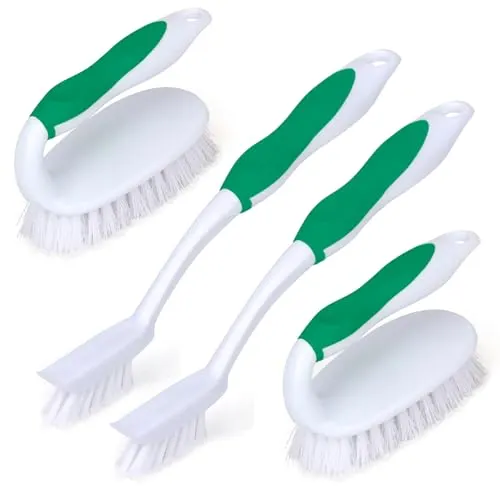
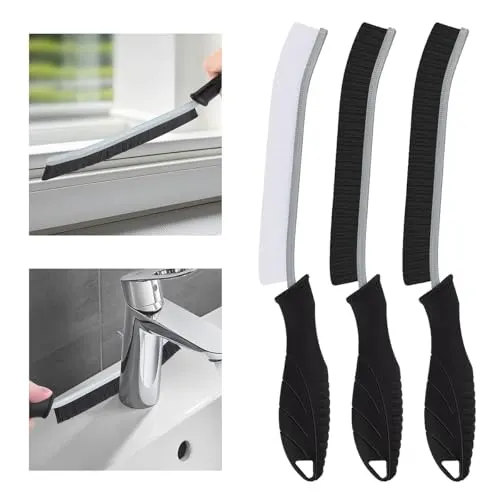
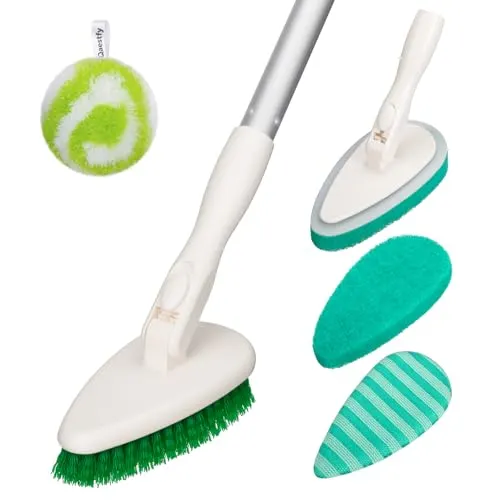
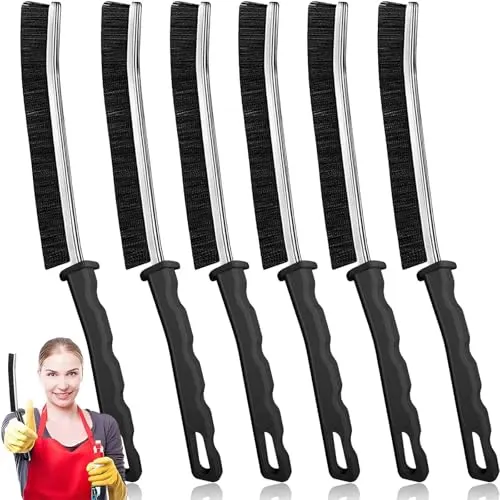
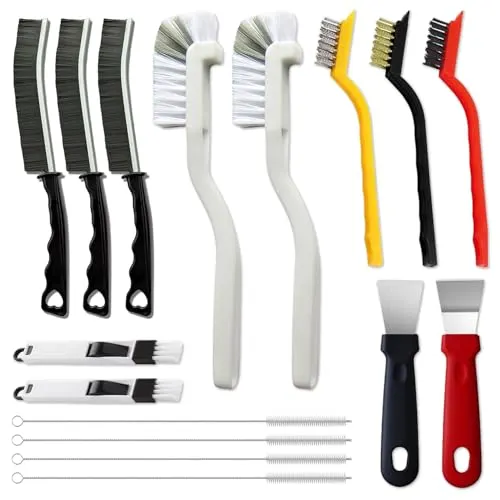
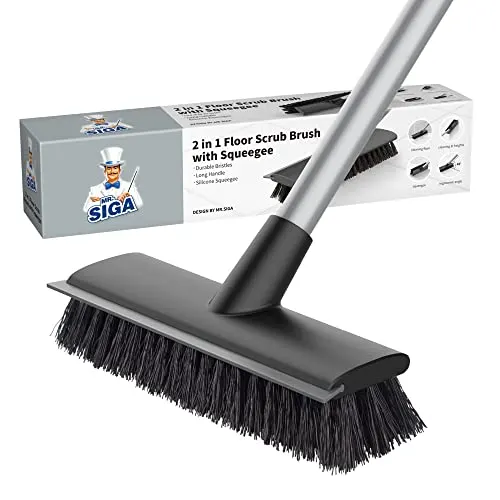
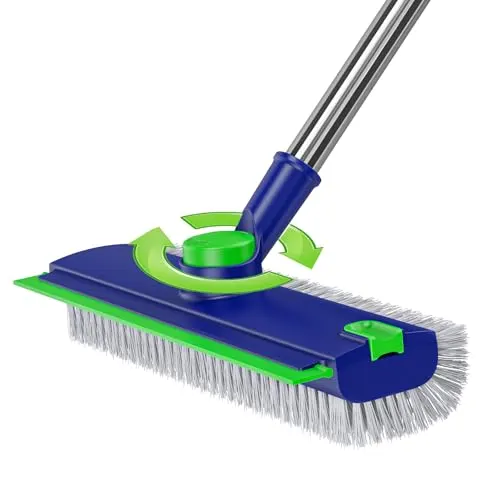
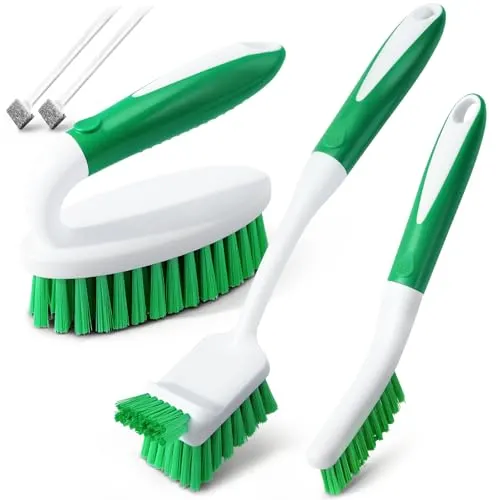
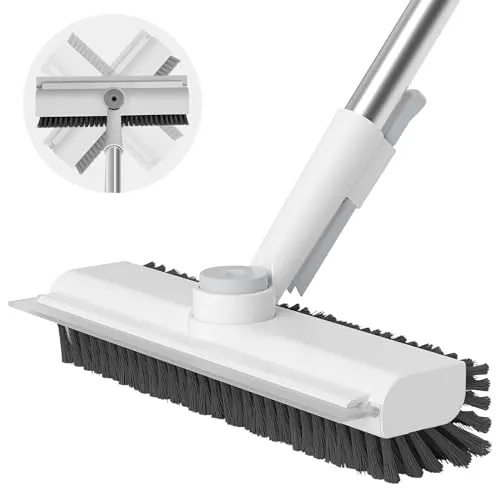
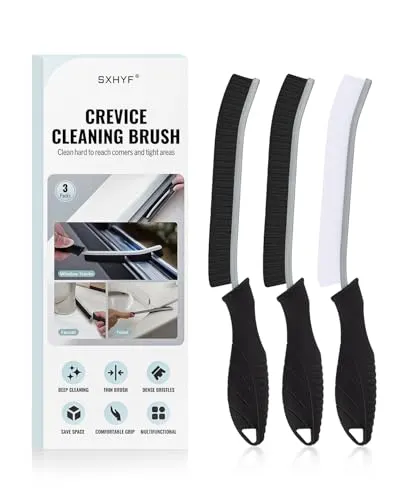
Bathrooms usually need more than one tool. A broad brush can cover tubs or shower walls, while a narrow head reaches grout lines, faucet bases, corners, and tracks. Bristle stiffness should suit the surface: aggressive scrubbing can damage a delicate finish even when the cleaner itself is compatible. Let the label-directed dwell time and repeated light passes do the work before increasing pressure.
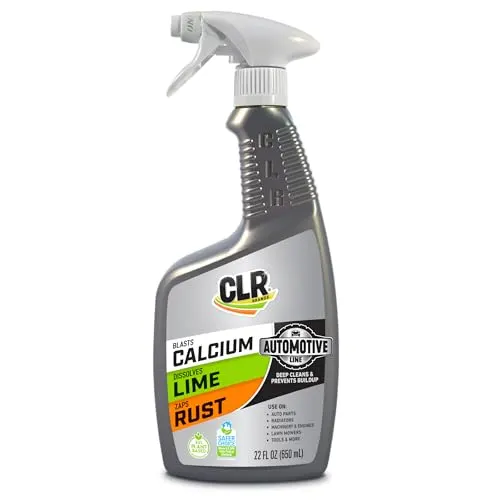
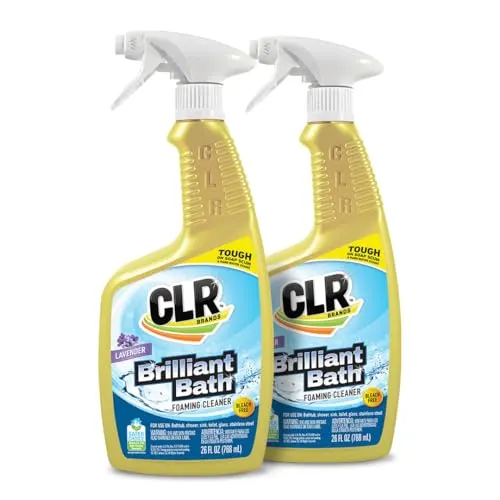
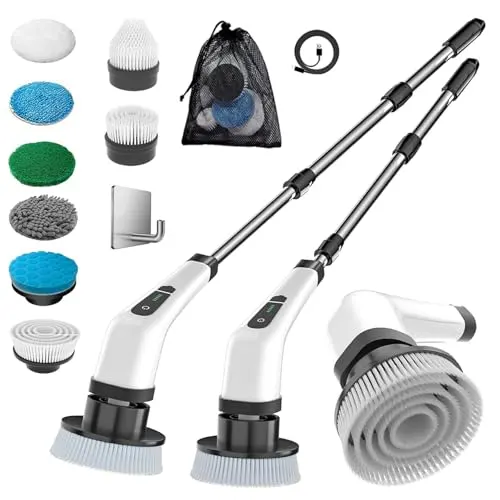
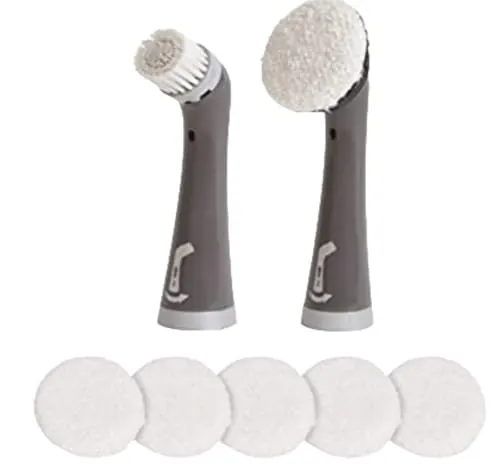
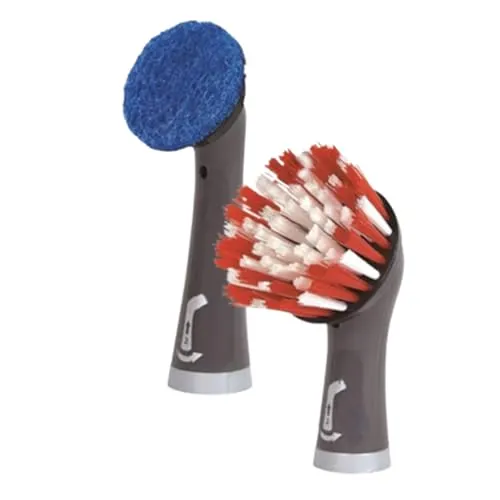
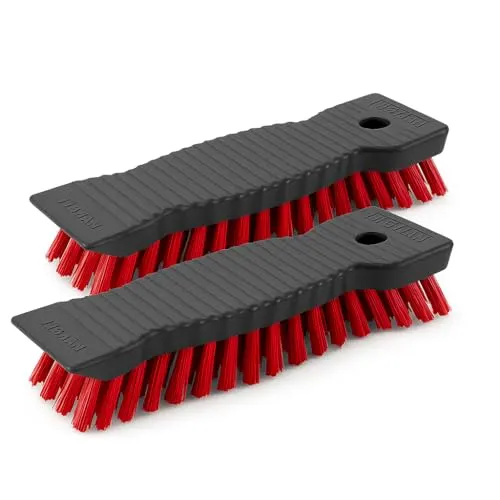
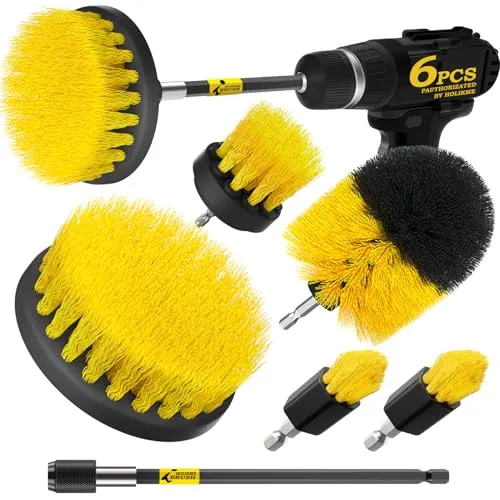
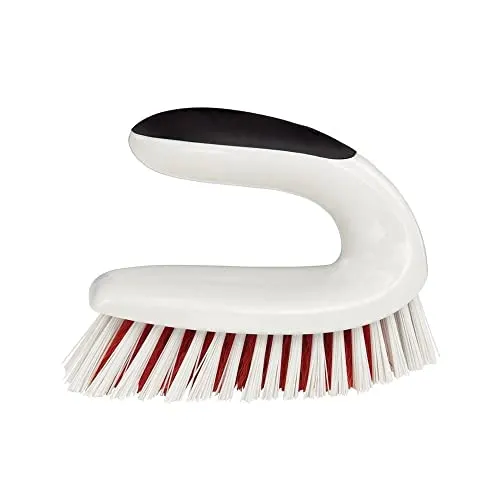
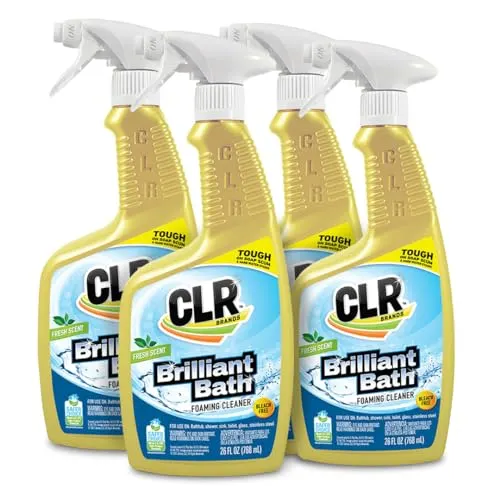
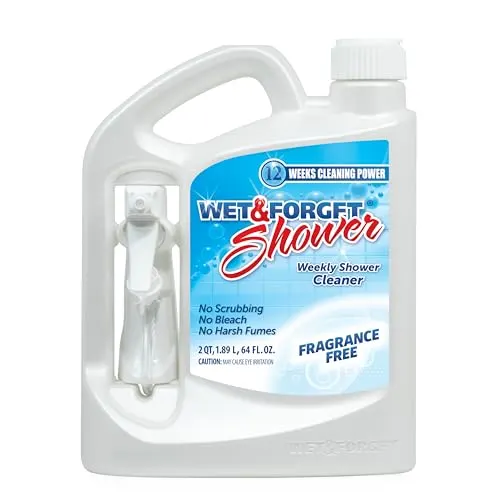
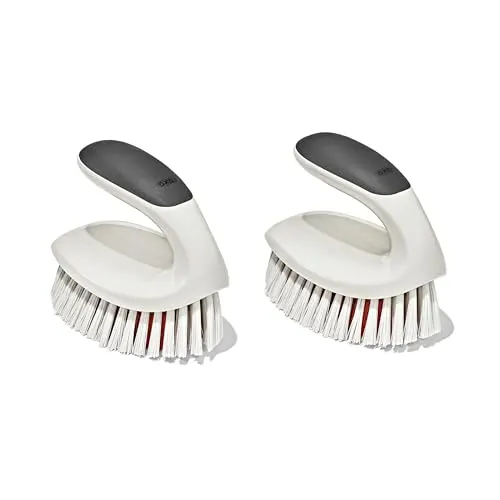
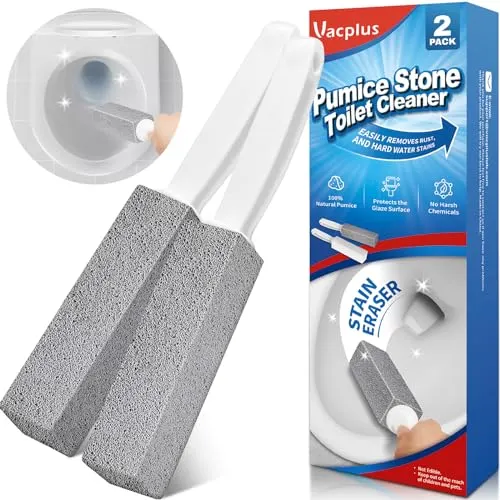
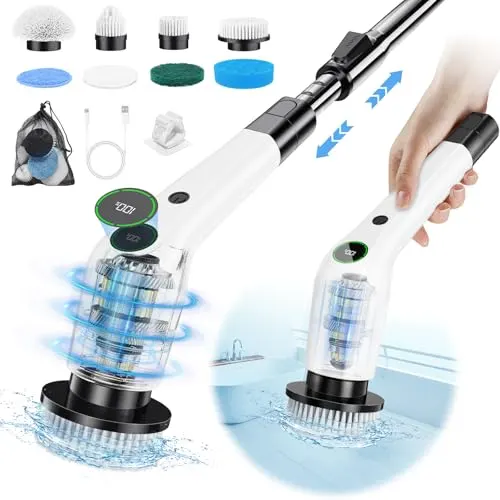
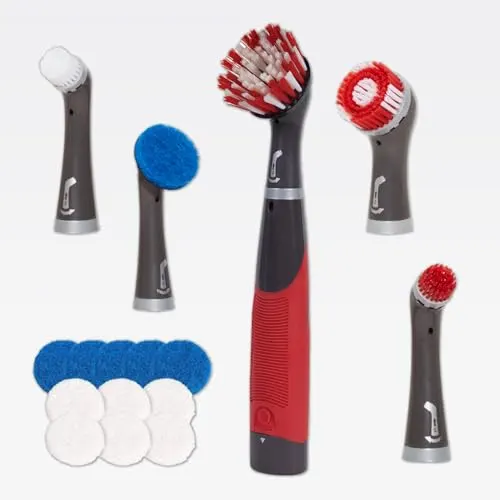
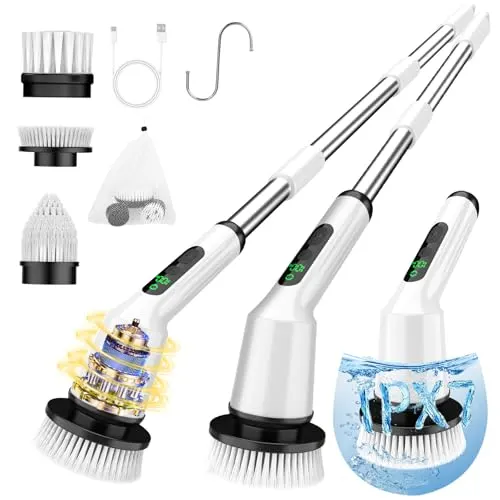
The OXO Good Grips All Purpose Scrub Brush is one manual format to compare. For a fuller explanation of handle styles, bristles, and powered alternatives, see Best Scrub Brushes for Showers, Grout, Tile, and Tough Messes and Electric Spin Scrubber vs Traditional Scrub Brush. Mineral deposits and oxidized stains may call for a specialized product; browse CLR Cleaner and always check the label against the exact material first.
Dusting shelves, blinds, fans, and furniture
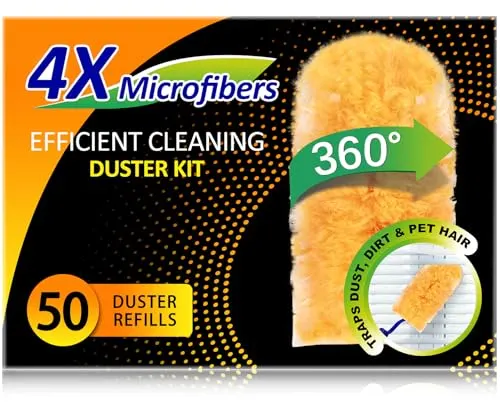
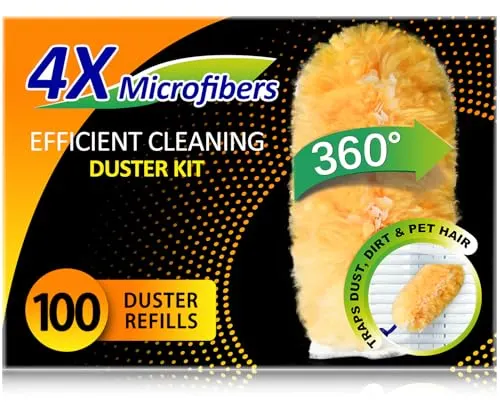
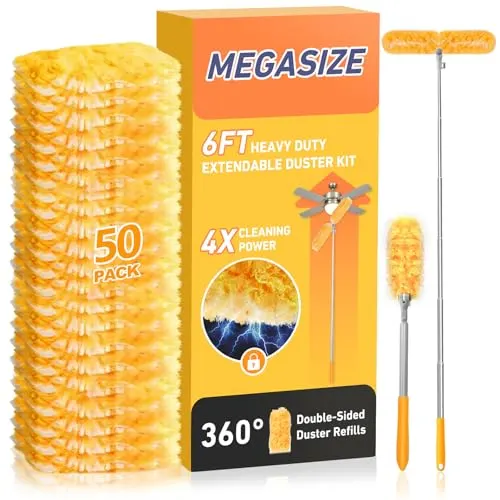
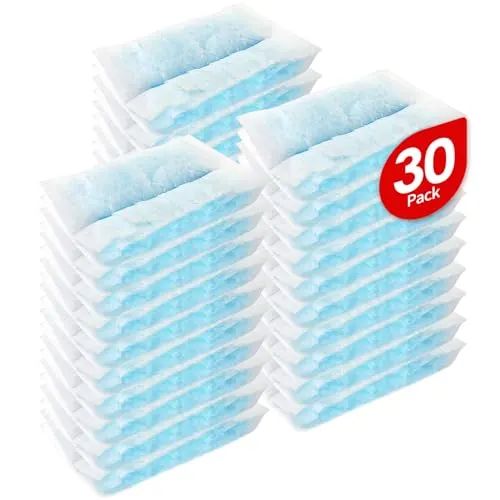
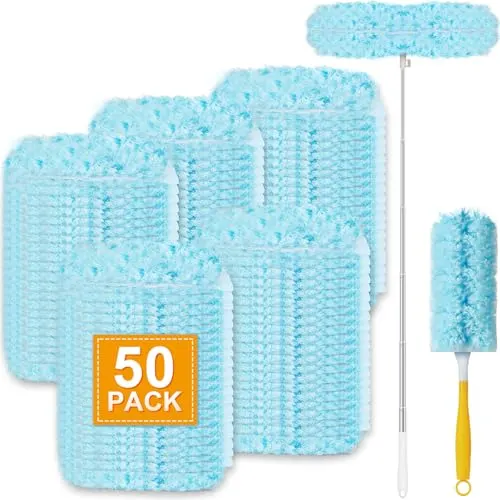
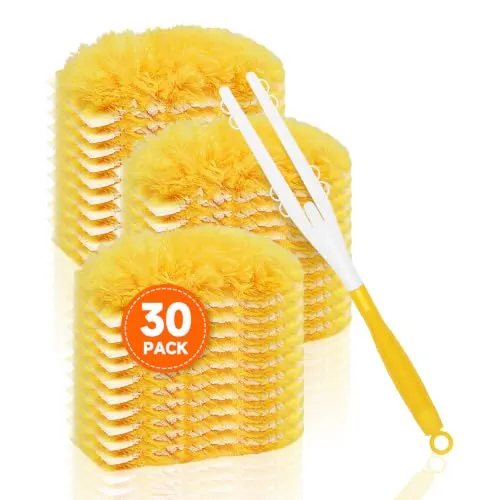
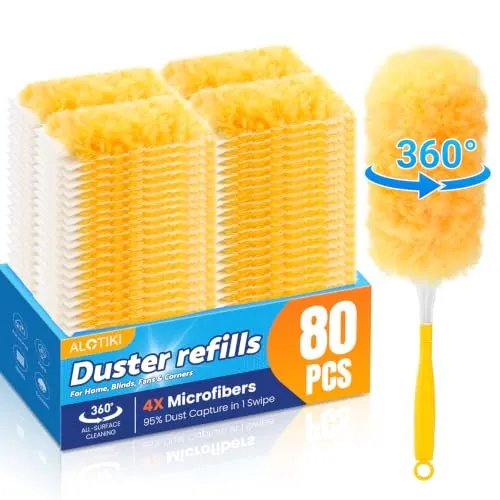
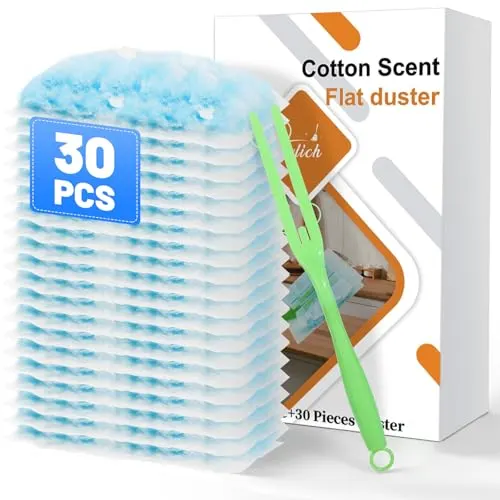
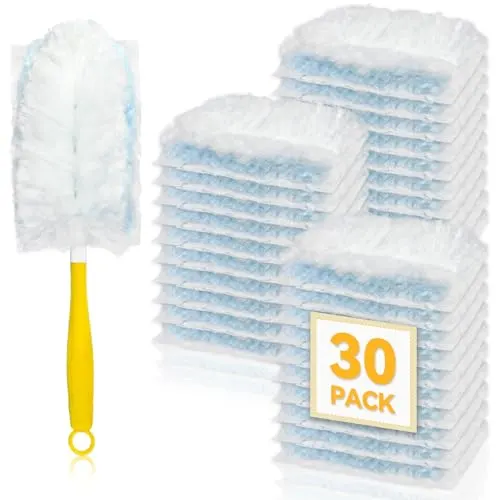
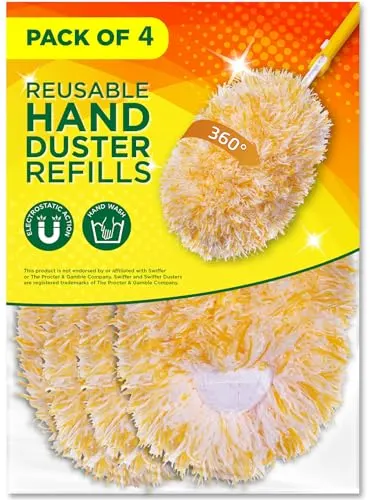
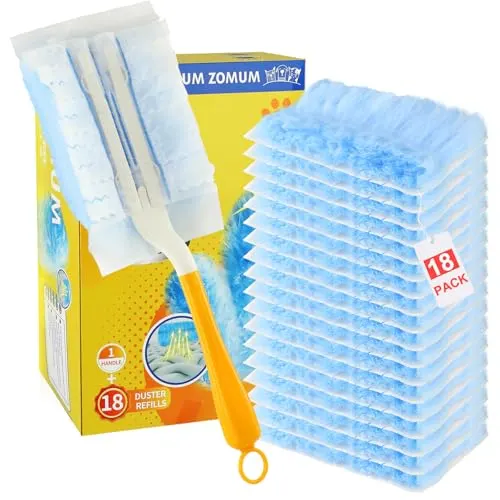
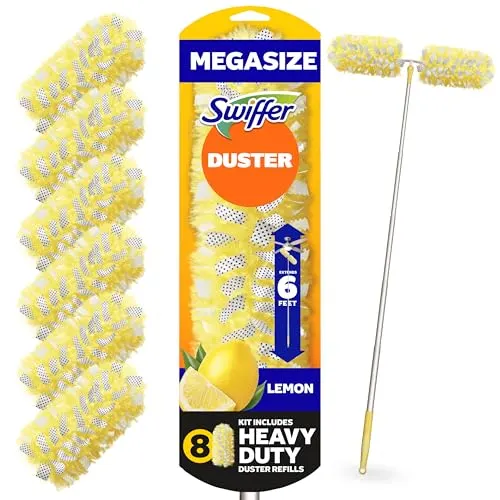
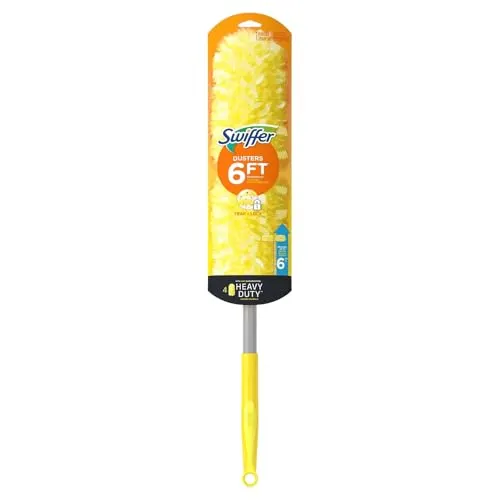
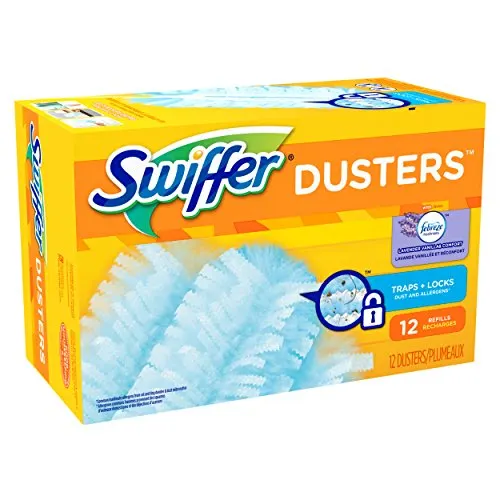
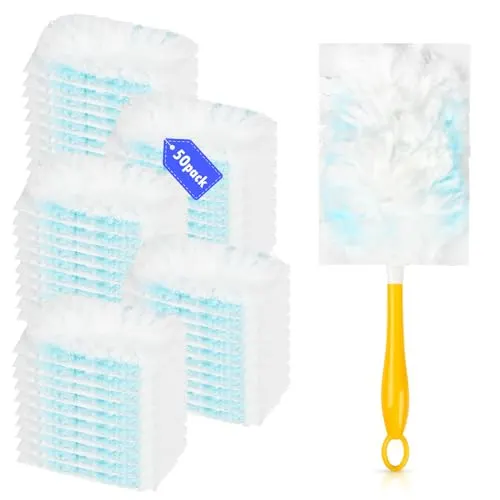
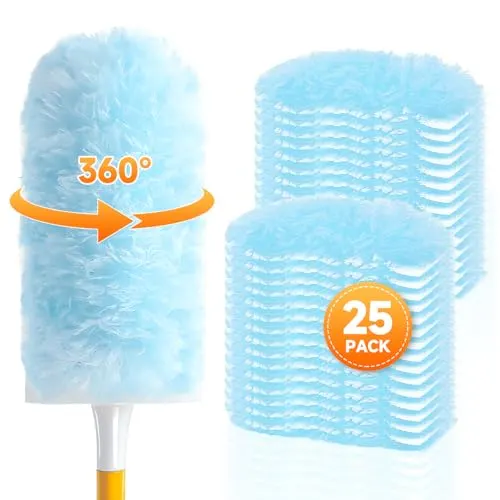
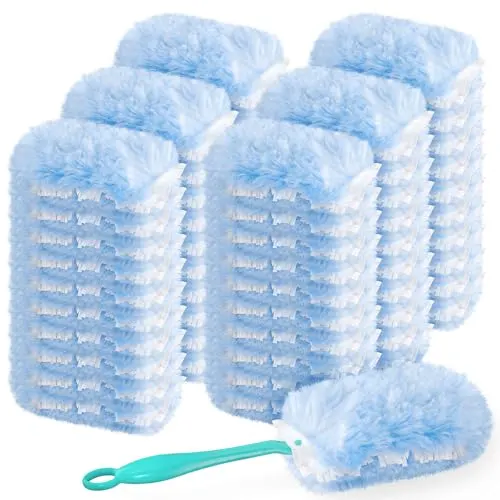
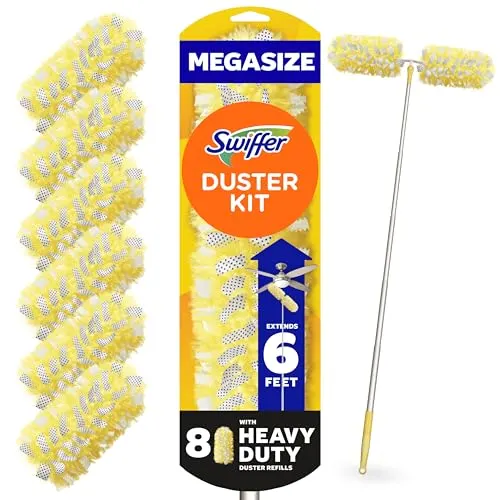
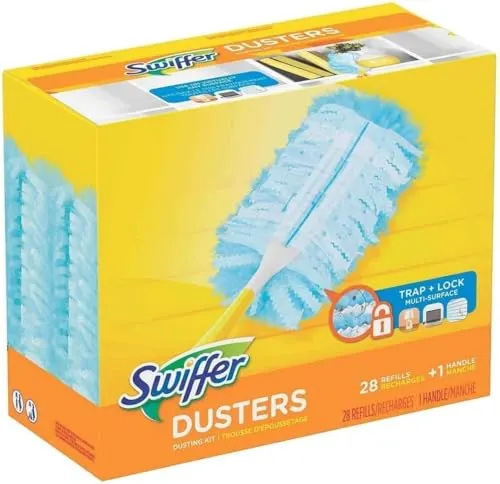
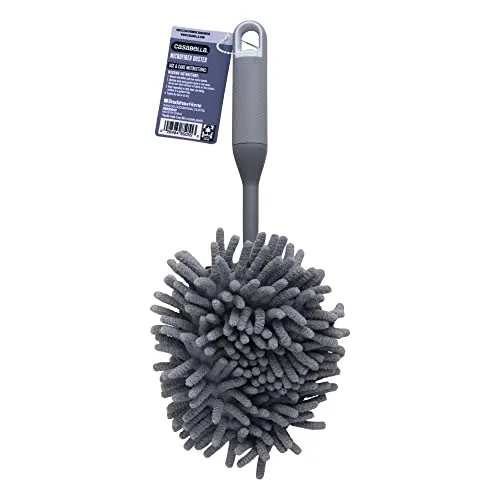
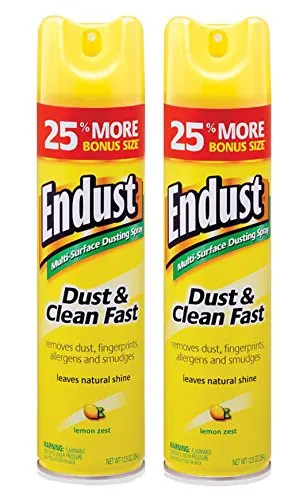
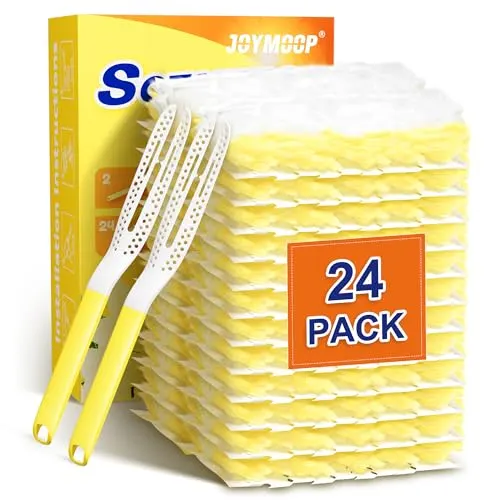
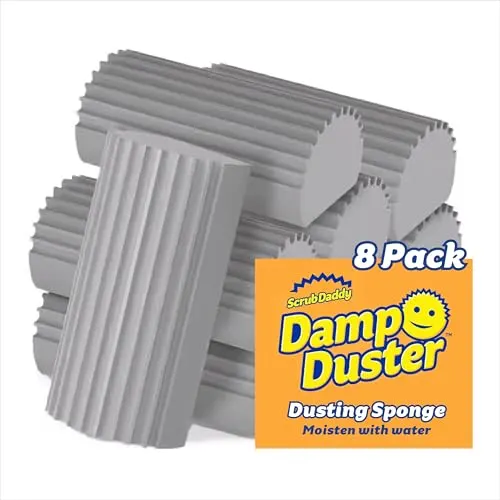
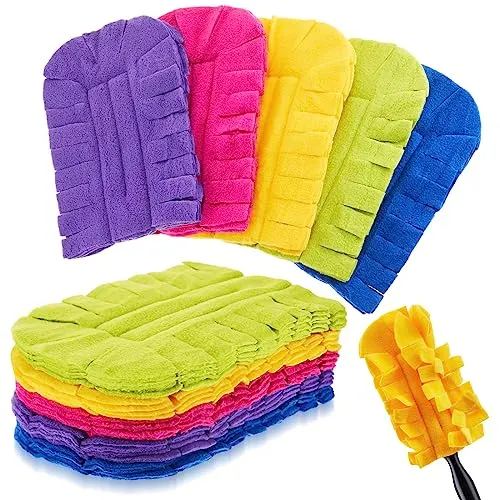
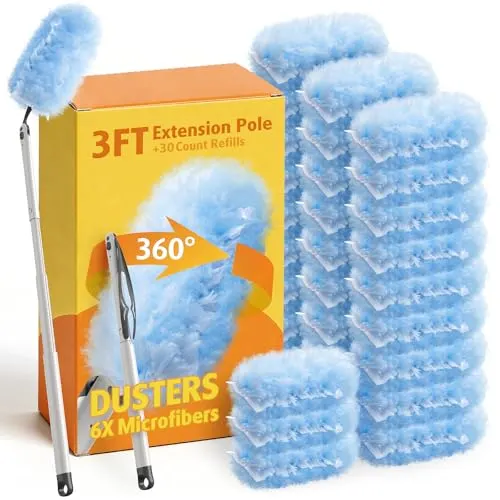
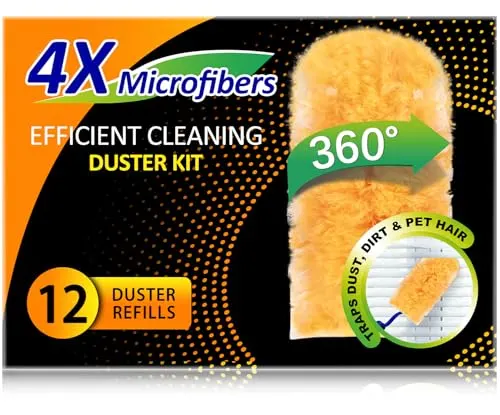
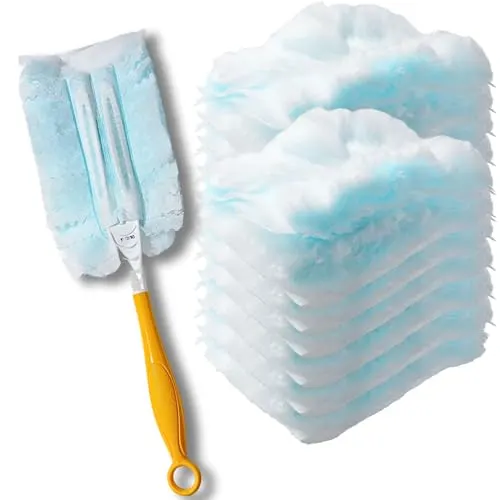
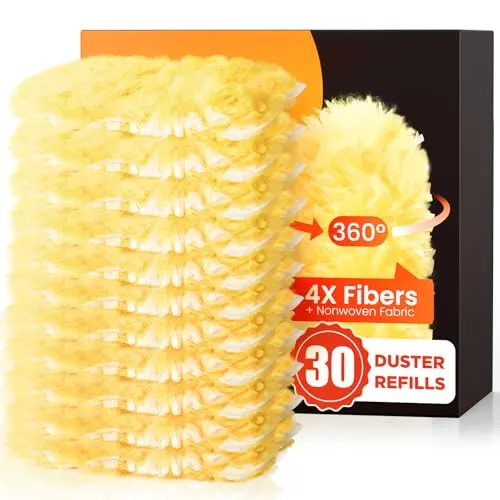
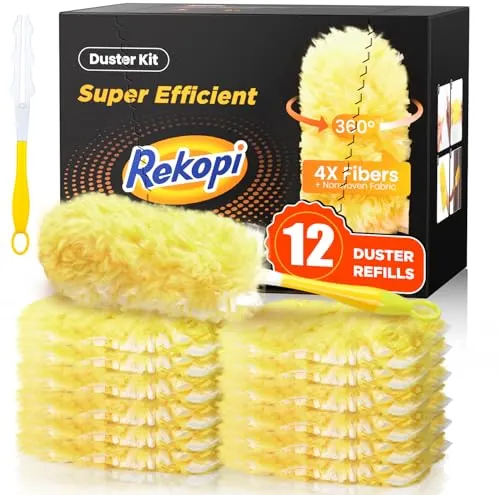
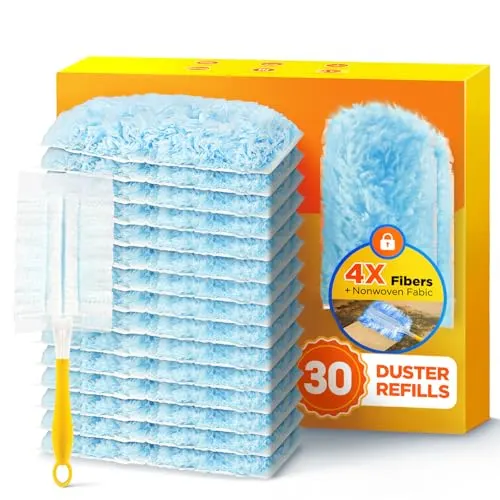
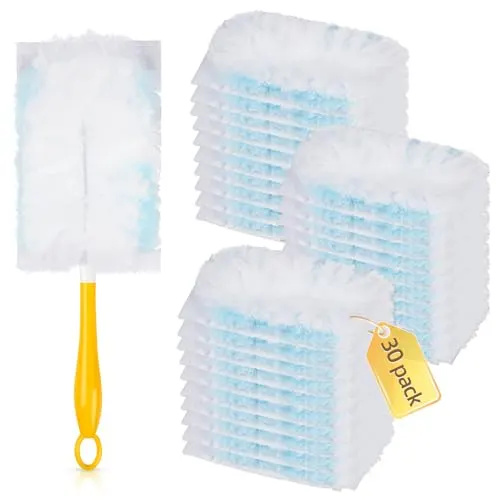
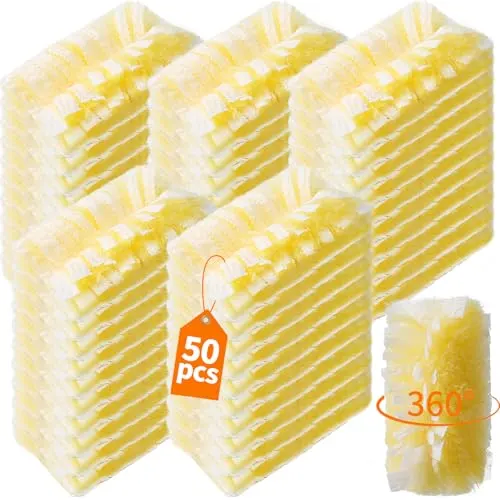
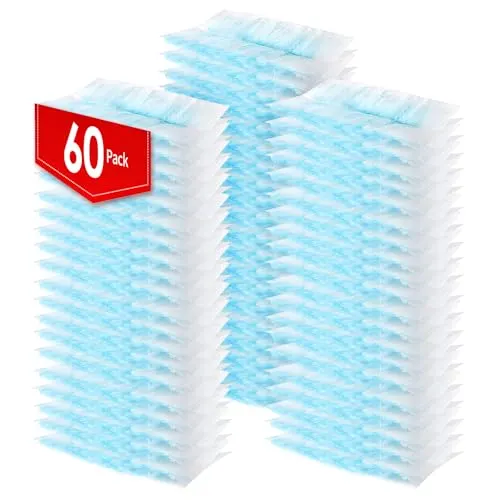
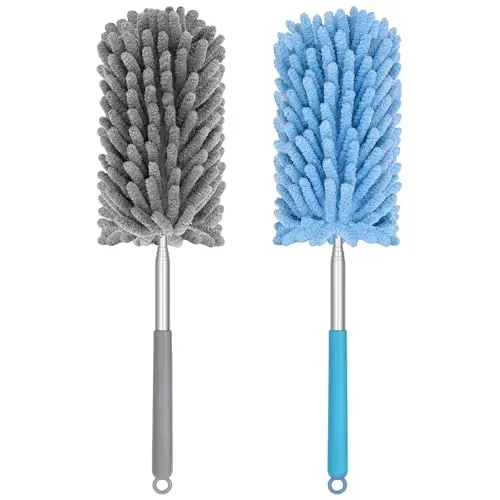
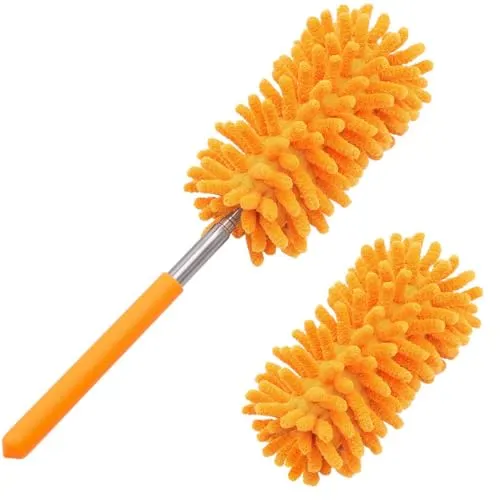
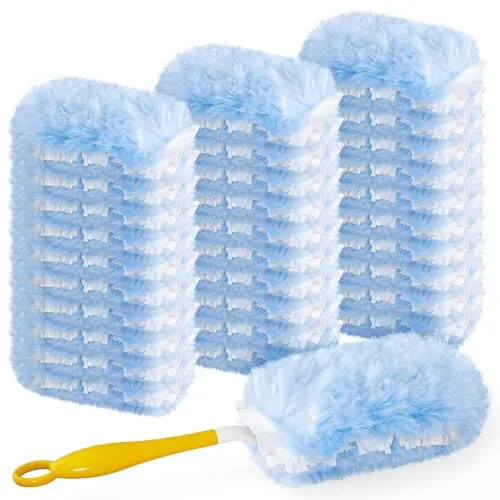
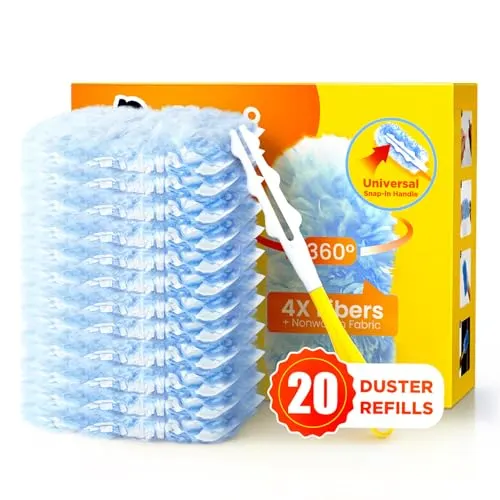
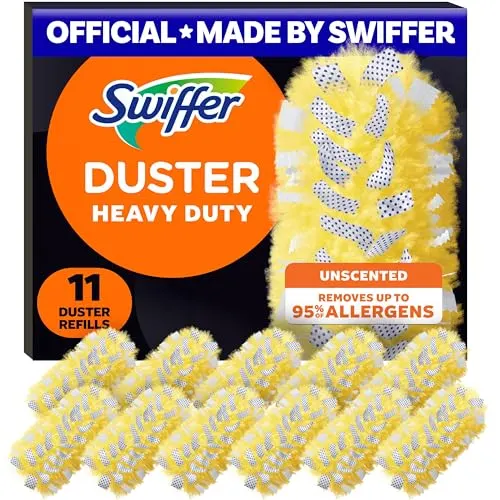
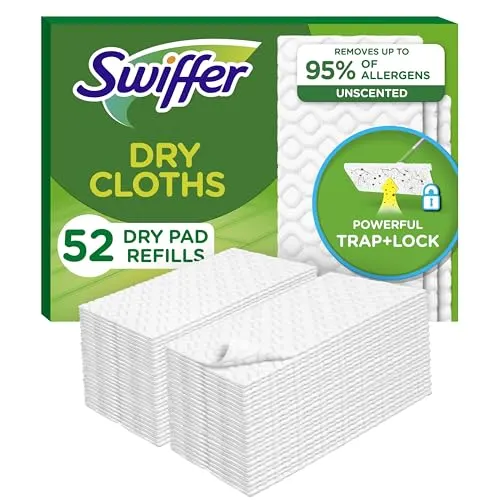
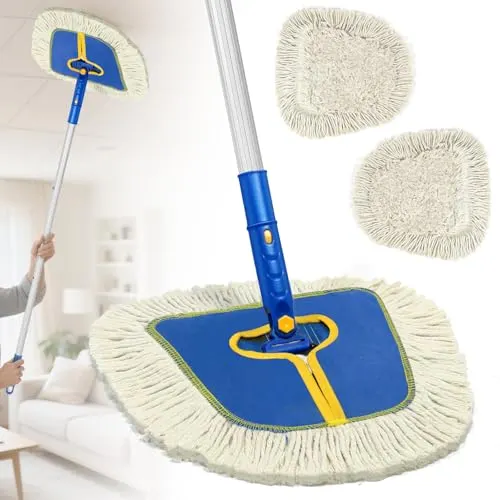
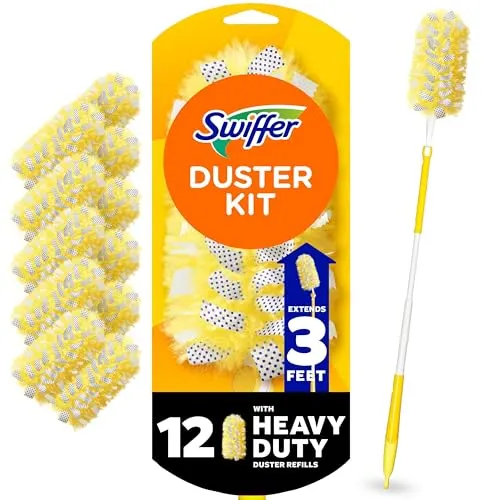
Flat microfiber cloths suit reachable shelves and furniture because you can fold the cloth to expose a clean section. Handled dusters are easier for blinds, vents, fan blades, and spaces where reach matters. A disposable-refill system may be convenient, while a washable head can reduce repeat purchases. Check whether a handle telescopes, whether refills are specific to the model, and whether the head is suitable for delicate surfaces.
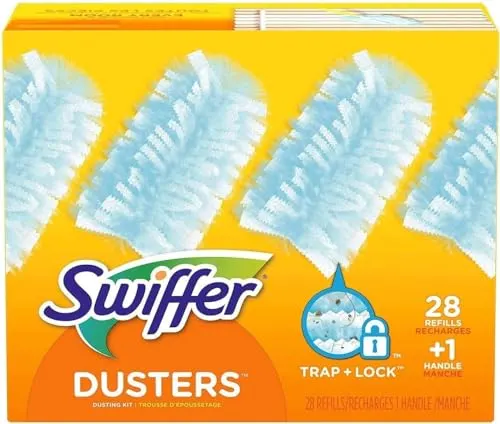
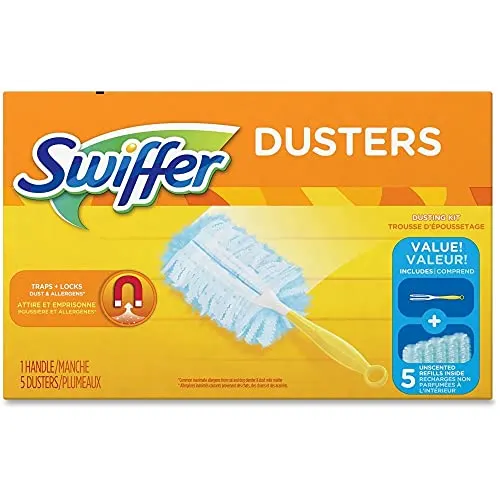
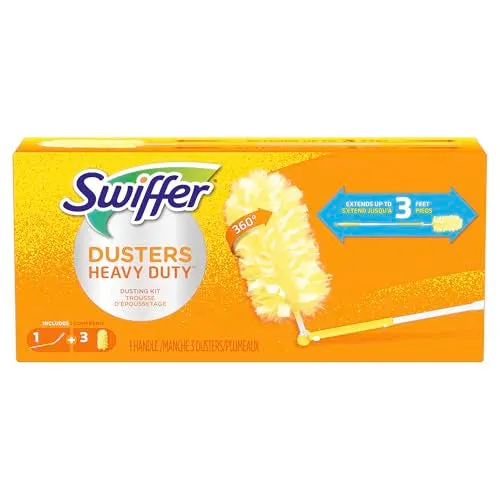
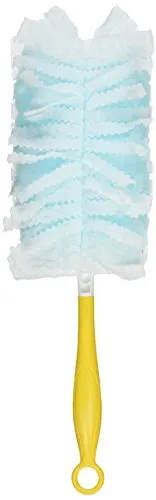
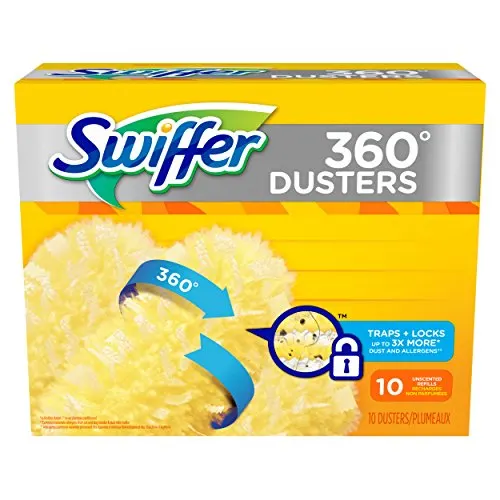
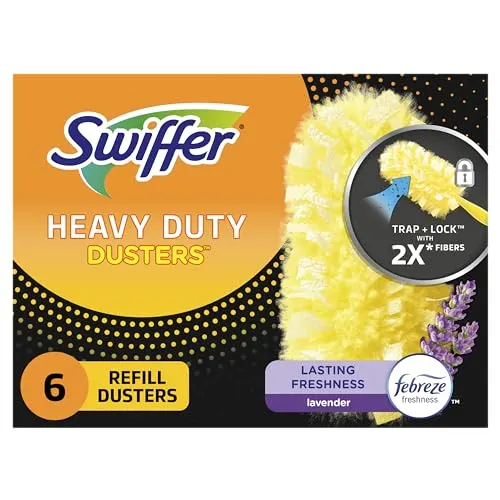
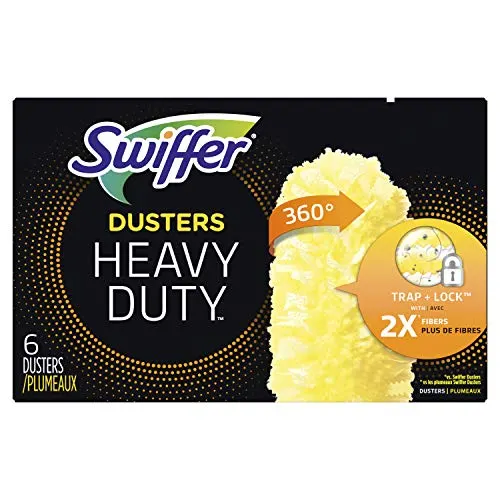
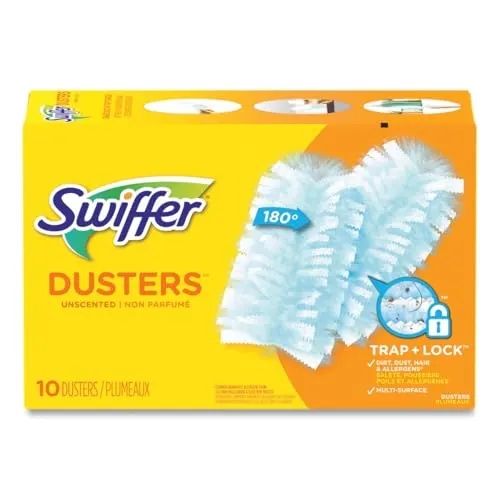
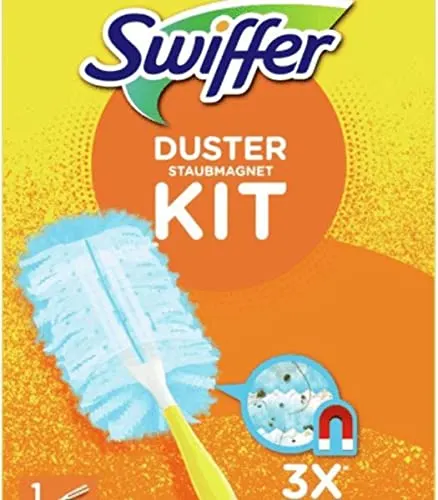
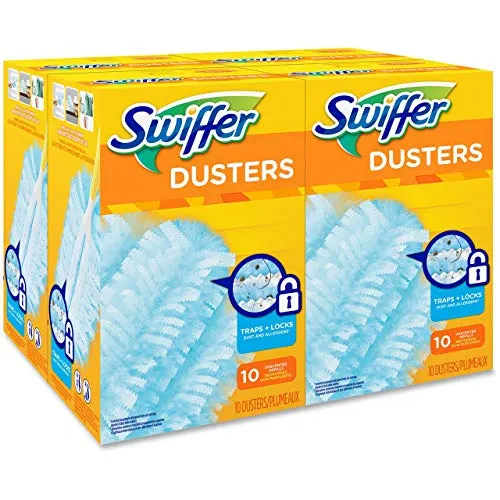
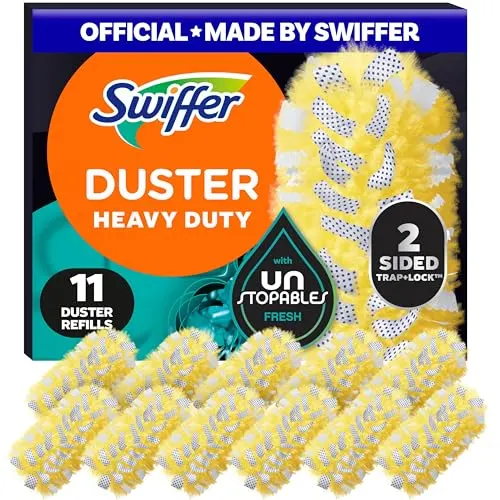
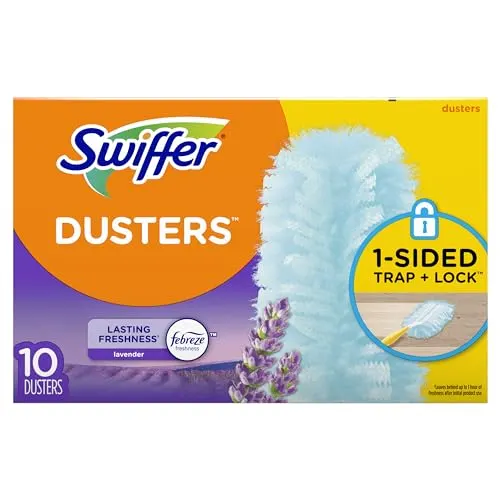
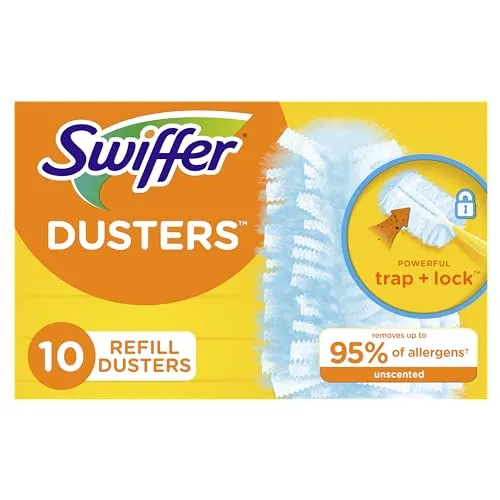
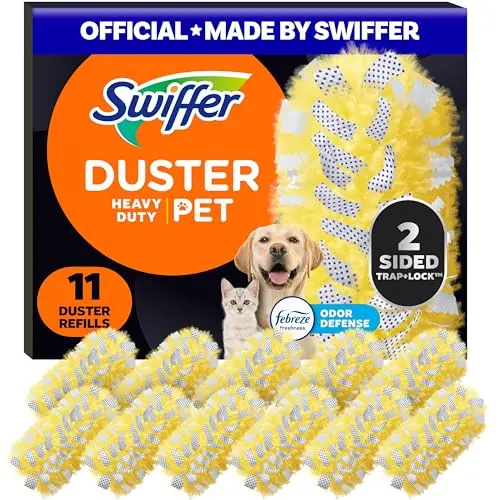
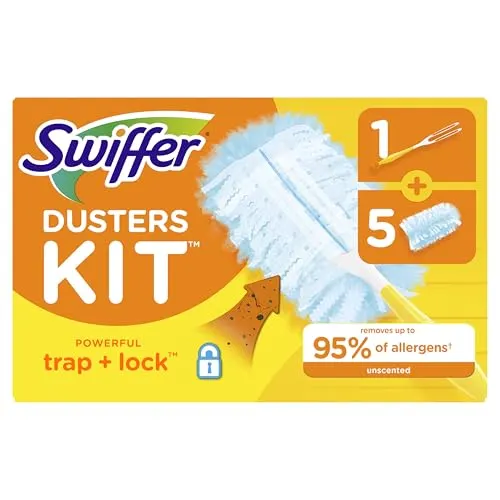
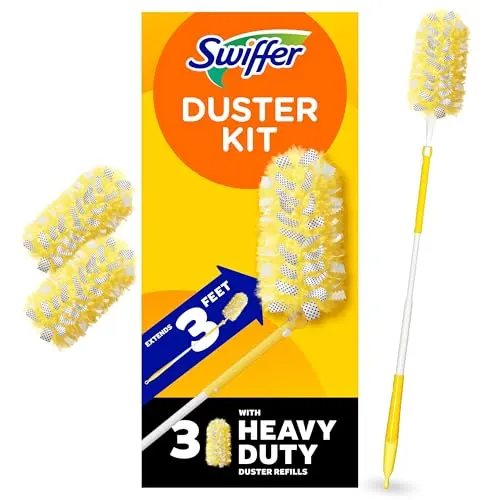
The Swiffer Dusters Starter Kit with one handle and five dusters represents the refill-based format. Compare it with reusable choices in Dusters and the brand-focused Swiffer Dusters collection. Work from higher surfaces downward so settled dust is collected during the final floor pass.
Sweeping and dry floor pickup
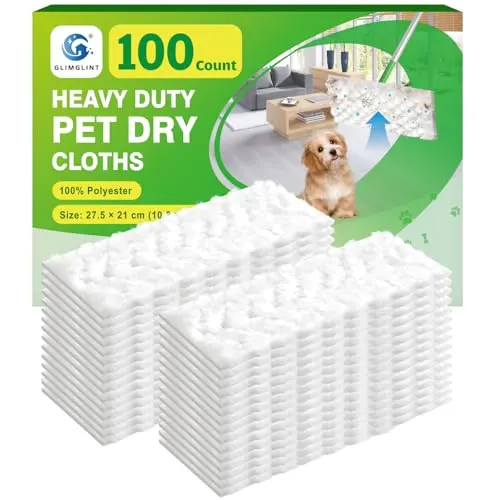
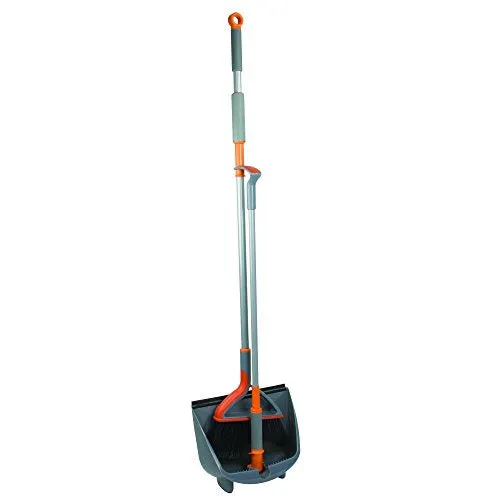
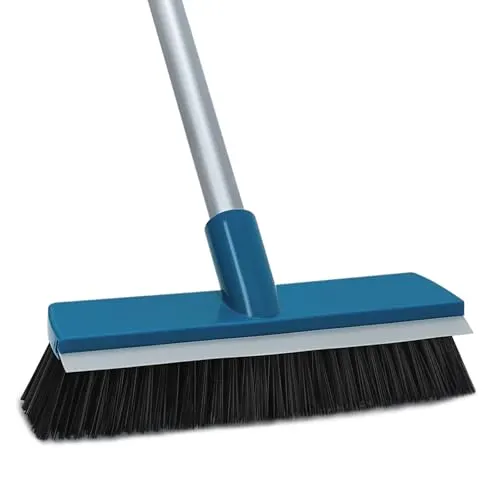
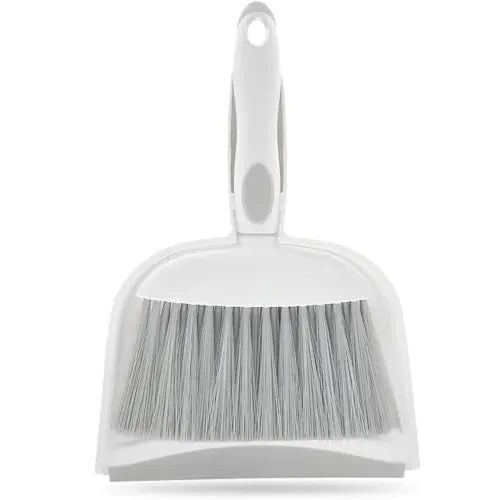
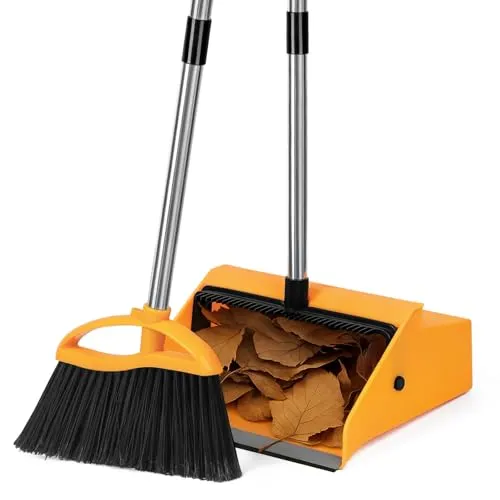
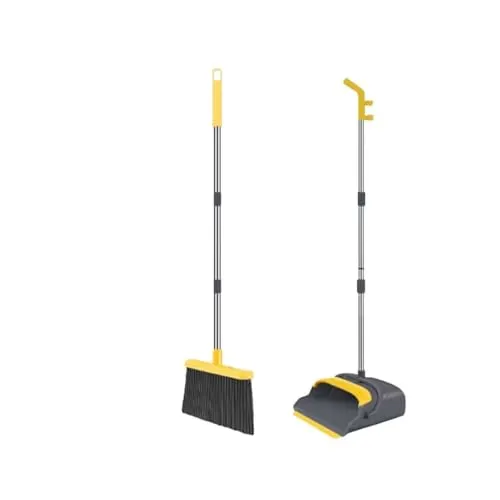
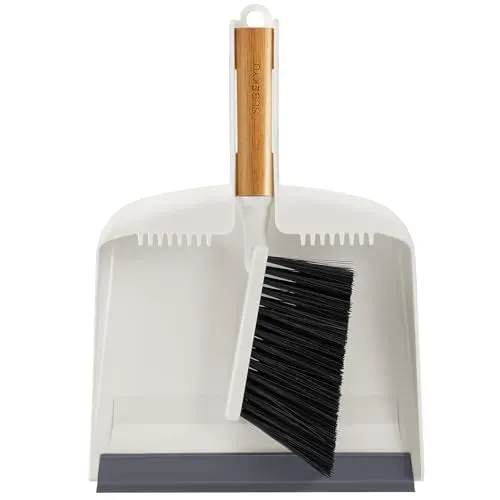
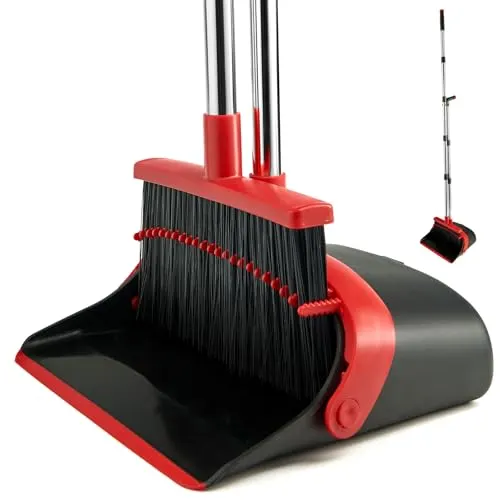
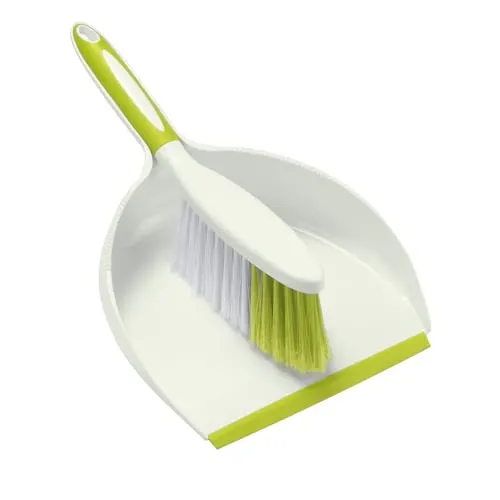
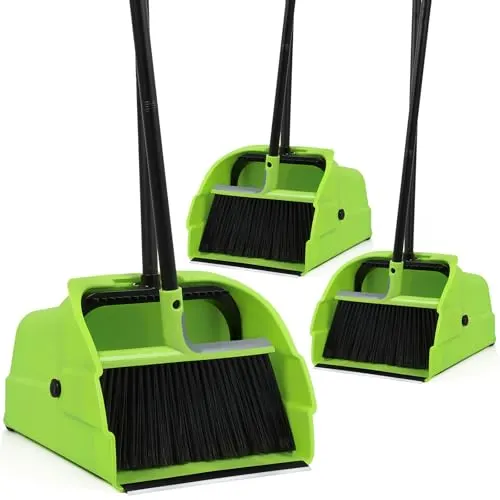
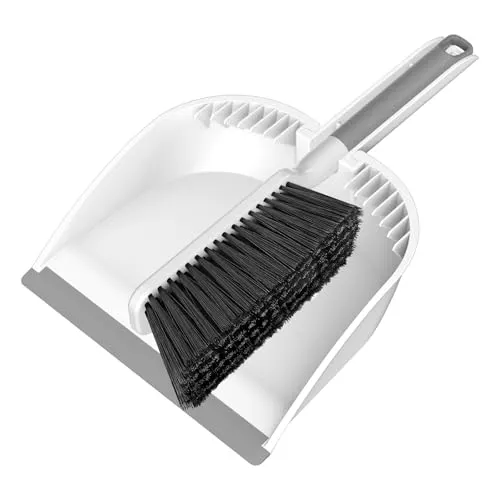
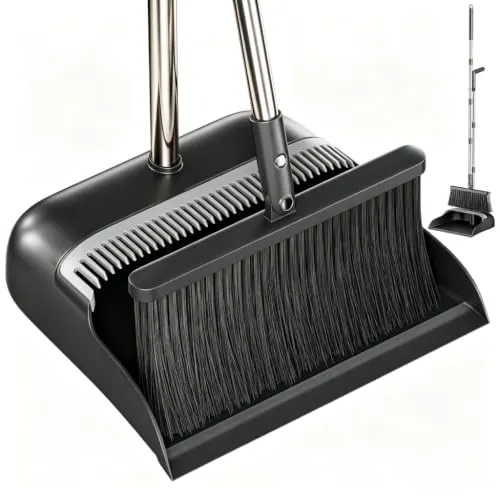
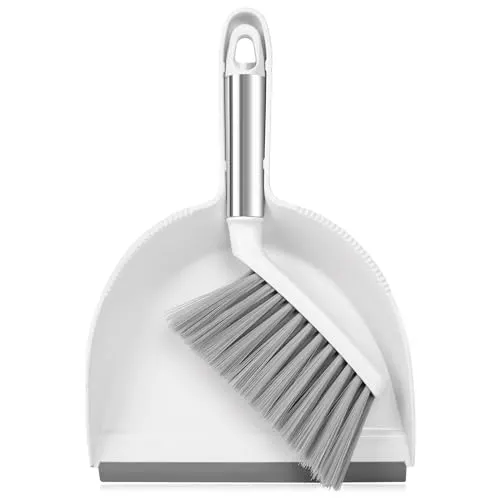
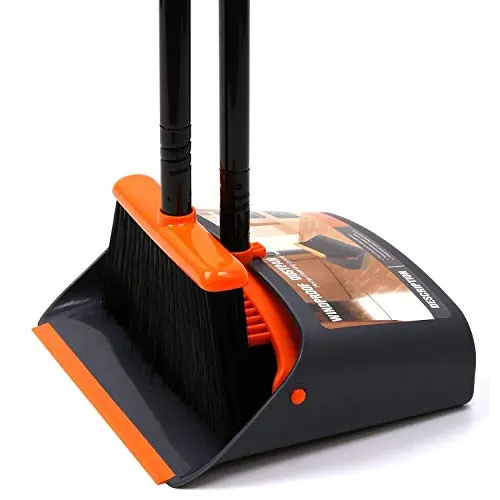
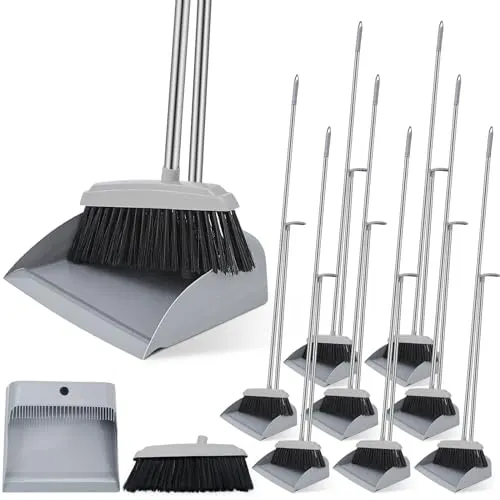
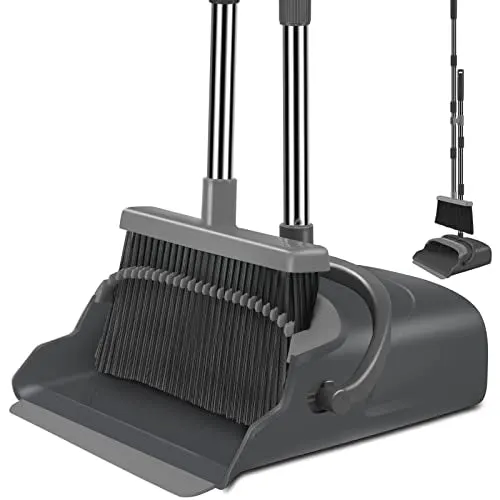
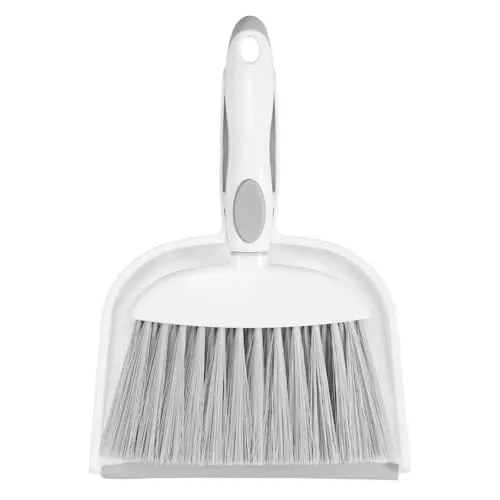
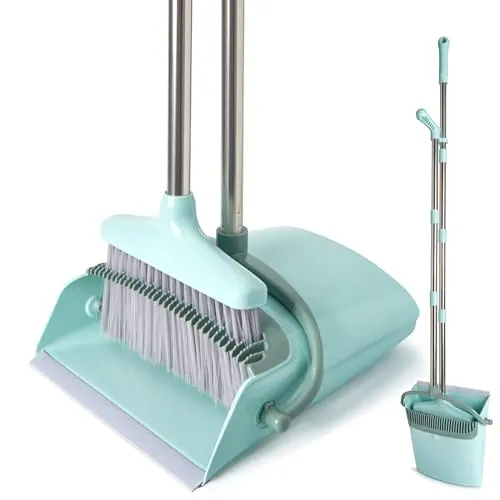
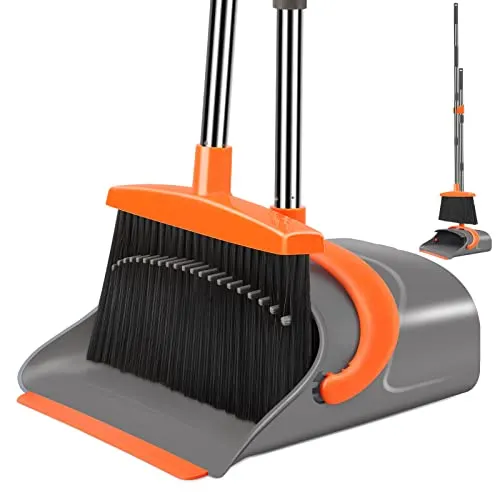
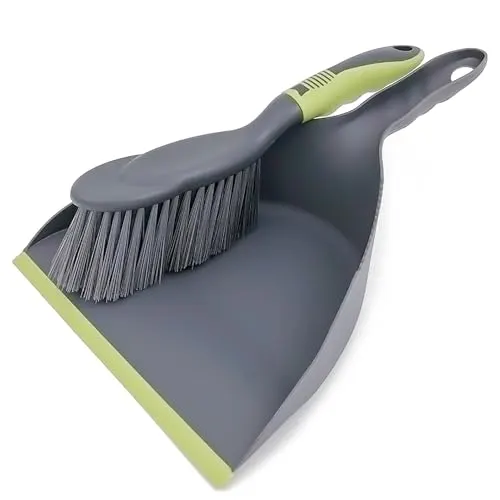
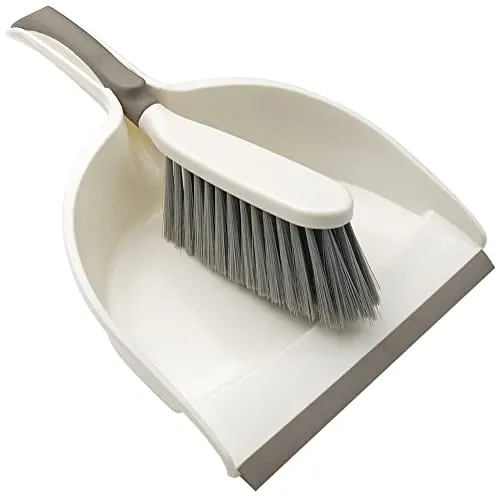
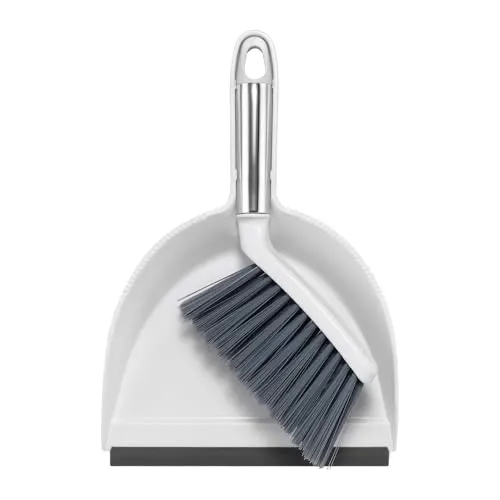
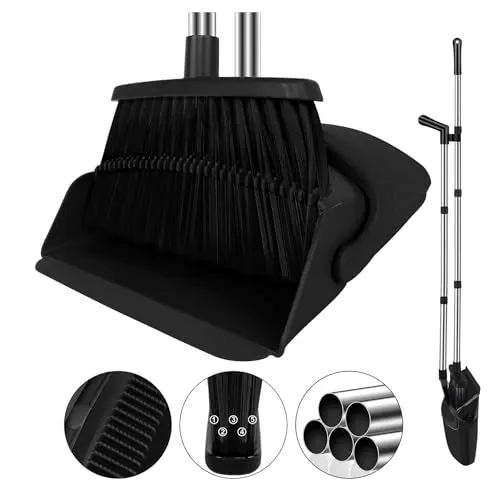
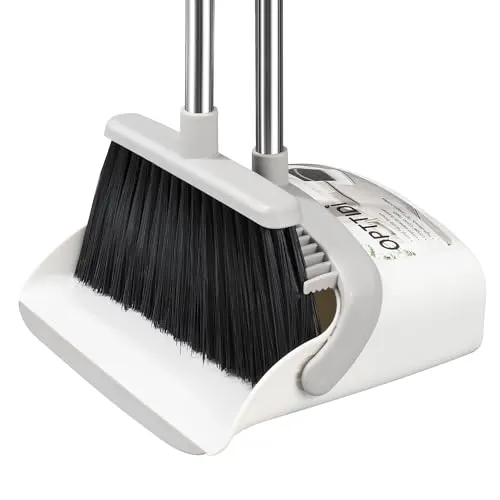
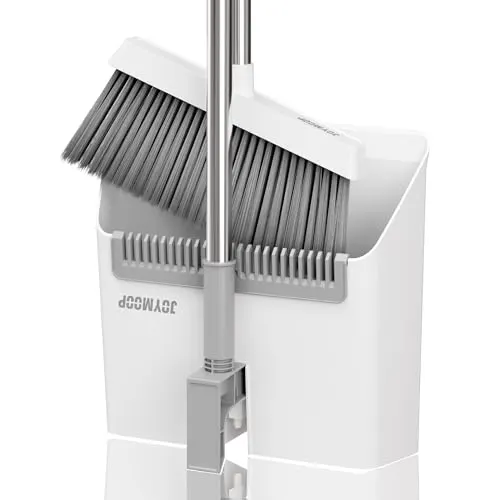
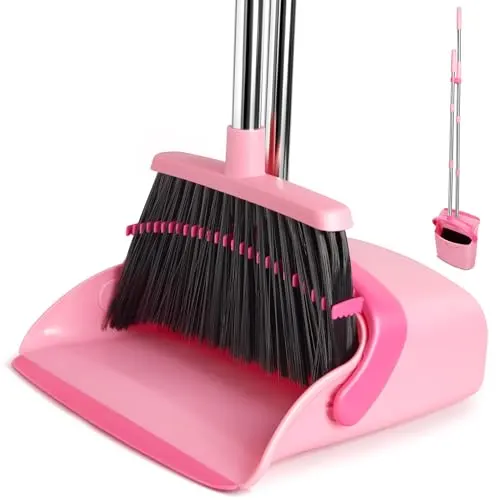
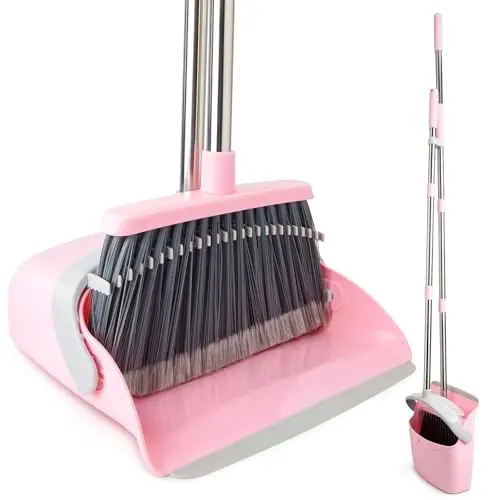
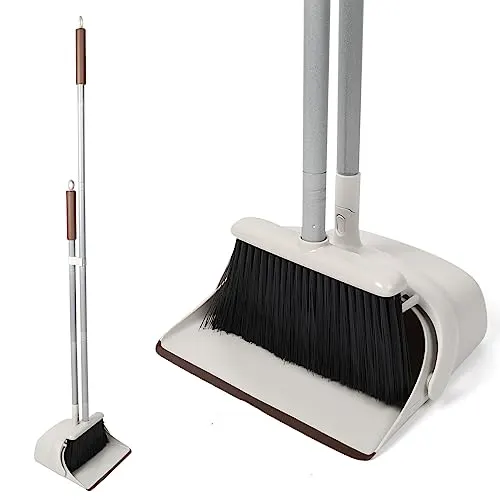
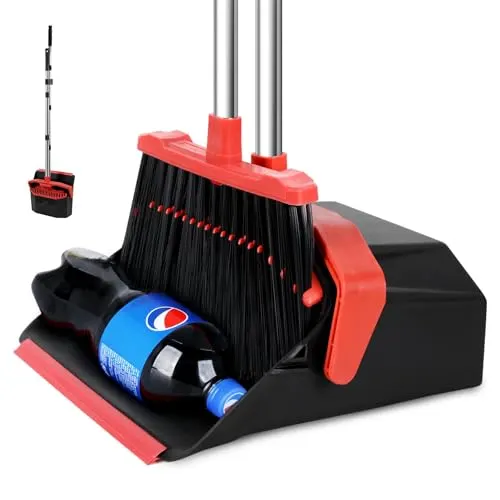
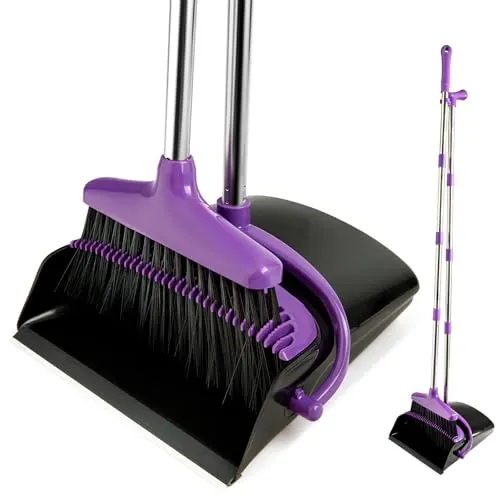
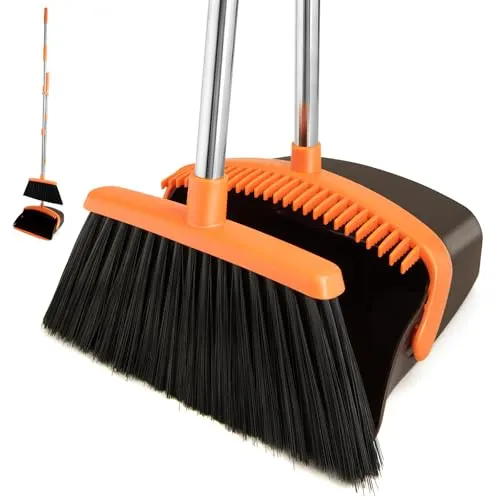
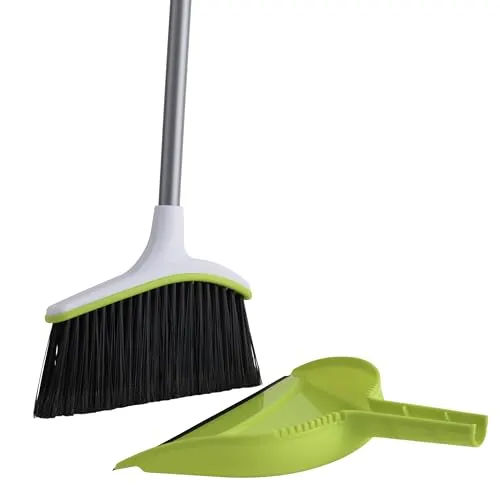
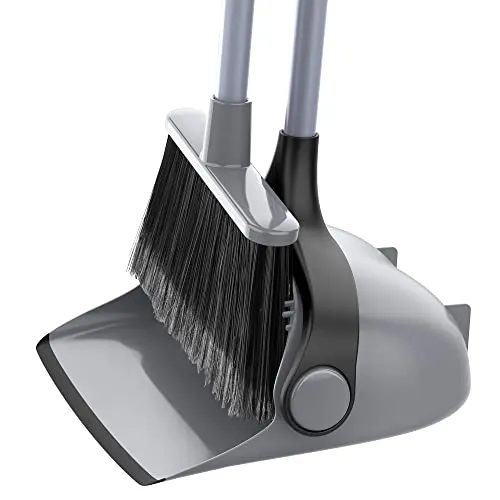
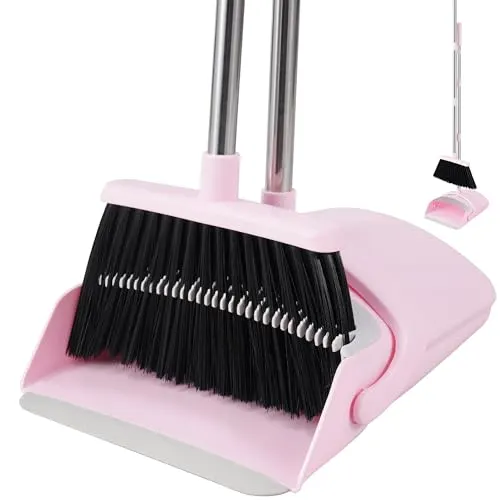
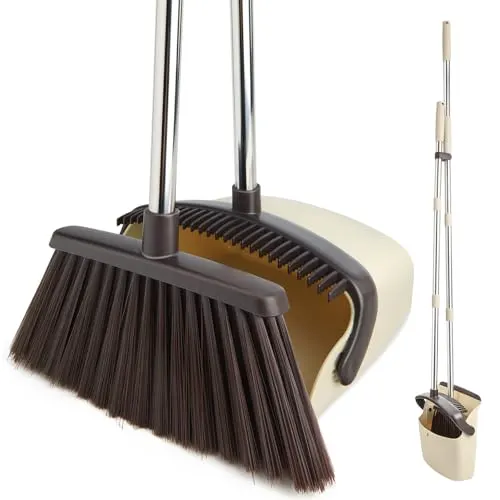
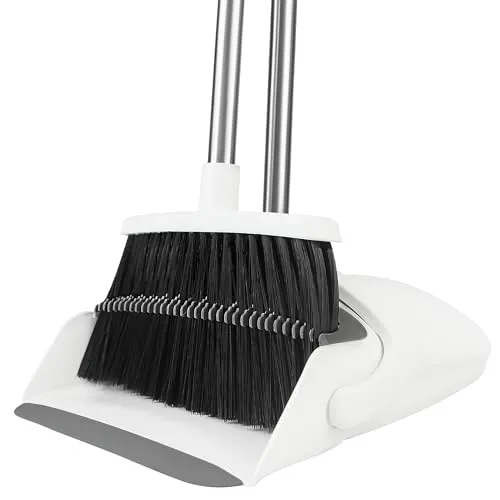
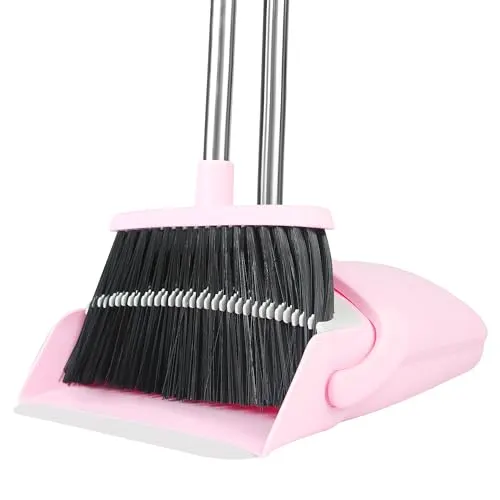
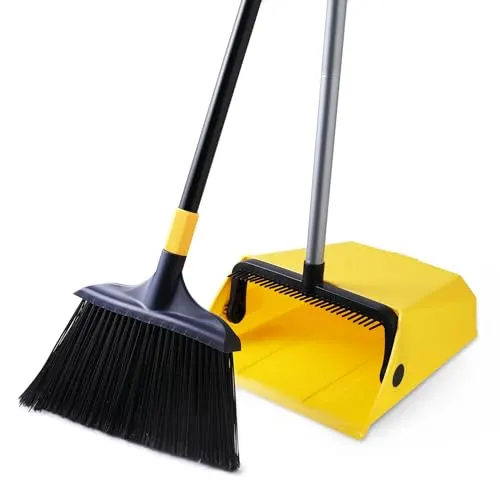
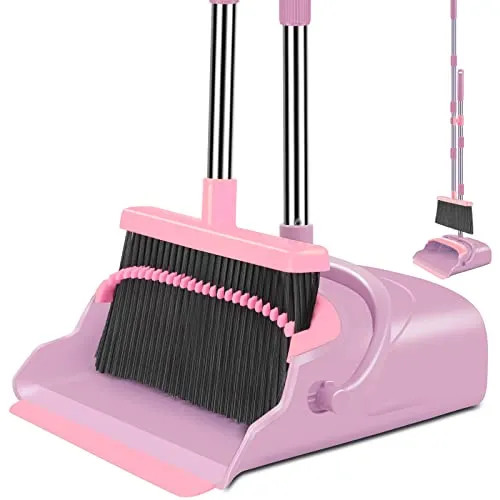
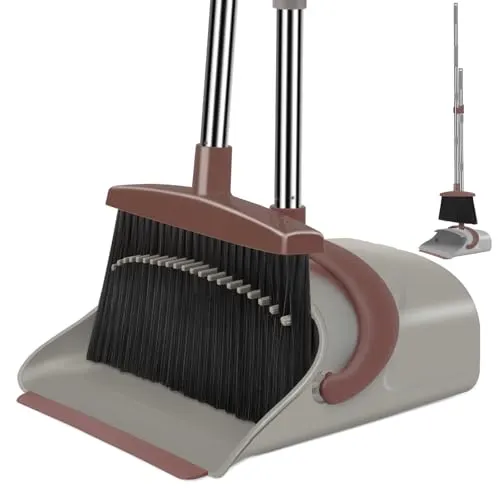
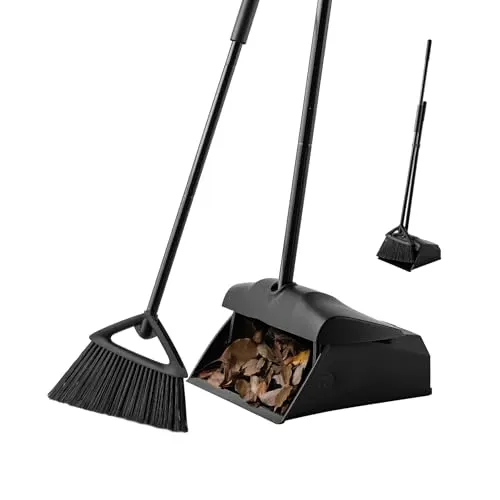
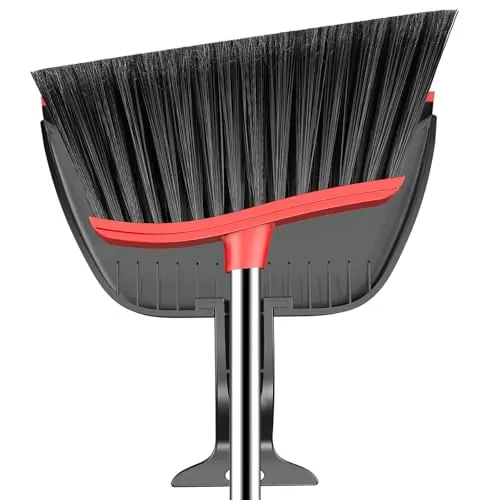
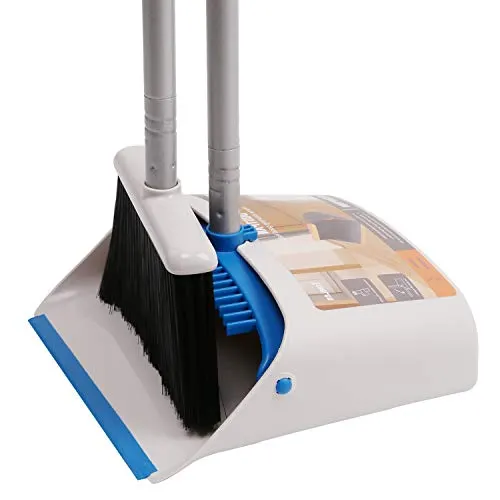
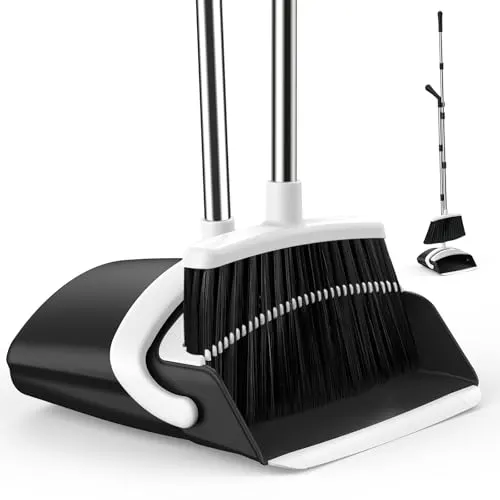
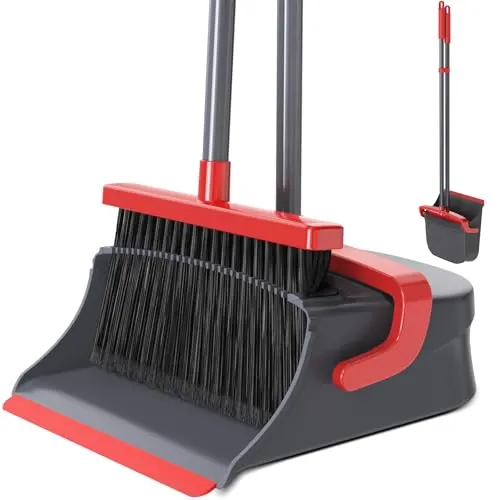
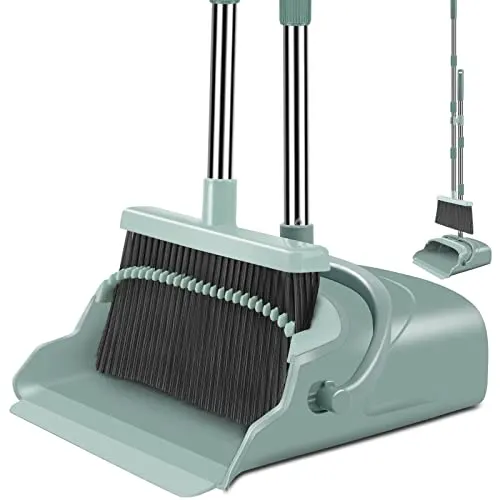
A broom-and-dustpan set remains useful for entryways, kitchens, utility rooms, and quick debris pickup. Fine bristles tend to gather smaller particles on smooth floors, while stiffer fibers can suit rougher utility surfaces. A dustpan with a floor-contacting lip helps reduce the line of debris left behind, and a standing design may be preferable when bending is uncomfortable. For pet hair or widespread fine dust on smooth floors, compare a dust mop as well.
The O-Cedar One Sweep Broom and Step-On Dustpan Set is one integrated format to consider. Explore additional Floor Cleaning Tools if you need a combination of dry pickup and wet care rather than a single-purpose set.
Mopping hard floors
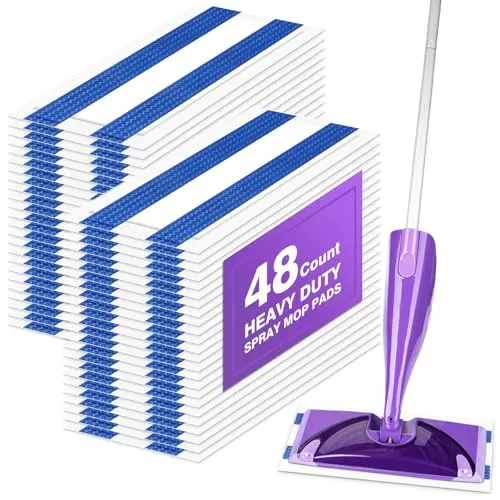
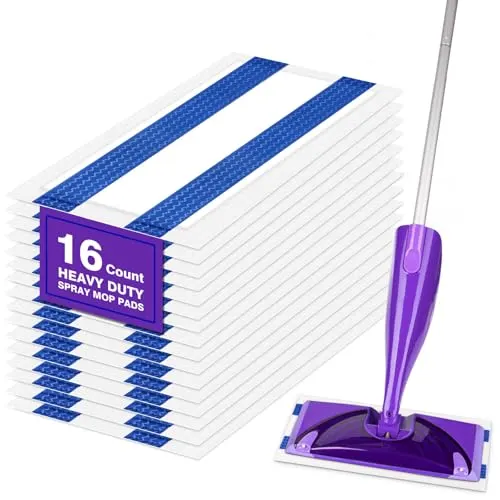
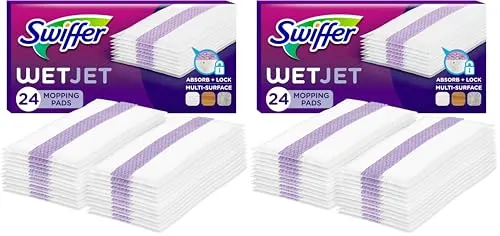
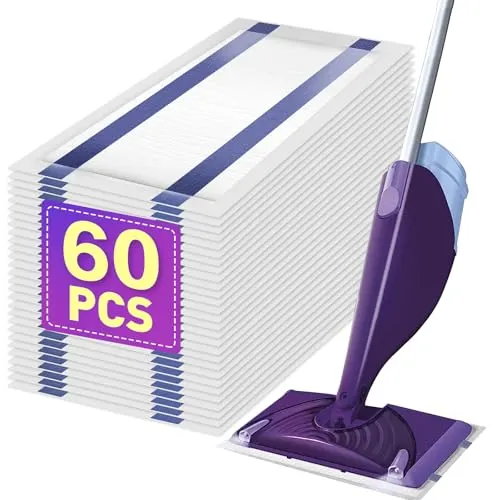
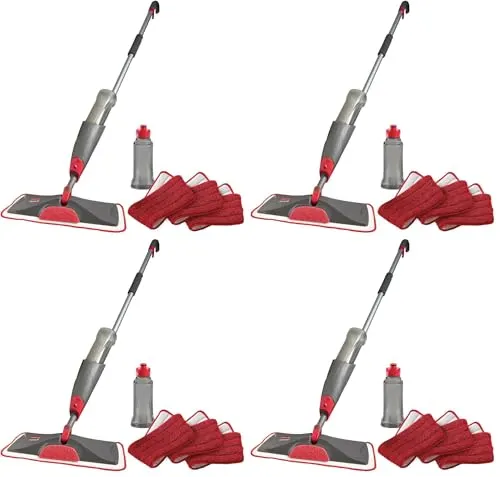
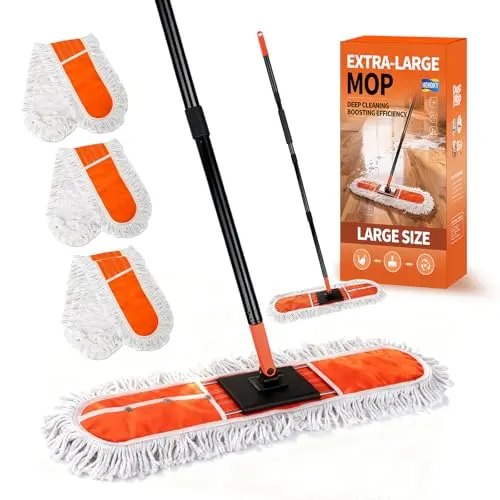
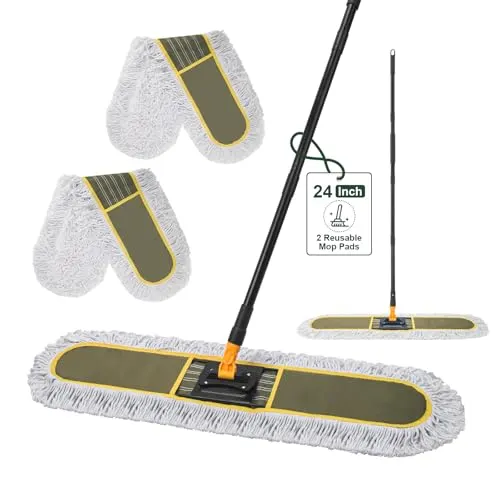
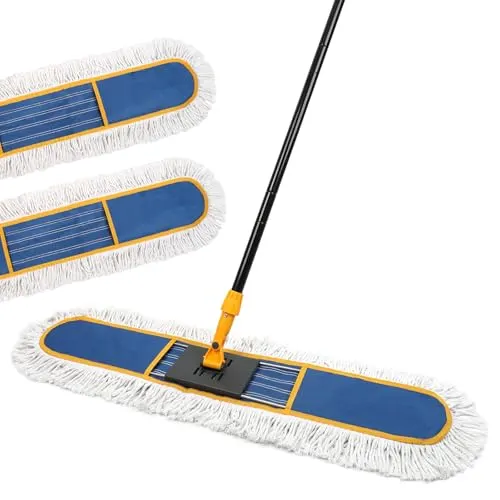
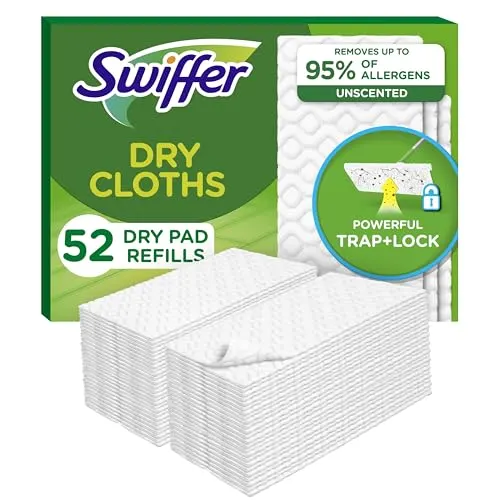
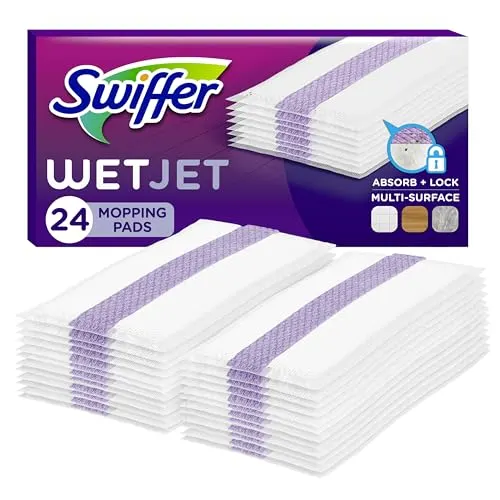
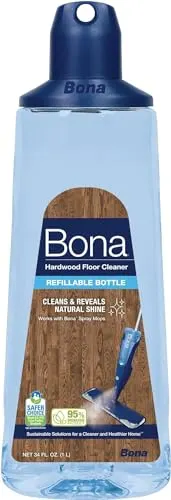
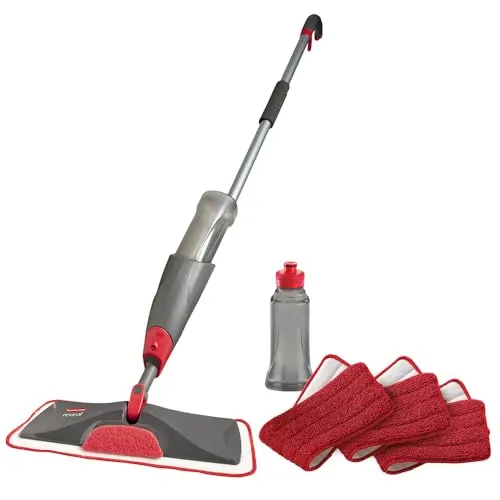
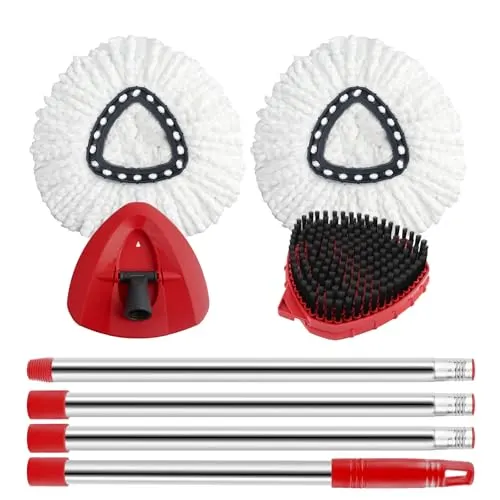
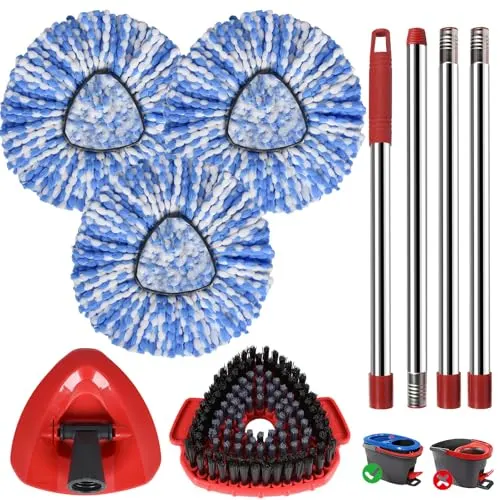
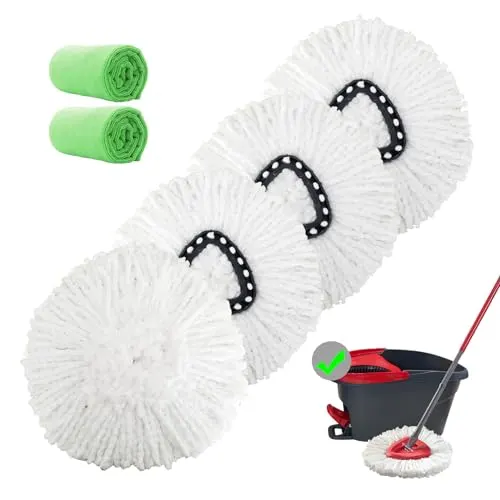
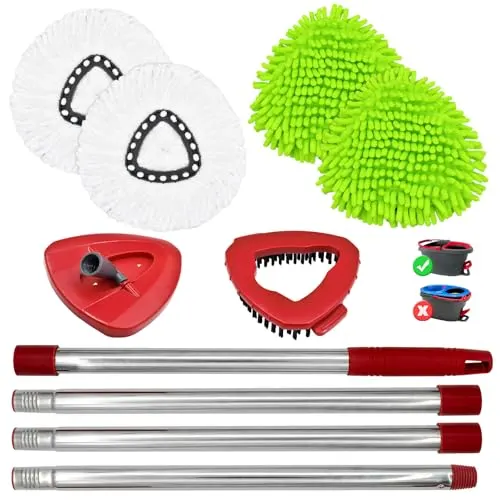
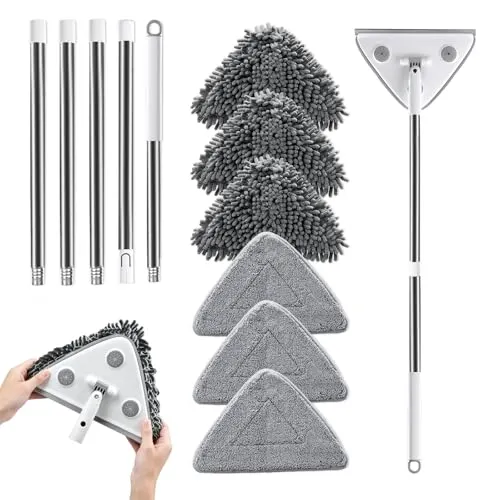
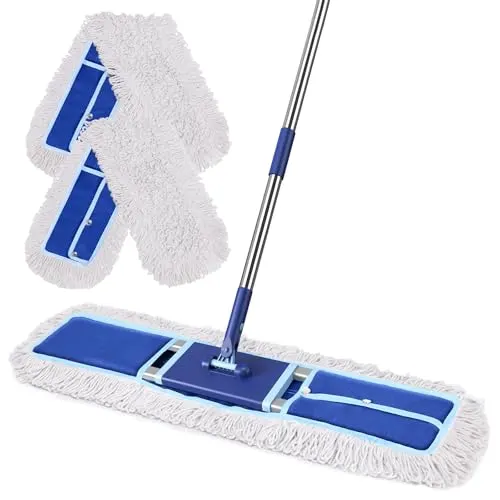
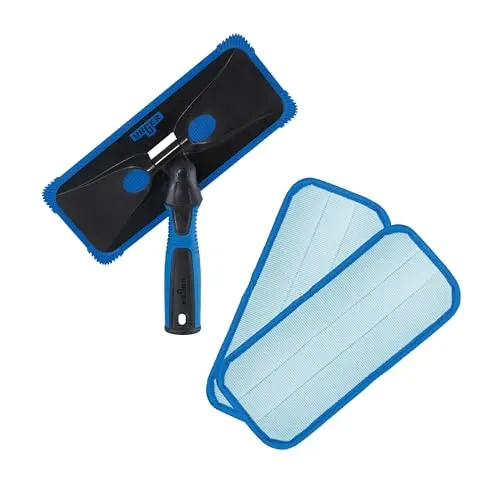
Choose a mop only after checking the flooring maker's care instructions. A Spray Mop offers controlled dispensing for routine passes, a Spin Mop combines a wringing system with a bucket, and a dust mop handles dry particles before any liquid is applied. Steam is not suitable for every sealed or wood floor, and extra water is not a substitute for the right pad or solution. The Best Mops for Hardwood Floors guide explains moisture control for wood, while Best Mops for Tile Floors and Grout covers tile texture and grout detail.
Windows, mirrors, and glass
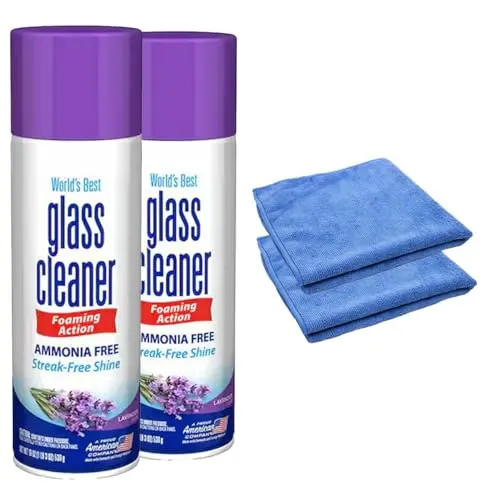
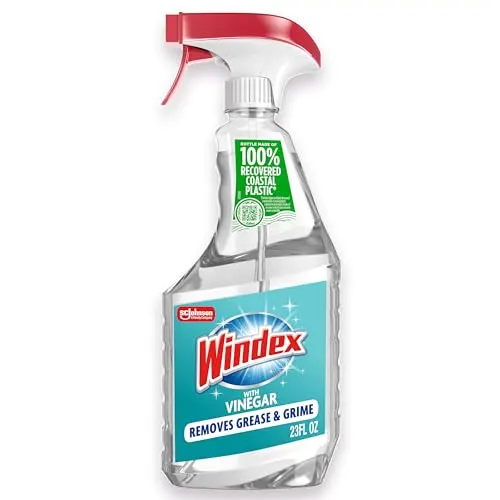
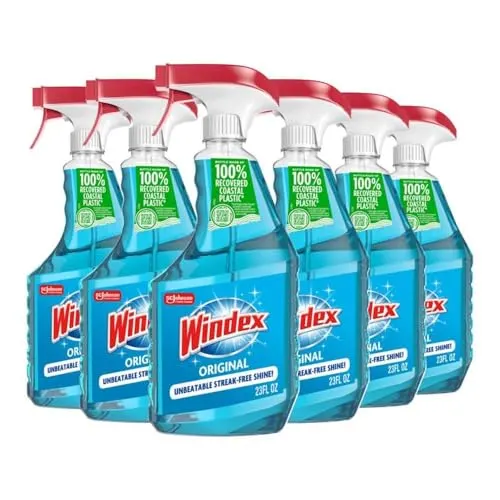
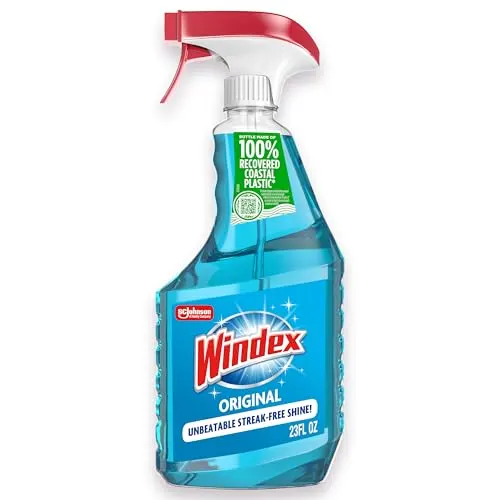
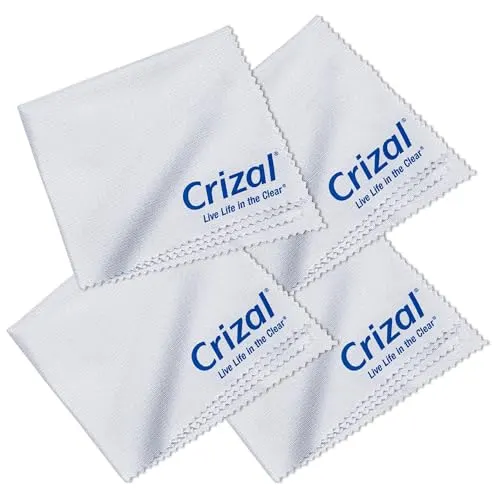
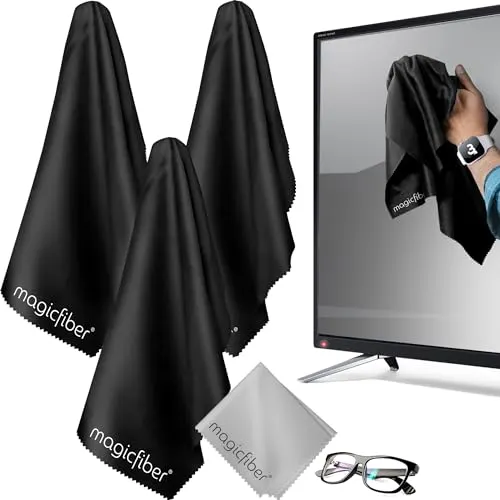
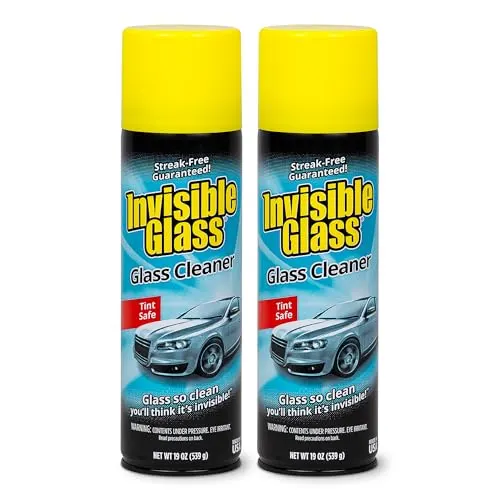
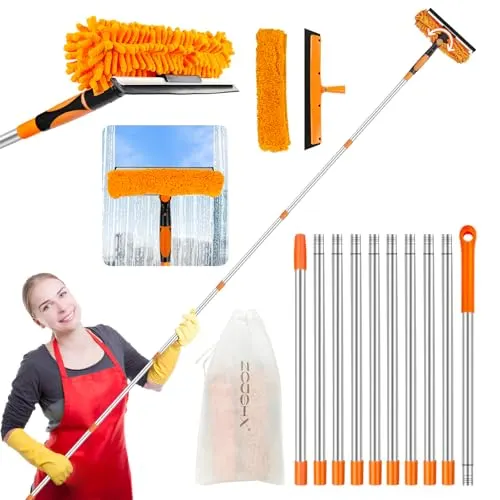
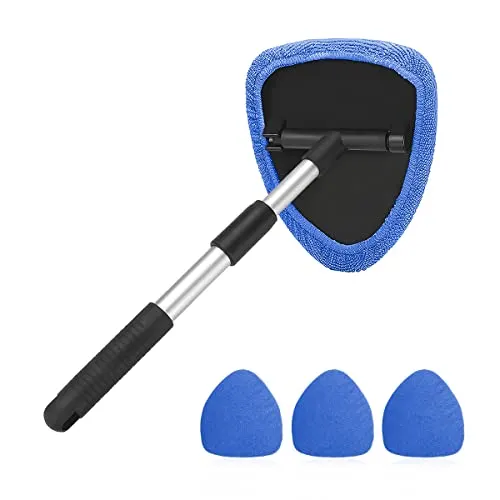
Glass care is easier when loose dust is removed first. Use a clean applicator, avoid an overloaded cloth, and finish with a dry edge or squeegee appropriate for the pane. Overspray can affect nearby wood, stone, or painted trim, so apply according to the label and protect adjacent materials. For exterior or tall windows, prioritize stable reach and safe access; a longer tool should not encourage unsafe ladder use.
Portable cleaning storage
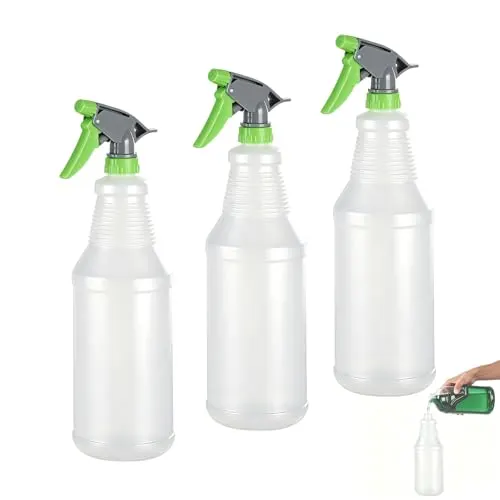
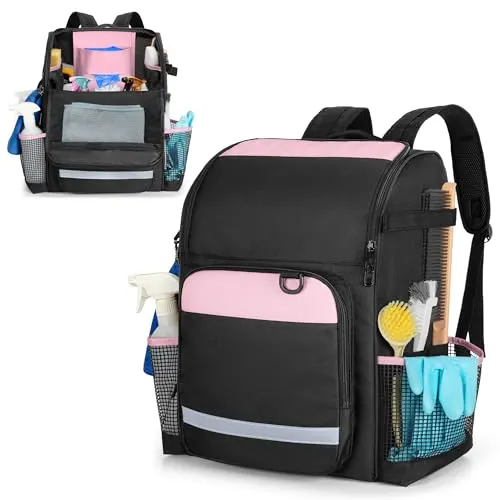
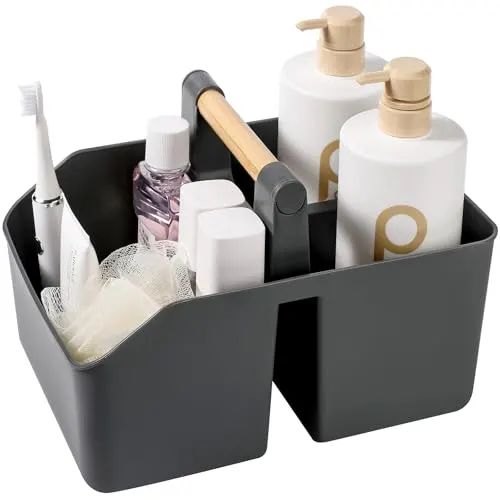
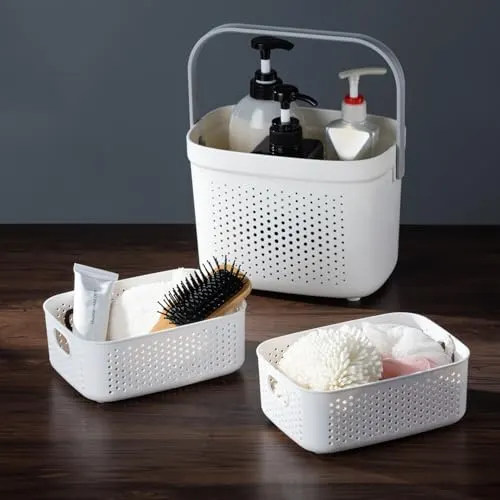
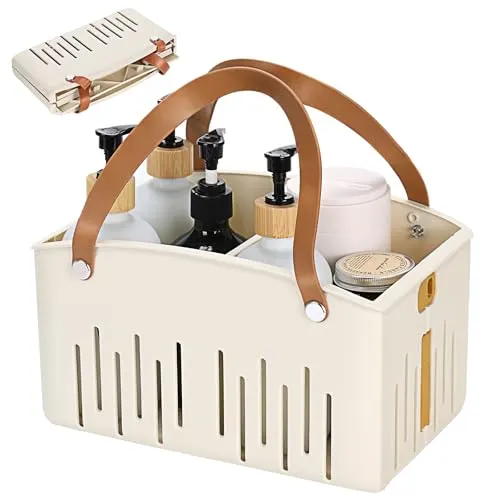
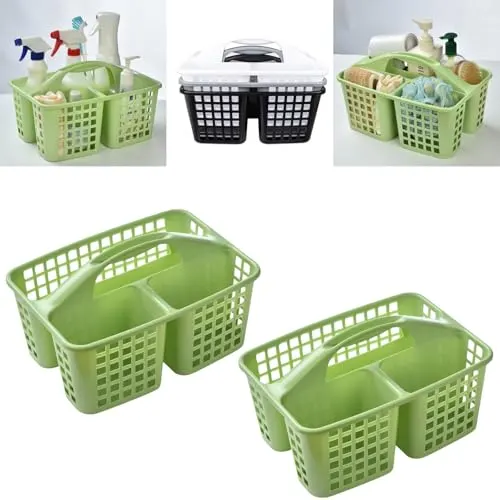
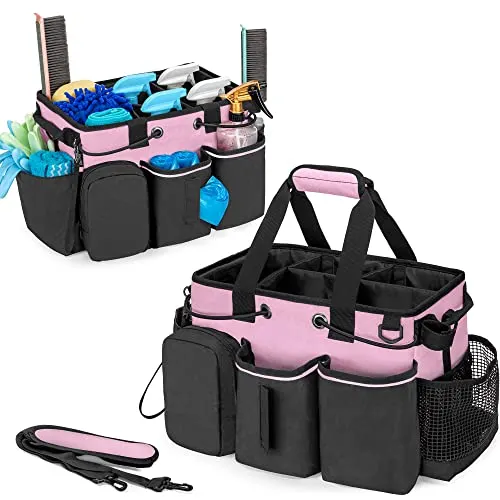
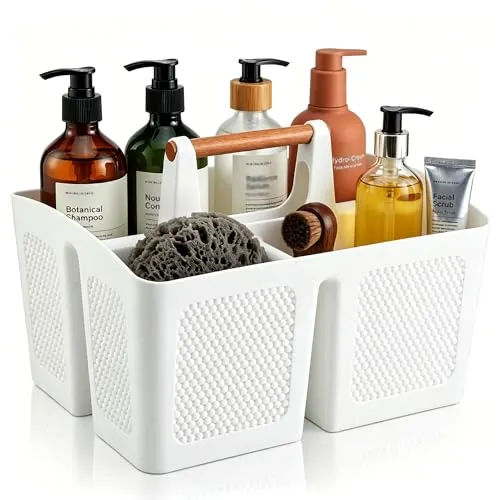
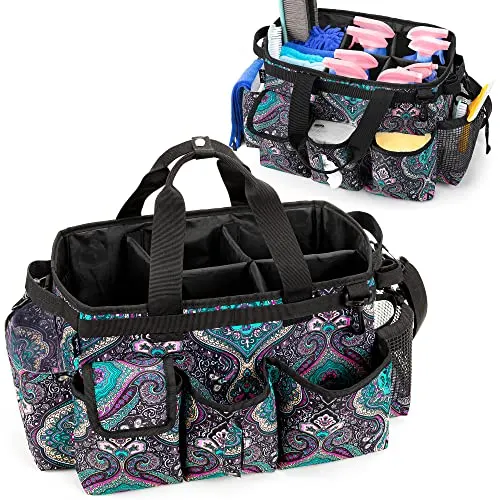
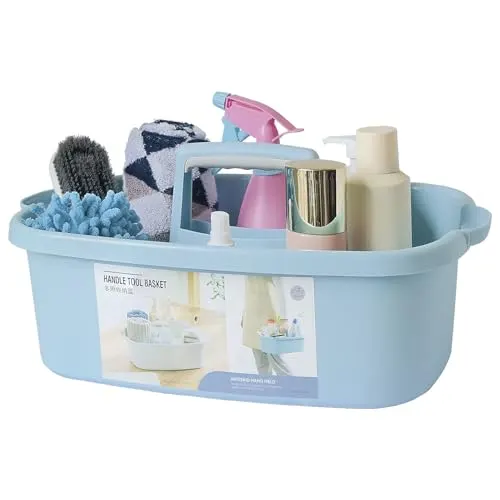
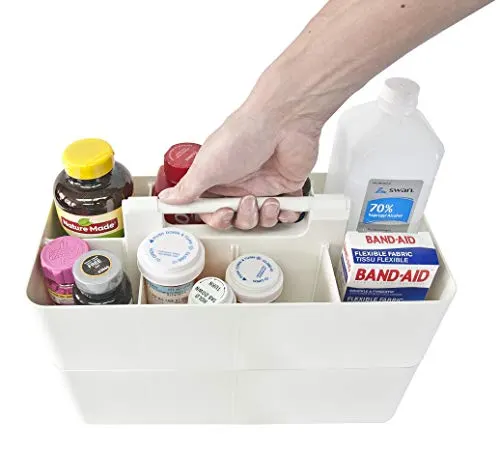
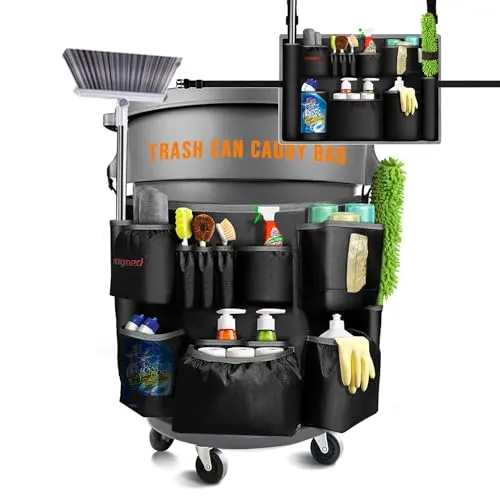
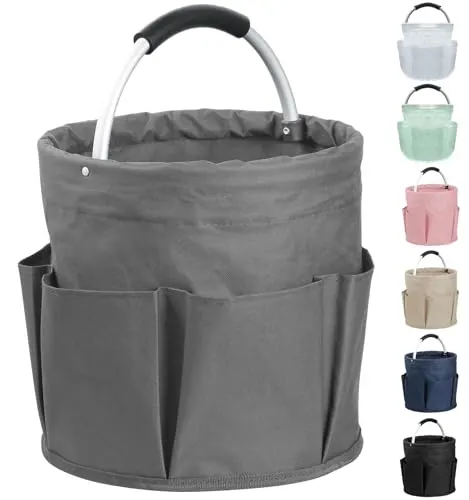
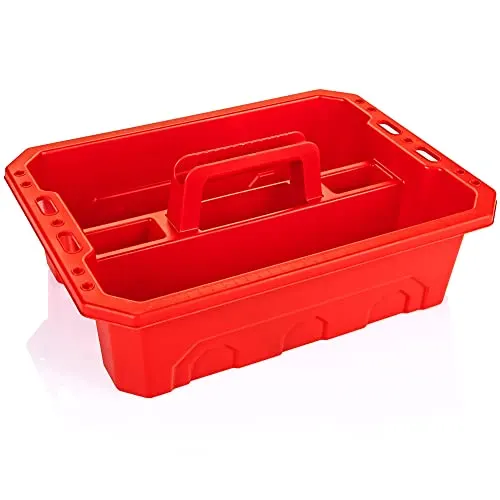
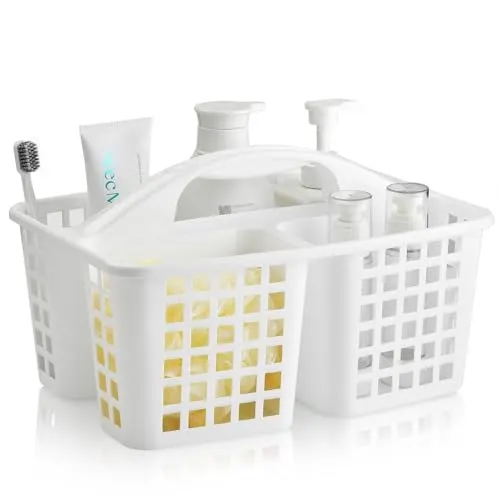
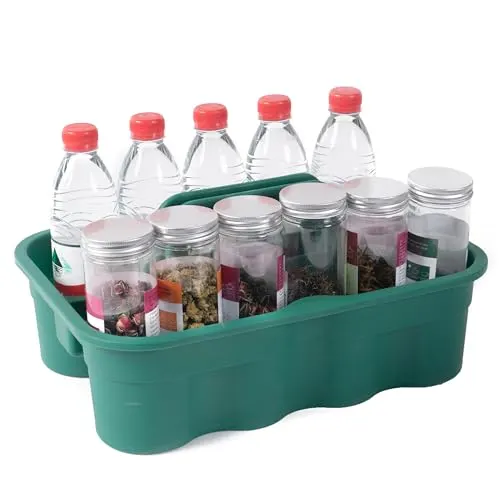
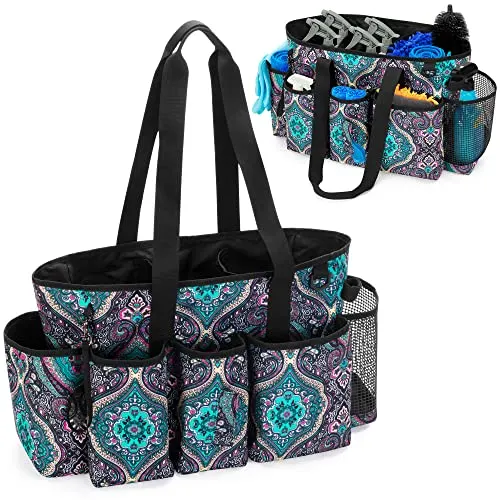
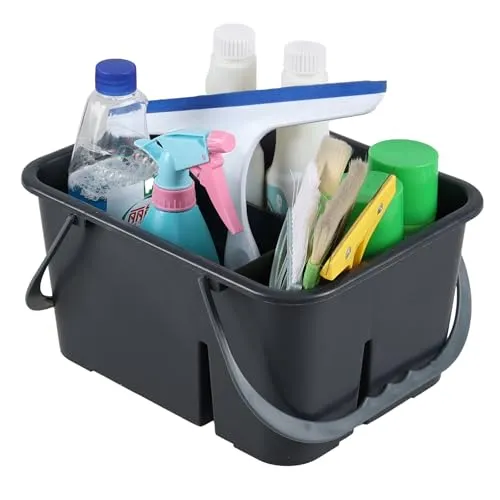
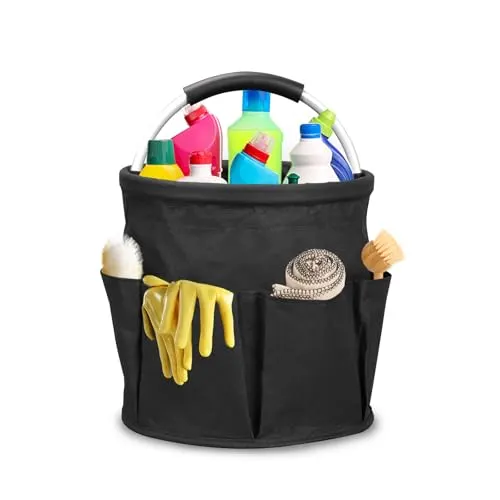
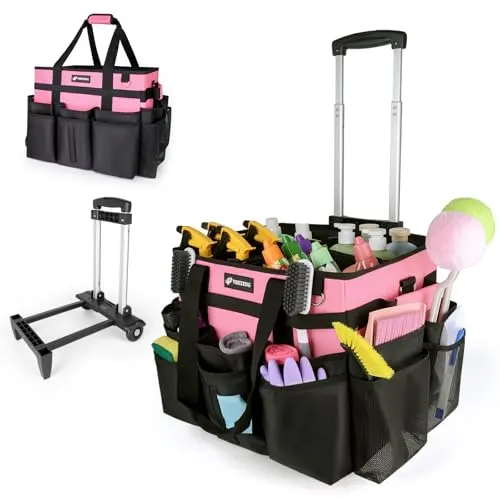
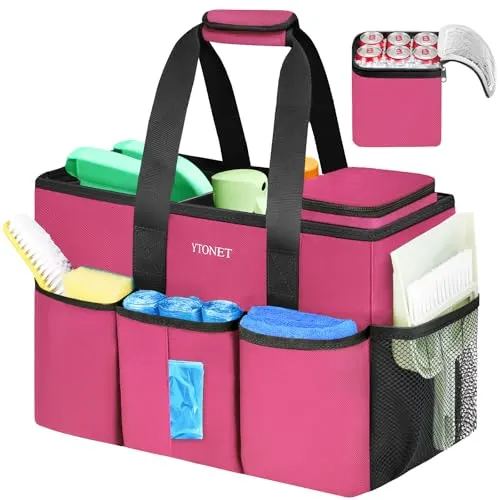
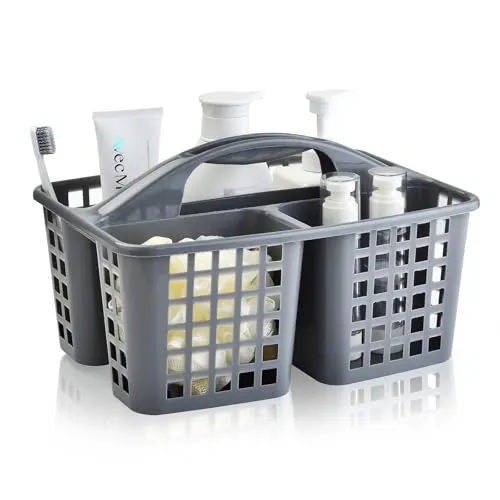
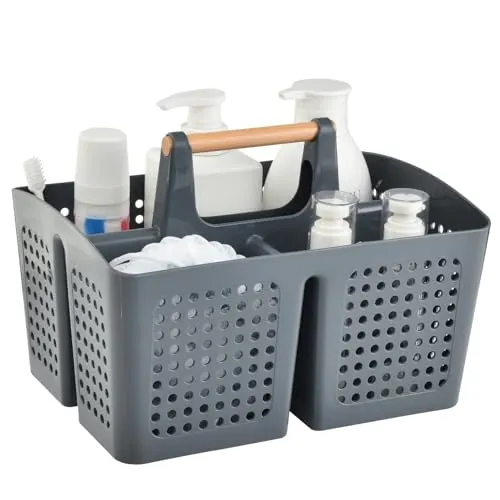
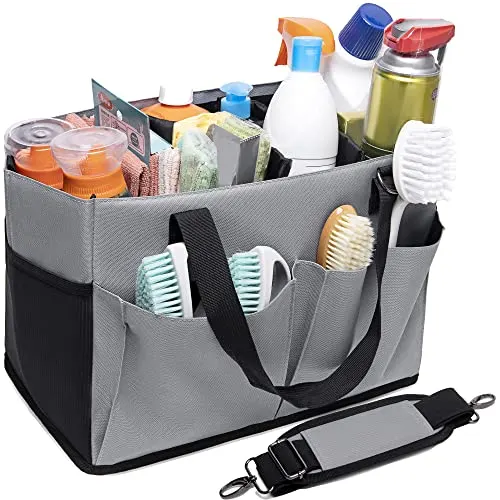
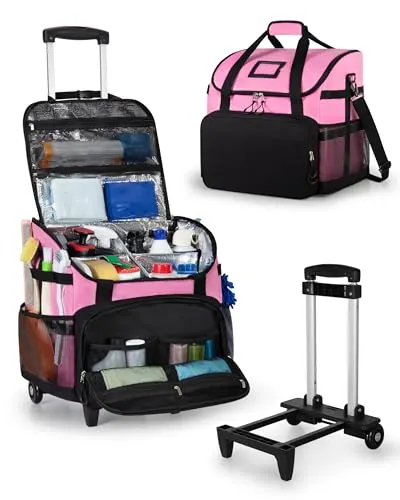
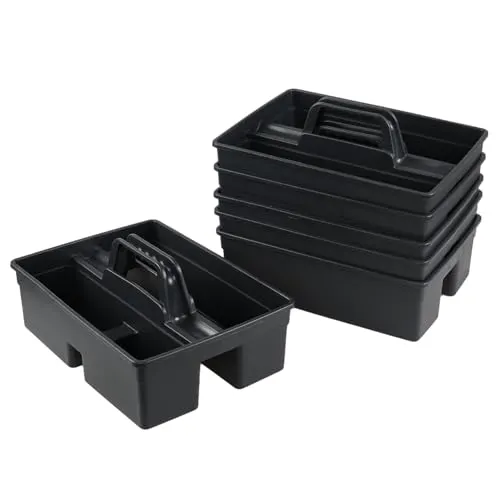
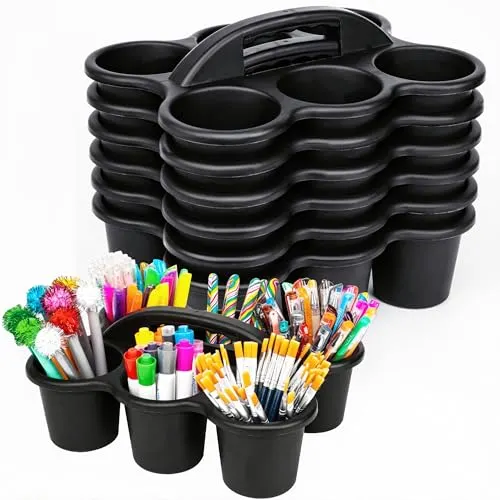
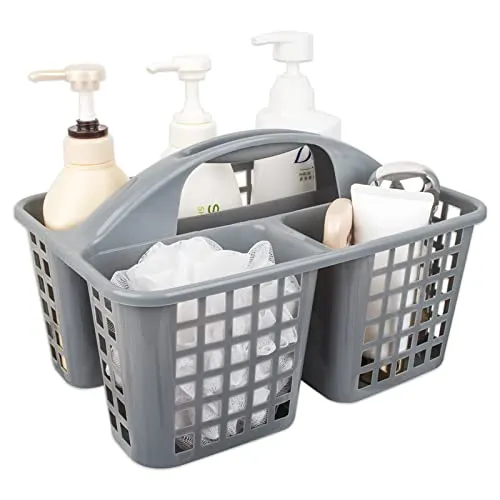
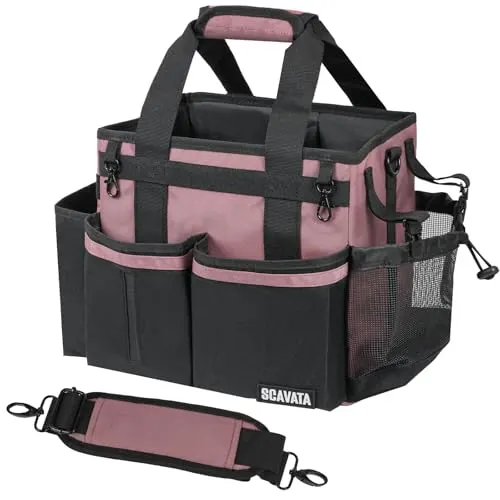
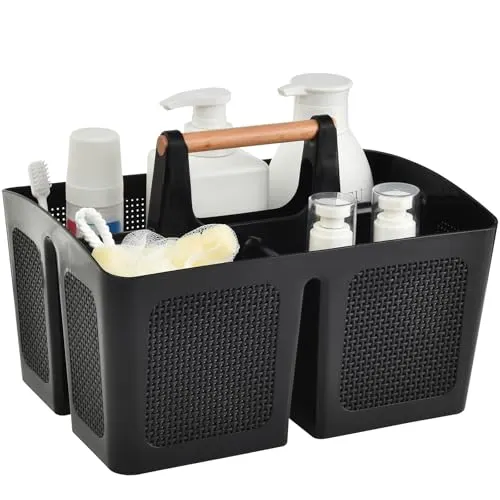
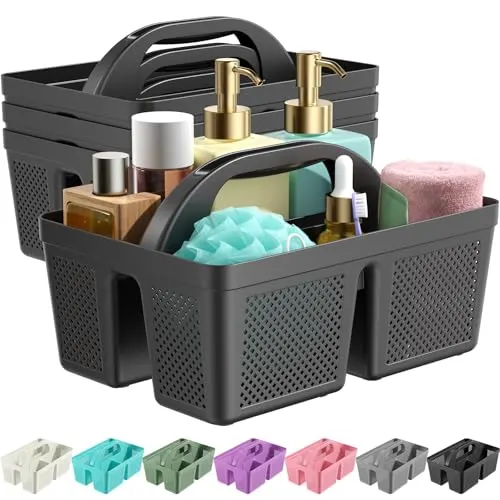
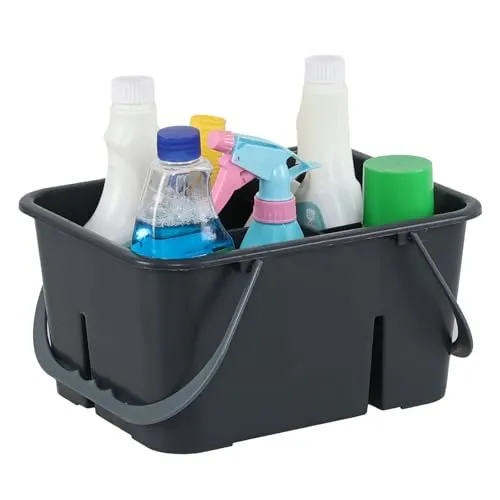
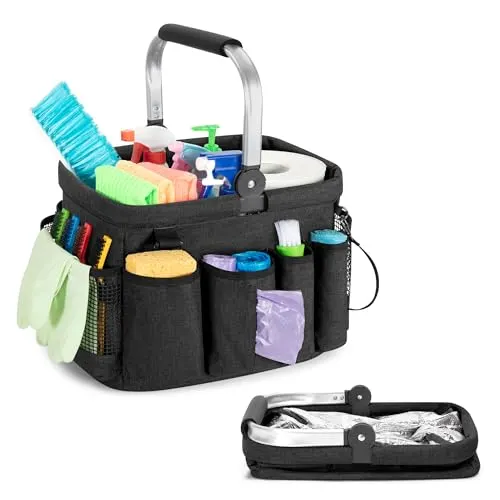
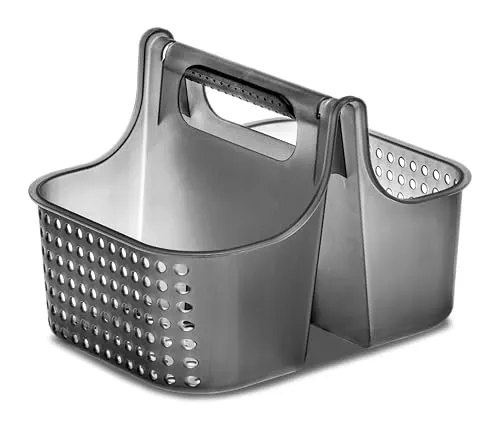
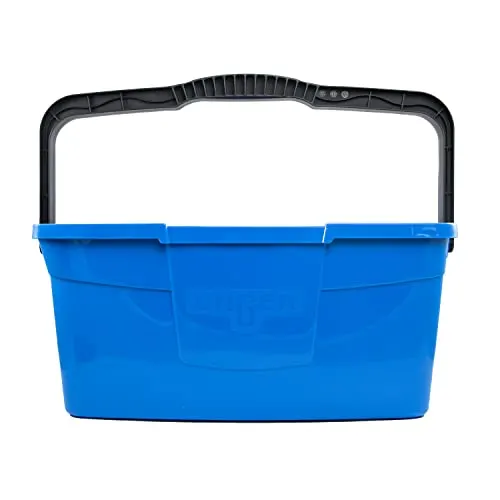
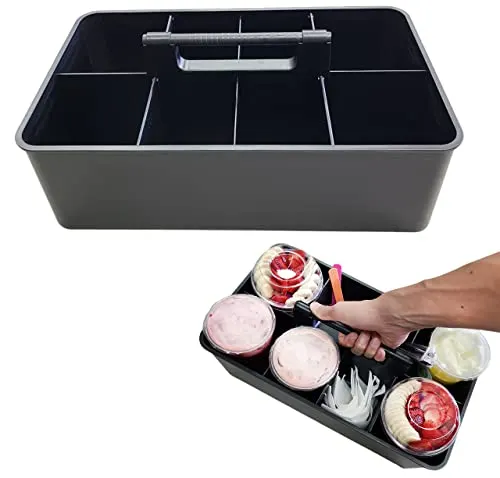
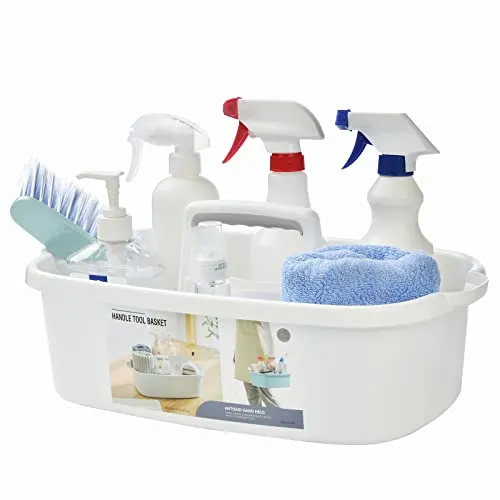
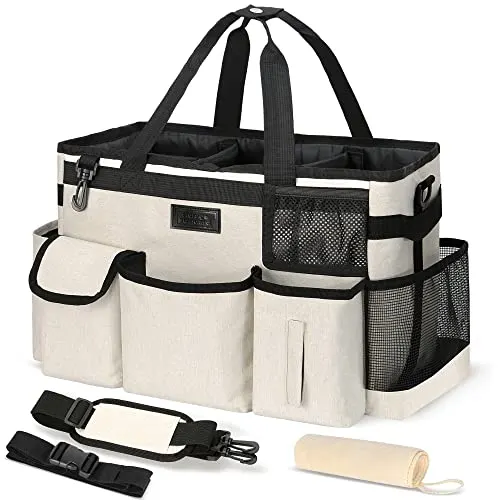
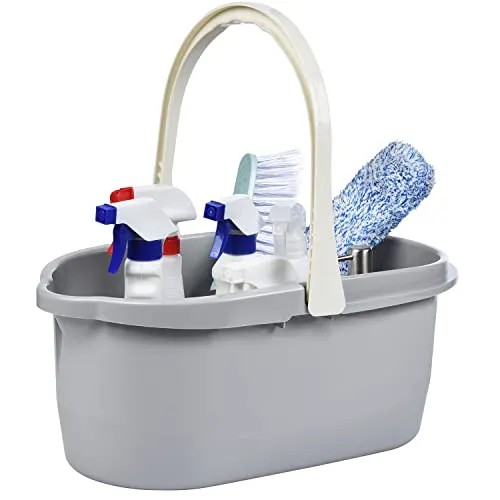
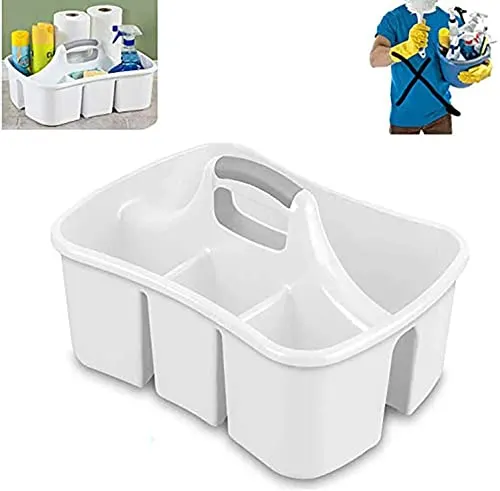
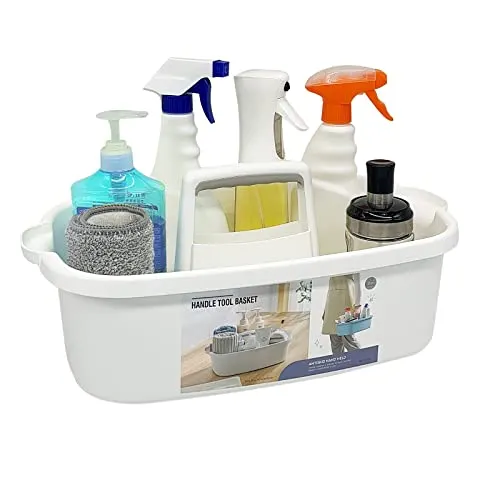
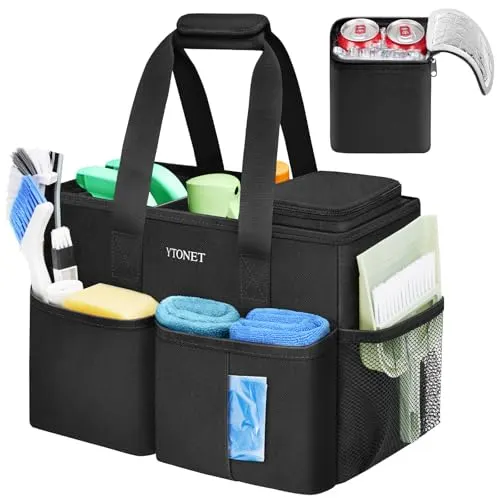
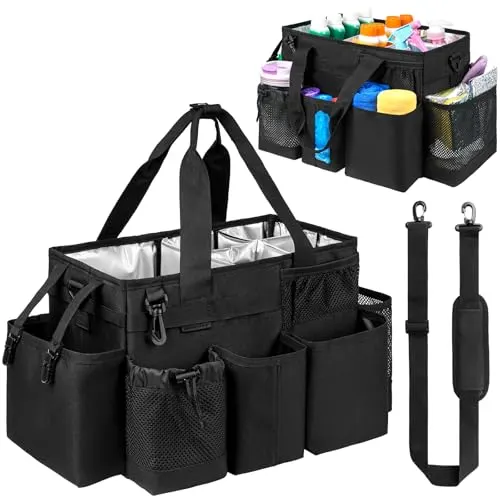
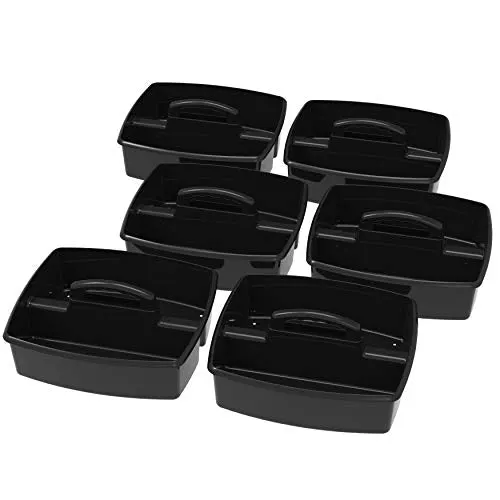
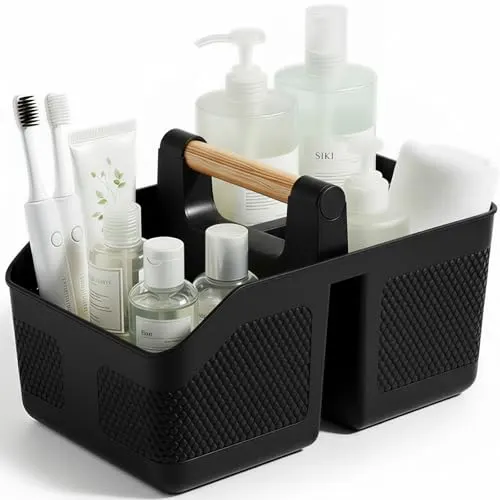
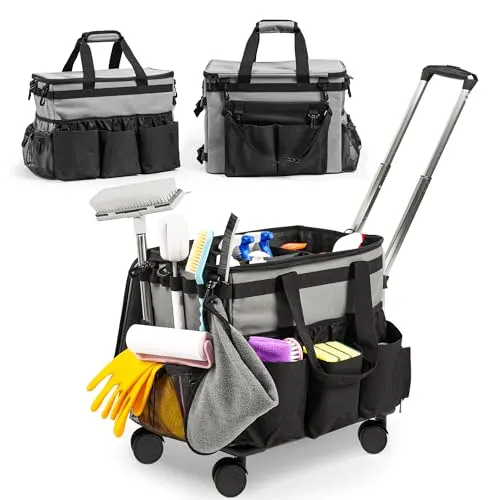
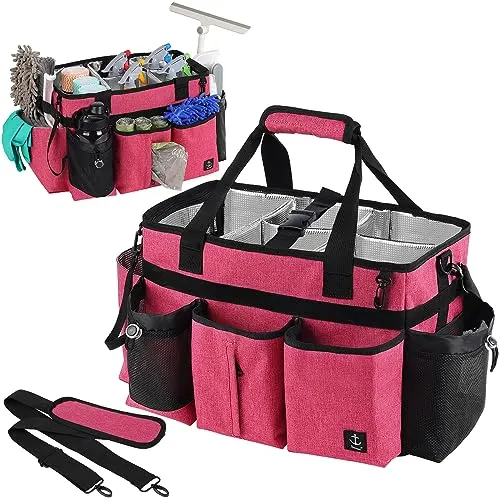
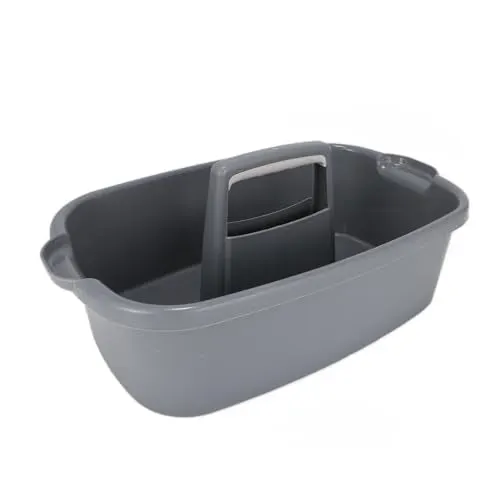
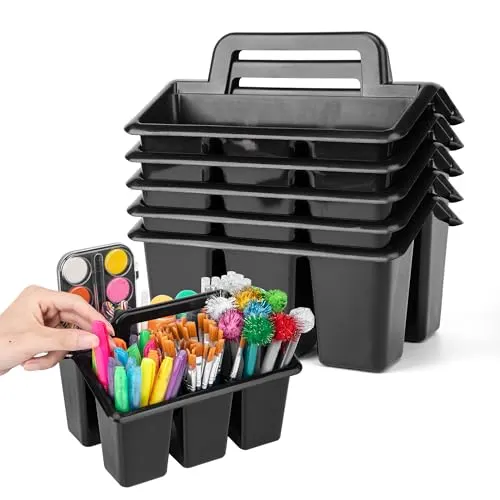
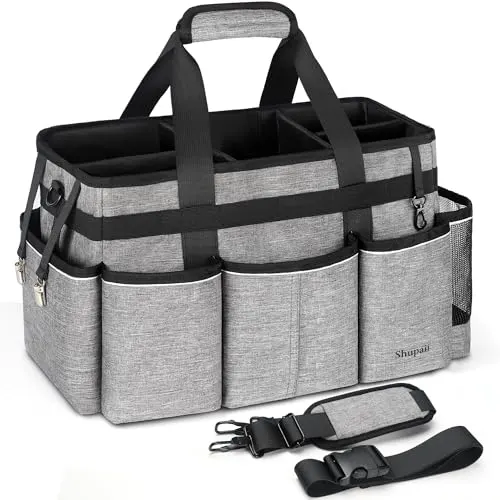
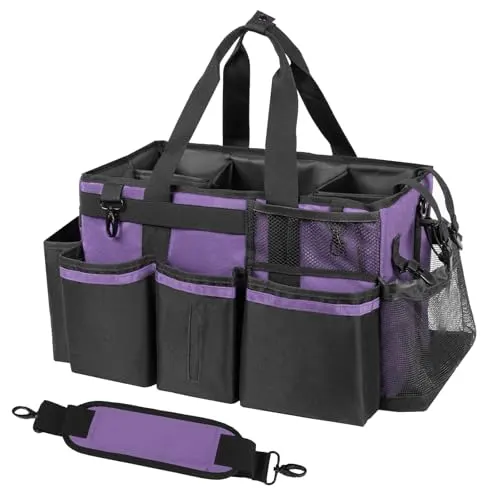
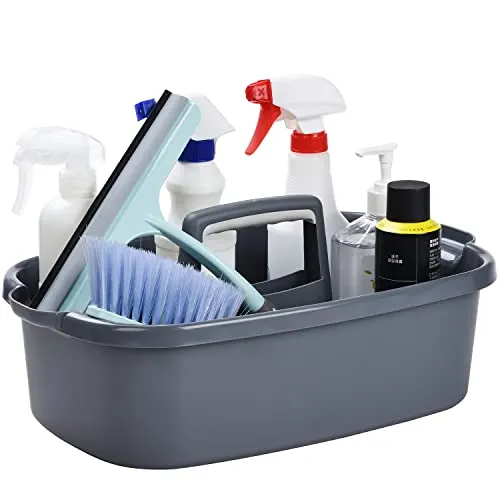
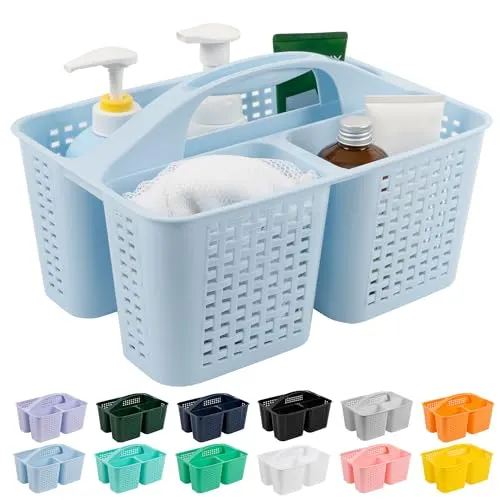
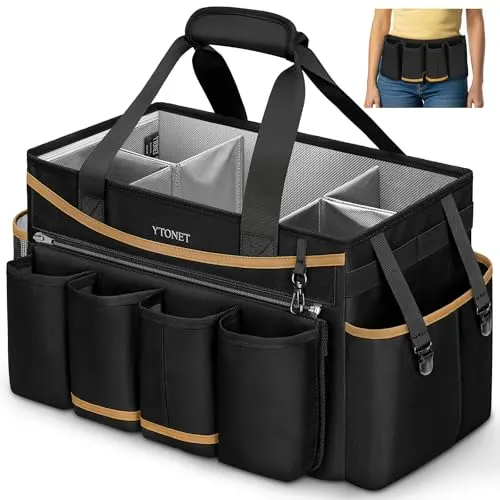
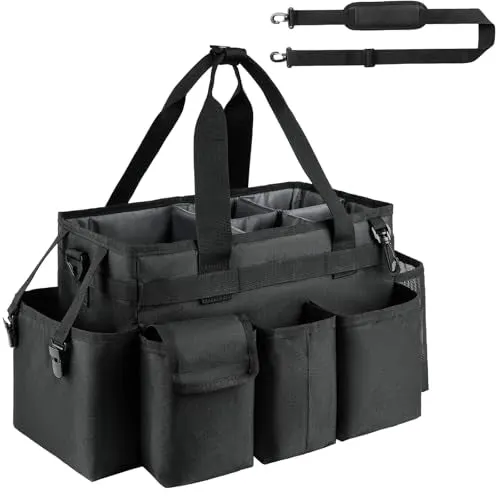
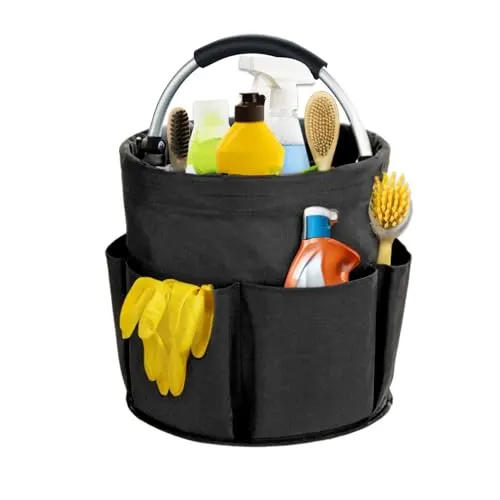
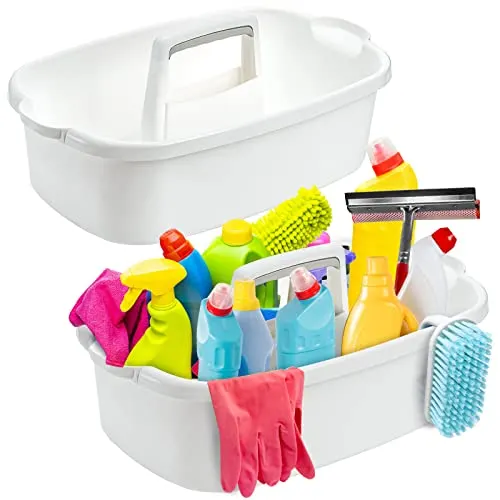
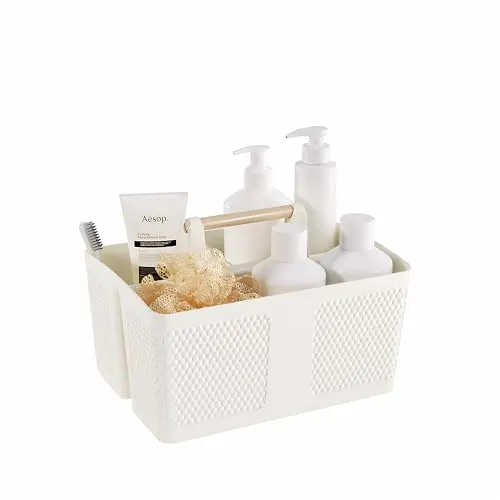
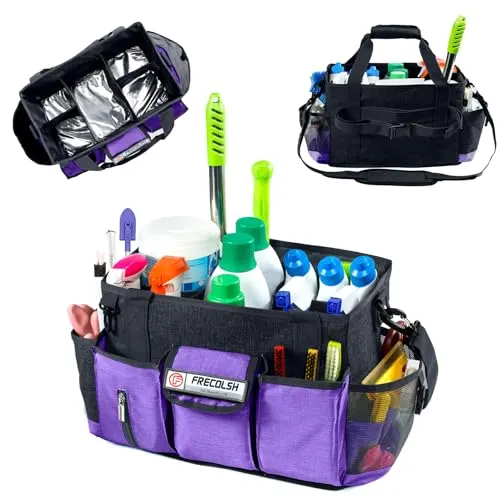
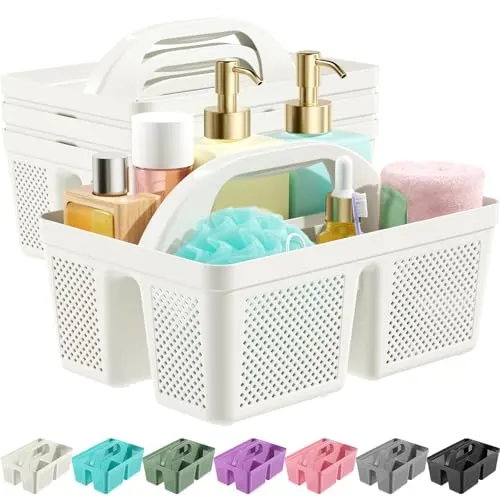
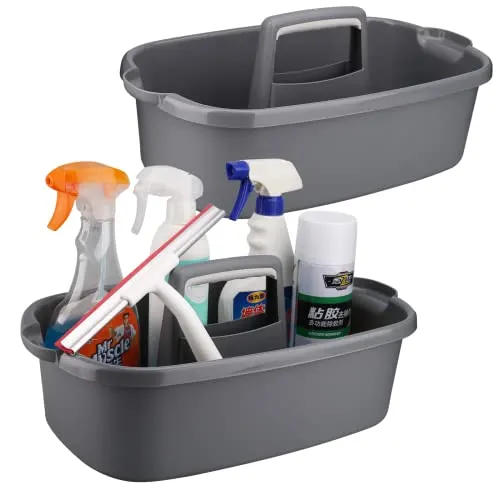
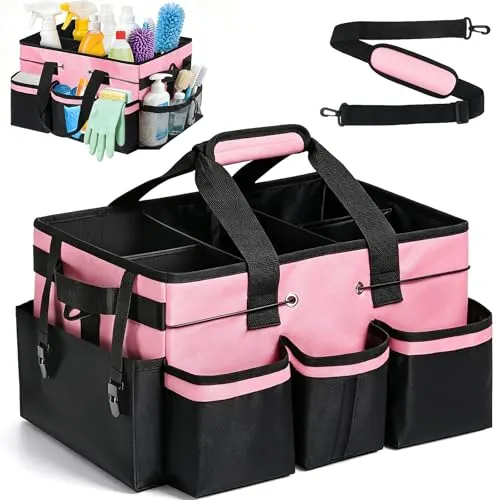
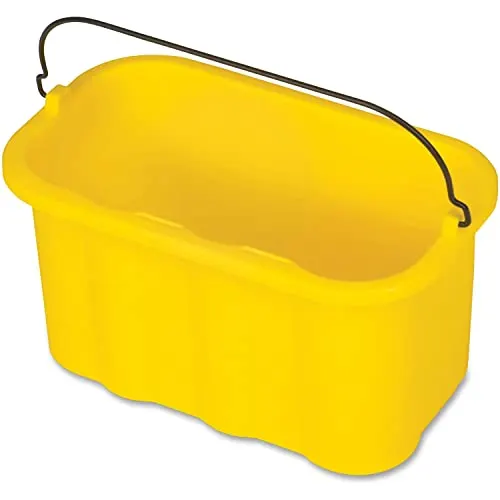
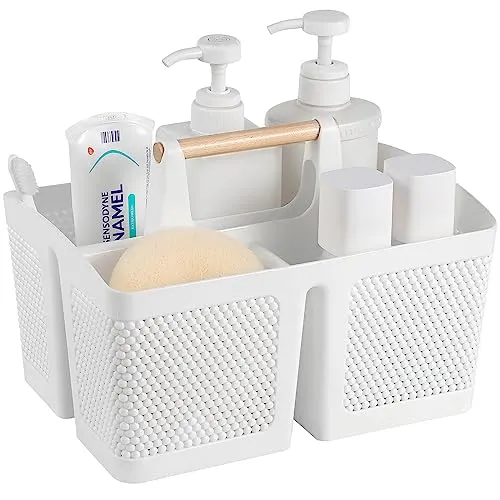
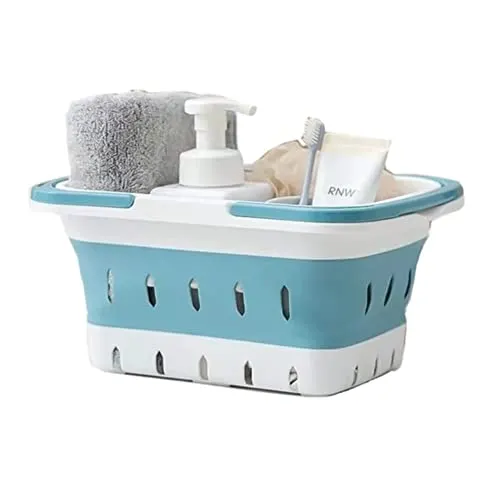
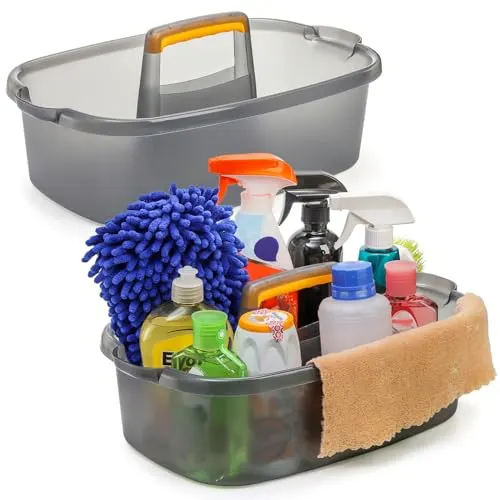
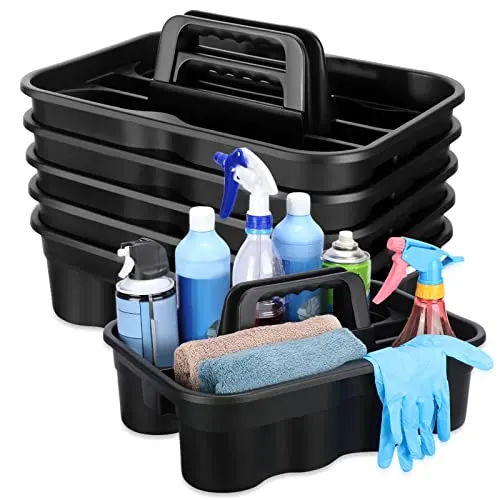
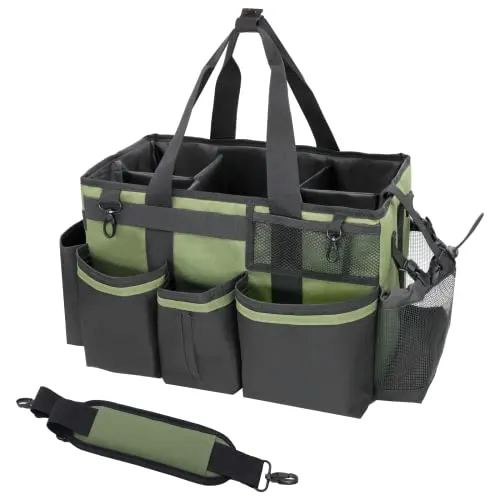
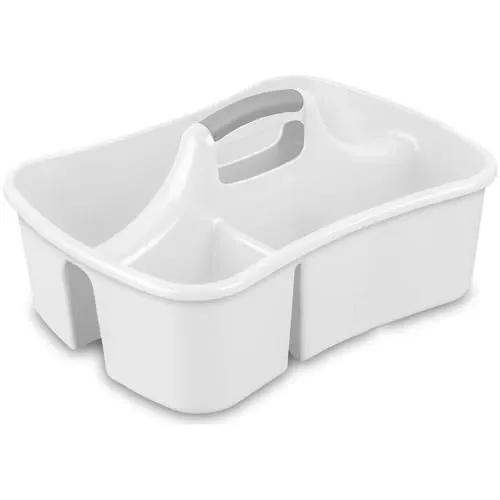
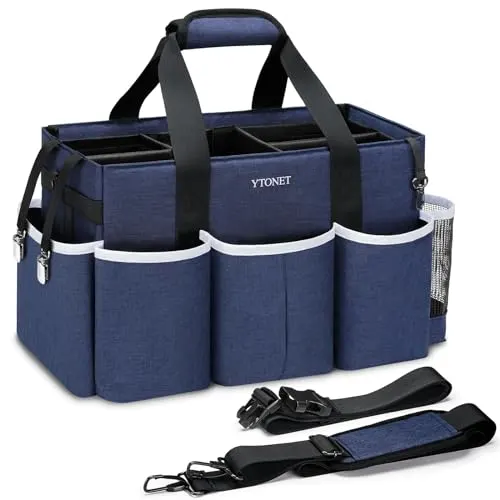
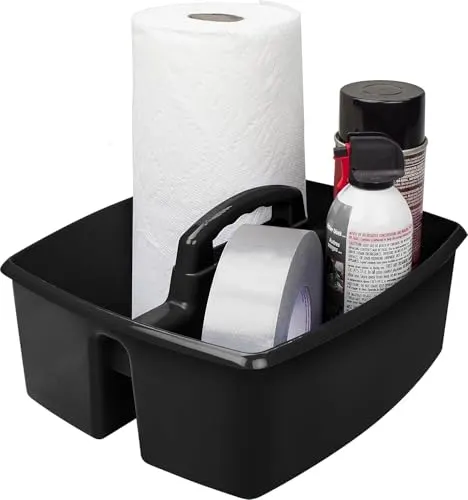
A caddy can reduce trips between rooms and make it easier to keep incompatible or specialized products separate. Look at handle comfort, compartment size, bottle height, drainage, and where the caddy will live. Do not use portability as a reason to leave chemicals within a child's or pet's reach; return products to secure storage after the job.
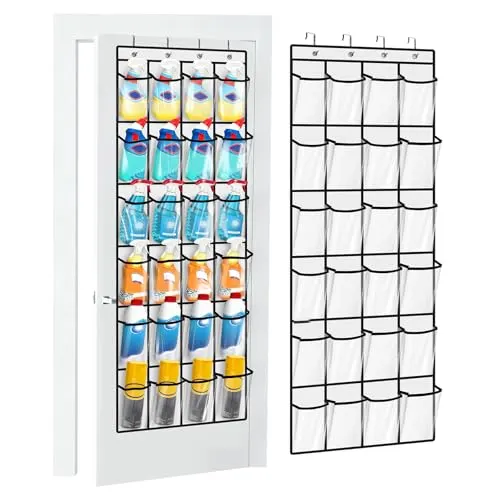
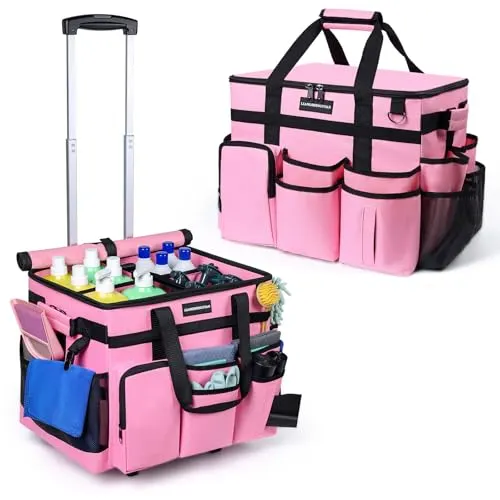
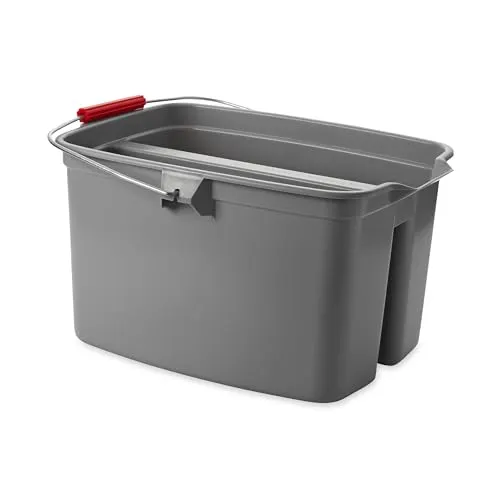
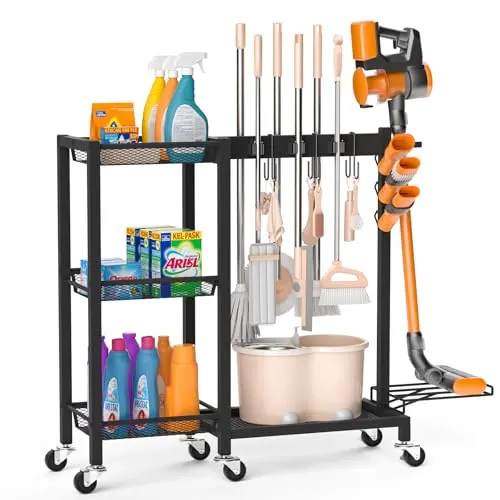
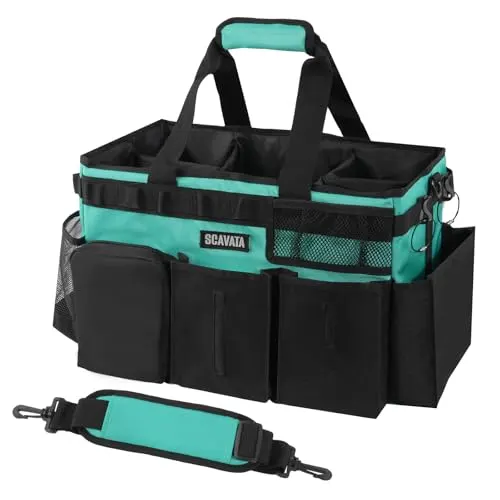
The Rubbermaid Commercial Products Deluxe Carry Caddy is a rigid divided option to compare. The broader Cleaning Caddies and Organizers collection also includes soft-sided, rolling, wall-mounted, and compact formats for different storage spaces.
Reusable Tools vs. Disposable Supplies
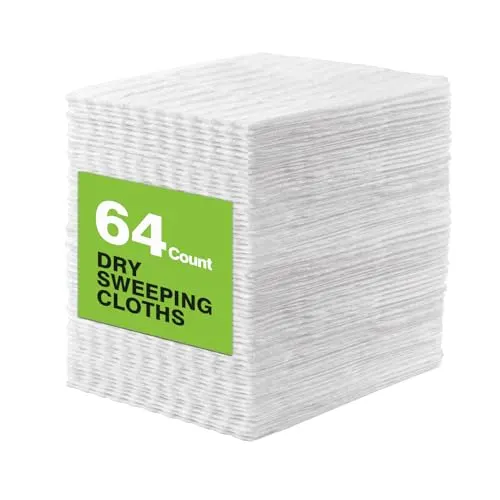
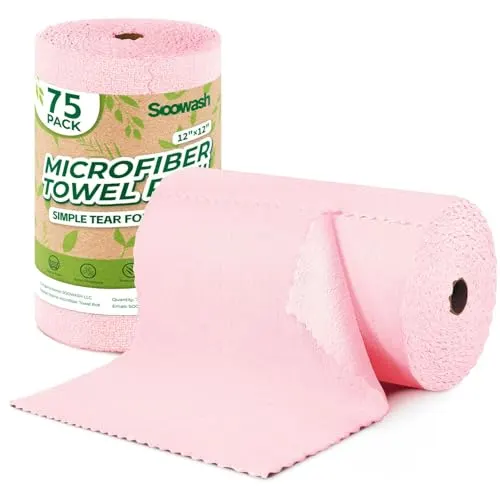
Reusable and disposable products solve different problems. Washable microfiber cloths, mop pads, brush heads, and refillable spray systems can reduce repeat buying when you have a practical way to wash, dry, and store them. Disposable wipes, dusting refills, and single-use liners can be convenient for isolated or especially unpleasant jobs. The better choice is the one you will use correctly without cross-contaminating rooms or surfaces.
- Choose reusable supplies when laundering and full drying are easy, the material tolerates repeated washing, and separate sets can be assigned to different rooms.
- Choose replaceable refills when convenience or model-specific fit matters, after checking the long-term availability and storage needs of the refills.
- Choose disposable items selectively for jobs where immediate disposal is more practical, while following local waste guidance and the product label.
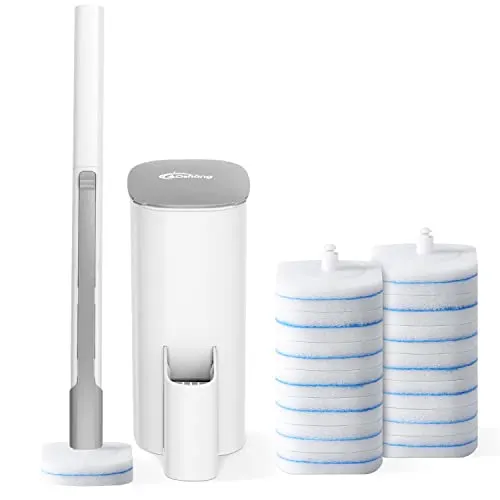
Whichever route you take, total cost is more than the initial purchase. Consider replacement pads, cartridges, filters, batteries, compatible formulas, and how much cabinet space the complete system needs.
How to Build a Room-by-Room Cleaning Kit
Kitchen kit
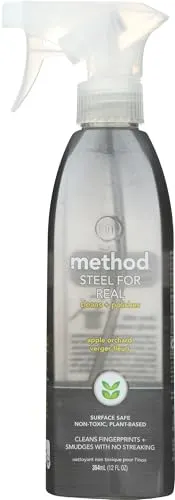
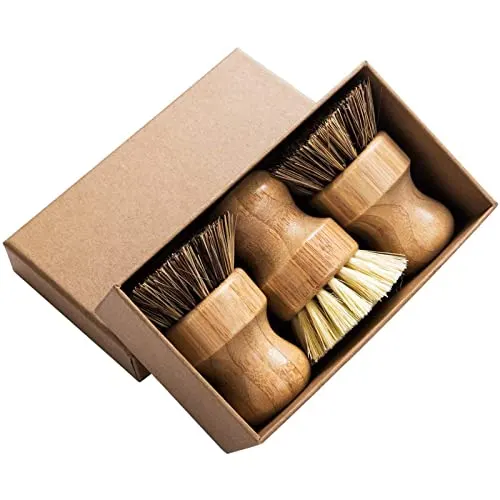
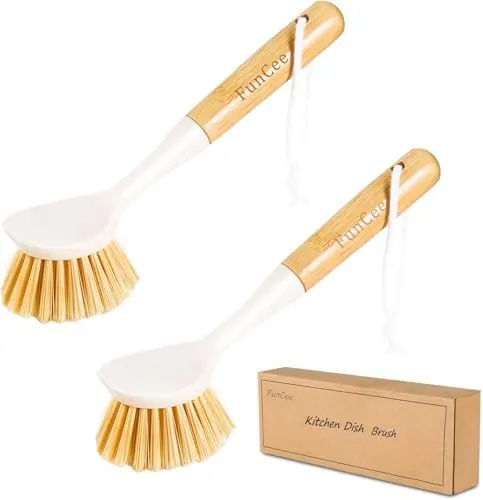
Start with several color-coded microfiber cloths, a surface-compatible cleaner, a small detail brush, and a broom or compact floor tool. Add a separate product only for materials that require it, such as stainless steel, natural stone, or a specialty cooktop. Keep food-contact directions and rinse requirements easy to reference.
Bathroom kit
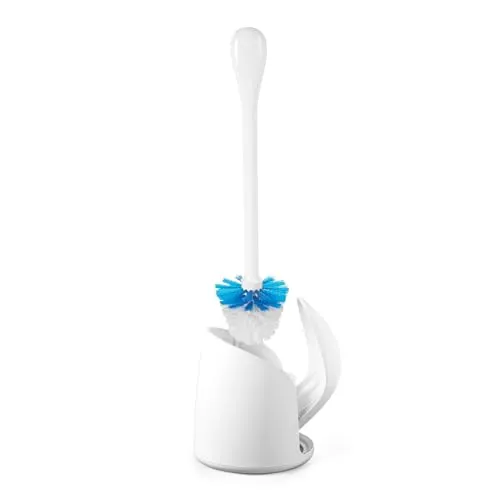
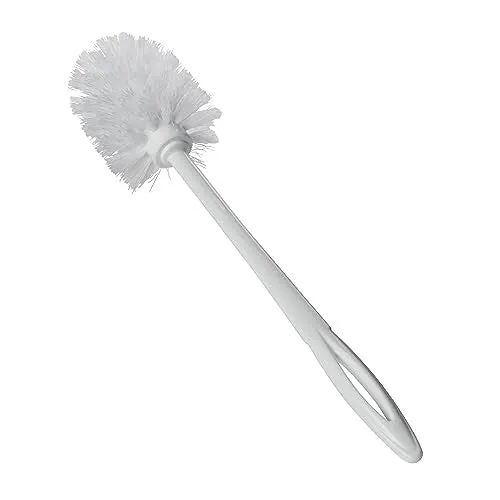
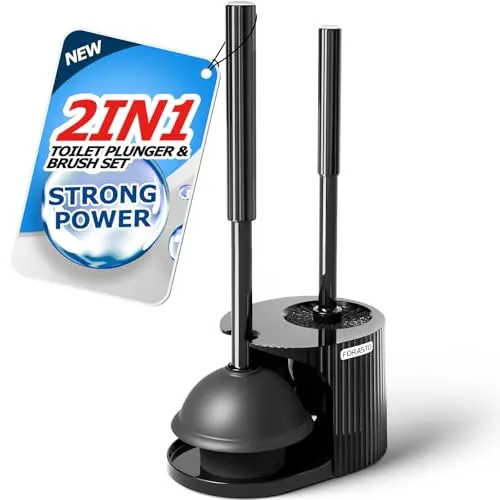
Use a dedicated cloth set, a broad scrub brush, a detail brush, and a cleaner labeled for the shower, tub, sink, tile, or other material being cleaned. Keep toilet tools separate from other supplies. Store wet brushes and cloths where they can dry fully instead of sealing them into a caddy immediately.
Floor-care kit
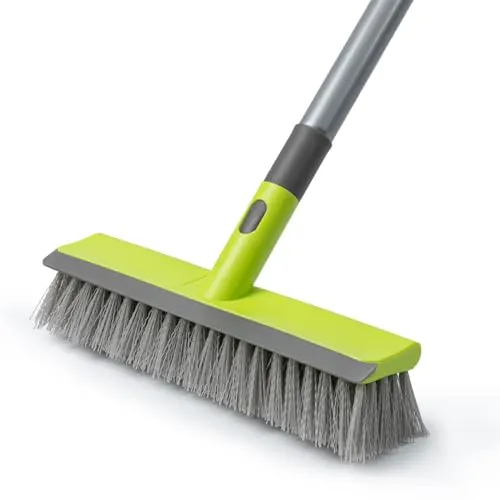
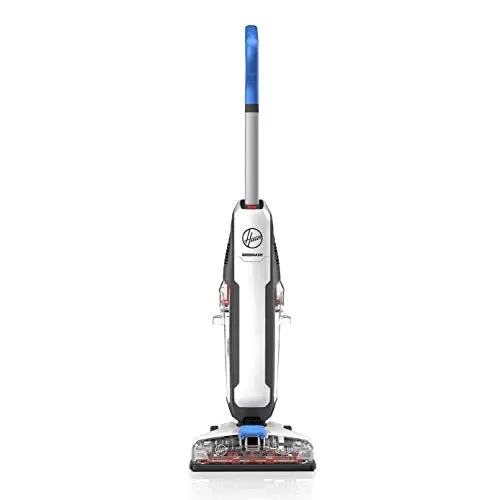
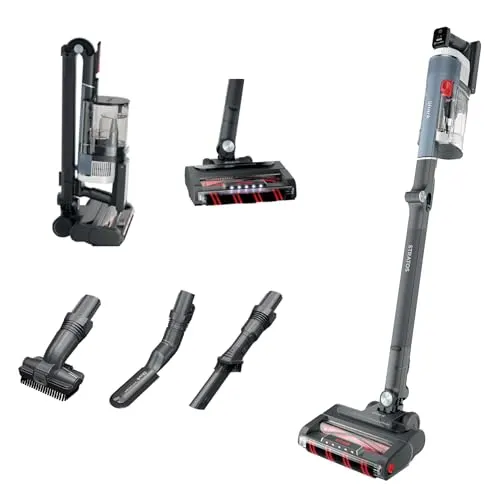
Dry pickup should usually come before wet cleaning. Combine a broom, dustpan, vacuum, or dust mop with the smallest wet-cleaning system that matches your flooring. Multiple floor materials may require different pads, settings, or solutions, even when the same tool body can be used.
Whole-home dusting and glass kit
A washable duster or microfiber cloth, an extendable head for high areas, and a squeegee or lint-free glass cloth cover most routine needs. Label room-specific cloths or store them in separate caddy sections. For a broader checklist and organization advice, compare Cleaning Caddies and Organizers and Window Cleaning Tools for Streak-Free Care.
Cleaner and Surface Safety
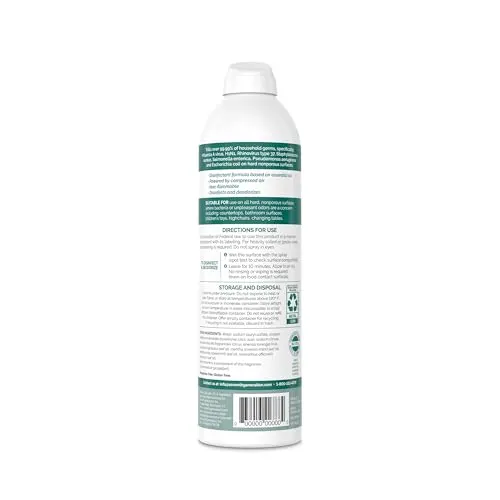
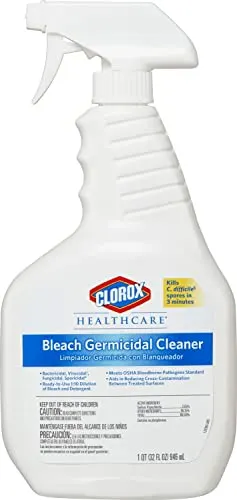
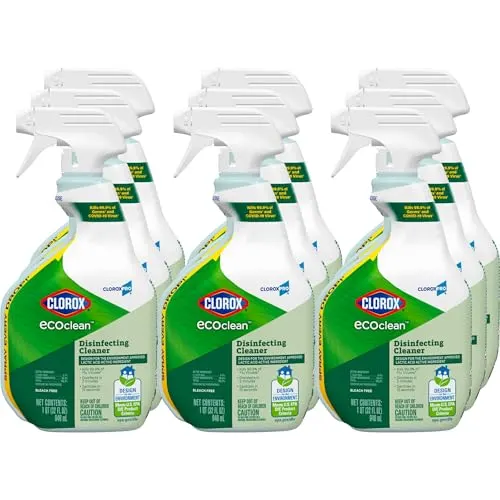
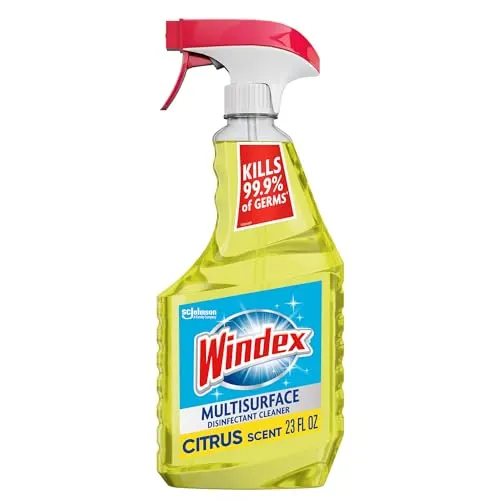
Read the product label every time, including directions for dilution, contact time, rinsing, ventilation, protective equipment, and storage. Test an unfamiliar combination in an inconspicuous area. Never assume that a formula described as natural, concentrated, disinfecting, or all-purpose is suitable for every surface.
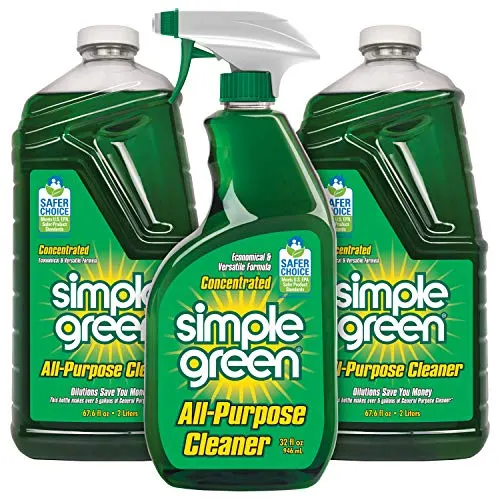
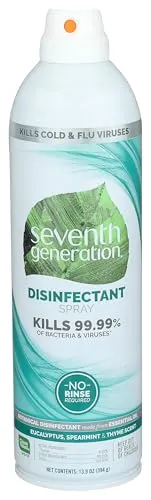
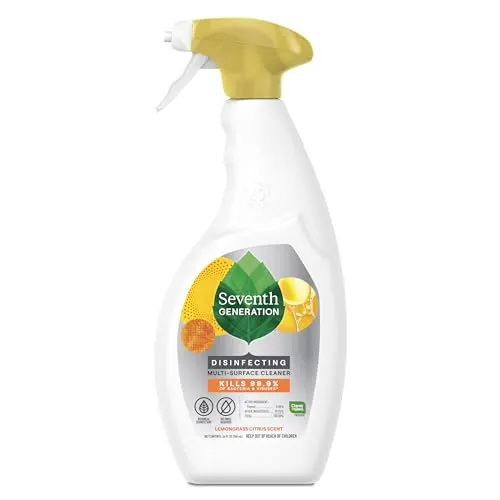
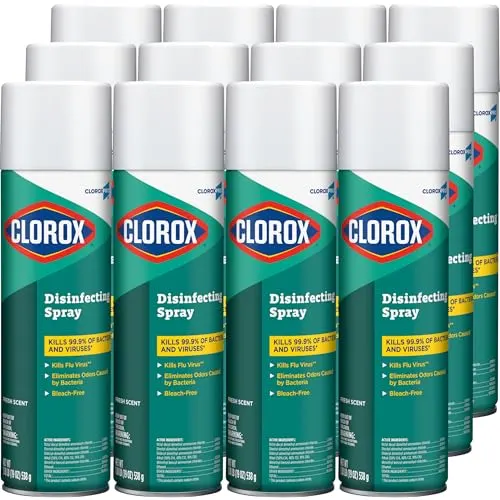
Cleaning and disinfecting are not interchangeable. Cleaning removes visible dirt and residue; disinfecting uses a product for a specific label-directed purpose. The CDC's home cleaning guidance explains that routine cleaning is often the first step and that disinfectants should be used according to their labels. If you prefer a screened ingredient standard for routine products, the EPA Safer Choice label can be one comparison factor.
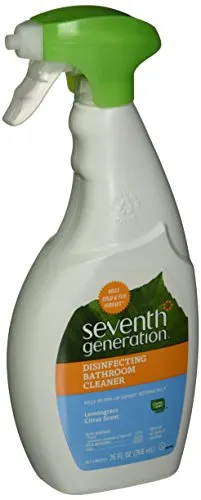
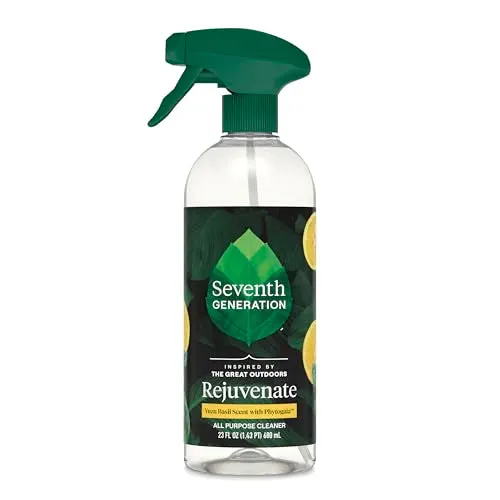
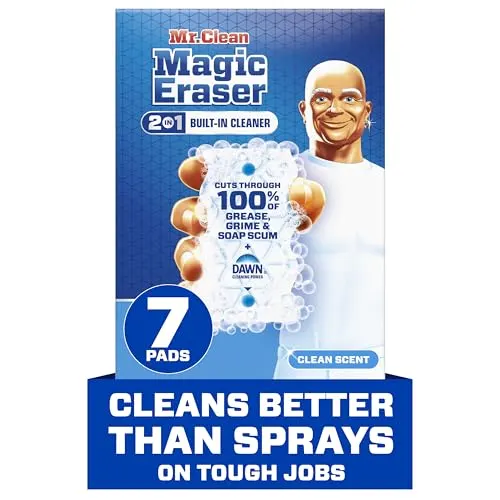
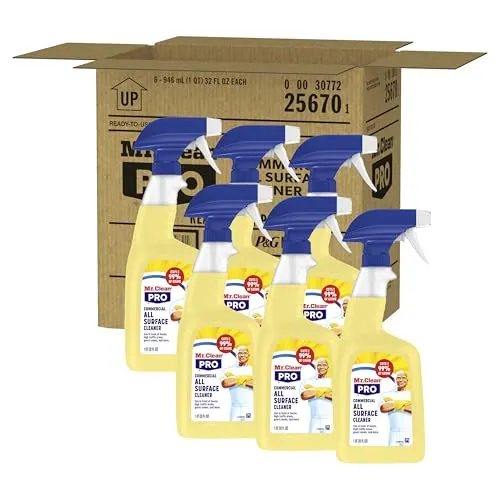
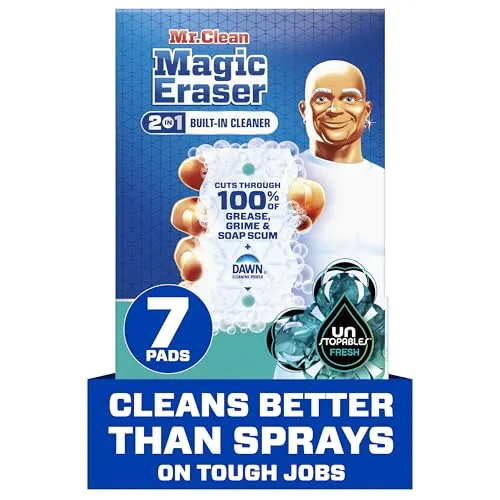
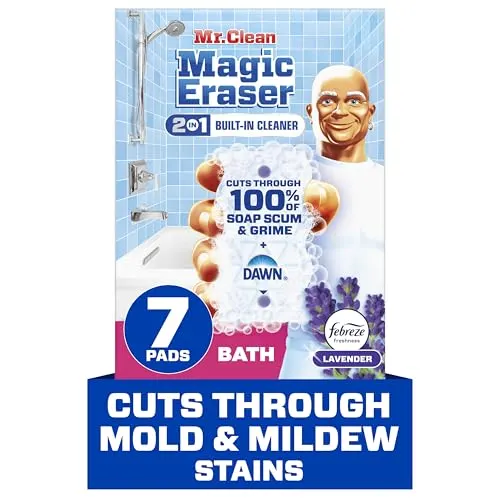
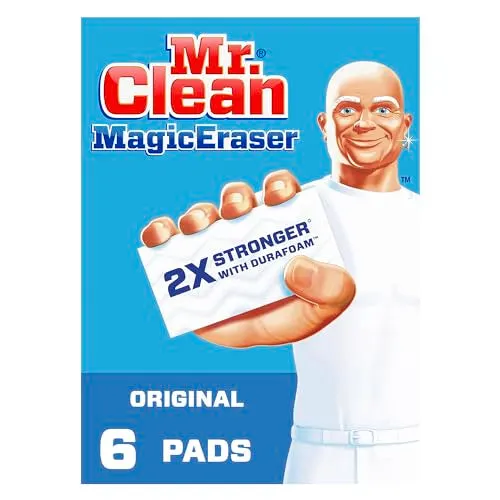
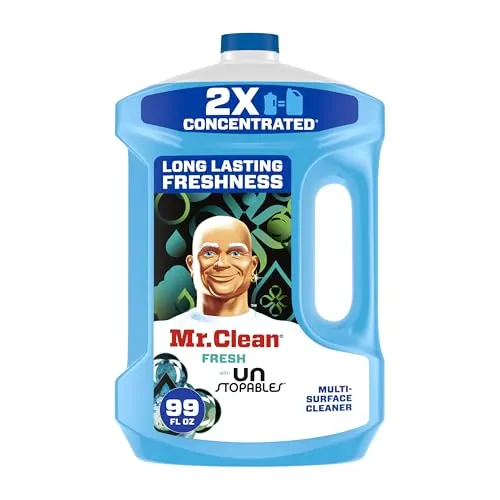
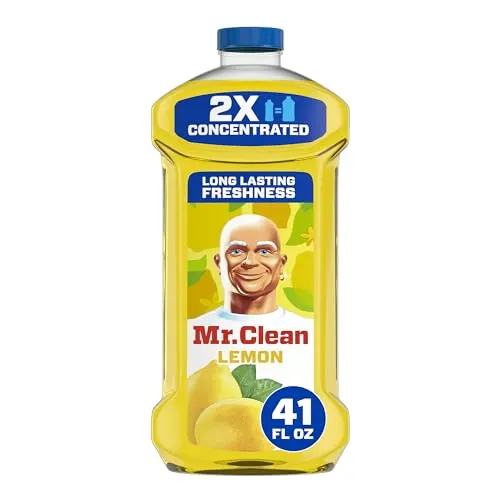
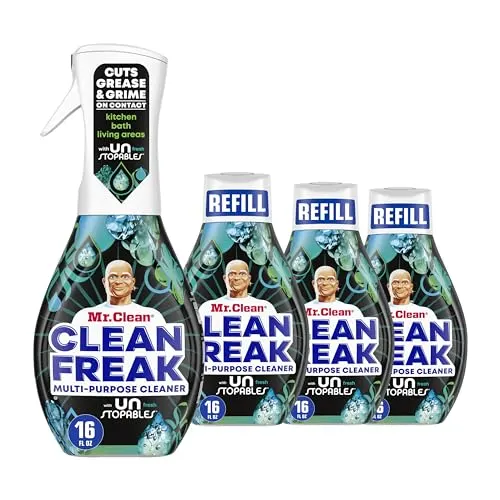
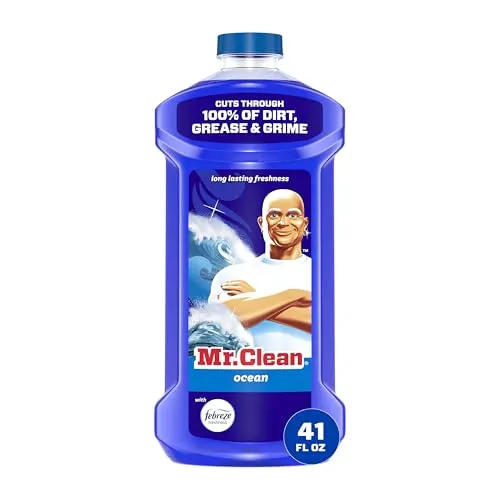
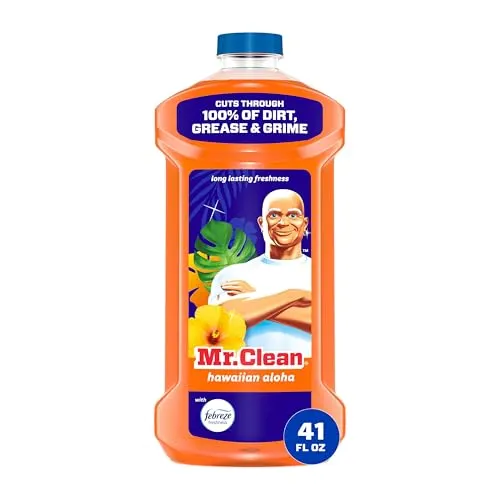
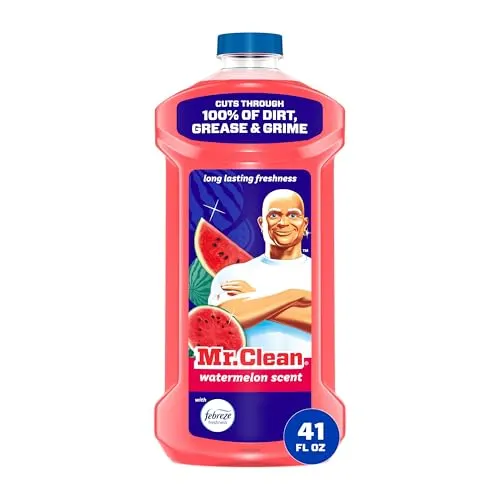
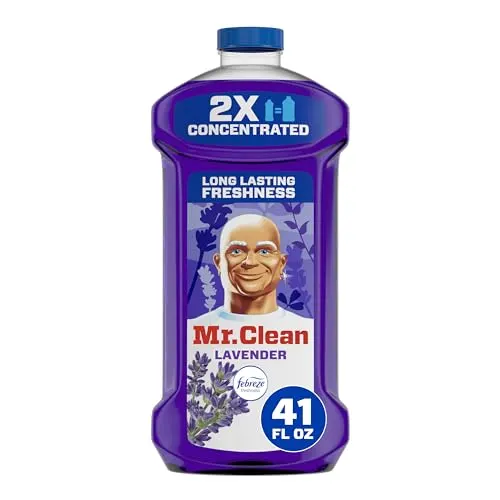
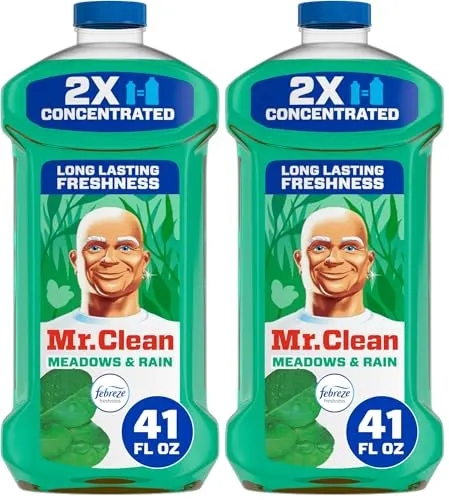
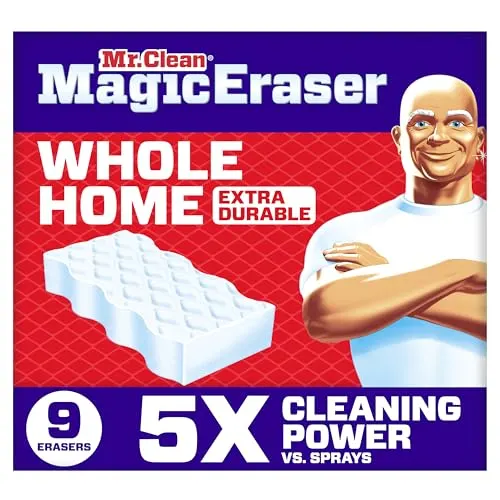
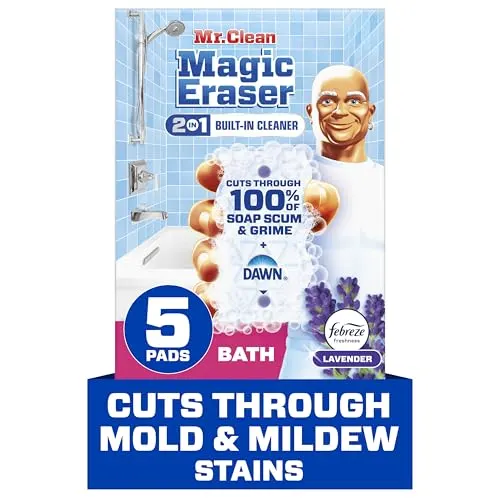
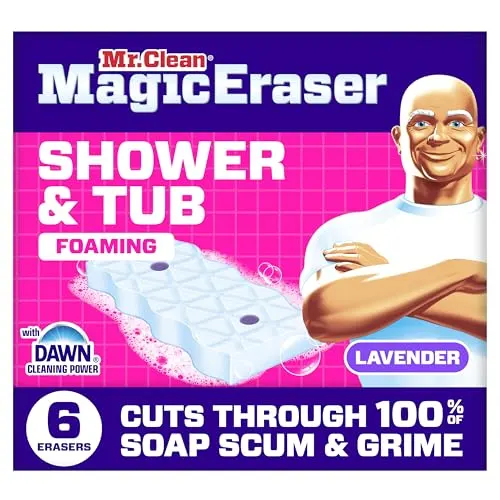
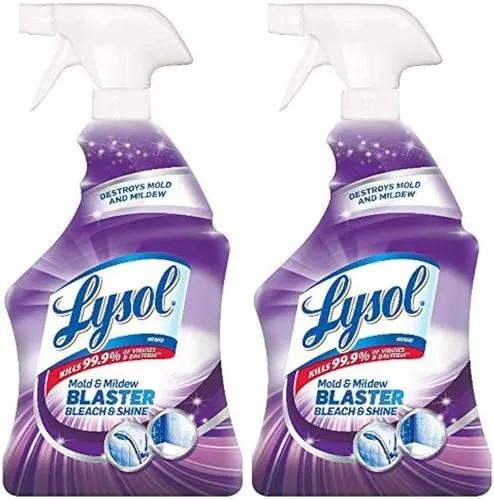
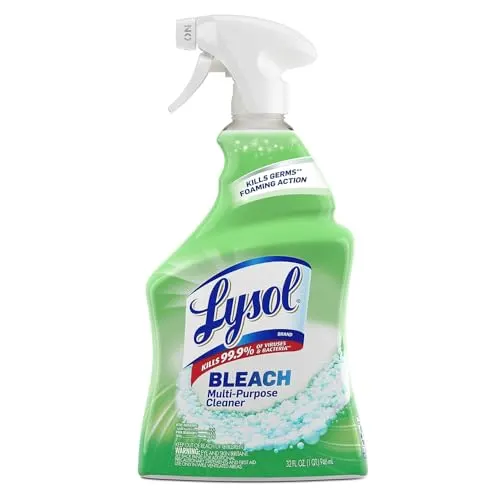
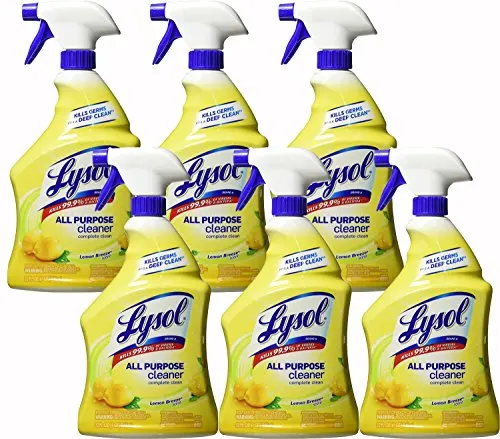
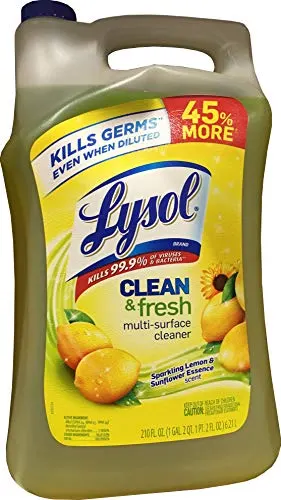
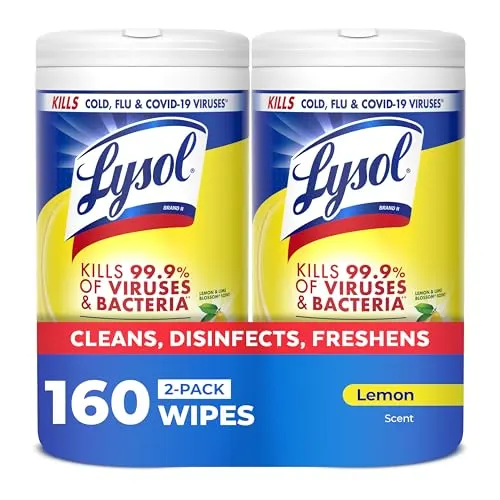
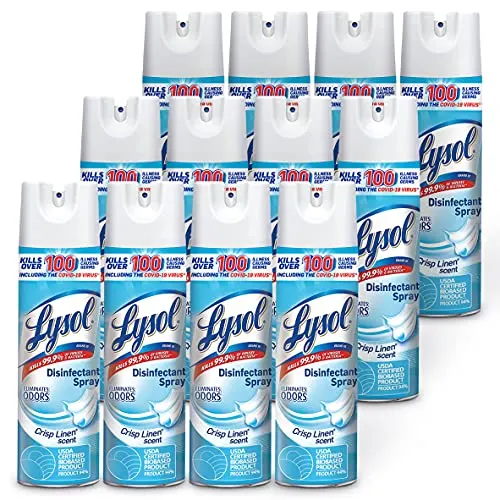
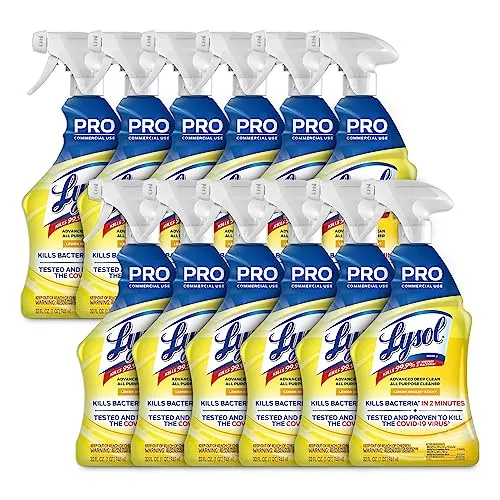
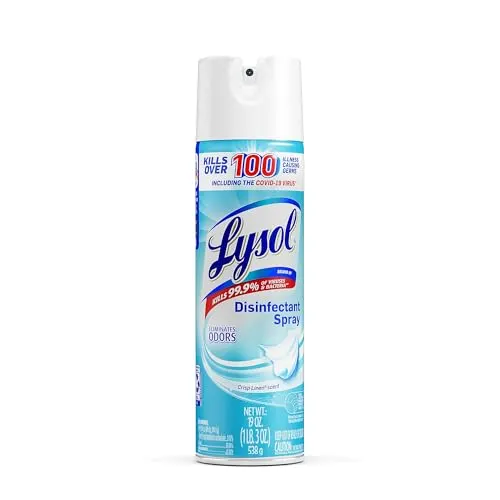
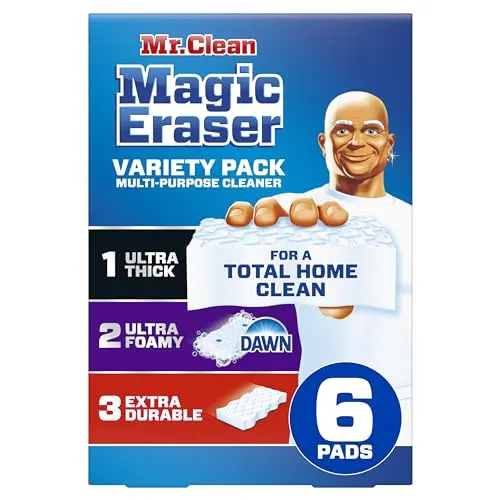
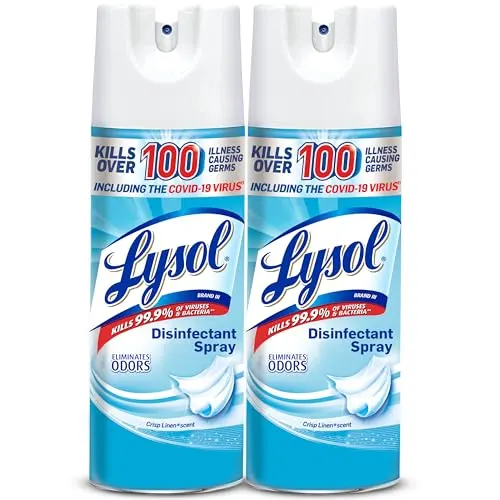
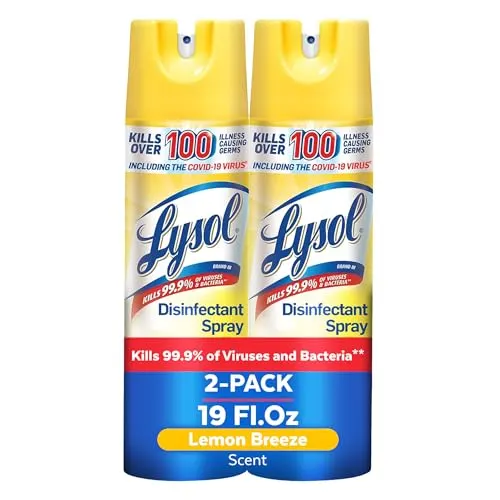
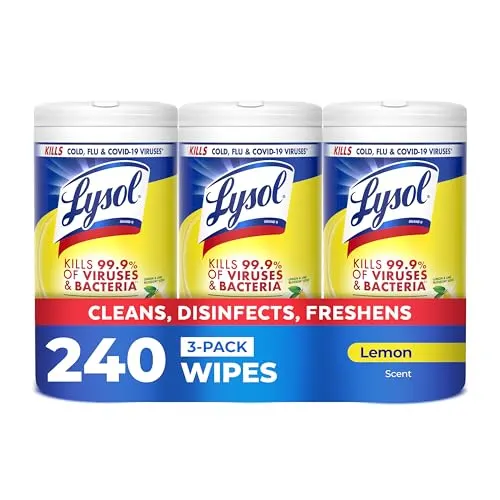
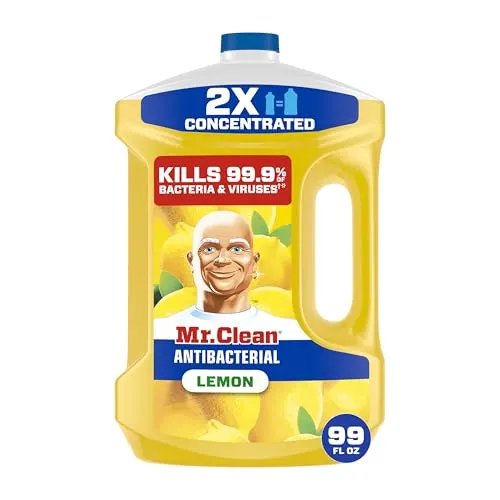
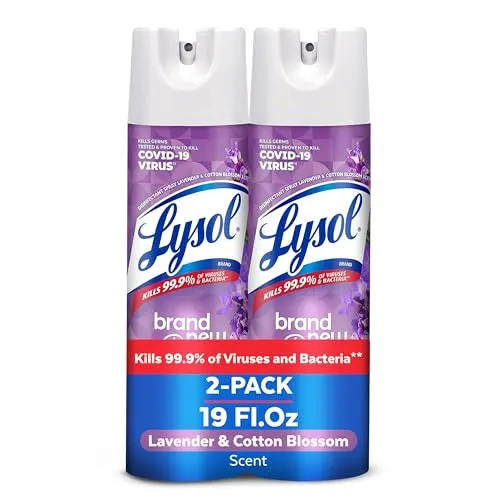
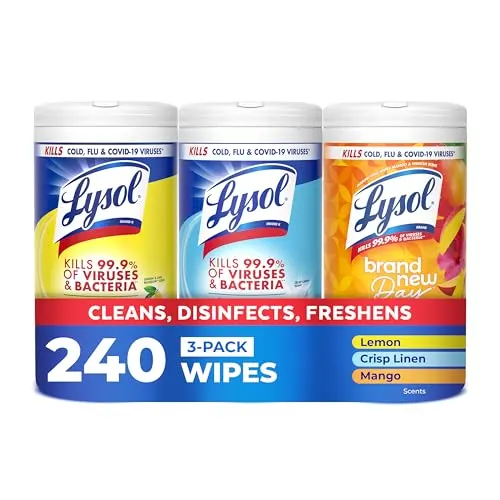
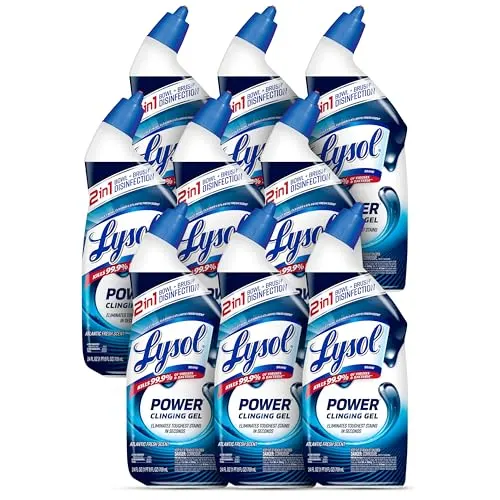
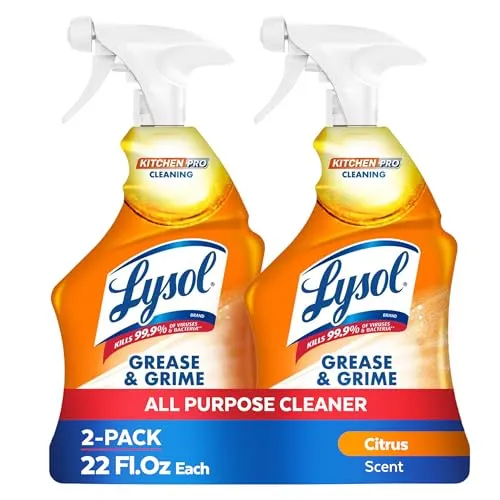
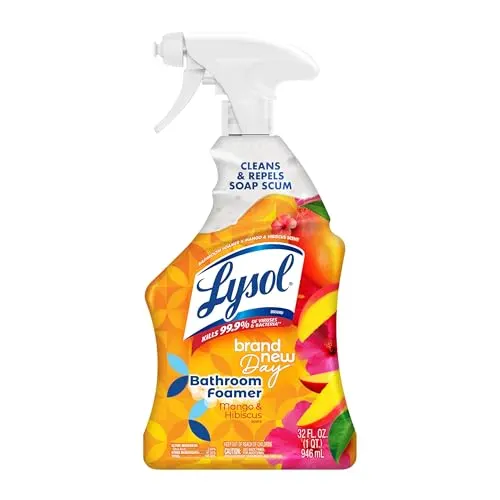
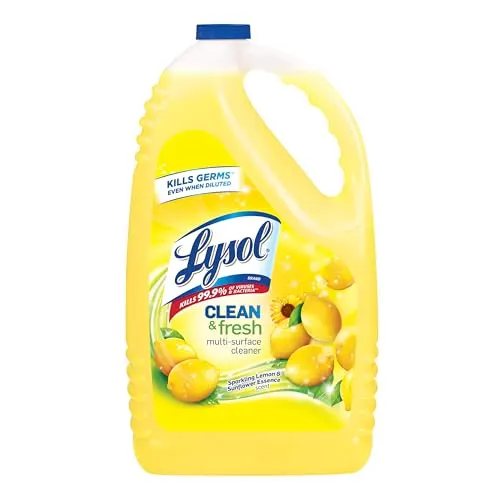
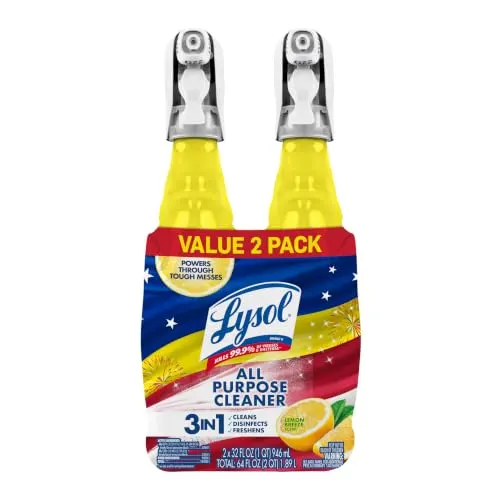
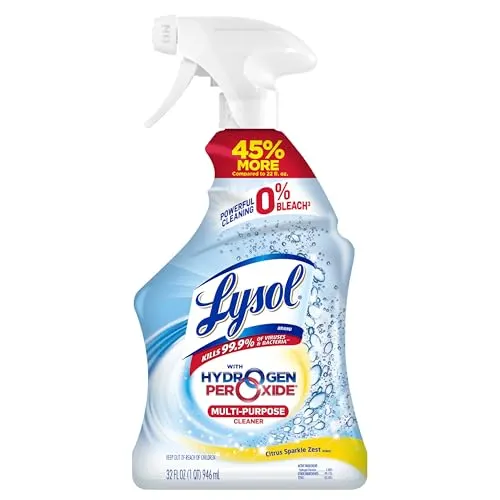
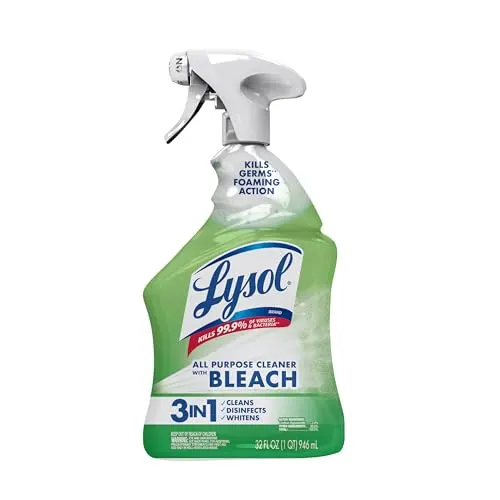
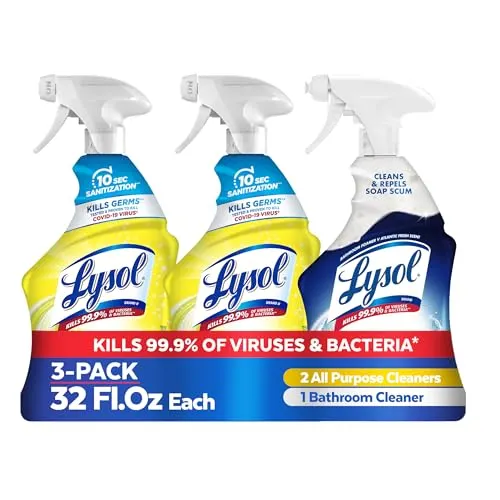
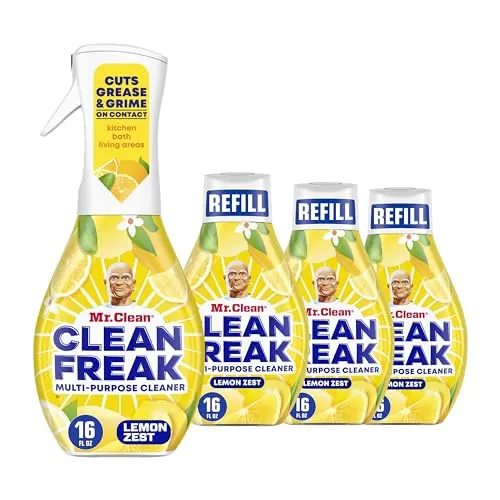
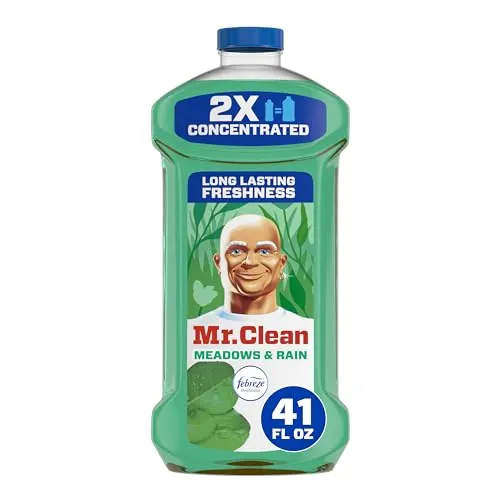
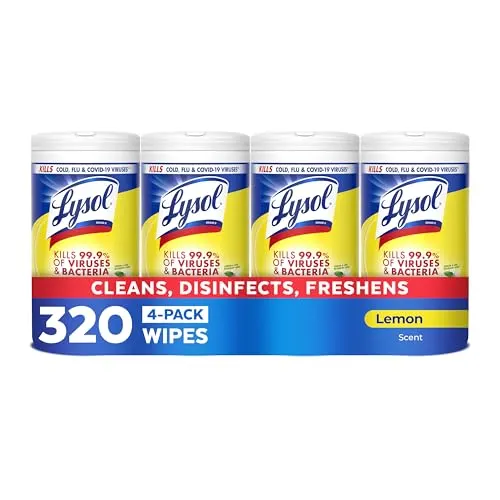
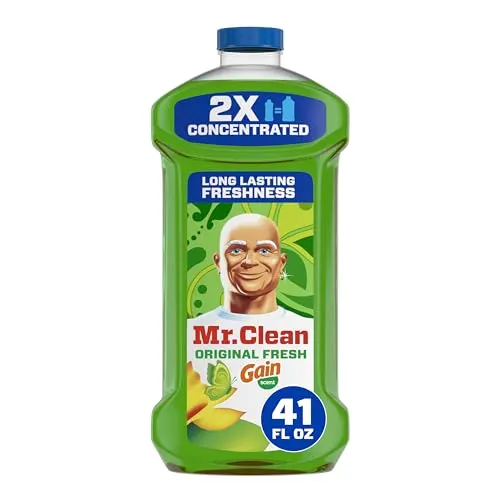
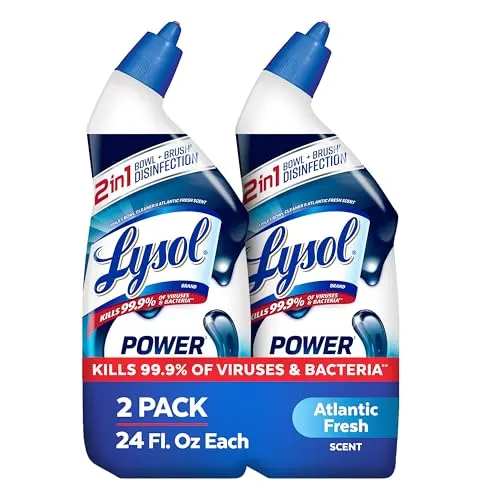
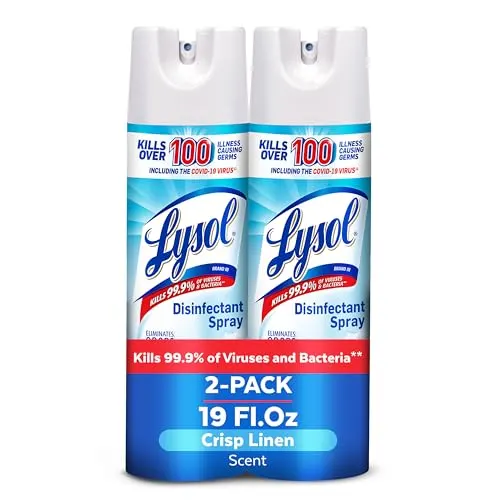
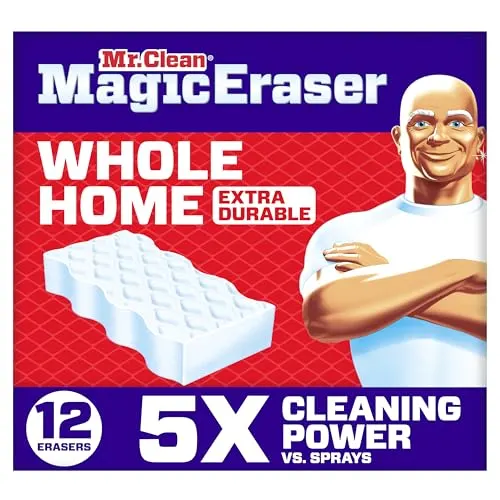
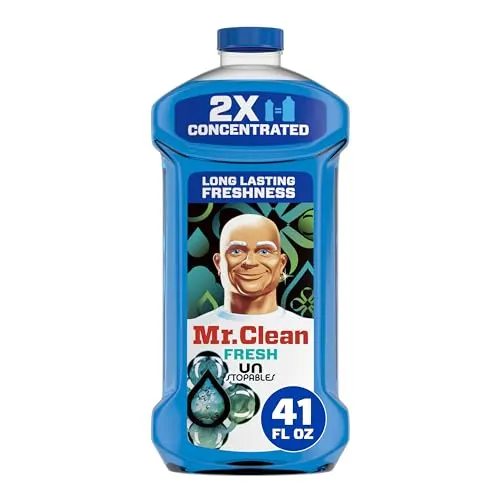
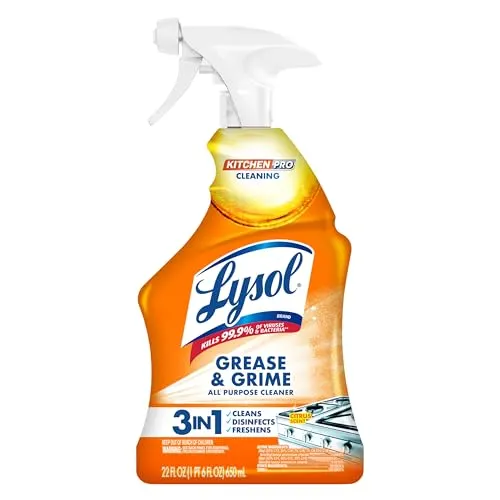
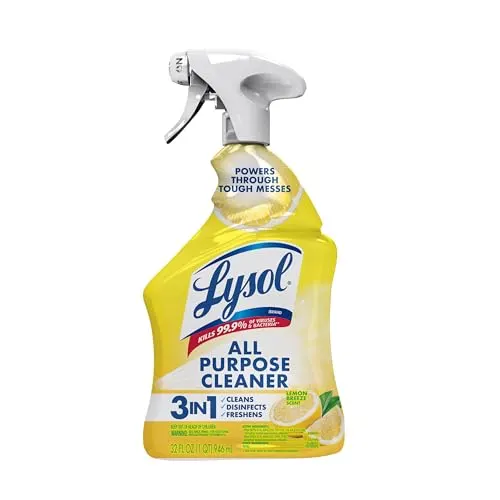
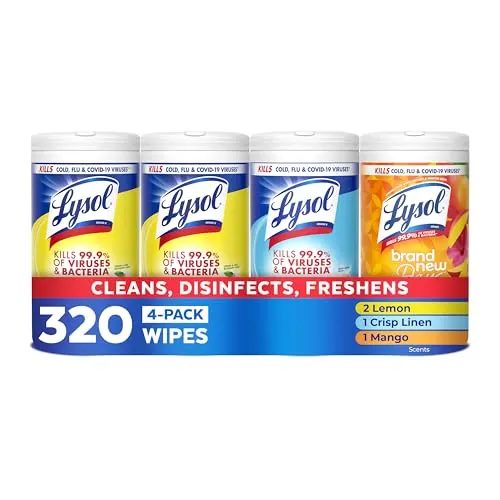
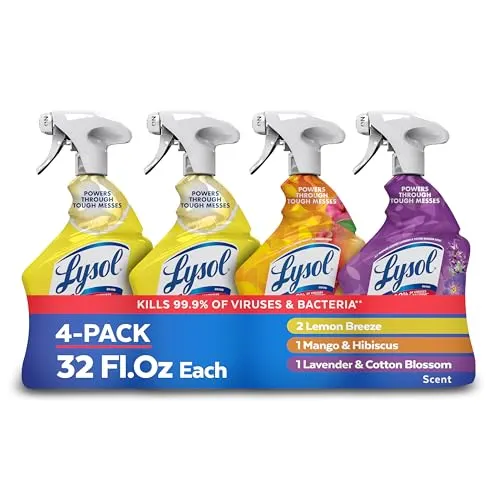
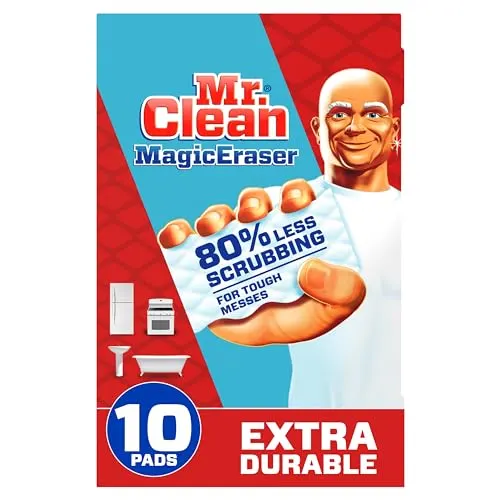
Never mix cleaning products. In particular, do not mix bleach or disinfectants with other cleaners. Ventilate as directed, keep products in their original containers, and secure them away from children and pets. Brand collections such as Lysol, Mr. Clean, and OxiClean are discovery pages; the current manufacturer label remains the controlling source for use instructions.
Questions to Ask Before You Buy
- Which three cleaning jobs do I repeat most often?
- Which floor, counter, tile, glass, wood, or coated surfaces will the product touch?
- Does the label clearly list those surfaces and any restrictions?
- Will a reusable tool dry completely between uses?
- Does the system require proprietary pads, refills, filters, or solution?
- Can the handle, weight, and head shape reach the intended area comfortably?
- Where will the complete product be stored safely?
Before choosing between a daily surface cleaner and a registered disinfectant, use Disinfecting Spray vs All-Purpose Cleaner for a task-by-task comparison and label-reading checklist.
Frequently Asked Questions
What basic cleaning supplies should every home have?
A practical starting set is several microfiber cloths, a scrub brush, a duster, a broom and dustpan, a floor-appropriate mop, a glass-cleaning tool, and one or two clearly labeled formulas suited to the home's surfaces. Add specialized products only for recurring needs.
Do I need a different cleaning kit for each room?
You do not need to duplicate every tool, but separating bathroom cloths and toilet tools from kitchen and general-use supplies is sensible. Color coding and divided caddies make separation easier without building a full second kit.
Are microfiber cloths suitable for every surface?
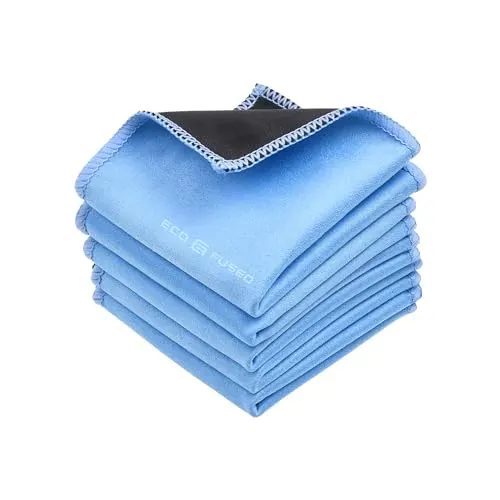
Microfiber is versatile, but the weave, cleanliness, and product paired with it matter. Trapped grit can scratch a delicate finish, and fabric-softener residue can reduce absorbency. Check the surface maker's care instructions before use.
Can an all-purpose cleaner be used everywhere?
No. “All-purpose” does not override a label's exclusions. Natural stone, unfinished or waxed wood, electronics, specialty coatings, and food-contact surfaces may require different products or steps.
Is cleaning the same as disinfecting?
No. Cleaning removes dirt and residue, while disinfecting is a separate, label-directed process. Clean first when directed, use an appropriate registered product only where needed, and follow its contact-time and ventilation instructions.
How should cleaning supplies be stored?
Keep products in their original labeled containers, secured away from children and pets, and within the temperature and ventilation conditions on the label. Allow damp cloths, pads, and brushes to dry before enclosing them.
When should a cleaning tool be replaced?
Replace a tool when the working edge, bristles, pad, attachment, or handle can no longer perform safely or be cleaned adequately. Follow model-specific schedules for filters, batteries, and refills rather than relying on a single timetable for every product.
Setting up a new place? Use our Best Cleaning Supplies for a New Home guide to prioritize a compact move-in kit and delay specialty purchases until you know the home's surfaces.
Organizing supplies by space? Use our Cleaning Supplies Checklist by Room for focused kitchen, bathroom, floor, bedroom, living-area, and car-cleaning kits.
Final Buying Checklist
- Match the tool and formula to the exact room, surface, and mess.
- Check labels and flooring or fixture care instructions before use.
- Prefer versatile supplies where one format genuinely covers several routine jobs.
- Account for refills, laundering, drying, batteries, filters, and storage.
- Separate high-risk or bathroom tasks from kitchen and general-use cloths.
- Choose comfortable handles and heads that reach the area without unsafe stretching.
For most homes, the strongest foundation is a reusable wiping system, dedicated scrub and dust tools, a dry floor set, a floor-compatible mop, and secure portable storage. Use the catalog above to compare products by task, then narrow the choice with the linked room, floor, and tool guides.
Find the Right Cleaning Supplies
Compare cleaning supplies for bathrooms, windows, kitchens, dusting, scrubbing, floors, caddies, microfiber cloths, brooms, dustpans, and everyday home cleaning.
Shop Cleaning Supplies on Amazon