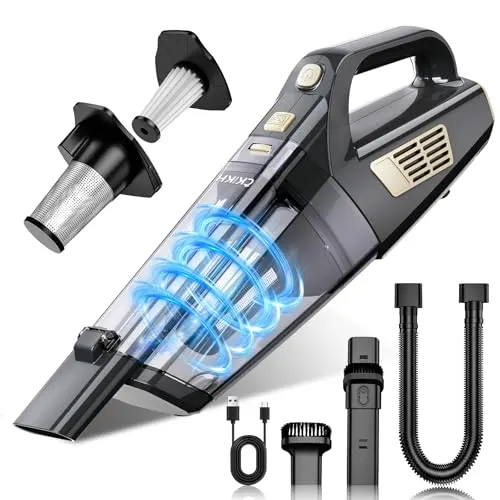
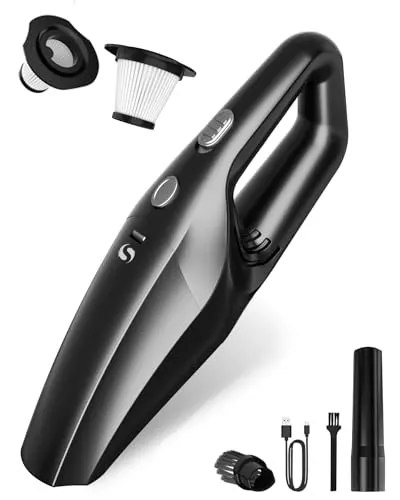
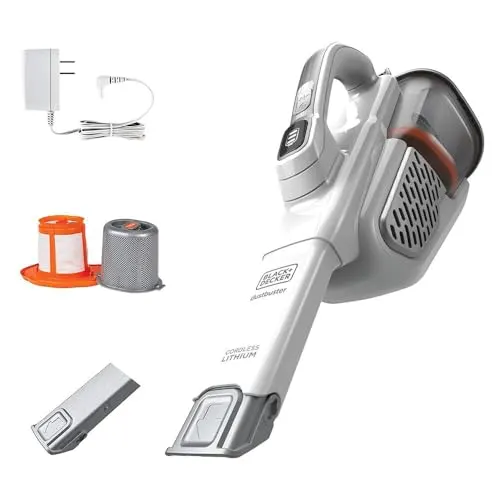
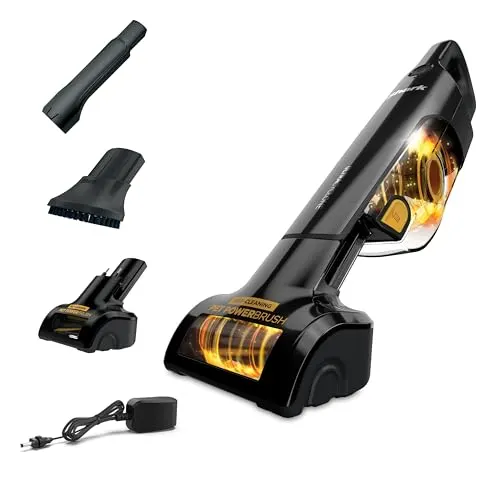
Car Cleaning Supplies
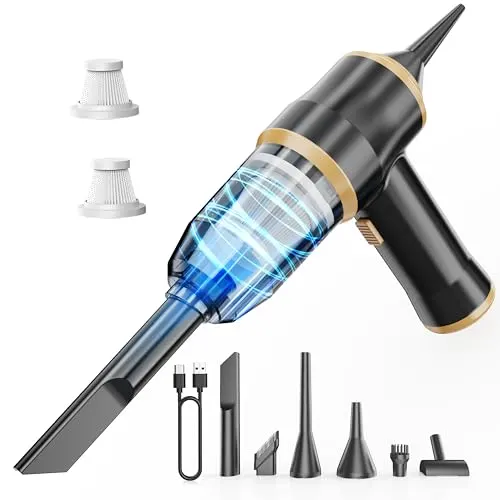
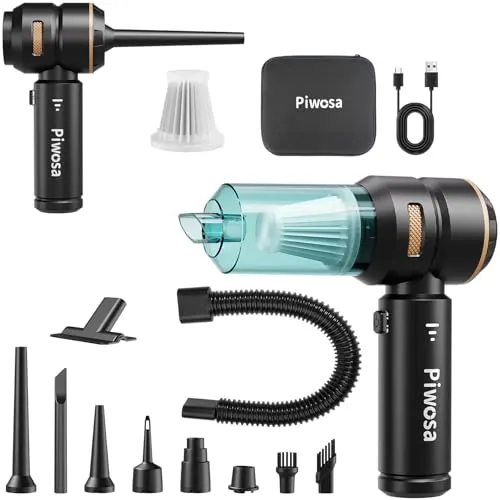
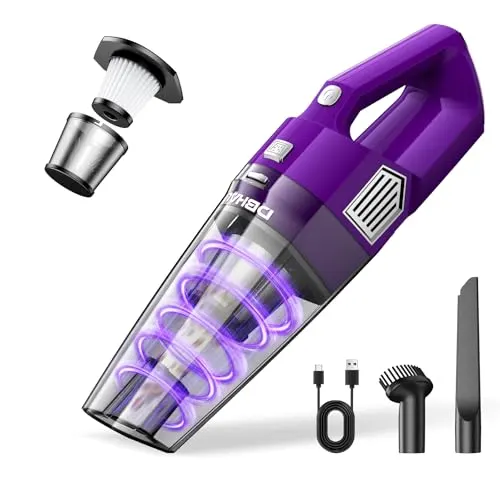
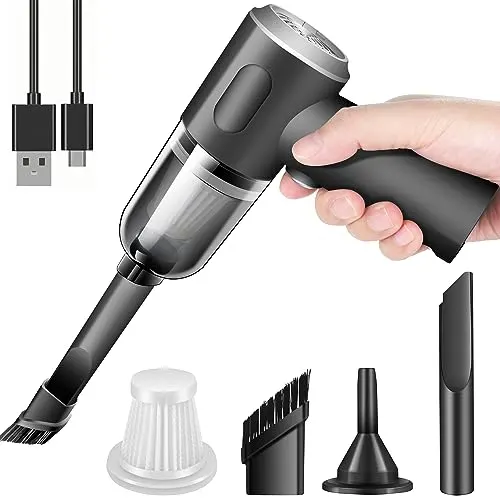
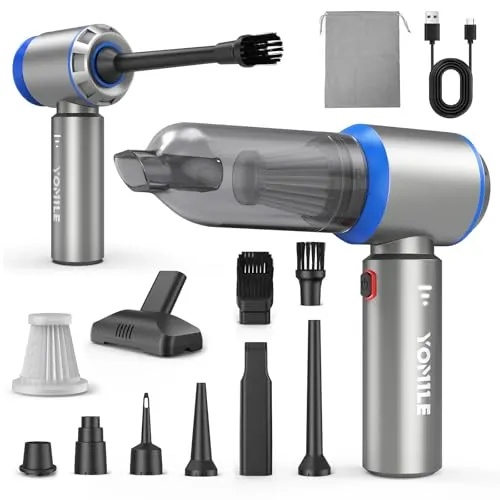
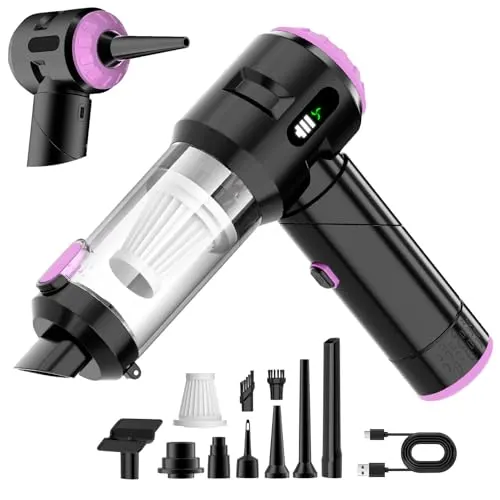
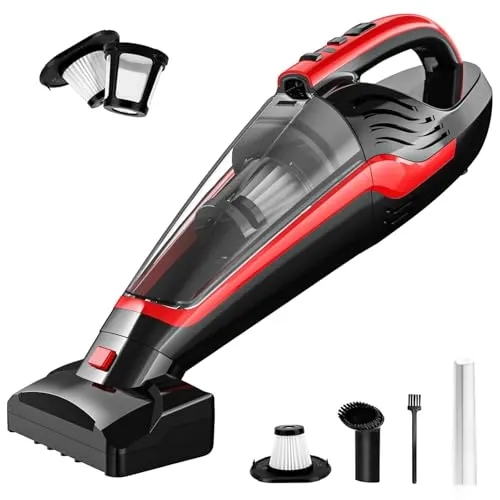
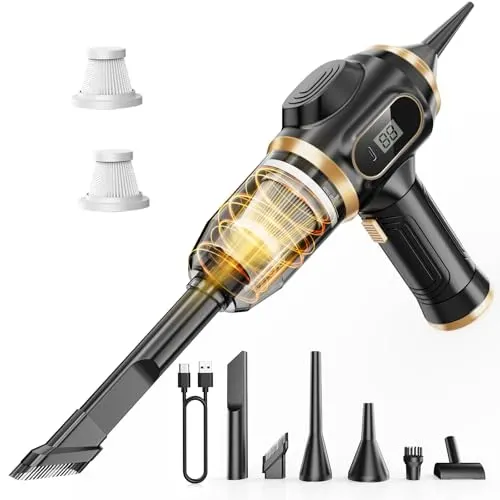
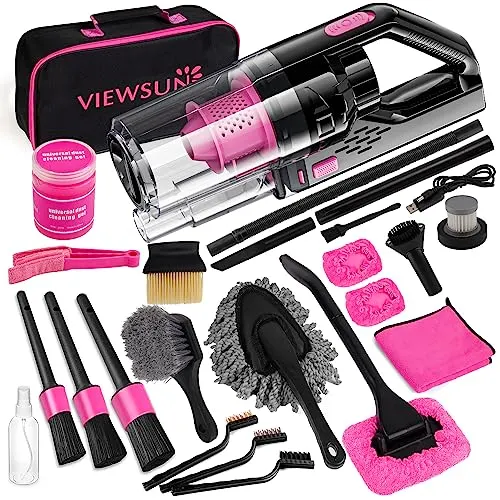
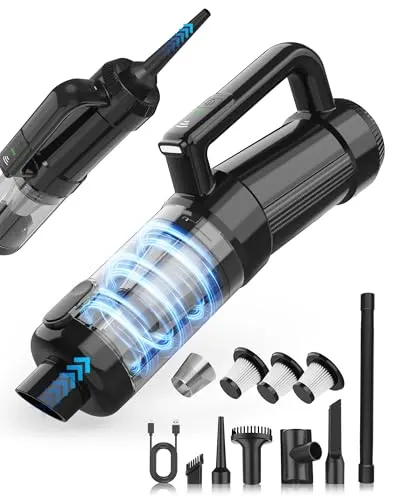
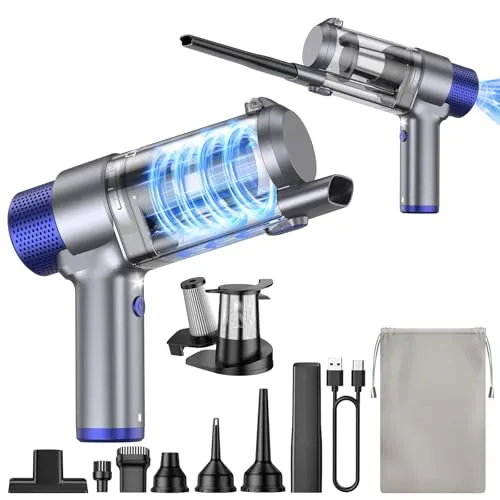
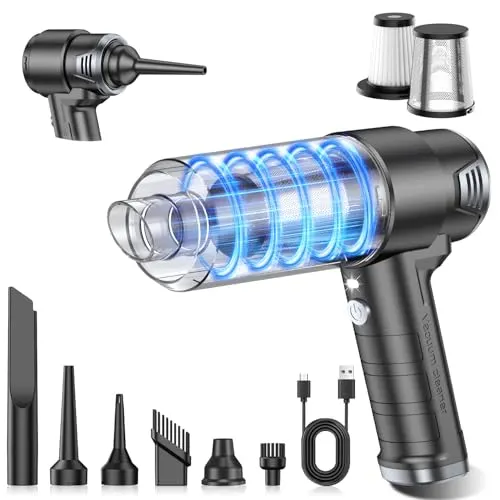
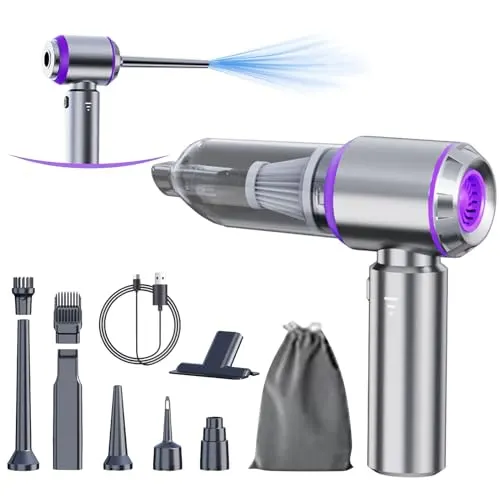
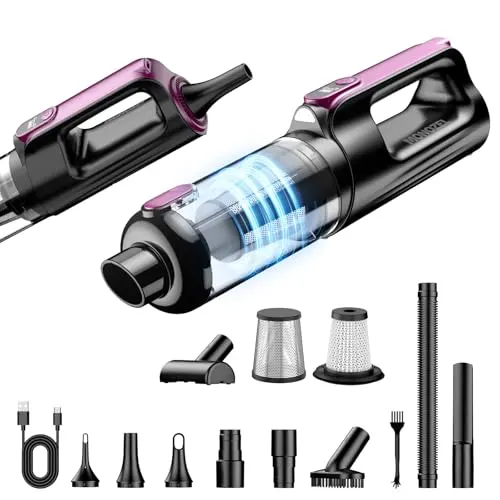
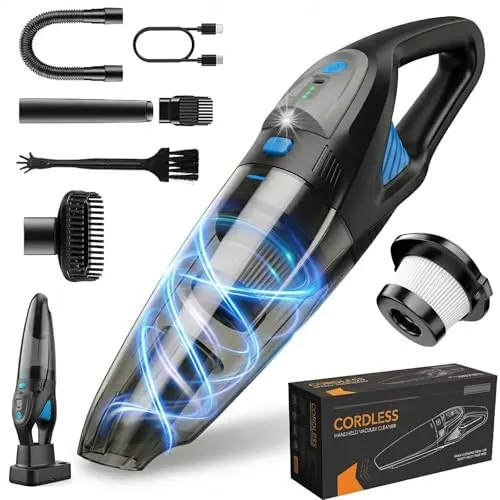
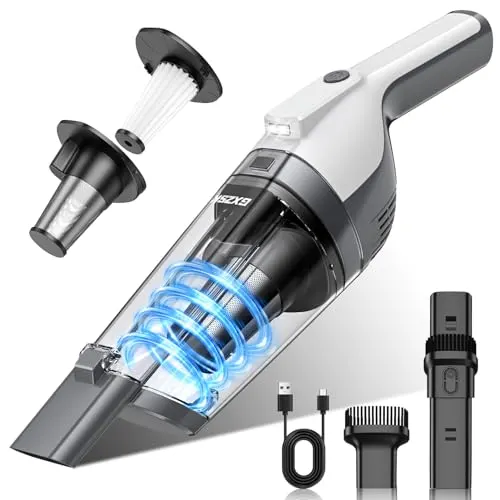
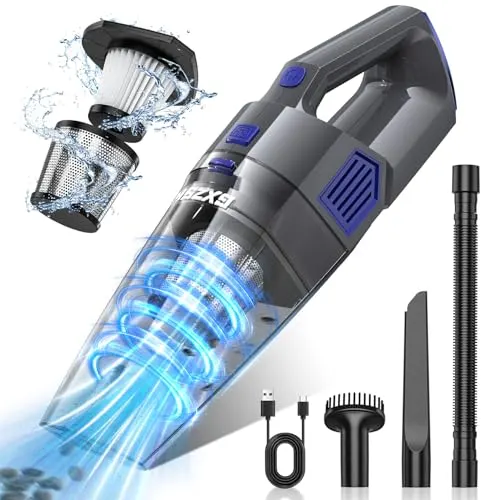
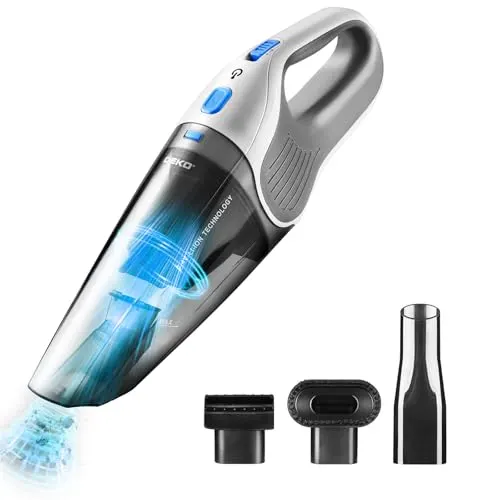
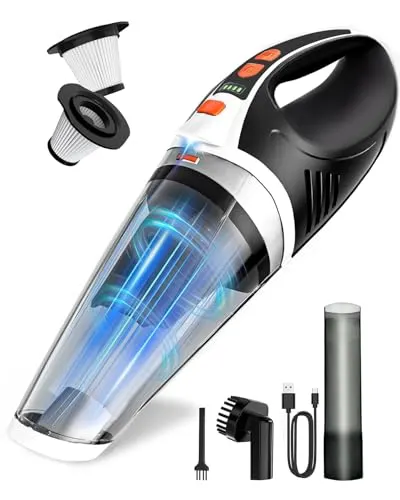
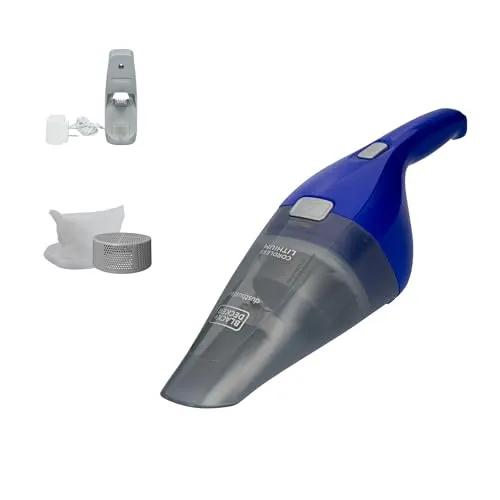
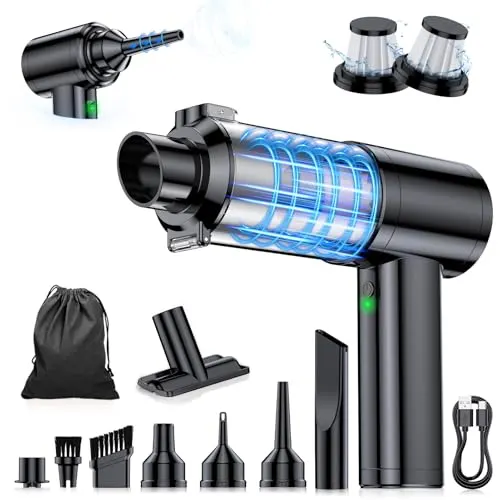
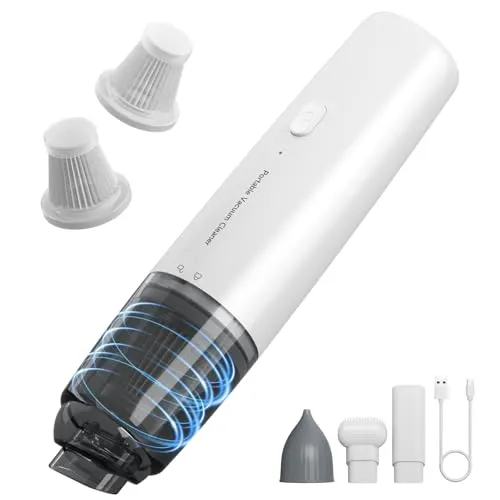
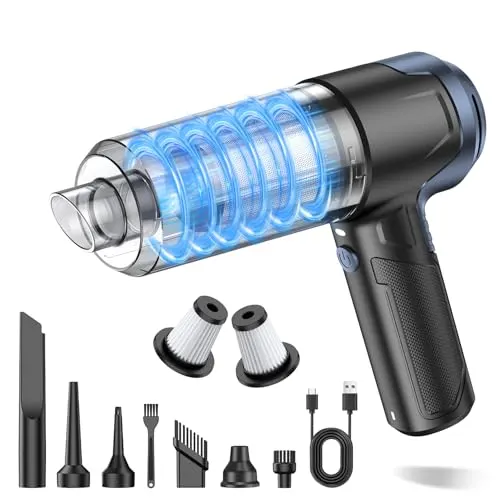
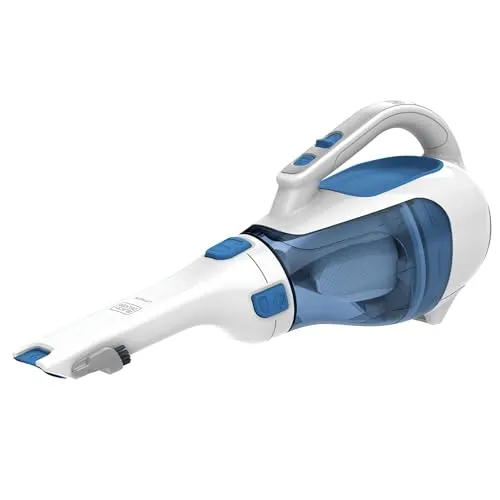
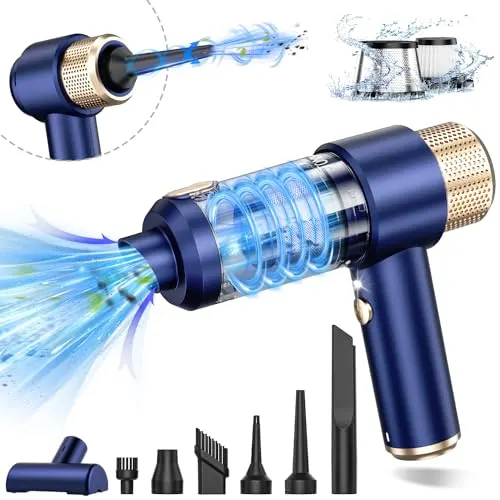
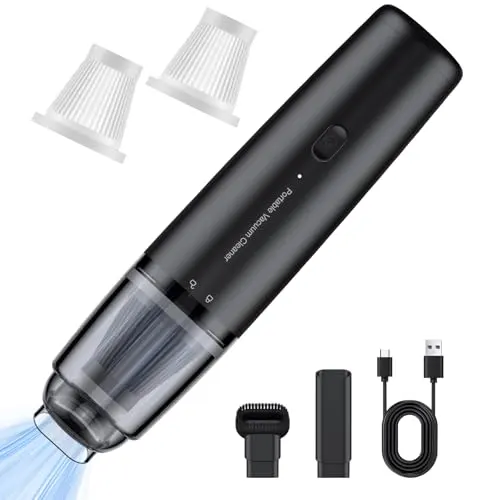
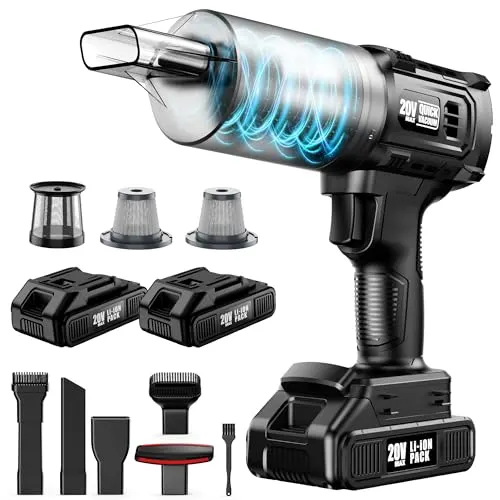
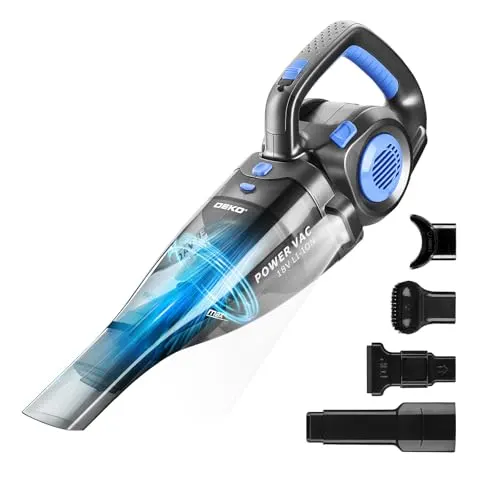
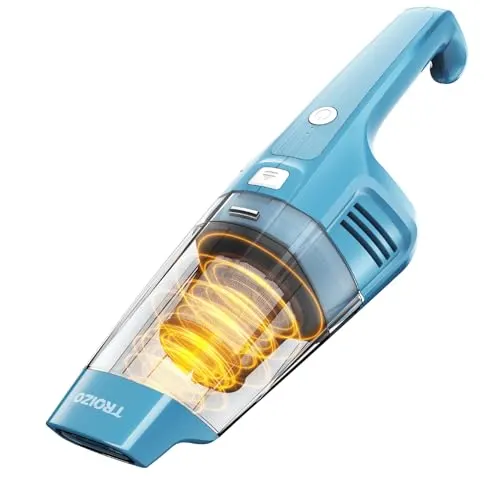
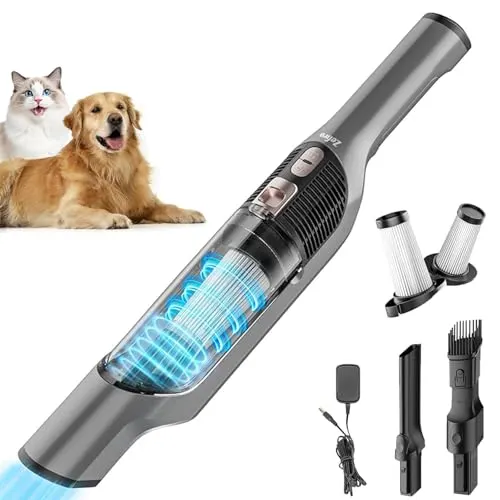
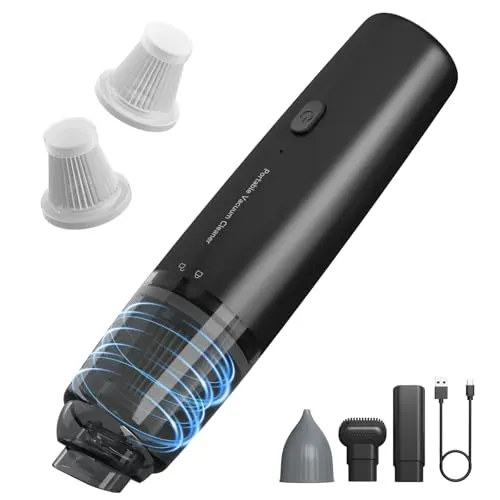
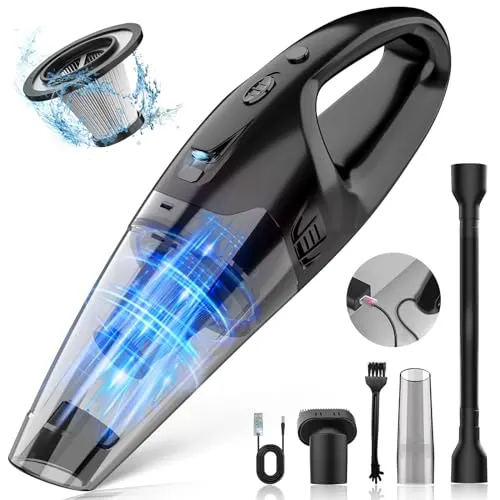
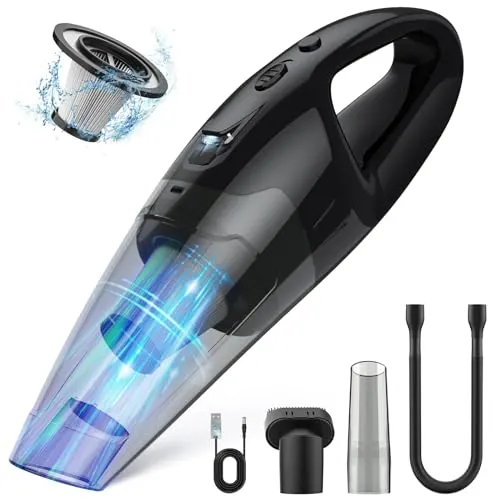
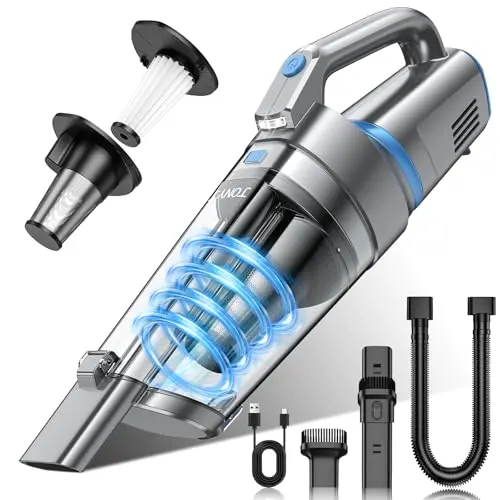
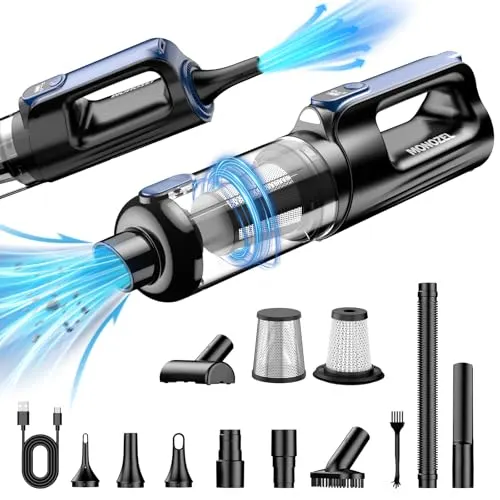
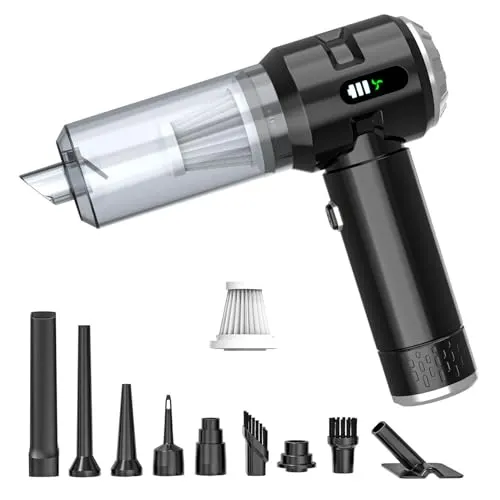
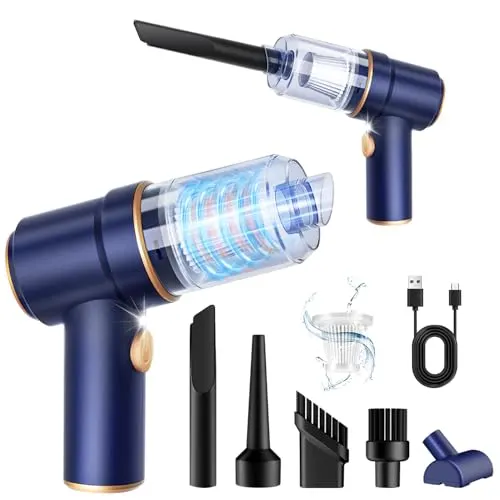
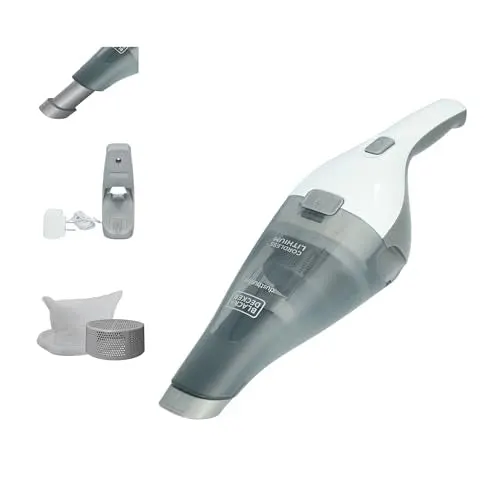
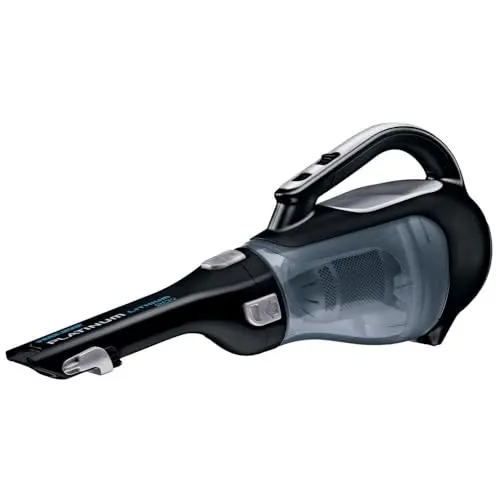
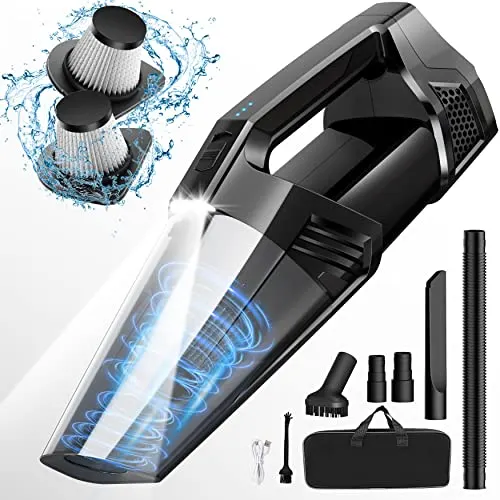
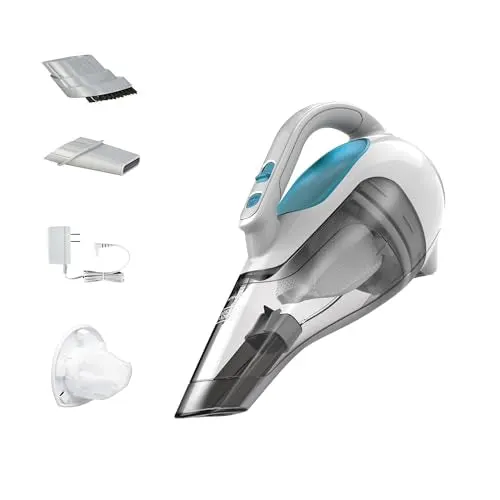
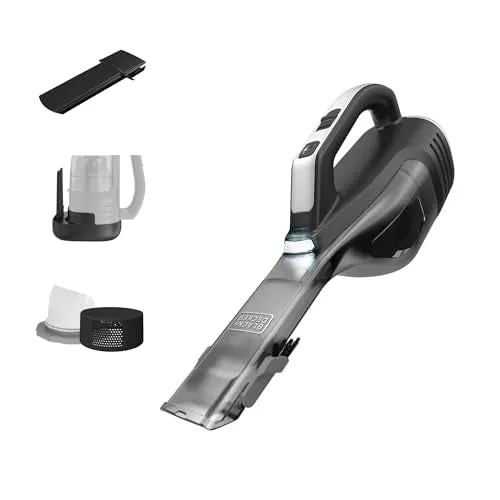
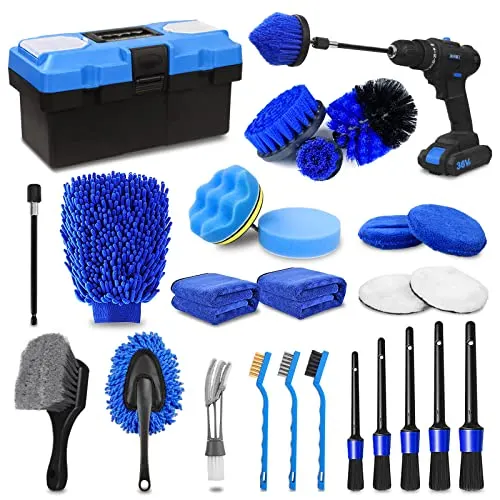
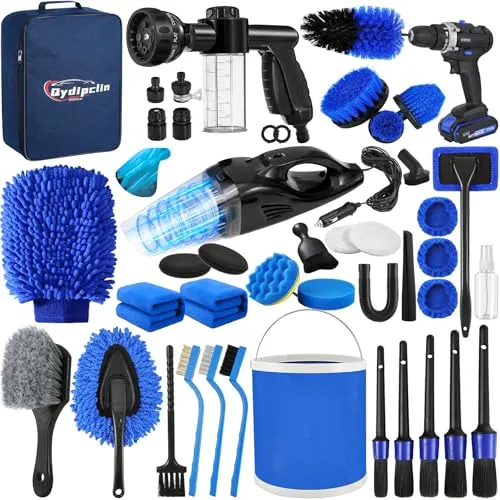
Compare car cleaning supplies for seats, carpets, floor mats, glass, consoles, pet hair, crumbs, spills, and everyday interior maintenance. Start with the products below, then use the complete guide to build a practical kit around your vehicle, storage space, and most common messes.
Car interiors combine several surfaces in a small space: fabric, carpet, rubber, plastic, coated trim, glass, touchscreens, leather or synthetic upholstery, and electrical components. A useful car-cleaning kit therefore is not one oversized bundle. It is a short set of compatible tools chosen for dry debris, surface dust, glass, fabric spots, and the details your vehicle actually has.
Quick Answer
Begin with a compact vacuum, two or more clean microfiber cloths, a soft interior brush, a glass-cleaning cloth, and a small organizer. Add a portable extractor only if you regularly clean compatible fabric seats or carpeted mats. Always follow the vehicle manual and each product label because an interior cleaner or brush that suits one material may damage another.
Choose Car Cleaning Supplies by the Mess
The fastest way to avoid an overstuffed kit is to identify the mess before choosing a tool. Dry debris needs removal rather than liquid. Fine dust needs a soft brush or cloth. Fabric spills may need blotting and, when the material permits, controlled extraction. Film on interior glass needs a glass-safe approach that does not leave overspray on the dashboard.
- Crumbs, sand, and loose dirt: Start with a compact vacuum and crevice tool.
- Pet hair: Use a vacuum with an upholstery or motorized attachment, then a material-safe hair-removal tool for what remains.
- Dashboard and console dust: Use a clean microfiber cloth and a soft detail brush around seams and controls.
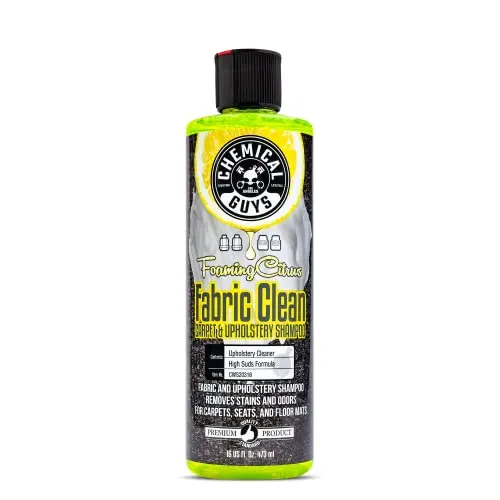
- Fabric-seat or carpet spots: Blot first, identify the upholstery, and use only a compatible formula or portable extractor.
- Rubber floor mats: Remove them from the vehicle before brushing, rinsing, and drying as their manufacturer permits.
- Interior glass: Use a dedicated cloth and a cleaner approved for the glass, film, tint, and nearby trim.
For a broader room-and-vehicle planning list, see the Cleaning Supplies Checklist by Room. It separates car tools from household cloths and brushes so dirt from wheels, mats, and door sills is not carried back into kitchens or bathrooms.
Core Car Interior Cleaning Tools
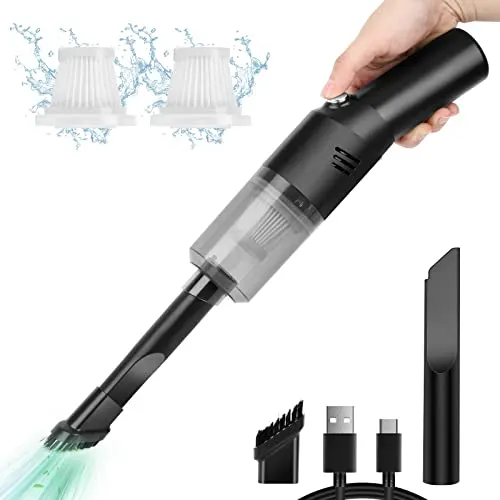
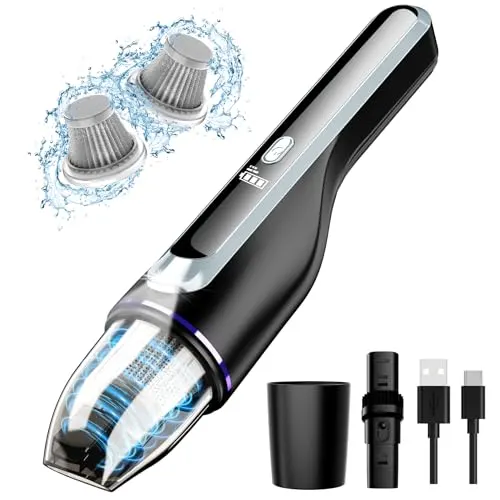
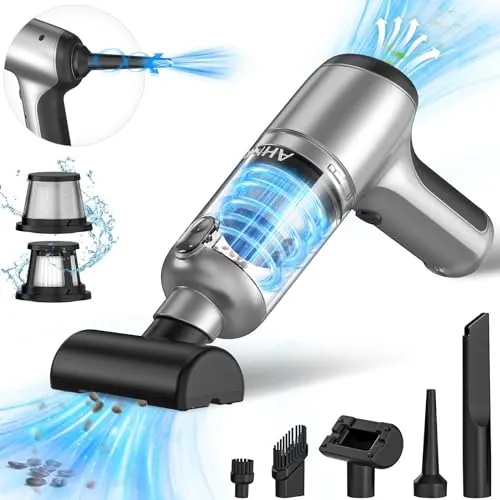
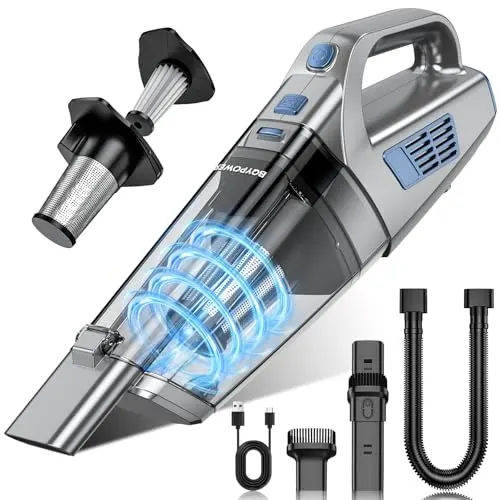
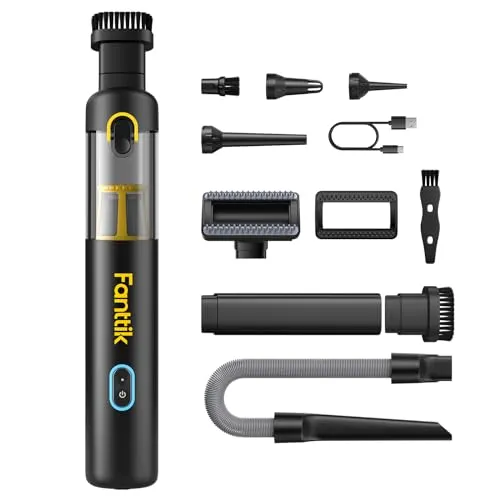
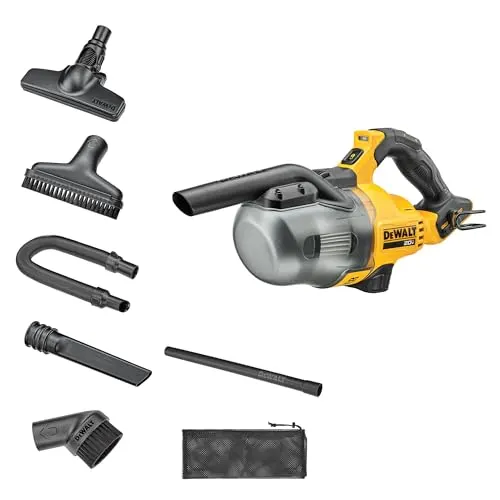
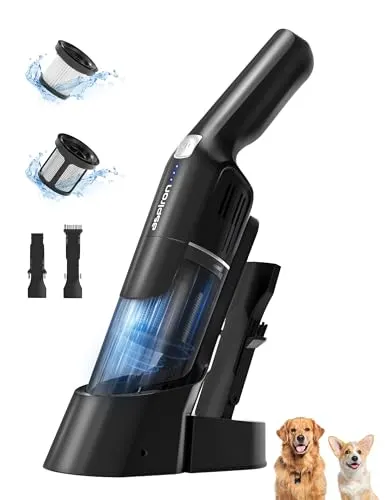
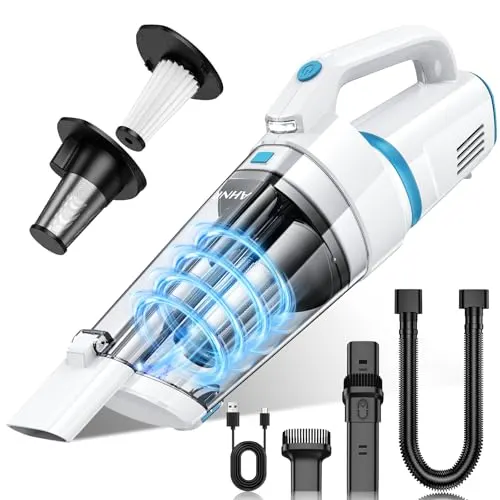
Compact and Handheld Vacuums
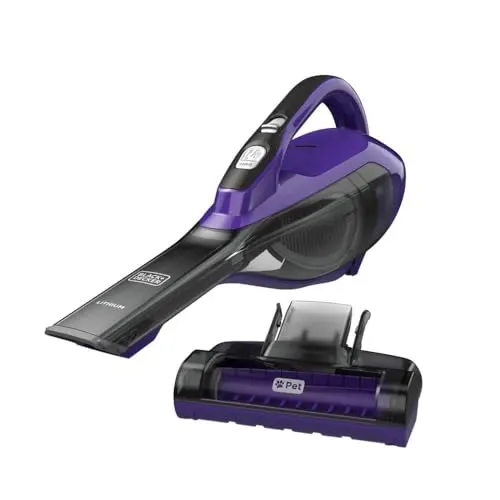
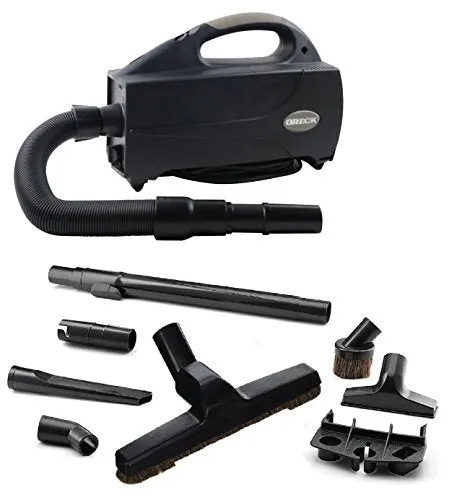
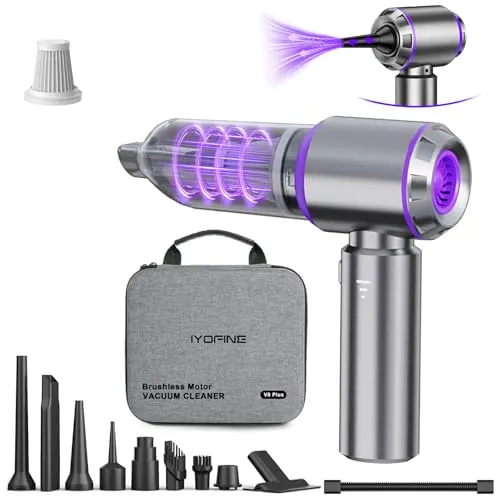
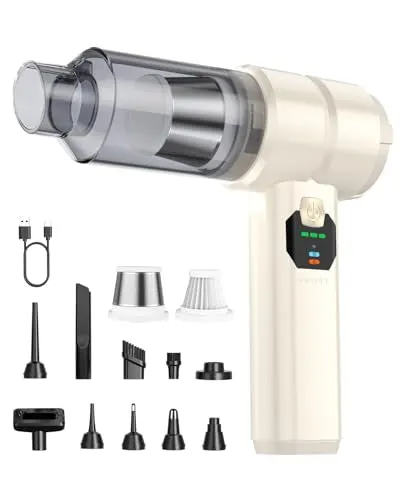
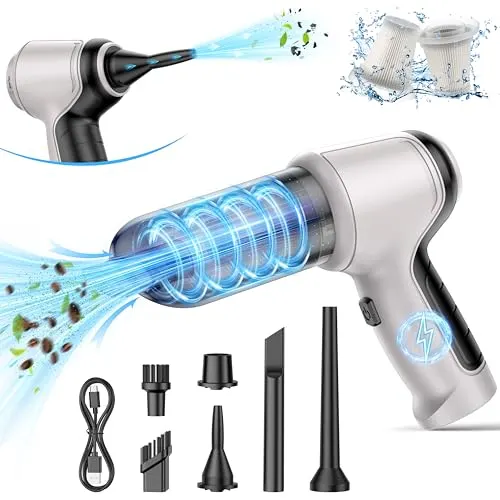
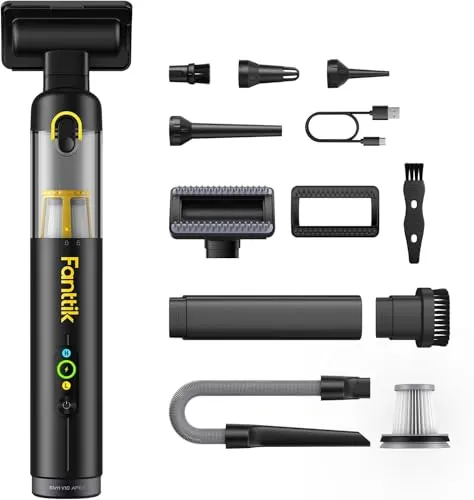
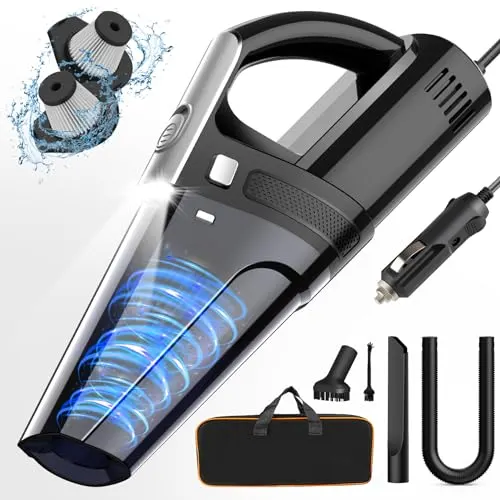
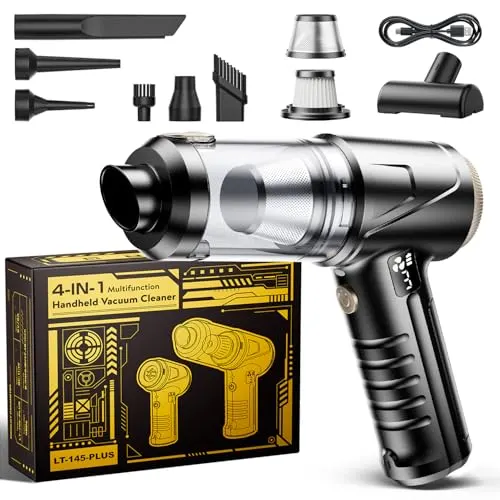
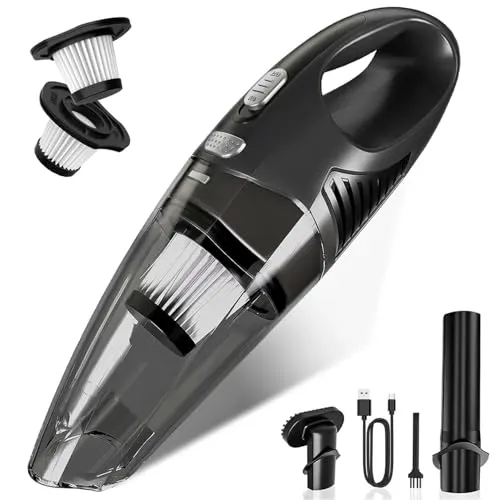
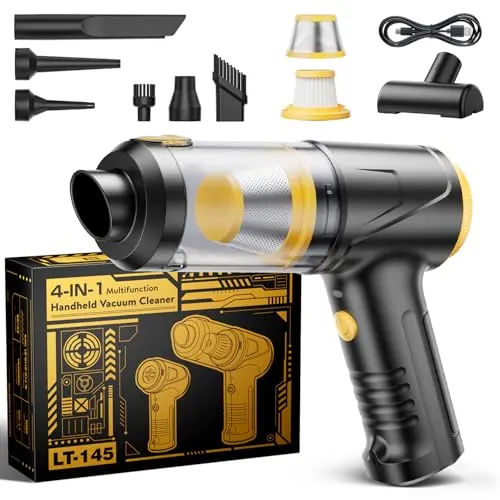
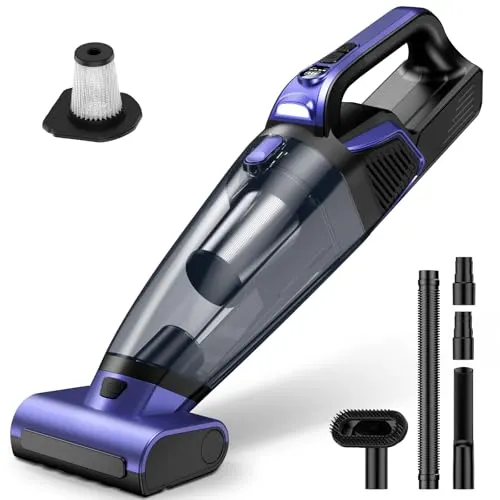
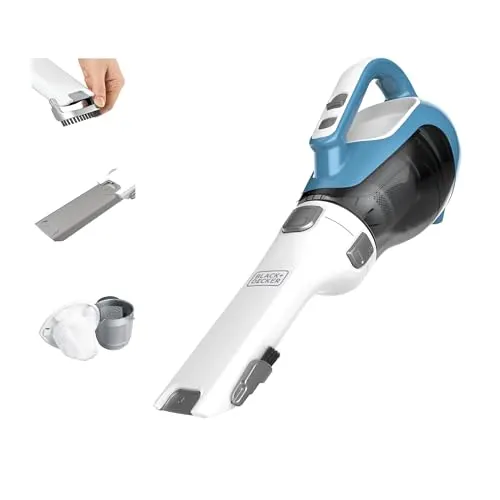
A car vacuum is the strongest first purchase for most drivers because it handles the loose debris that appears most often. Compare usable attachments, dust-bin access, filter care, charging method, cord reach, storage footprint, and whether the nozzle fits between seats. Published suction numbers are not directly comparable when brands use different test methods, so treat them as manufacturer positioning rather than a universal ranking.
Cordless models are easy to move around a parked vehicle, while corded models can be useful when an outlet or compatible vehicle socket is available. A narrow crevice tool helps with seat rails and console gaps; an upholstery brush can be more useful for fabric and pet hair. Browse Handheld Vacuums or read the focused Best Handheld Vacuum for Cars guide before choosing.
Microfiber Cloths
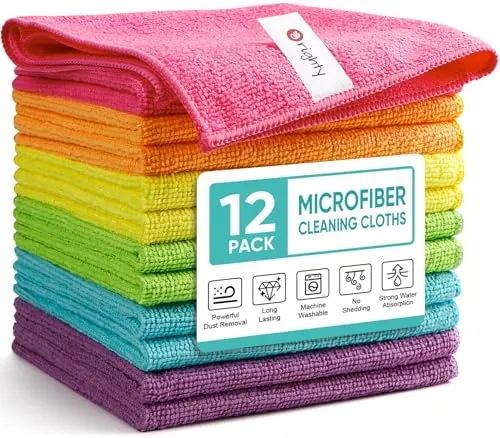
Microfiber cloths are useful for dusting, wiping compatible hard surfaces, drying small areas, and cleaning glass when paired with an appropriate product. Keep separate cloths for glass, general interior surfaces, and dirtier door-sill or mat work. Color coding is a simple way to prevent a cloth used near greasy hinges or muddy mats from touching a screen or seat.
Cloth quality, weave, edge construction, absorbency, and laundering instructions matter more than package size alone. The Microfiber Cloth collection provides reusable options for vehicle and household jobs.
Detail Brushes and Crevice Tools
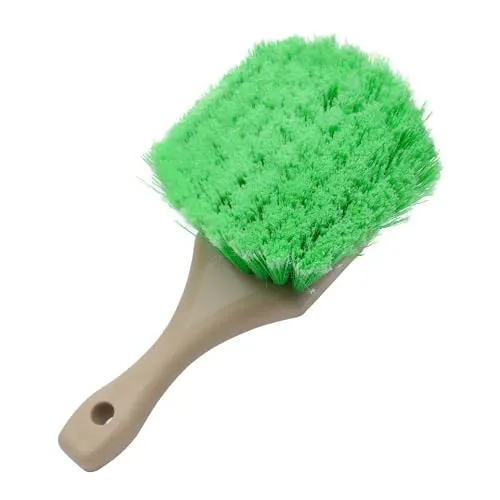
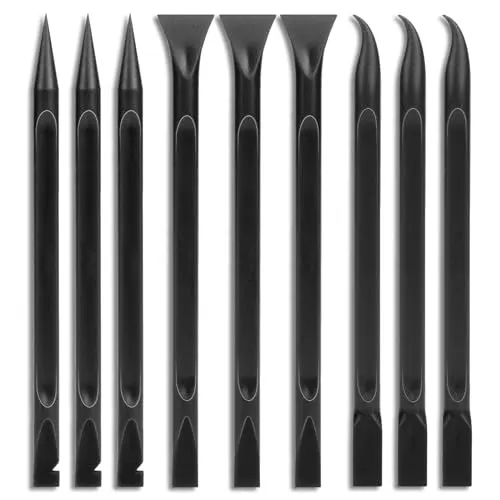
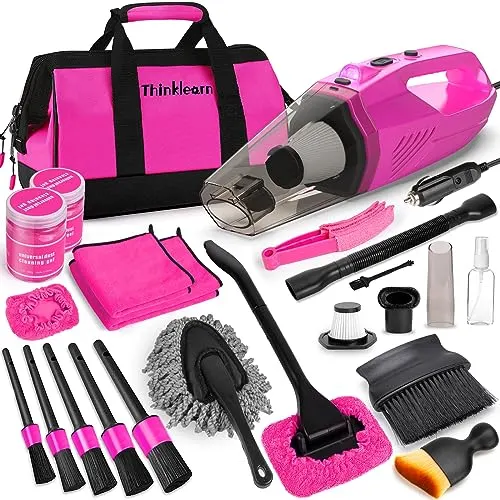
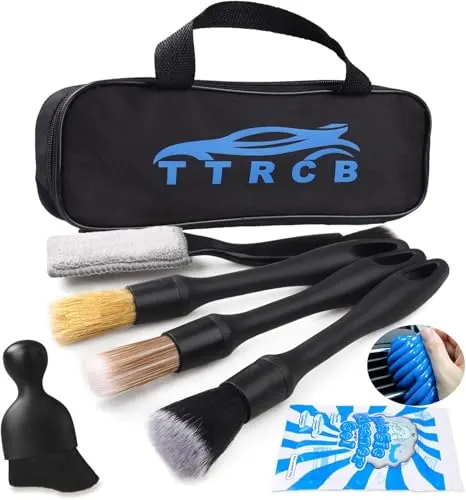
Soft detailing brushes can loosen dust around vents, buttons, stitching, emblems, cup holders, and trim seams before vacuuming. Stiffer brushes may suit removable rubber mats but can mark delicate screens, piano-black trim, soft-touch coatings, leather finishes, or clear plastics. Do not assume every brush in a large detailing kit is safe for every interior surface.
Choose a few clearly differentiated tools rather than many nearly identical brushes. A soft detail brush, a narrow crevice tool, and a dedicated mat brush cover more useful tasks than a bundle whose bristle materials are not identified. For more general brushing options, compare the Scrub Brush catalog.
Portable Carpet and Upholstery Cleaners
A portable extractor can apply an approved solution and recover moisture from compatible carpet and fabric upholstery. It is useful for concentrated spills and spots, but it does not replace dry vacuuming. Remove crumbs, sand, and hair first so the machine can focus on the fabric mess.
Check the vehicle manual before adding moisture to seats, carpet, headliners, or areas with sensors, wiring, heating elements, or airbag components. Use the machine maker's approved formula and avoid saturating padding. Compare machines in Portable Carpet Cleaners, compatible formulas in Carpet Cleaning Solutions, and the existing Bissell Little Green review for a focused portable-cleaner example.
Glass and Windshield Tools
Interior windshield film can reduce clarity, especially when it catches glare. A low-lint glass cloth and a reach tool can make the lower windshield easier to access. Apply cleaner according to its label and control overspray around dashboards, screens, speaker grilles, and vents.
Aftermarket tint and specialty coatings can have their own restrictions. Confirm compatibility before using ammonia-containing or abrasive products. The Window Cleaning Tools collection includes reach tools, squeegees, and cloth-based options that can support vehicle glass care.
Cleaning Caddies and Compact Storage
A small organizer keeps cloths, brushes, vacuum attachments, gloves, and sealed bottles from rolling around the trunk. Choose one that fits the vehicle and can be removed easily. Store chemicals upright in their original labeled containers, follow temperature and storage directions, and do not leave products in a vehicle when the label warns against heat, freezing, or prolonged storage.
Browse Cleaning Caddies & Organizers for portable storage ideas. A small kit that stays orderly is usually more useful than a large kit that blocks cargo space or mixes clean and dirty tools.
Build a Car Cleaning Kit in Three Levels
Level 1: Quick Weekly Maintenance
- Compact vacuum with a crevice attachment
- Two microfiber cloths kept for interior use
- Soft detail brush
- Small trash bag or removable bin
- Compact organizer
This setup handles crumbs, dust, cup-holder debris, light glass film, and quick dashboard maintenance. It is enough for many commuter cars and lightly used vehicles.
Level 2: Family, Pet, or Rideshare Kit
- Vacuum with upholstery and pet-hair attachments
- Separate cloths for glass, trim, and dirtier surfaces
- Material-safe hair-removal tool
- Brush for removable mats
- Label-approved spot cleaner for the vehicle's upholstery
- Gloves and a washable caddy
Pet owners may also want to compare Pet Hair Vacuums. Check nozzle size and portability carefully because a capable home vacuum is not automatically convenient inside a car.
Level 3: Deeper Fabric and Carpet Care
- Portable carpet or upholstery extractor
- Approved machine formula
- Dry vacuum for pre-cleaning
- Extra absorbent cloths for blotting
- Airflow and drying plan before the vehicle is closed
Deeper cleaning should be occasional and material-specific. Extraction is not appropriate for every seat, headliner, carpet assembly, or vehicle component. When the manual is unclear or a stain involves an unknown chemical, dye transfer, mold, or electrical area, professional help may be the safer option.
Match the Tool to the Interior Material
Fabric Seats and Carpet
Vacuum slowly before introducing moisture. Blot fresh spills instead of scrubbing them outward. Test the chosen cleaner in an inconspicuous area, follow dilution and dwell instructions, extract or blot as directed, and allow the area to dry thoroughly. Repeated passes with excess liquid can move a surface spot into padding rather than removing it.
Leather and Synthetic Upholstery
Vehicle makers may specify different care for coated leather, perforated leather, synthetic upholstery, and specialty finishes. Use a soft cloth and only products permitted by the manual. Avoid flooding perforations, seams, controls, heating elements, and airbag zones. A product marketed for household leather is not automatically suitable for an automotive seat finish.
Touchscreens, Clear Plastics, and Glossy Trim
These surfaces scratch easily and can have anti-glare or fingerprint-resistant coatings. Turn screens off when the manufacturer instructs, remove loose grit before wiping, and use the approved cloth and fluid. Do not spray liquid directly toward screens, buttons, ports, speaker openings, or seams.
Rubber and Carpeted Floor Mats
Remove mats before cleaning so debris and liquid do not collect underneath. Confirm how each mat should be washed, rinse only when permitted, and let it dry fully before reinstalling it. Reinstall every mat with the correct retainers and make sure it cannot interfere with pedals.
A Practical Interior-Cleaning Order
- Park safely, switch the vehicle off, open doors for access, and remove valuables and loose trash.
- Read the vehicle's interior-care instructions and identify delicate surfaces, sensors, airbags, and electronics.
- Remove floor mats and shake or vacuum loose debris outside the vehicle.
- Use a soft brush from higher areas downward while vacuuming released dust.
- Vacuum seats, seams, floor areas, rails, console gaps, cargo space, and the spare-tire well if accessible.
- Clean compatible hard surfaces with controlled product application; spray a cloth instead of electronics when directions permit.
- Address fabric spots or carpet stains only after dry soil is removed.
- Clean interior glass last with a dedicated cloth.
- Dry tools, empty the vacuum, rinse approved extractor parts, launder cloths separately, and store everything securely.
This sequence reduces the chance of re-soiling a finished area. It also separates dry removal from liquid cleaning, which makes it easier to see whether a stain actually needs a stronger process.
Common Car-Cleaning Mistakes
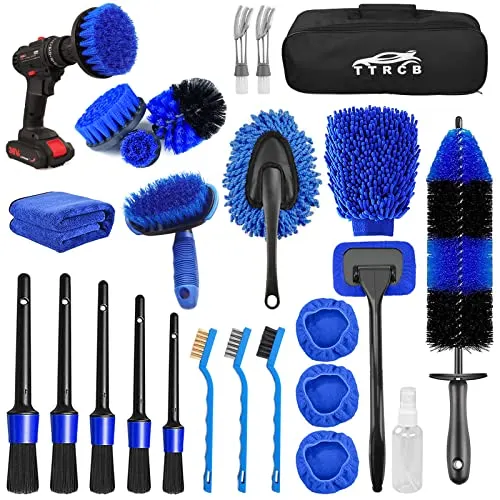
- Buying by bundle size: A 30-piece kit is not automatically more useful than five well-chosen tools.
- Using one cloth everywhere: Glass, screens, trim, and dirty door sills should not share the same cloth face.
- Scrubbing before vacuuming: Grit can scratch trim or become embedded deeper in fabric.
- Spraying controls directly: Liquid can enter seams, switches, ports, vents, and electronics.
- Over-wetting upholstery: Extra liquid can extend drying time and reach padding, sensors, wiring, or adhesives.
- Assuming “multi-surface” means every surface: Product labels and vehicle manuals still control compatibility.
- Closing the vehicle before fabric dries: Plan airflow and drying time after wet cleaning.
- Mixing chemicals: Do not combine cleaners or transfer them into unlabeled bottles.
How to Compare Car Cleaning Products
For vacuums, compare the complete system: attachments, filter availability, dust-bin access, charging, cord reach, storage, noise tolerance, and cleanup after use. For brushes and cloths, compare material, stiffness, weave, edge design, washability, and the surfaces the maker lists. For portable extractors, compare tank handling, hose and tool access, approved formulas, rinse procedure, storage footprint, and how much moisture the vehicle material can safely tolerate.
Product titles often combine several advertised functions. Treat motor speed, pressure, suction, run-time, and “professional” wording as manufacturer positioning unless the products share a standardized test. The most useful option is the one that fits the vehicle and the exact cleanup job—not necessarily the product with the largest number in its title.
Clean Home Picks is an independent discovery and affiliate site. It does not sell, ship, install, warranty, authenticate, or process returns for the products shown. Confirm specifications, included accessories, compatibility, and seller terms on the destination page before purchasing.
Car Cleaning Supplies FAQ
What car cleaning supplies should a beginner buy first?
Start with a compact vacuum, crevice tool, soft detail brush, separate microfiber cloths for glass and trim, and a small organizer. Add chemicals or extraction equipment only for materials and messes that require them.
Do I need a special vacuum for a car?
No single format is required. The best choice has attachments that reach your vehicle's seams and rails, enough power and run time for the usual debris, and a size you can carry and store comfortably.
Can a portable carpet cleaner be used on car seats?
Some portable cleaners are marketed for compatible automotive fabric and upholstery, but the machine instructions and vehicle manual must both permit the use. Avoid over-wetting and keep moisture away from electrical, heating, sensor, and airbag components.
What removes pet hair from car upholstery?
Begin with a vacuum and upholstery attachment. A material-safe rubber or fabric hair-removal tool may loosen what remains. Test it discreetly because aggressive scraping can mark or pill some fabrics.
Should I use household glass cleaner on a car windshield?
Use only a cleaner compatible with the vehicle glass, tint, coatings, and nearby trim. Aftermarket tint may restrict ammonia or abrasive products, so follow its care instructions as well.
How often should a car interior be cleaned?
There is no universal schedule. Remove spills promptly, vacuum when debris accumulates, and adjust the routine for children, pets, work use, weather, allergies, rideshare service, and the vehicle maker's maintenance guidance.
Is a large detailing kit worth buying?
It can be useful when every tool has a clear job, but many drivers are better served by a smaller kit with known materials and distinct purposes. Avoid paying for duplicate brushes or accessories that do not match the vehicle.
Final Verdict
The most useful car-cleaning setup is built around sequence and compatibility: remove loose debris, use gentle tools on dust and details, apply liquid only where permitted, and finish with glass. A compact vacuum, several dedicated cloths, a soft brush, and secure storage form the strongest baseline. Portable extraction and specialty tools should solve a real recurring problem rather than simply make the kit larger.
Browse the products above, compare supporting categories through the Home Cleaning Tools and Cleaning Supplies hubs, and use the Car Cleaning Supplies review for additional product-format context.
Manufacturer Guidance Consulted
Not sure which pieces belong together? Use the Car Cleaning Kit Checklist to build a compact maintenance, family/pet, or deeper-detailing setup without buying duplicate tools.