Cleaning Sprays
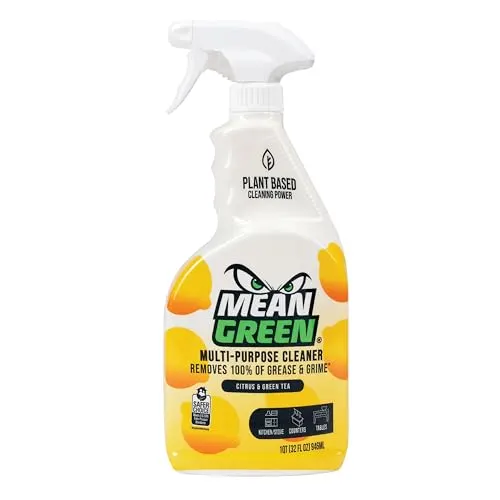
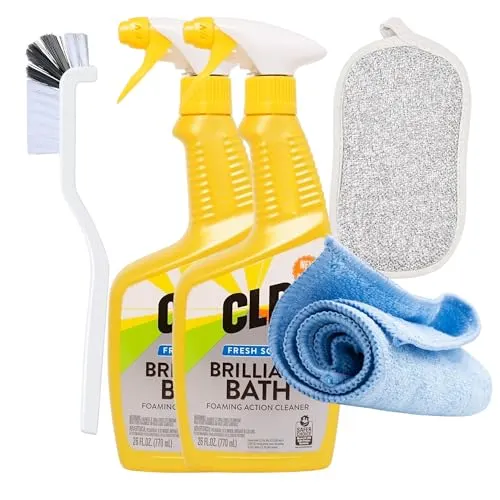
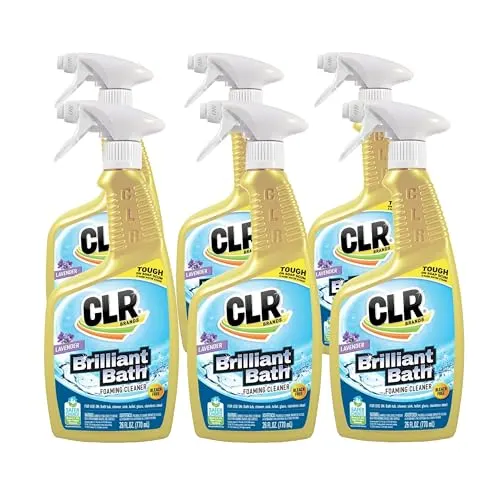
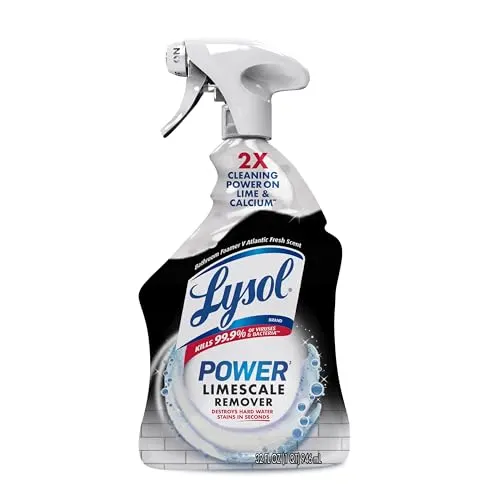
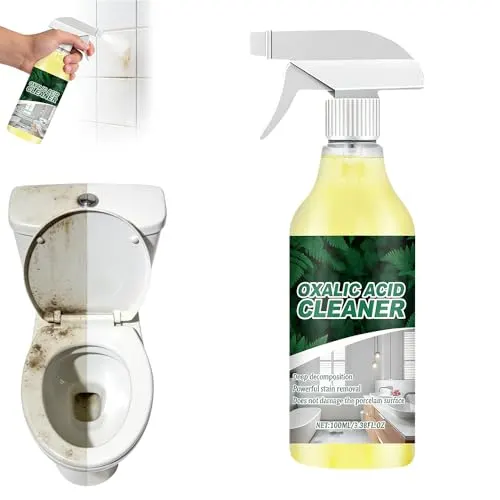
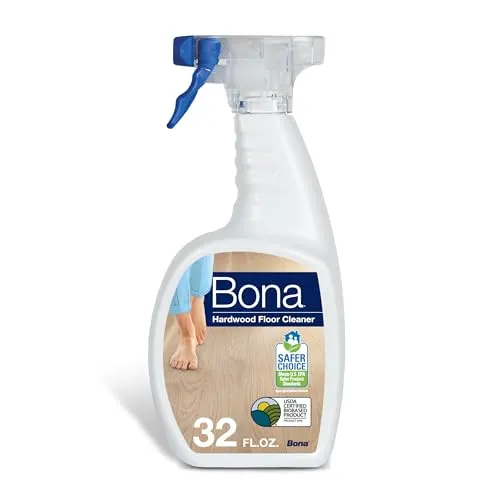
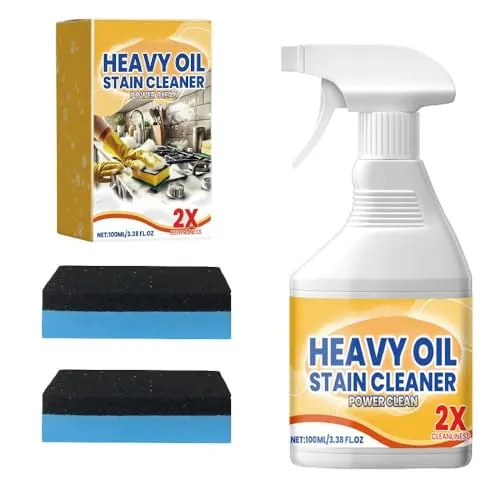
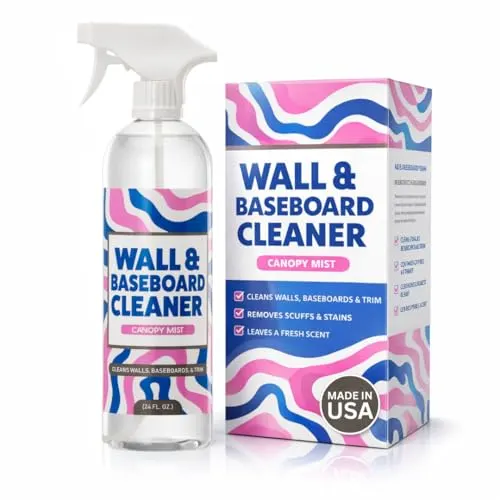
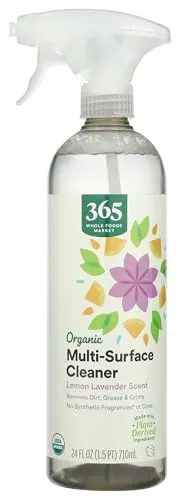
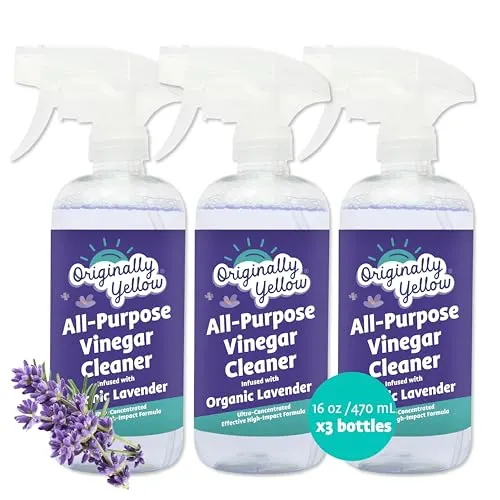
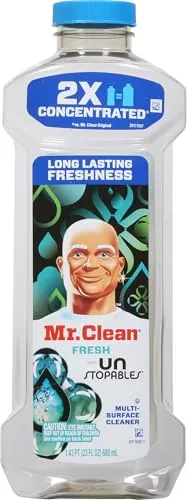
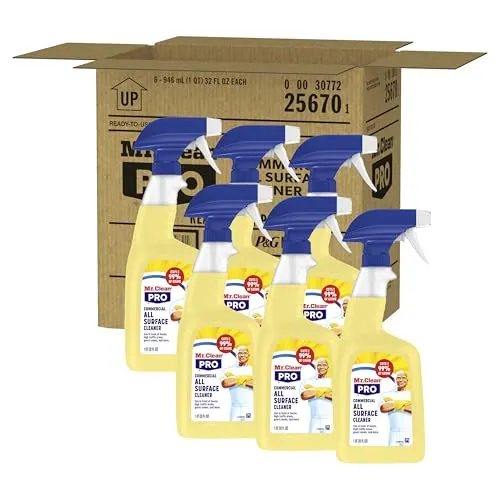
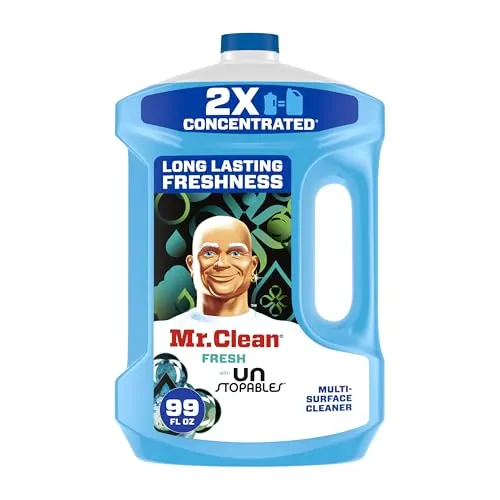
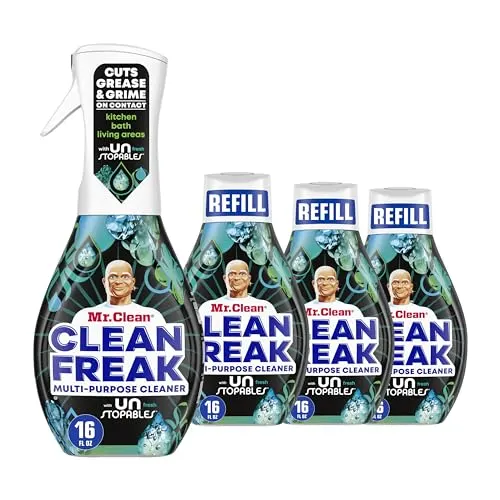
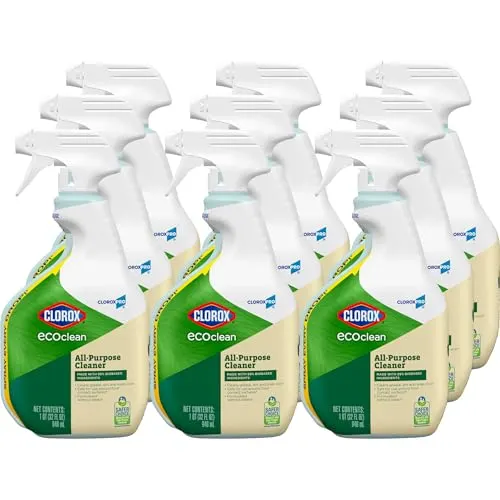
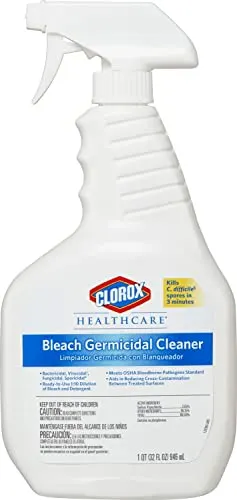
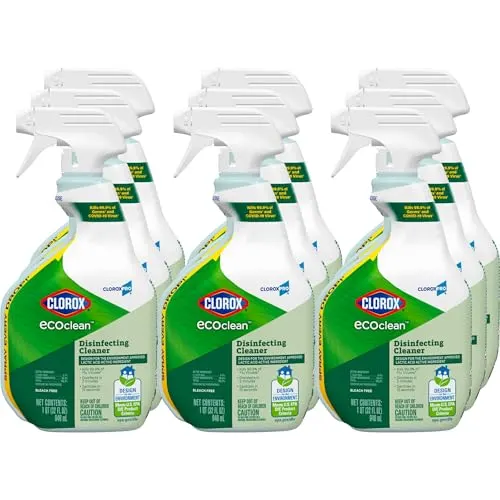
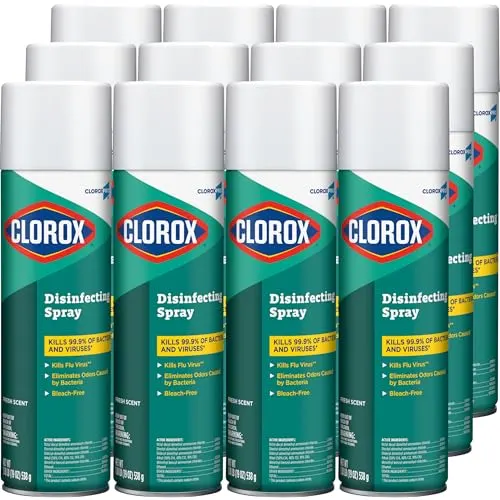
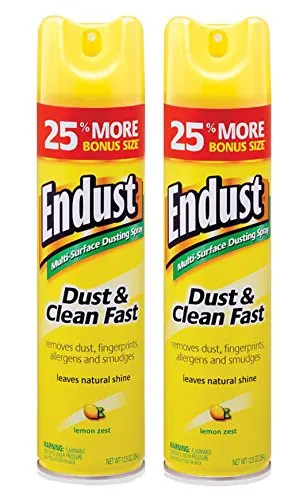
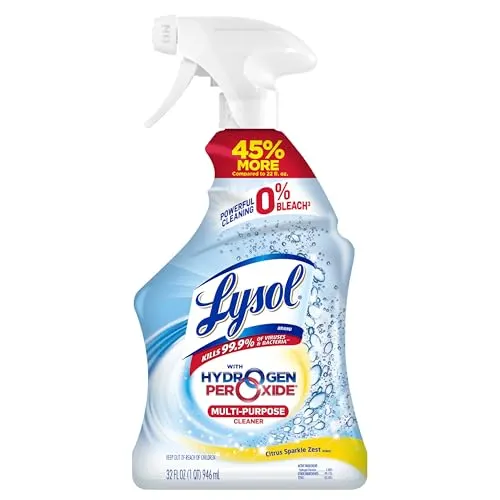
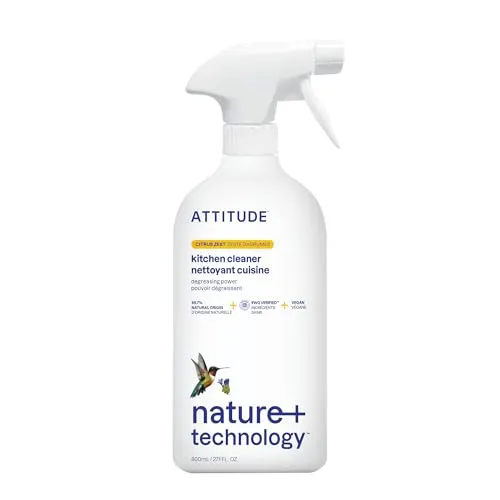
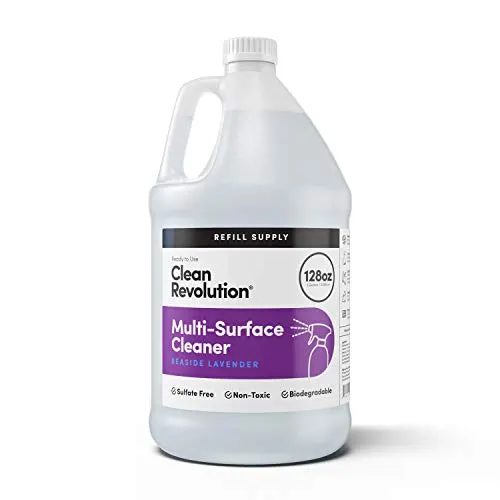
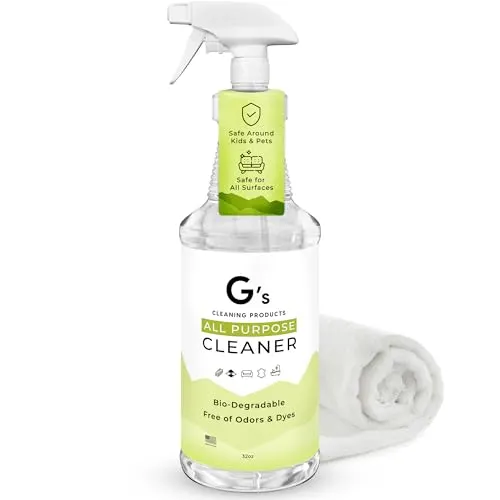
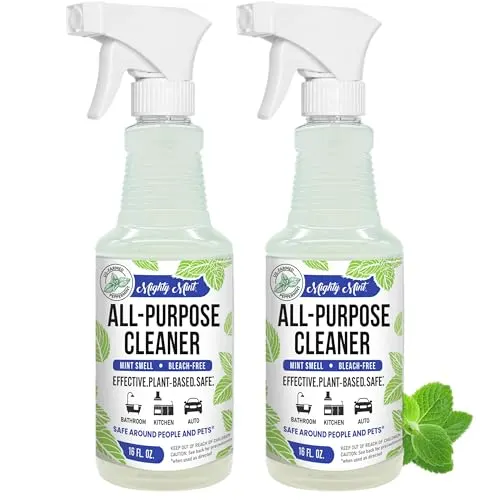
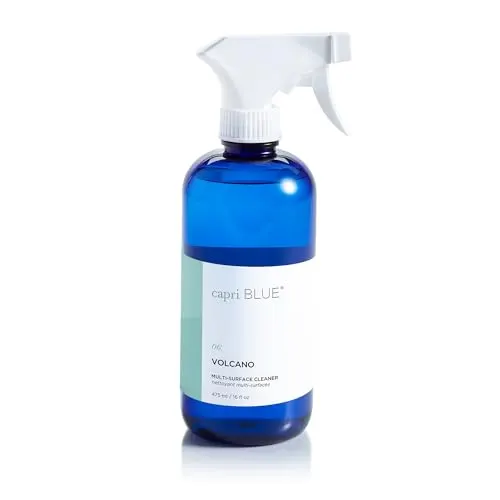
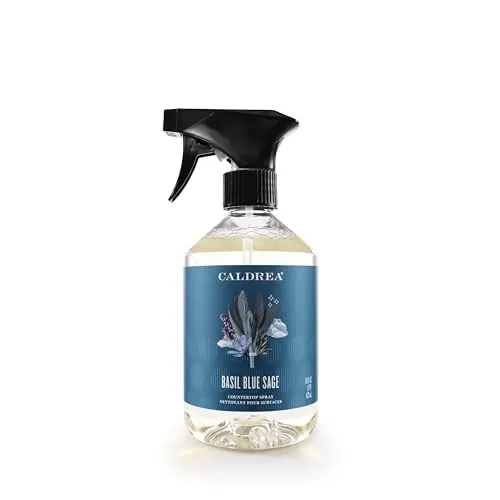
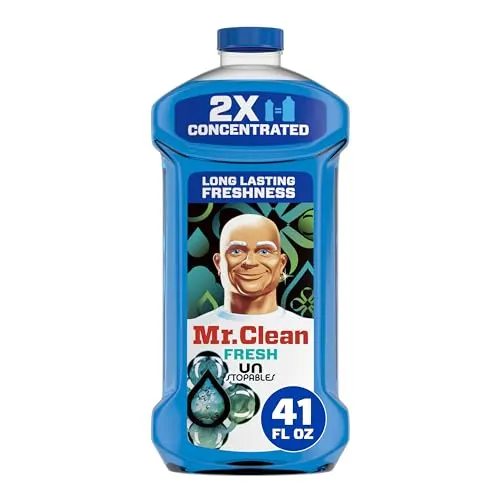
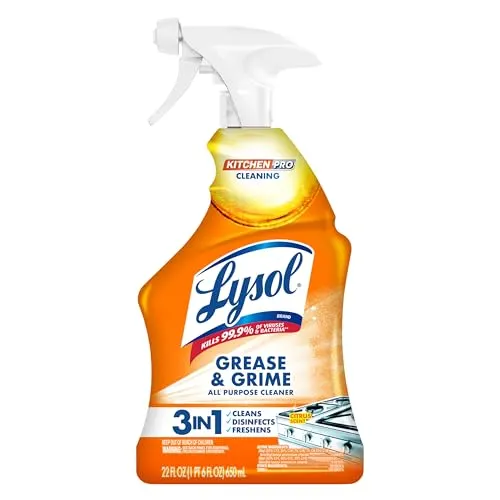
Explore cleaning sprays for counters, kitchens, bathrooms, showers, glass, carpet spots, disinfecting jobs, and everyday household messes. Compare the 147 products below by intended surface, formula type, bottle format, and label directions. Then continue to the complete catalog review for task-based guidance, brand paths, and verified shopping examples.
A useful spray cabinet is usually small and job-specific: one dependable everyday cleaner, a glass product if mirrors and windows are a regular task, and a specialty formula only where the surface or soil calls for it. “All-purpose,” “bathroom,” “degreaser,” and “disinfectant” are not interchangeable promises. The label—not the bottle color, scent, or marketing headline—should determine where and how a product is used.
Clean Home Picks is an independent product-discovery site. We do not sell, ship, formulate, warranty, or process returns for these products. Use the catalog above and the guide below to narrow the category, then confirm the current label, surface compatibility, warnings, seller, and package details before purchasing or using any cleaner.
Choose a Cleaning Spray by Job
Start with the mess and surface rather than the brand. This keeps an everyday spray from being used where a glass, bathroom, carpet, or specialty formula would be more appropriate.
Everyday counters, tables, and sealed surfaces
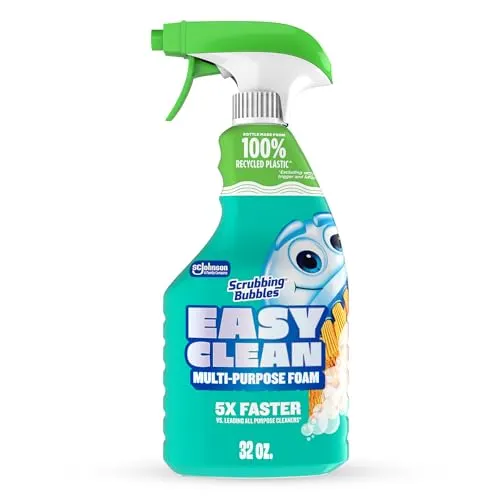
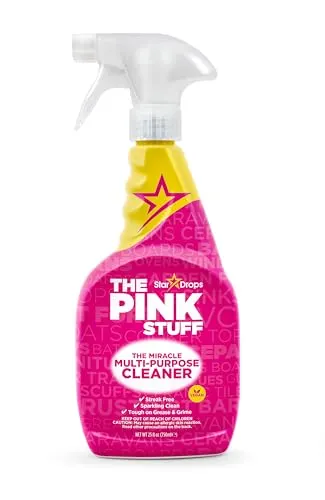
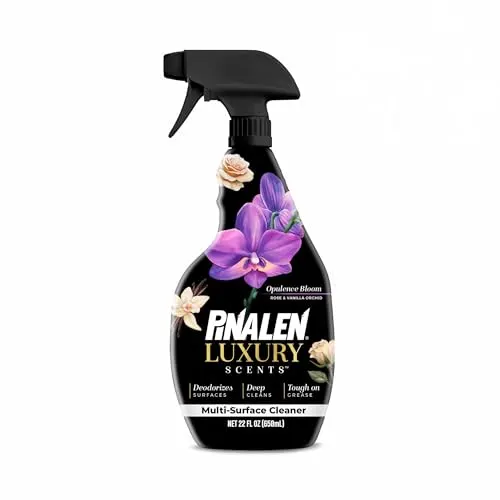
An all-purpose or multi-surface spray can be convenient for fingerprints, light food residue, dust, and routine soil on surfaces listed by the manufacturer. Before using it on stone, sealed wood, paint, laminate, or a specialty finish, read both the cleaner label and the surface maker’s care guidance. For food-contact surfaces, follow any rinse step or other instruction on the label rather than assuming a wipe alone is sufficient.
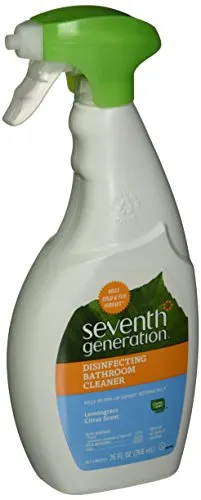
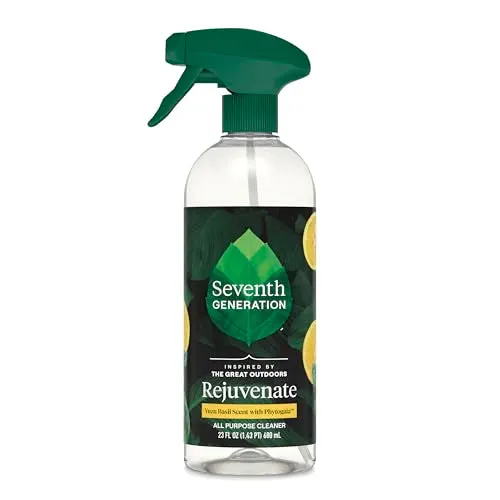
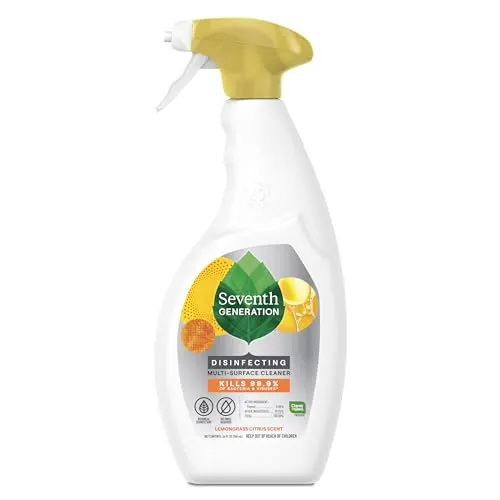
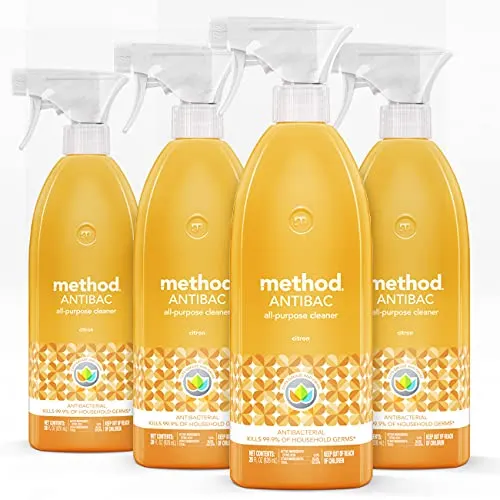
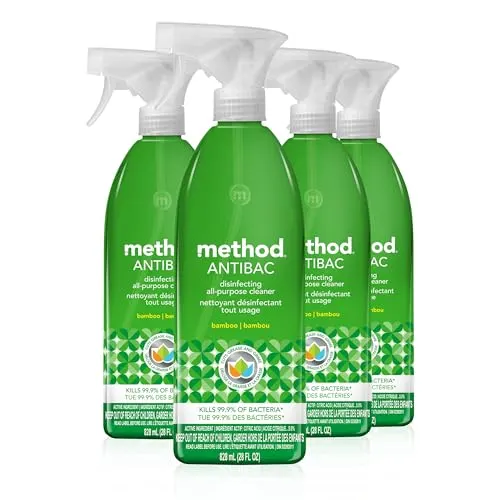
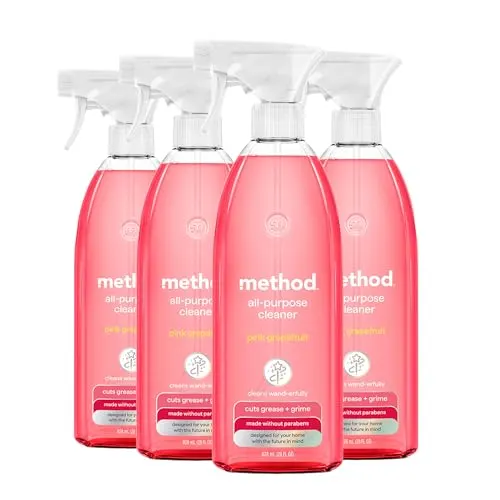
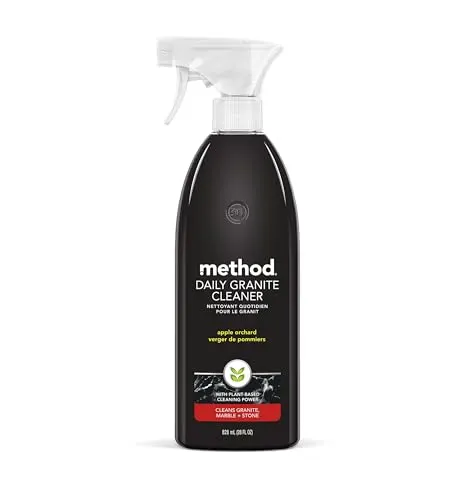
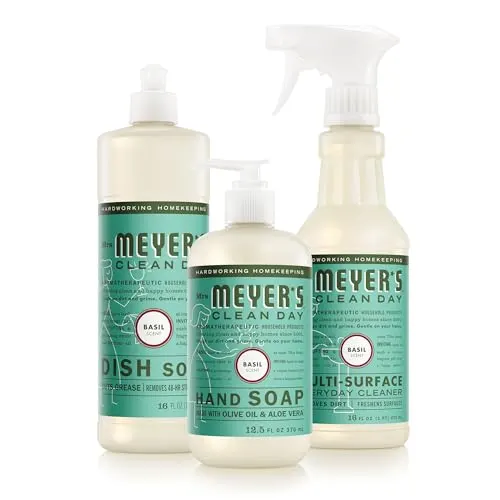
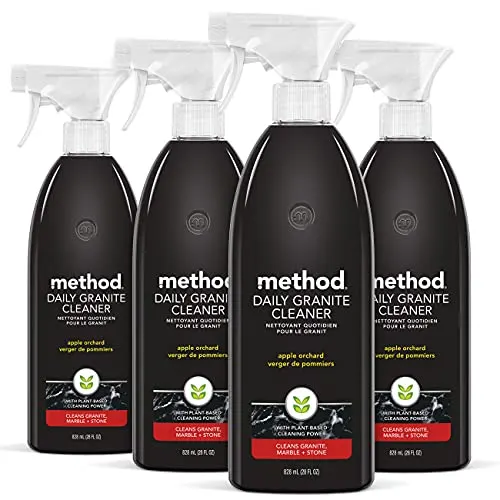
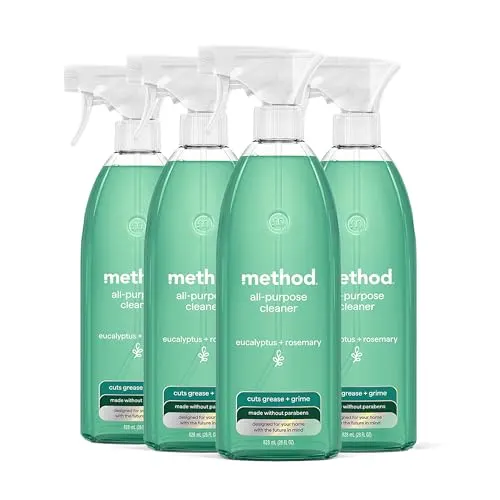
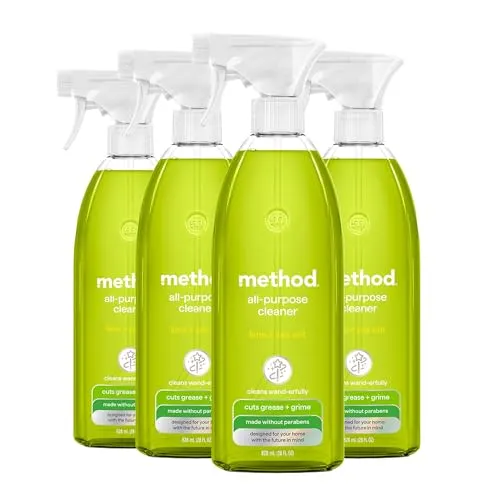
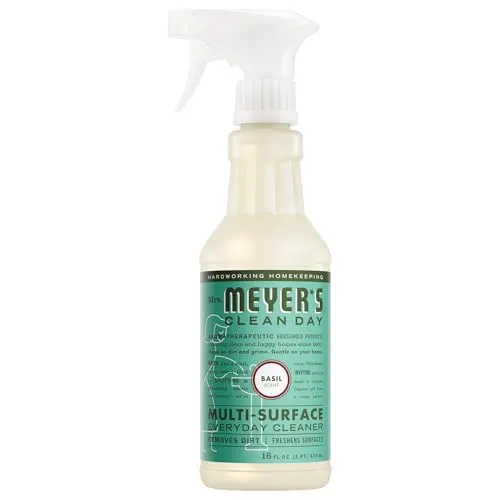
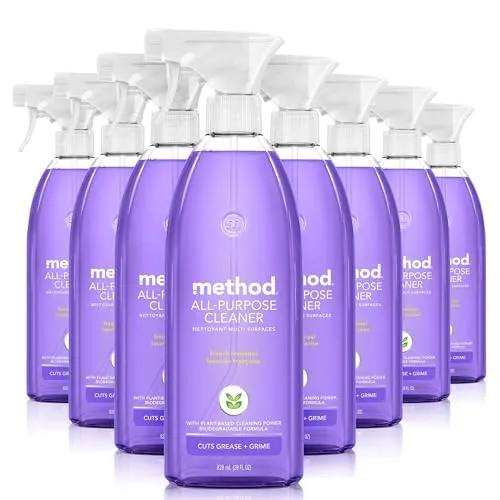
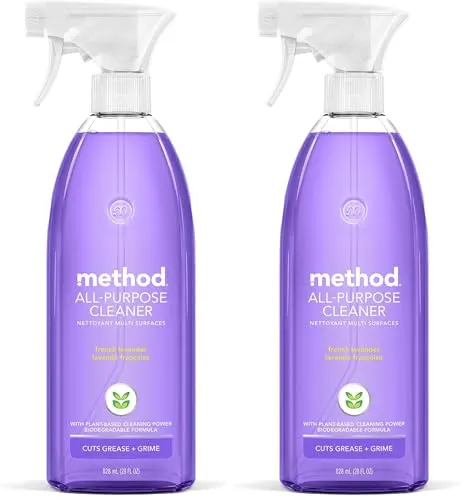
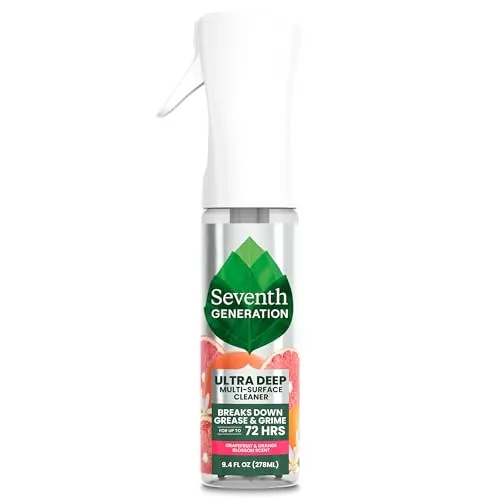
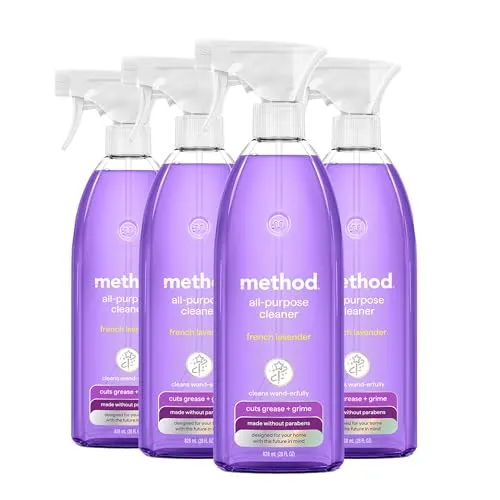
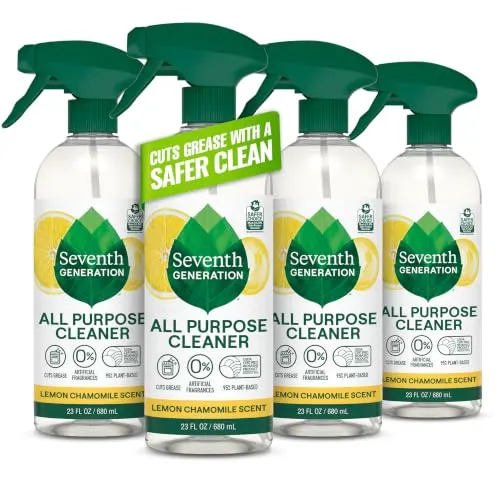
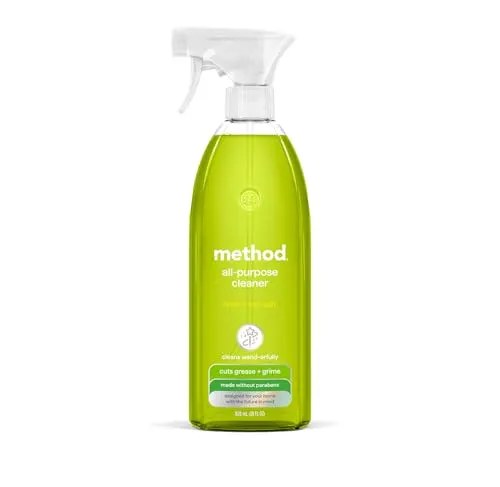
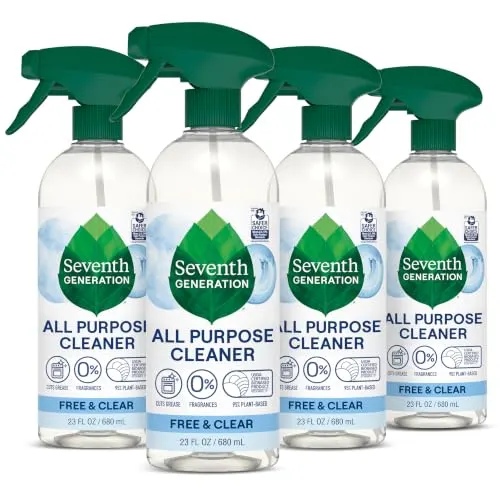
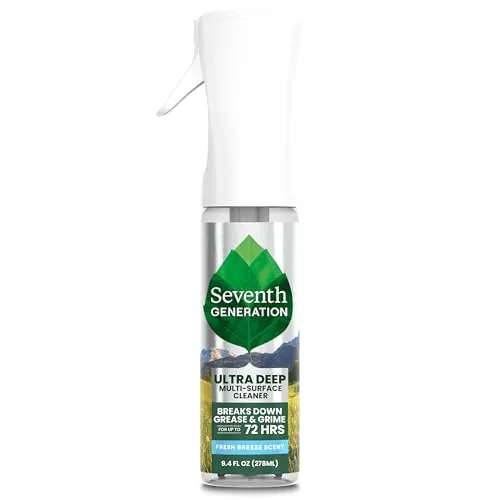
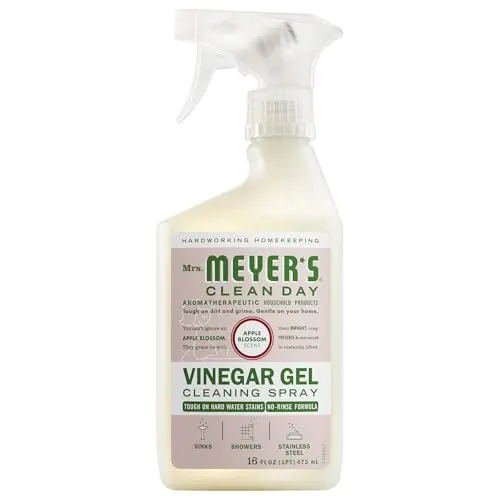
Browse broad brand paths such as Mrs. Meyer’s Cleaning Products, Method Cleaning Products, Seventh Generation Cleaning Products, and Simple Green. These collections include more than sprays, so verify the exact product type before choosing.
Kitchen grease and cooked-on residue
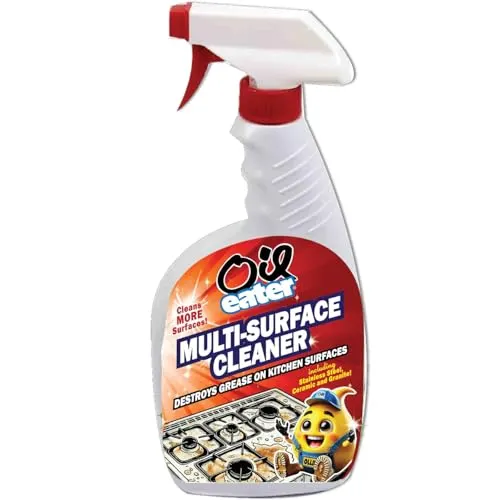
A kitchen cleaner or degreaser may be a better fit for oily film on compatible stovetops, range hoods, backsplashes, and appliance exteriors. Stronger chemistry is not automatically better: some formulas require gloves, ventilation, a short contact period, rinsing, or avoidance of aluminum, natural stone, painted finishes, or self-cleaning oven interiors. Let the label define the permitted surfaces and never combine a degreaser with bleach, ammonia, acids, or another cleaner.
For broader cabinet planning, start with Cleaning Supplies. The supporting guide to cleaning spray formats for different household jobs provides another category-level comparison.
Bathrooms, showers, and soap residue
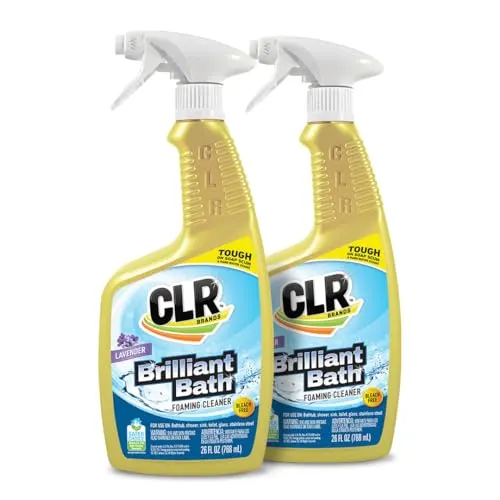
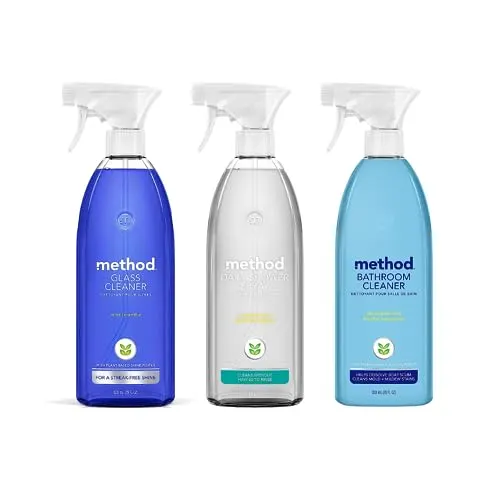
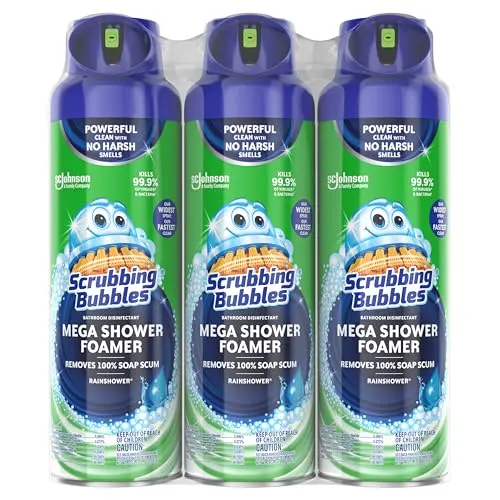
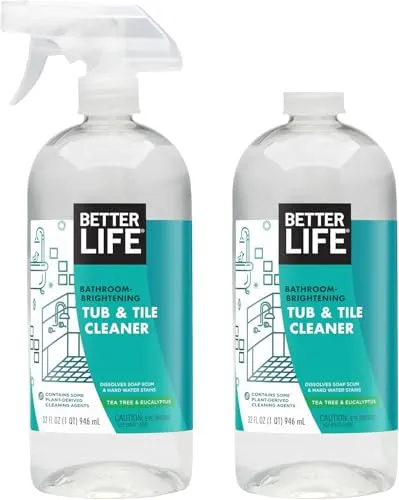
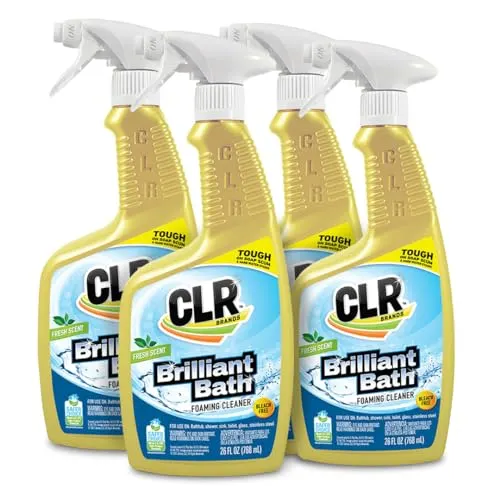
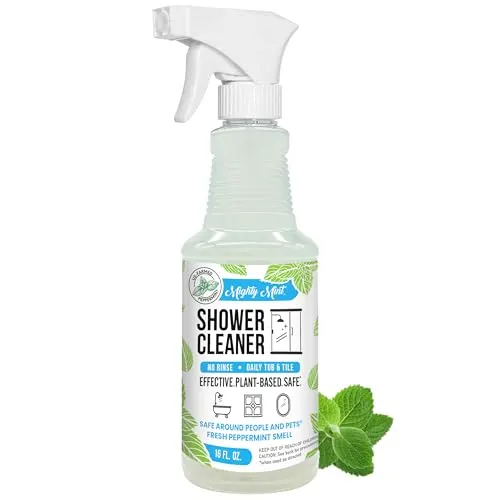
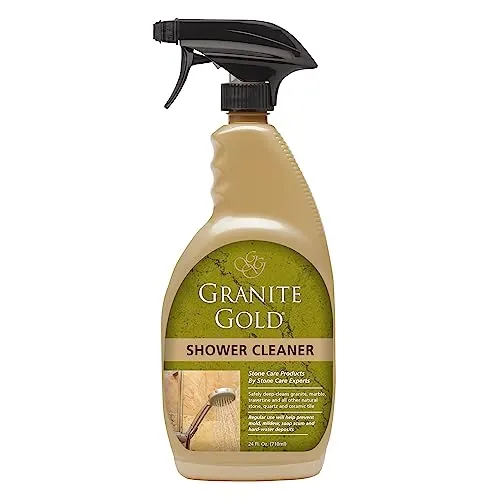
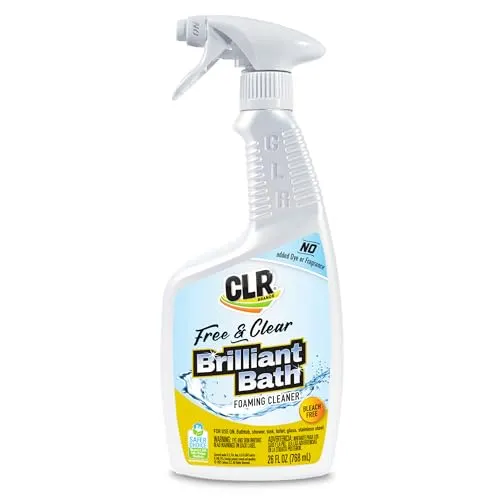
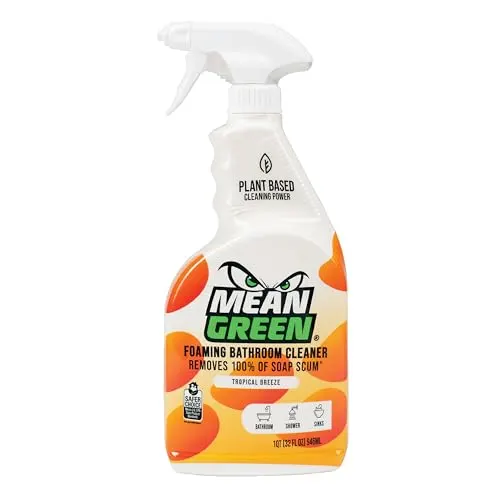
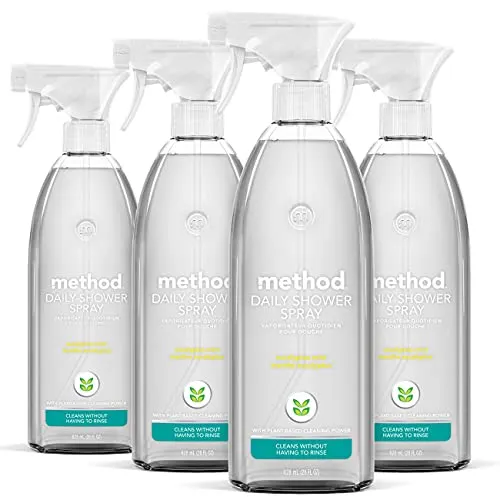
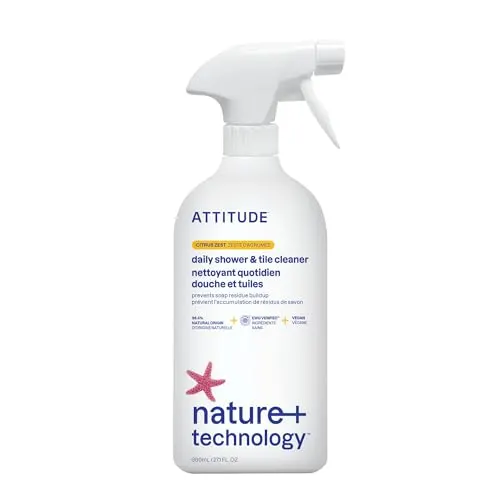
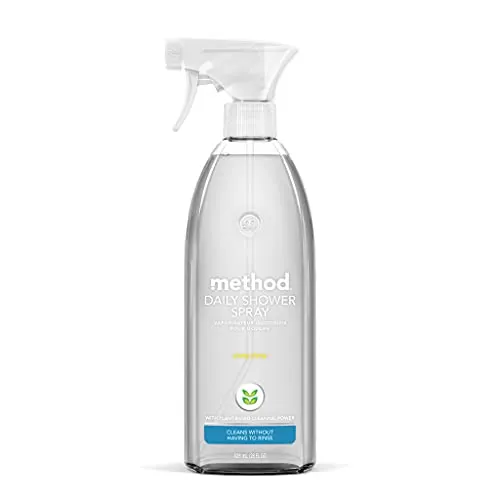
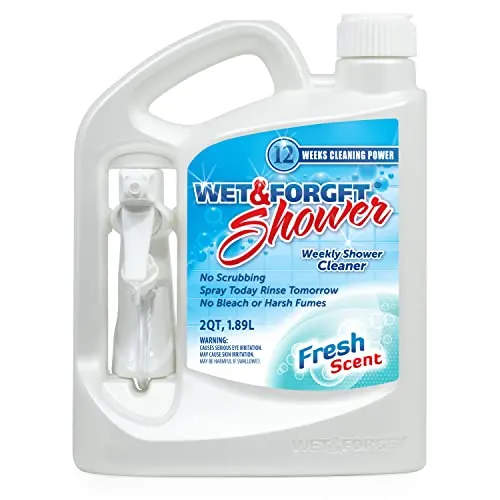
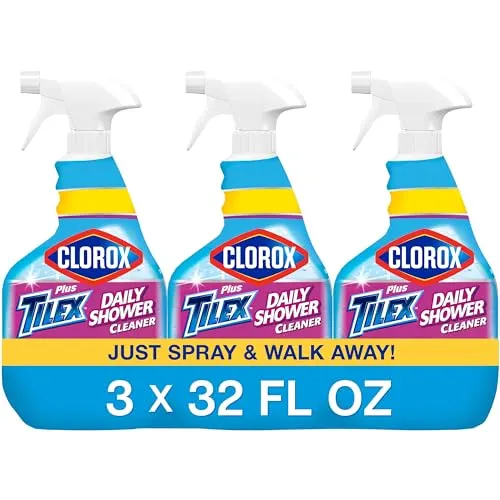
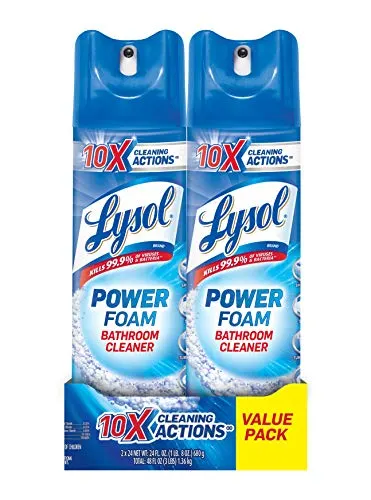
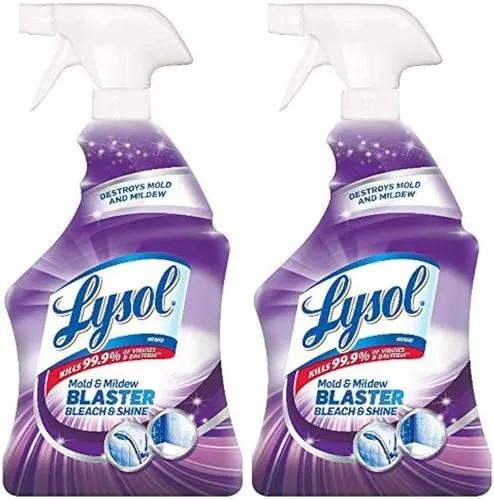
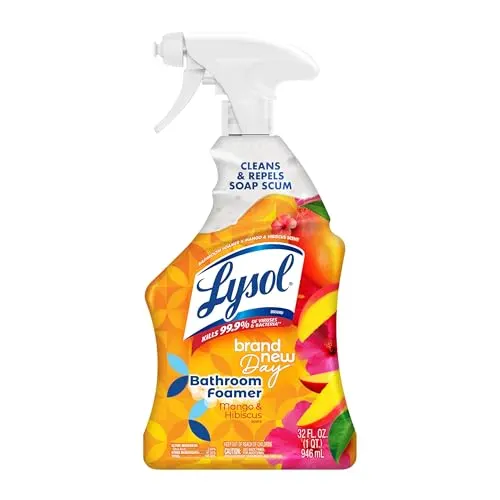
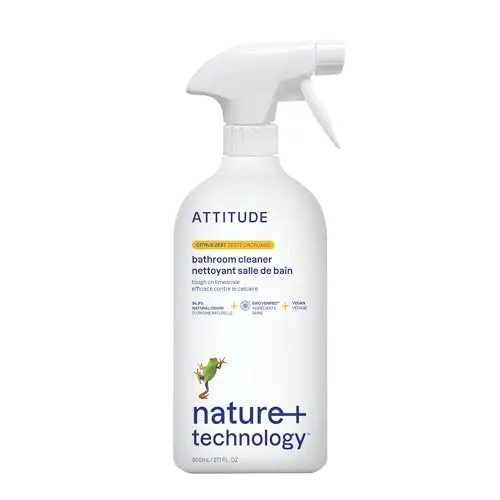
Bathroom sprays may target soap film, body oils, hard-water residue, or general soil, but those are different problems. A daily shower spray is often positioned for maintenance, while a foaming bathroom cleaner may be intended for a more involved cleaning session. Match the product to tile, grout, glass, acrylic, fiberglass, porcelain, metal fixtures, or natural stone only when those materials appear in the current directions.
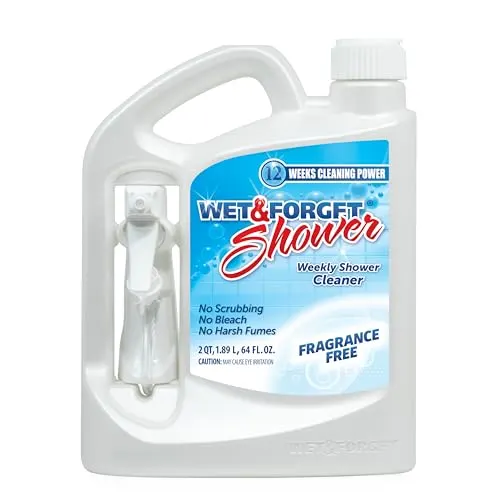
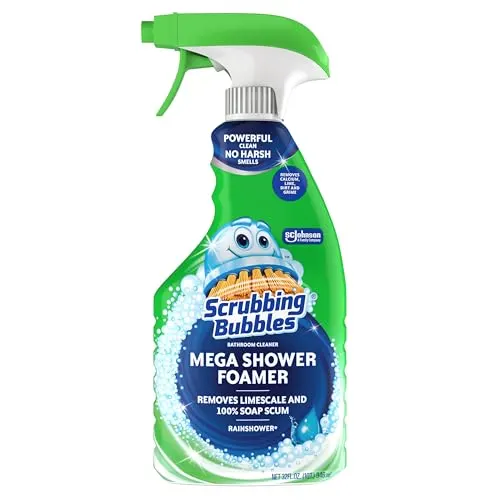
Use Clean Shower Spray and Scrubbing Bubbles as focused catalog paths, then pair the formula with appropriate Bathroom Cleaning Tools. The comparison of bathroom tools versus cleaning sprays explains when dwell time, wiping, or gentle agitation matters more than simply applying additional product.
Glass, mirrors, and polished surfaces
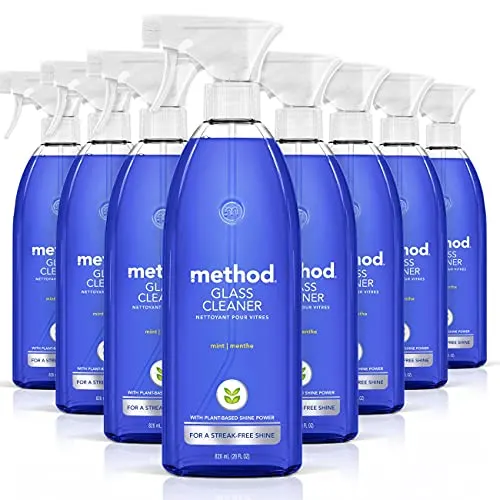
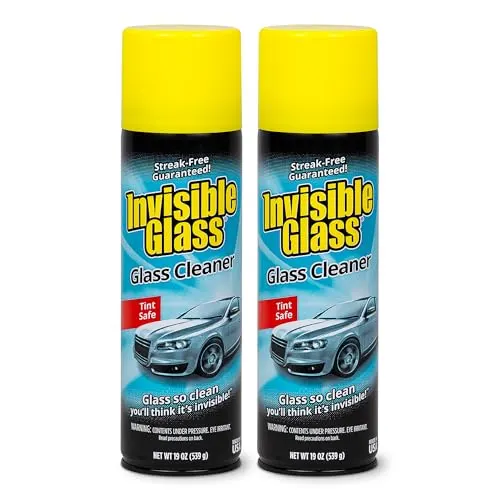
A glass cleaner is designed around transparent surfaces and low-residue wiping, but it may not be suitable for every screen, coated mirror, tinted film, stone surround, or appliance finish. Spray onto a cloth when direct mist could reach frames, electronics, or nearby porous material. Use a clean, low-lint cloth and avoid trying to polish glass with a cloth already holding grease or fabric-softener residue.
Pair the spray with Window Cleaning Tools or a clean Microfiber Cloth. For method selection, compare window tools and cleaning sprays and microfiber cloths and spray cleaners.
Disinfecting when the job calls for it
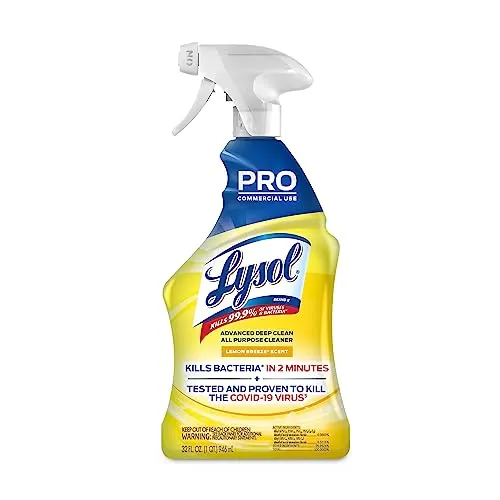
Cleaning removes dirt and many germs from surfaces; disinfecting uses a registered product according to its label to address specified microorganisms. The CDC says regular cleaning is often sufficient in most homes, while disinfection may be appropriate when someone is sick or at higher risk. Clean visible soil first when the label calls for it, keep the surface visibly wet for the full stated contact time, provide ventilation, and never mix products.
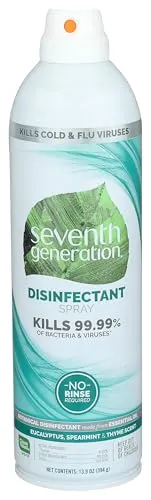
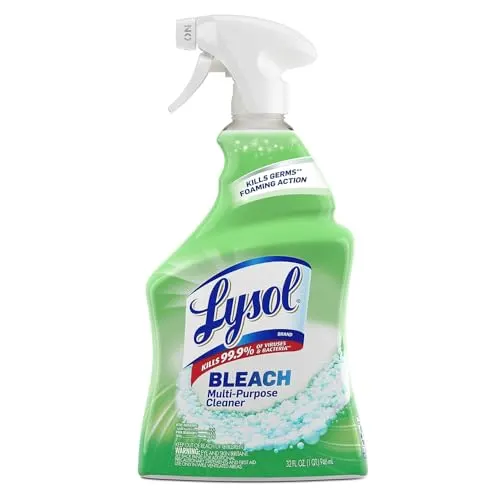
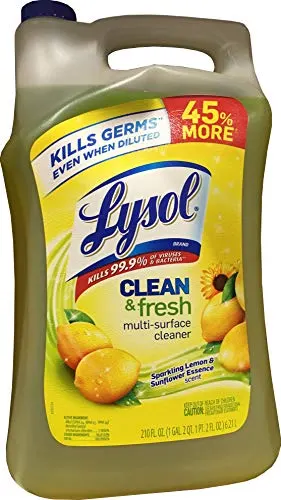
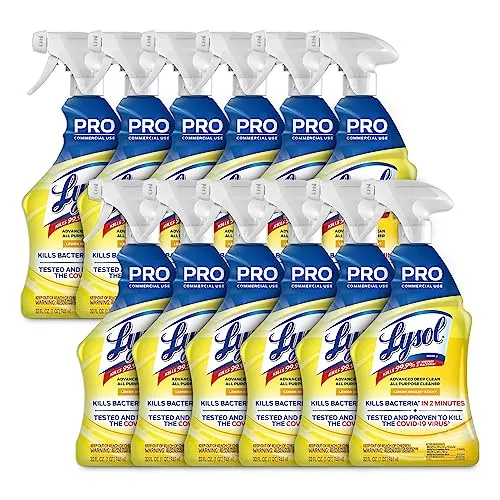
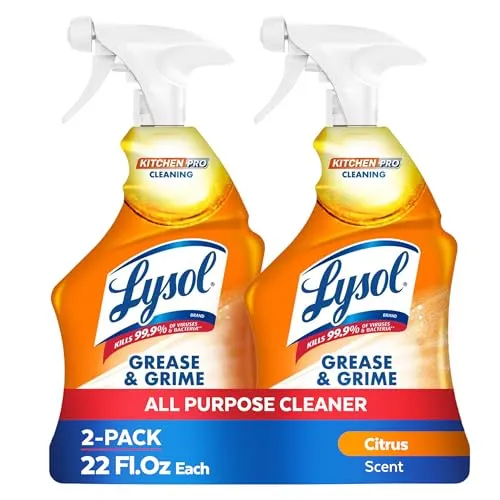
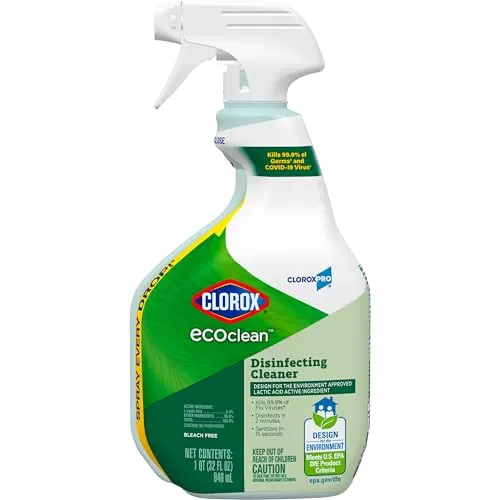
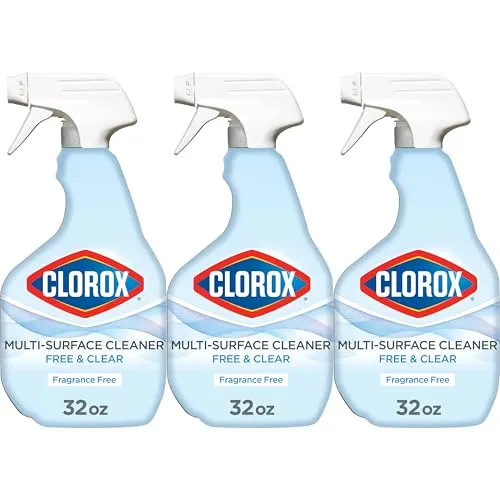
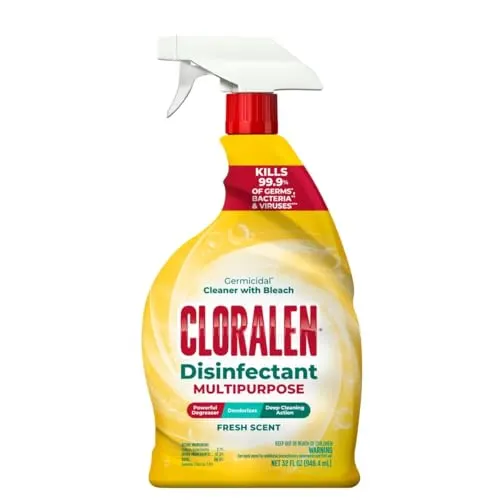
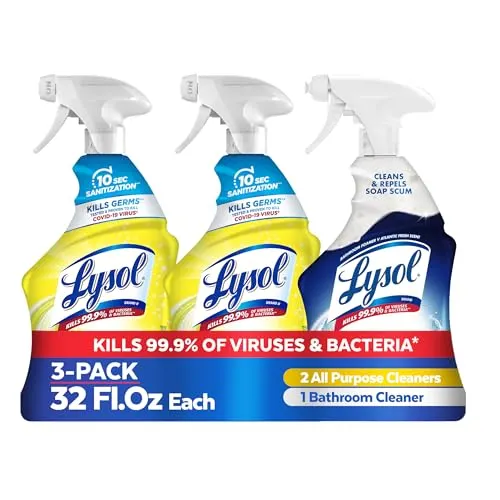
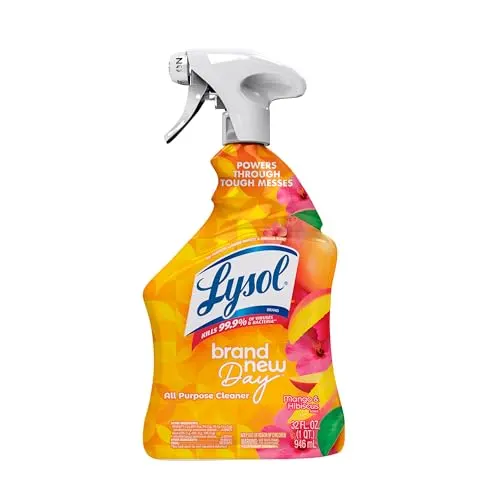
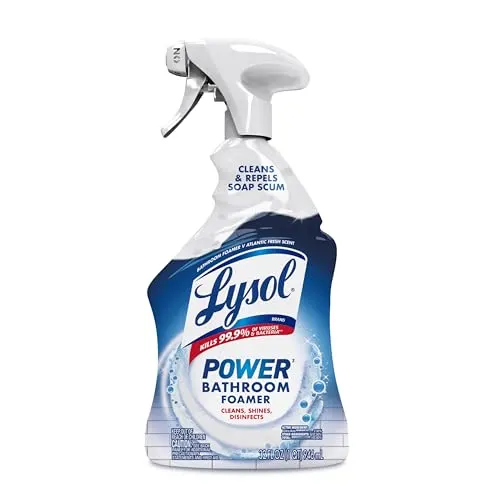
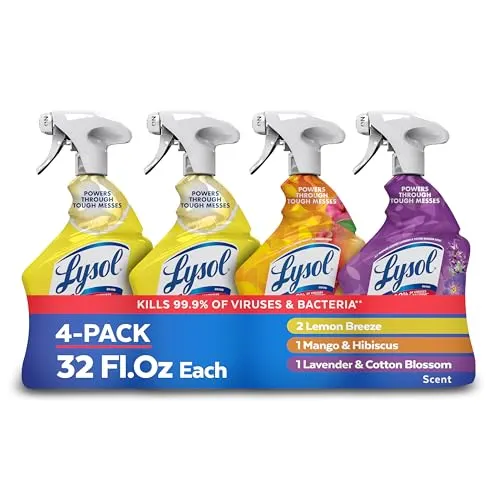
For label-defined disinfectant options, compare Lysol Cleaning Products and Clorox. A brand collection can contain ordinary cleaners, wipes, refills, and other formats alongside registered disinfectants, so the brand name alone does not establish a disinfecting claim. The EPA advises checking the registration number and following the complete Directions for Use for the exact pathogen and surface.
Carpet, upholstery, and fabric spot treatment
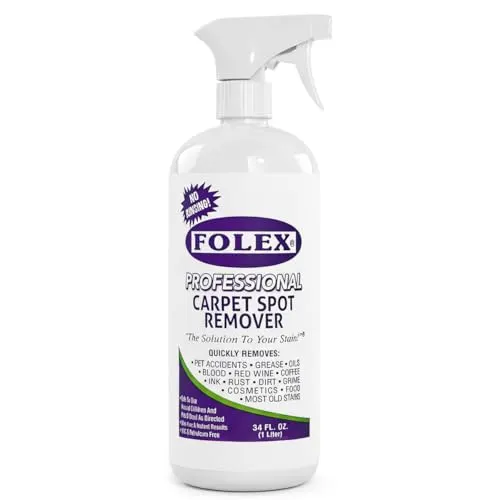
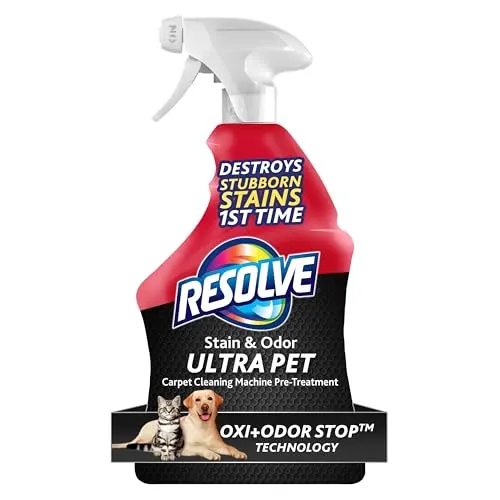
Do not treat a hard-surface spray as a fabric cleaner. Carpet and upholstery products can differ in application, extraction, rinsing, drying, and fiber compatibility. Blot fresh liquid, check the textile or carpet care instructions, test an inconspicuous area, and avoid soaking padding or cushions. For machine-compatible and direct-treatment choices, visit Carpet Cleaning Solutions.
Cars and specialty interiors
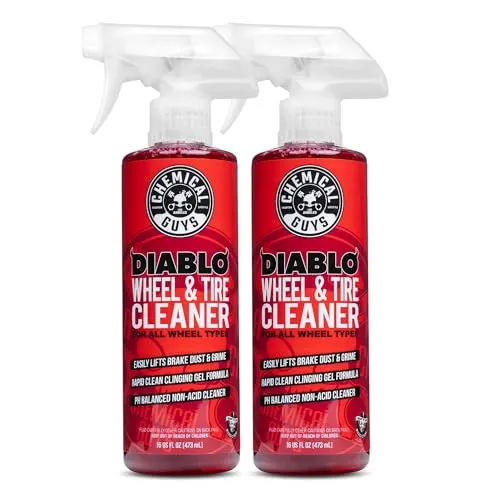
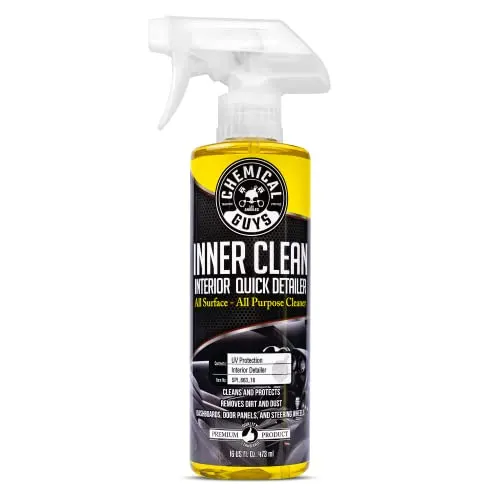
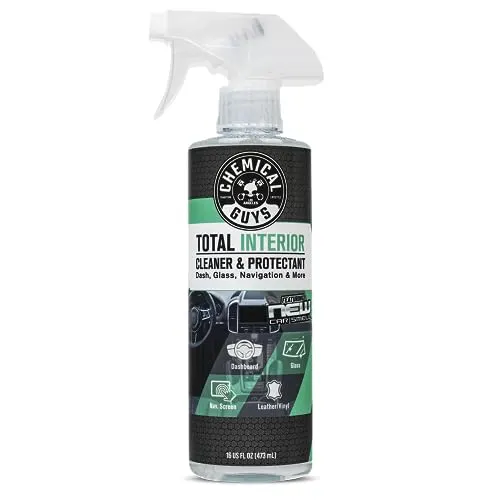
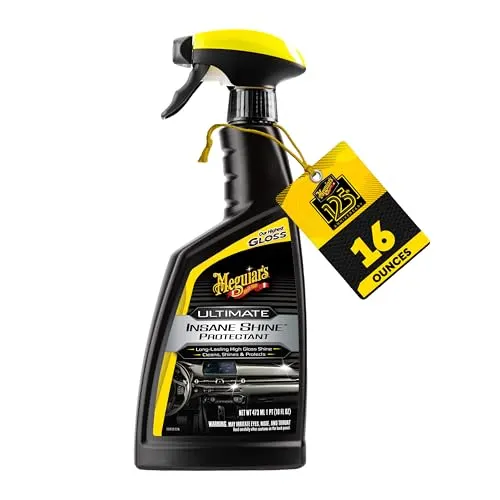
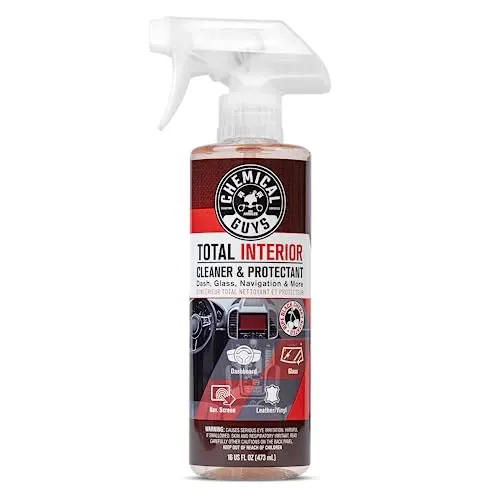
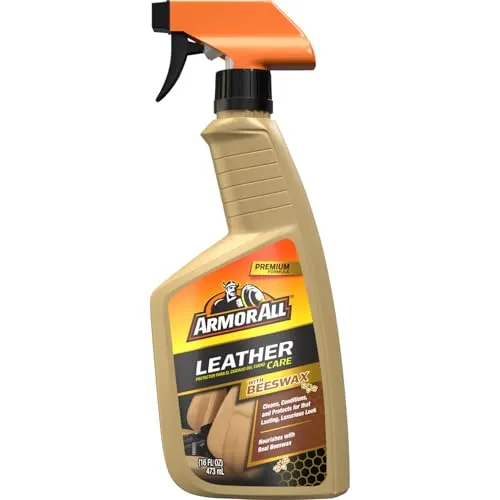
Household glass or all-purpose sprays are not automatically suitable for dashboards, touchscreens, navigation displays, leather, coated plastics, tinted glass, or headliners. Use the vehicle and product instructions together. The Car Cleaning Supplies collection keeps vehicle-focused options separate, while the car supplies versus household sprays guide explains why surface-specific products can matter.
For a product-by-product kitchen decision path, read Best Cleaning Sprays for Kitchen Grease and Everyday Messes, covering everyday sprays, degreasers, stainless-steel care, food-contact directions, and surface checks.
Choose by Surface, Not Just by Room
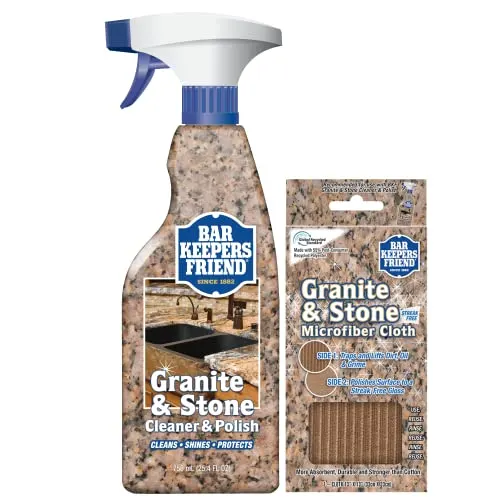
- Natural stone: Marble, limestone, travertine, and some other stone can react to acidic or strongly alkaline formulas. Follow the stone or countertop manufacturer’s instructions.
- Sealed wood and painted finishes: Use only products permitted for the exact finish, apply conservatively, and avoid leaving liquid at seams or edges.
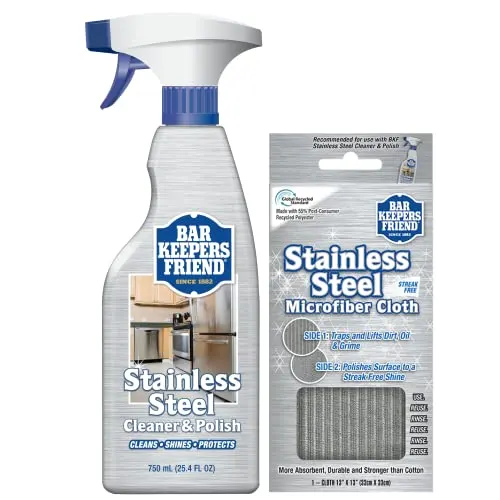
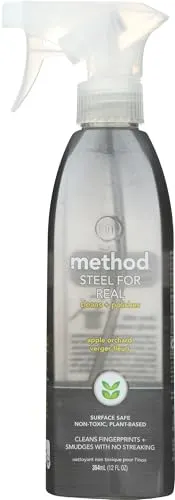
- Stainless steel and appliance exteriors: Check whether the product is approved for the finish, then wipe with the grain where the manufacturer recommends it.
- Electronics and screens: Do not spray directly unless the device instructions explicitly allow it. Power down as directed and use only an approved method.
- Glass and mirrors: Account for tint, film, coatings, frames, and surrounding materials—not only the glass itself.
- Tile and grout: Tile material, grout condition, and sealer affect compatibility. A Scrub Brush may add controlled agitation, but test both brush and formula first.
- Carpet and fabric: Look for explicit textile compatibility and follow extraction, blotting, rinsing, and drying directions.
Everyday, Bathroom, and Specialty Brand Paths
Brand hubs are useful after the job and surface are clear. They make it easier to compare formats and refills within a line without implying that every product from the brand has the same formula or purpose.
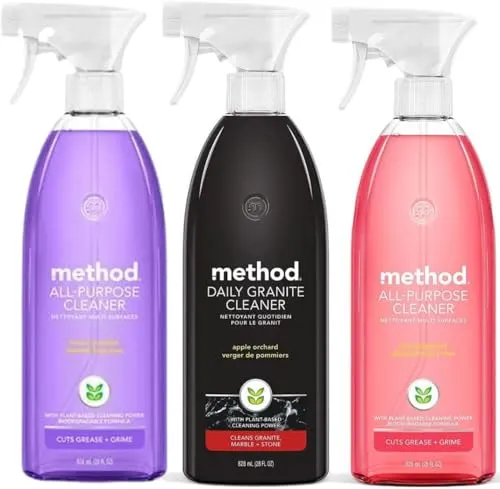
- Everyday and multi-surface: Compare Mrs. Meyer’s, Method, Seventh Generation, and Fabuloso.
- Bathroom and shower: Browse Scrubbing Bubbles and Clean Shower Spray.
- Label-defined disinfecting: Compare relevant products within Lysol and Clorox, then verify the exact label claim.
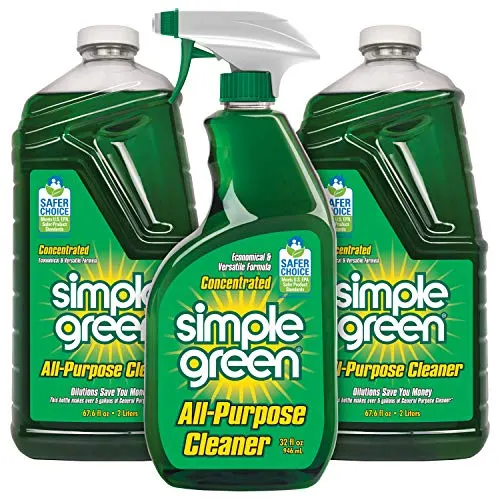
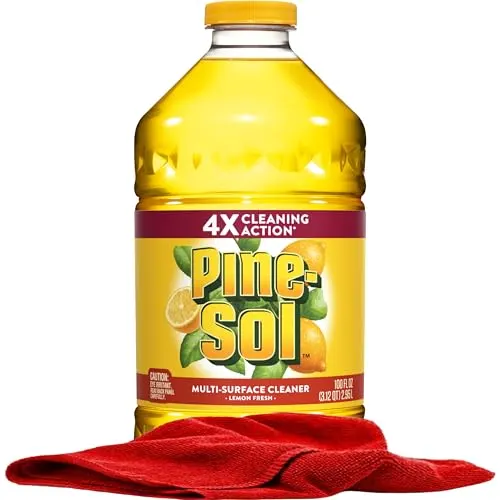
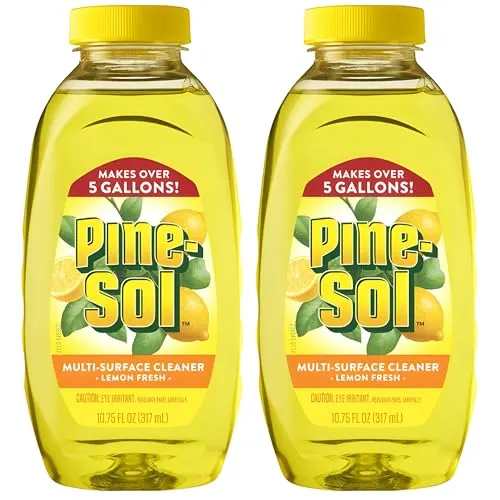
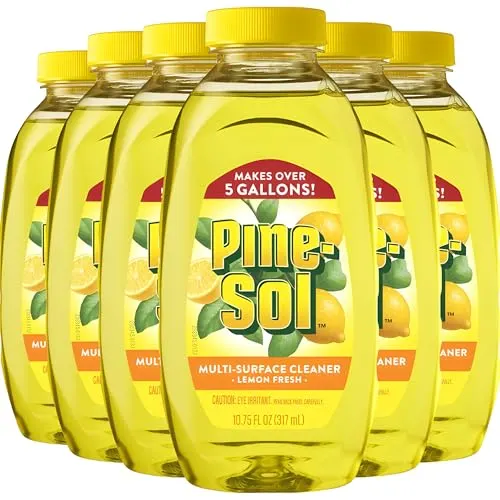
- Degreasing and broader utility cleaning: Explore Simple Green and Pine-Sol, matching the specific formula to the surface.
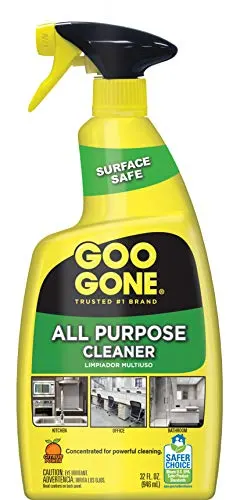
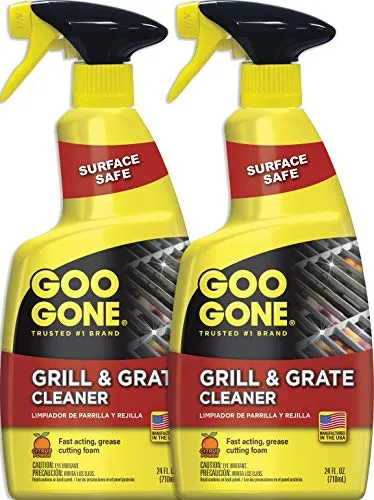
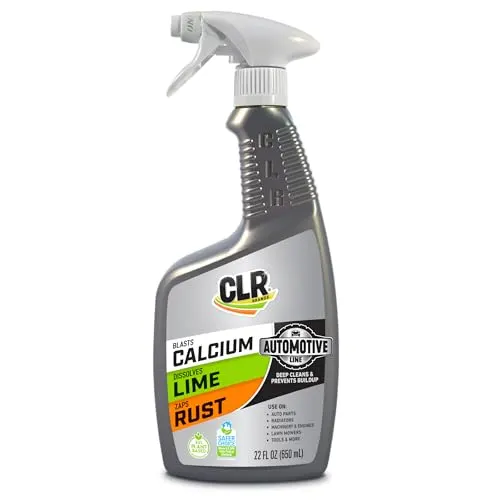
- Adhesive, mineral, or targeted residue: Review Goo Gone, CLR Cleaner, Bar Keepers Friend, and OxiClean. These are specialty paths, not substitutes for one another.
Verified Cleaning Spray Examples on Amazon
The links below were returned for Clean Home Picks by the connected Amazon catalog manager on September 19, 2026. They are representative shopping starting points, not rankings or hands-on test results. Product labels, package quantities, seller details, and availability can change, so confirm the current listing before purchase.
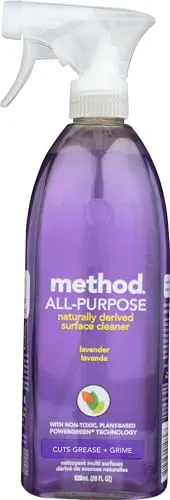
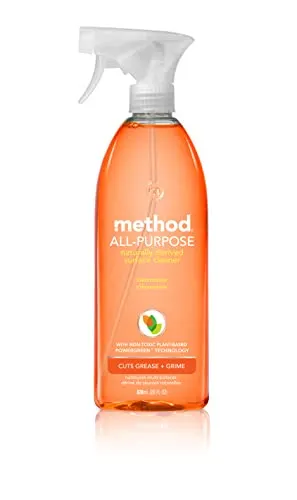
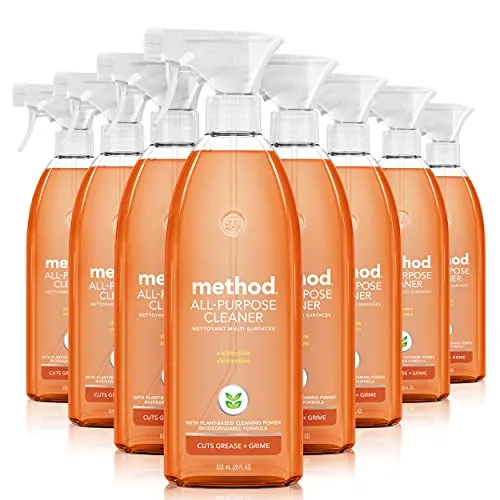
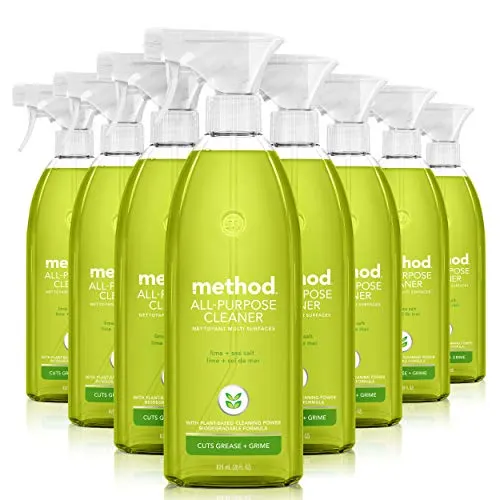
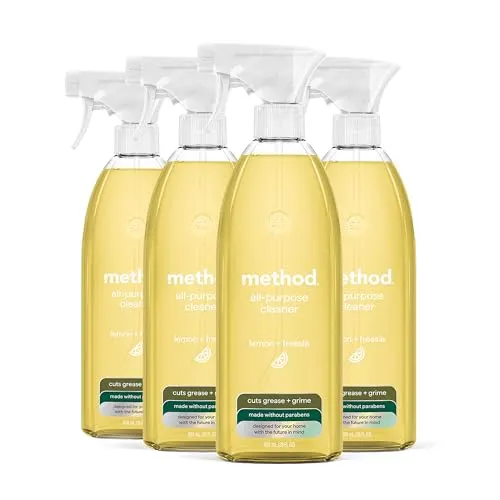
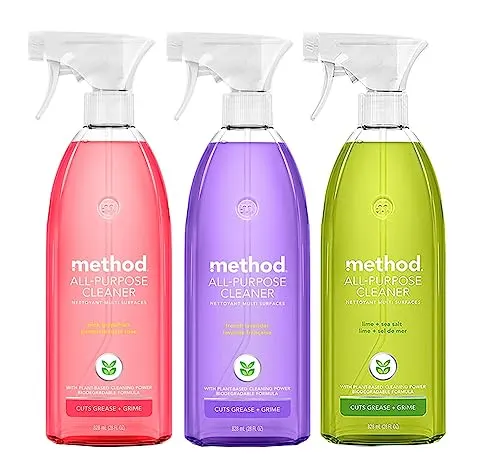
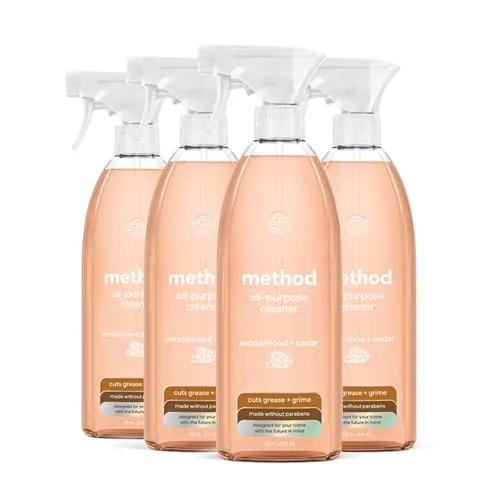
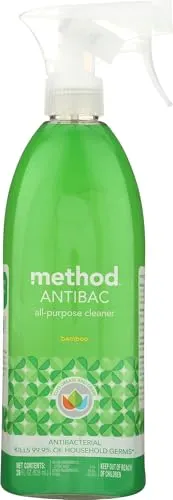
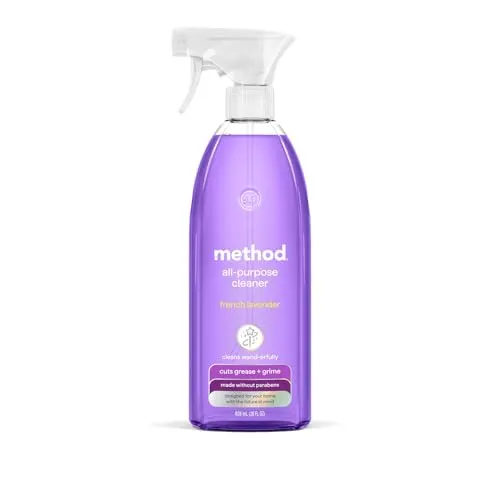
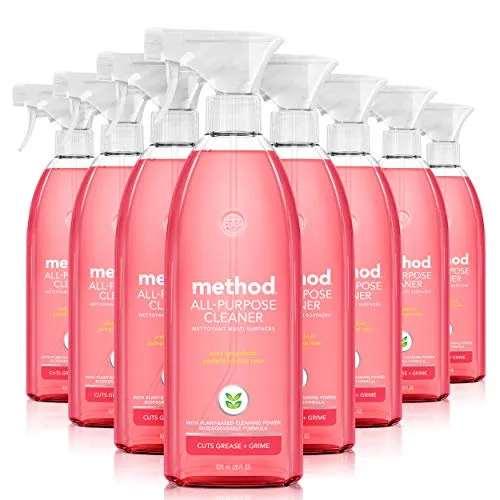
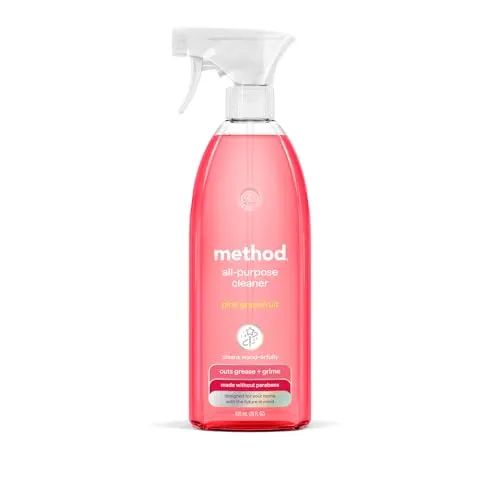
- Everyday multi-surface example: View Method All-Purpose Cleaner Spray on Amazon.
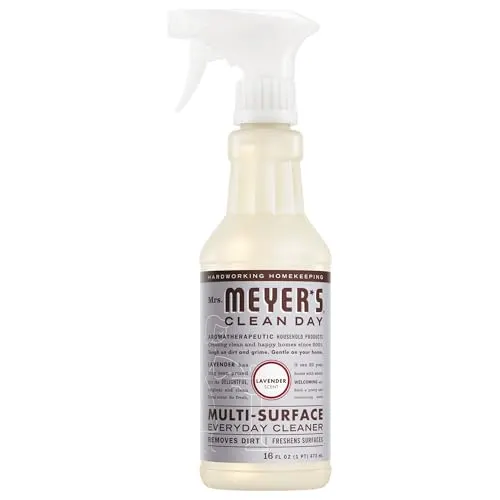
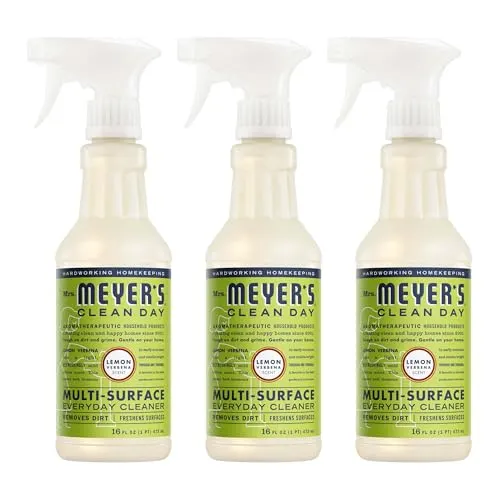
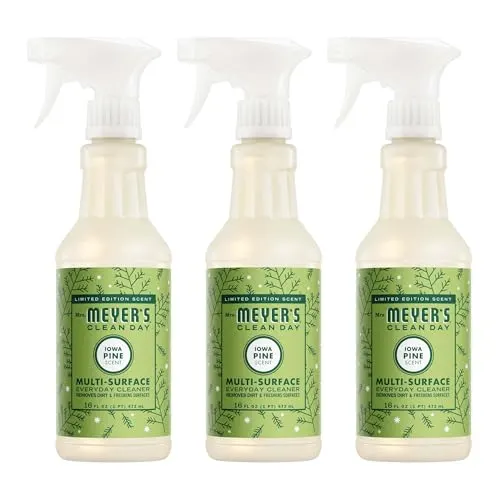
- Compact multi-surface example: View Mrs. Meyer’s Clean Day Multi-Surface Cleaner on Amazon.
- Kitchen degreaser example: View Method Heavy Duty Degreaser on Amazon.
- Bathroom cleaner example: View Scrubbing Bubbles Grime Fighter Bathroom Cleaner on Amazon.
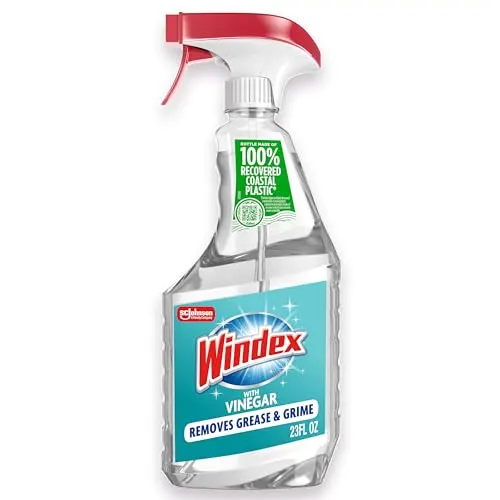
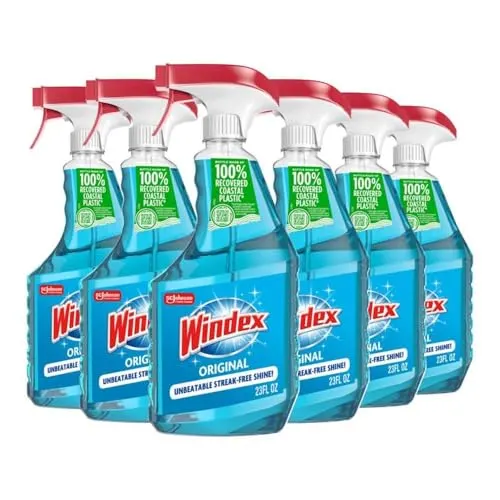
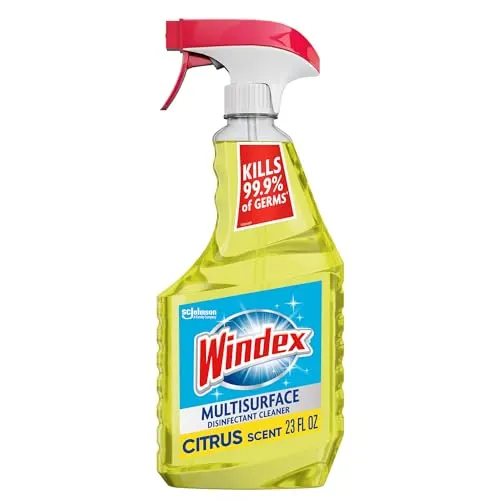
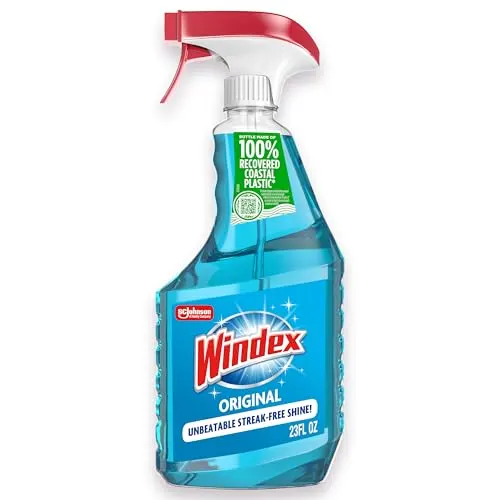
- Glass cleaner example: View Windex Glass and Window Cleaner on Amazon.
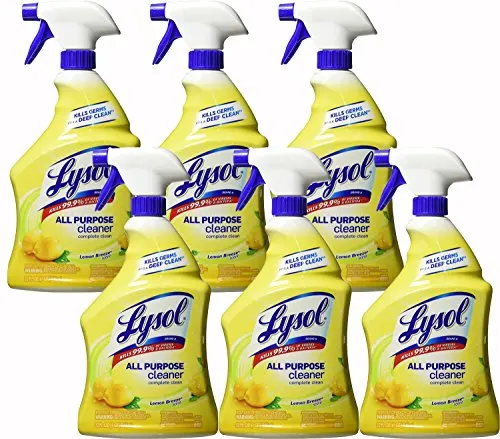
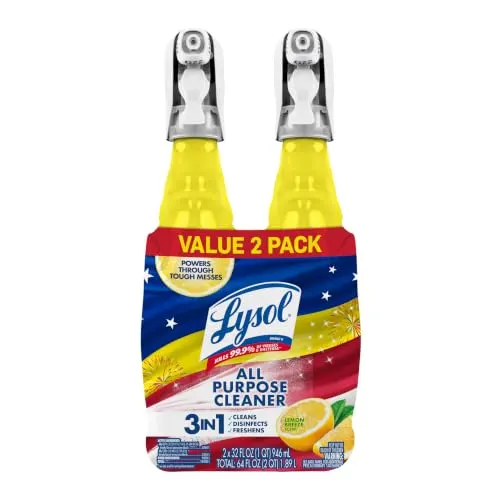
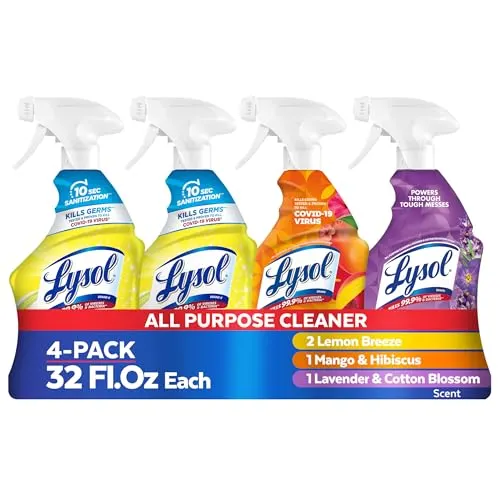
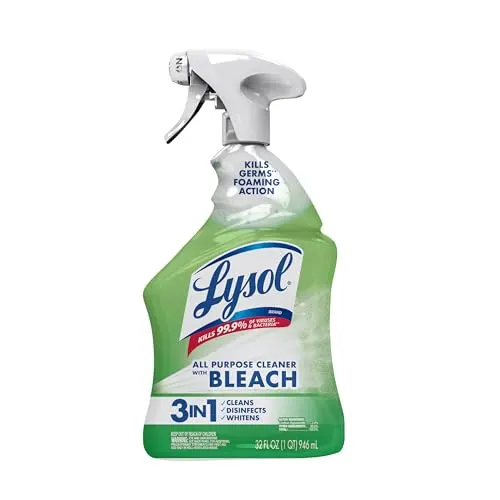
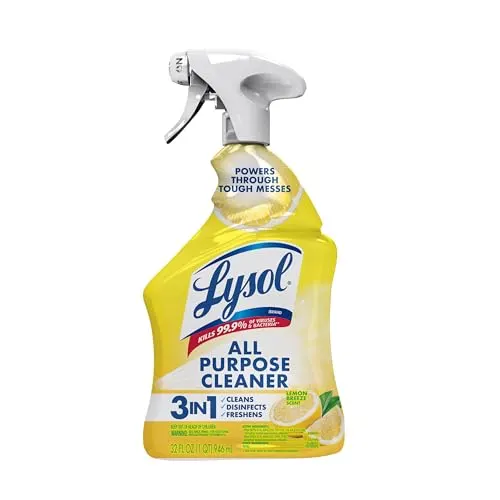
- Label-directed disinfecting example: View Lysol All Purpose Cleaner Spray on Amazon.
A Safer, More Efficient Spray Routine
- Identify the surface and soil. Check the material, finish, and care instructions before selecting a product.
- Read the current label. Review permitted surfaces, dilution, protective equipment, ventilation, contact time, rinsing, and storage.
- Remove loose debris. Dust, vacuum, or wipe away crumbs first so the liquid cleaner can reach the surface.
- Test discreetly. A small hidden area can reveal discoloration, residue, or finish changes before a broader application.
- Apply only what is needed. More spray can create extra residue, overspray, and drying time. Apply to a cloth when mist could reach electronics or adjacent materials.
- Allow the stated time. Cleaning, degreasing, and disinfecting labels can specify different contact or dwell periods. Do not improvise one.
- Wipe, rinse, or extract as directed. Use a clean cloth face and change it when it begins redistributing soil.
- Dry and store safely. Let the area dry as directed, close the container, and store it away from children, pets, heat, and food.
The CDC’s current household cleaning guidance emphasizes cleaning before disinfecting when needed, label directions, ventilation, and never mixing products. The EPA’s registered disinfectant guidance explains how to verify an EPA registration number and pathogen claim. For shoppers comparing ingredient-review programs, the EPA Safer Choice label is a voluntary standard; it should not be treated as a universal “non-toxic” or surface-safe guarantee.
For a clear decision between routine cleaning and label-directed disinfection, read Disinfecting Spray vs All-Purpose Cleaner. It explains EPA registration, surface compatibility, pre-cleaning, contact time, and food-contact rinse directions.
Cleaning Spray FAQ
What is the difference between an all-purpose cleaner and a disinfecting spray?
An all-purpose cleaner is primarily selected for removing everyday soil from listed surfaces. A disinfectant carries specific EPA-registered claims and must be used exactly according to the label, including any precleaning and wet contact time. Some products can perform both roles, but only their current label establishes that.
Can one spray be used throughout the whole house?
Usually not without exceptions. A general cleaner may cover several sealed surfaces, but glass, natural stone, electronics, fabrics, unfinished wood, food-contact areas, and vehicle materials can require different products or steps. Check every surface rather than relying on “multi-surface” language alone.
Should cleaner be sprayed directly onto the surface or onto a cloth?
Follow the product and surface instructions. Applying to a cloth can help control overspray near electronics, frames, seams, vents, and porous edges, while some labels direct application to the surface for a stated dwell or contact period.
Do cleaning sprays need to be rinsed?
Some do and some do not. The answer can depend on the formula, surface, soil, and whether the area contacts food. Read the label for rinsing and wiping directions instead of assuming “rinse-free” behavior.
Can cleaning products be mixed to make them stronger?
No. Mixing cleaners can create hazardous reactions or unpredictable residues. Use one product at a time according to its directions, and rinse or otherwise prepare the surface between products only when the label instructs you to do so.
Are scented or plant-based sprays automatically safer?
No. Fragrance preference and ingredient source do not replace label warnings, ventilation, storage, or surface testing. People with sensitivities should review the ingredient and safety information for the exact product and choose accordingly.
What cloth works best with a cleaning spray?
A clean, compatible microfiber or low-lint cloth suits many routine jobs, but delicate finishes may specify another material. Fold the cloth into several faces, switch to a clean section as it becomes soiled, and launder reusable cloths according to their care instructions.
Final Cleaning Spray Checklist
- Name the surface and the soil before choosing a formula.
- Distinguish routine cleaning from label-defined disinfecting.
- Check stone, wood, paint, tint, coatings, electronics, and fabrics separately.
- Review ventilation, contact time, rinsing, and protective-equipment directions.
- Never mix cleaners or transfer them into an unlabeled container.
- Pair the spray with a clean, surface-appropriate cloth or tool.
- Confirm current product, package, seller, and label information before buying.
Use the product catalog above to compare current spray formats, then move into the brand, room, or specialty collection that matches the actual job. For a broader setup, return to Cleaning Supplies or Home Cleaning Tools.
Browse the Complete Cleaning Spray Catalog
Compare additional sprays for counters, bathrooms, showers, glass, carpet spots, kitchens, disinfecting jobs, and everyday cleanup.
Shop Cleaning Sprays on Amazon