Dustpan vs Microfiber Cloth: Which Cleans Better for You?
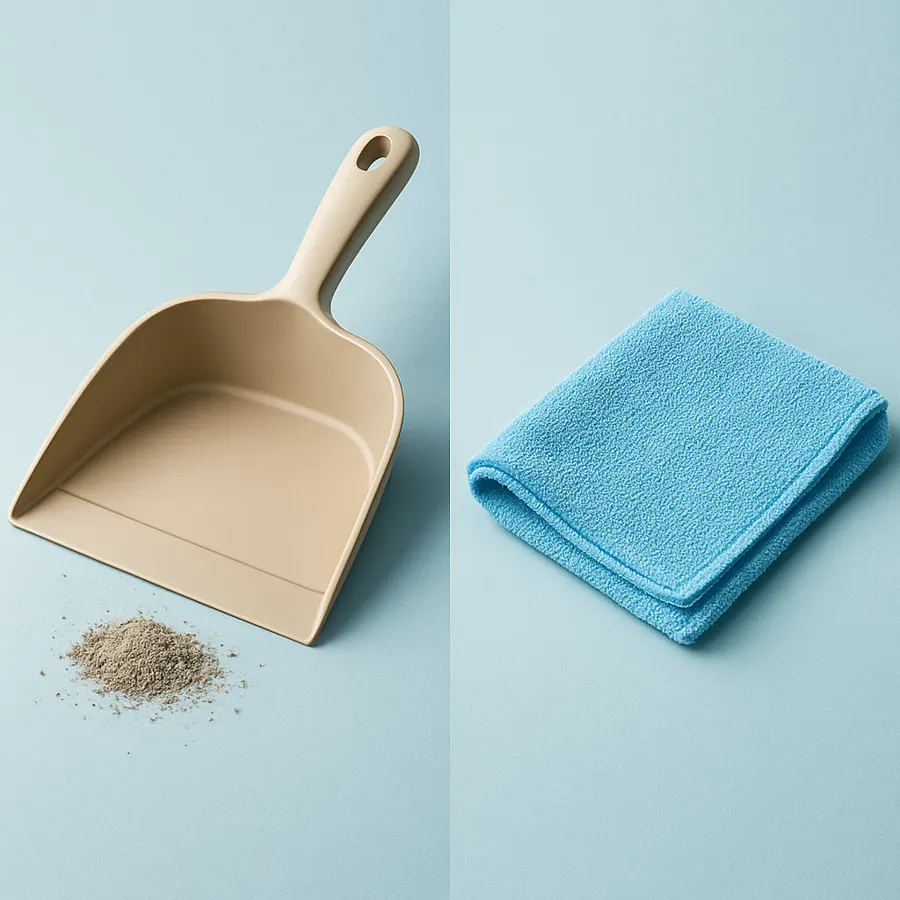
Comparing Cleaning Essentials: Dustpan vs. Microfiber Cloth — Which Reigns Supreme for a Spotless Home?
A clean home is more than just visually appealing—it sets the tone for comfort, relaxation, and health. In modern households, the debate over the best cleaning tools continues to evolve as new products enter the market, each promising to make cleaning faster, easier, and more effective. Among the most utilized items in the cleaning arsenal are the Dustpan and the Microfiber Cloth. Both serve unique purposes, but when faced with the choice between them, which one truly emerges as the champion of cleanliness?
In this comprehensive comparison, we’ll analyze both tools in detail, contrasting their strengths, weaknesses, and ideal uses. Whether you’re a meticulous homemaker, a professional cleaner, or someone just seeking easier and more efficient ways to keep your living space tidy, this guide will help you make an informed decision for your cleaning needs.
Table of Contents
- The Dustpan: Essential Functionality
- The Microfiber Cloth: Modern Cleaning Redefined
- Dustpan vs. Microfiber Cloth: Key Differences
- Deep Dive: What Makes a Great Dustpan?
- Deep Dive: What Makes a Superior Microfiber Cloth?
- Practical Applications: Where Each Tool Excels
- Environmental Impact and Sustainability
- Maintenance, Durability, and Longevity
- User Experience and Ergonomics
- Cost Effectiveness Over the Long Term
- Which Should You Choose?
- Tips for Effective Cleaning with Dustpans and Microfiber Cloths
- Summary Comparative Table
- Conclusion
The Dustpan: Essential Functionality
The Dustpan is one of the oldest and most basic cleaning tools known to homemakers worldwide. Designed for collecting debris and dust swept from surfaces, it typically consists of a flat, shallow pan with a slightly raised edge, used in tandem with a broom or hand brush. The principle function of a dustpan is mechanical: to gather solid particles like crumbs, pet hair, dirt, and other detritus for easy disposal.
Design and Variations
- Traditional Dustpans: Classic hand-held models made from metal, plastic, or even wood.
- Long-Handled Dustpans: Ideal for those wishing to avoid bending, commonly used in commercial settings.
- Integrated Brush Sets: Kits that combine a small broom or brush clipped to the dustpan handle.
Primary Uses
- Sweeping up dry debris from hard surfaces
- Cleaning up after sweeping entryways, kitchens, hallways, and more
- Collecting broken glass, crumbs, and other solid messes
Despite its simplicity, the dustpan remains a crucial player in the realm of cleaning, especially for surfaces where solid debris accumulates.
The Microfiber Cloth: Modern Cleaning Redefined
The Microfiber Cloth represents a leap in cleaning technology. Made from ultra-fine synthetic fibers—typically a blend of polyester and polyamide—microfiber cloths boast exceptional ability to trap dust, dirt, and liquids, often without the need for additional cleaning chemicals. The texture, absorption, and versatility of microfiber have revolutionized household and commercial cleaning alike.
How Microfiber Works
- Electrostatic Attraction: The split fibers create a static charge, drawing in dust and particles.
- Superior Absorption: Capable of soaking up to seven times their weight in water.
- Gentle on Surfaces: Perfect for delicate items, electronics, or mirrored finishes where scratches are a concern.
Common Applications
- Dusting and polishing furniture
- Cleaning glass, mirrors, and screens
- Wiping counters, appliances, and tiles
- Absorbing liquid spills
- Automotive detailing and maintenance
With their ability to handle both wet and dry cleaning tasks, microfiber cloths are increasingly seen as the go-to solution for spotless surfaces and eco-friendly maintenance.
Dustpan vs. Microfiber Cloth: Key Differences
While both the Dustpan and Microfiber Cloth are essential cleaning tools, their applications and advantages differ significantly. Let’s break down the primary contrasts.
1. Nature of Mess
- Dustpan: Best for solid, larger debris such as crumbs, pebbles, pet hair, and broken objects.
- Microfiber Cloth: Excels with fine particles, dust, smudges, spills, and liquid messes.
2. Surface Compatibility
- Dustpan: Most effective on hard, smooth surfaces—tile, hardwood, laminate, vinyl, etc.
- Microfiber Cloth: Safe for nearly all surfaces, including glass, electronics, fabric, automobiles, and even delicate decor.
3. Cleaning Methodology
- Dustpan: Relies on collecting swept materials; doesn’t address sticky residues or stains.
- Microfiber Cloth: Traps dust and absorbs liquids, often removing bacteria and residues without chemicals.
4. Chemical Usage
- Dustpan: No direct interaction with cleaning chemicals.
- Microfiber Cloth: Often effective with water alone, reducing the need for harsh cleaners.
5. Reusability
- Dustpan: Long-lasting, requires basic rinsing or wiping.
- Microfiber Cloth: Highly reusable; can be washed hundreds of times with proper care.
Deep Dive: What Makes a Great Dustpan?
All dustpans share the same fundamental design, but performance can vary based on features and materials used.
Important Features
- Material Quality: Durable plastic is lightweight and rust-proof; metal offers sturdiness but may scratch delicate surfaces.
- Ergonomics: Comfortable handles, angled edges, and easy grip enhance user experience.
- Edge Design: A thin, flexible lip ensures contact with the floor, preventing dust from slipping underneath.
- Size: Choose a compact pan for quick jobs or a larger design for bigger messes and outdoor cleaning.
- Mounting and Storage: Hanging loops or the ability to attach to broom handles optimizes storage in tight spaces.
Innovations and Accessories
Some dustpans now include rubber edges, built-in cleaning combs for broom bristles, or even foot pedals for hands-free operation—expanding their practicality for busy households and businesses.
Deep Dive: What Makes a Superior Microfiber Cloth?
Not all microfiber cloths are created equal. The results you achieve may depend on several key factors.
Determining Quality
- Fiber Density (GSM): A higher grams-per-square-meter (GSM) count translates to better absorption and cleaning power.
- Weave Type: Plush, dual-sided weaves excel for dusting and polishing; tight, flat weaves are best for glass and windows.
- Size and Thickness: Thicker, larger cloths are more versatile, but smaller sizes can be more convenient for small jobs or detailed cleaning.
- Edge Finish: Sewn or silky edges reduce unraveling and surface scratches.
- Color Coding: Using different colored cloths for different tasks helps prevent cross-contamination (e.g., blue for windows, yellow for kitchen).
Microfiber Care Tips
- Wash with mild detergent (avoid fabric softener, which destroys absorbency)
- Launder separately from lint-producing fabrics
- Air dry or tumble on low heat
- Store dry and clean to prevent mildew or odors
Proper maintenance ensures your microfiber cloth delivers peak performance for hundreds of uses, promoting sustainability and savings over time.
Practical Applications: Where Each Tool Excels
When to Use a Dustpan
- Sweeping floors, patios, garages, and workshops
- Collecting pet food, sawdust, or garden debris
- Safely gathering broken glass or ceramics before thorough wiping
- Avoiding contact with potentially hazardous solids
When to Use a Microfiber Cloth
- Dusting electronics, furniture, and picture frames
- Cleansing sinks, mirrors, faucets, and tiles
- Handling spills in the kitchen, bathroom, or car interior
- Polishing windows, stainless steel, and chrome
- Wiping children’s toys or pet accessories
The Power of Pairing
In many cleaning routines, using both together yields optimal results. For example: sweep up crumbs and solid waste with your dustpan first, then finish the job by wiping the surface with a damp microfiber cloth to eliminate sticky residues and fine dust.
Environmental Impact and Sustainability
Conscious consumers are increasingly seeking eco-friendly cleaning solutions, making sustainability a crucial factor in tool selection.
Dustpan
- Typically long-lasting, especially metal or sturdy plastic models
- Doesn’t require frequent replacement
- Minimal landfill waste if maintained and used properly
- Some models are recyclable or made from recycled materials
Microfiber Cloth
- Highly reusable, minimizing disposable waste associated with paper towels
- Can replace dozens of conventional cloths, sponges, and wipes
- Reduces need for chemical cleaners—often effective with water only
- May shed microplastics over time (opt for high-quality, tightly-woven varieties and launder responsibly)
Both tools align with responsible cleaning habits. Prioritize durability, responsible disposal, and minimal water or chemical usage for a cleaning routine that supports a greener planet.
Maintenance, Durability, and Longevity
Dustpan Maintenance
- Regularly rinse after use—particularly if exposed to moist debris or sticky substances
- Dry thoroughly to prevent mildew (useful for those stored outdoors or in humid climates)
- Check for cracks, especially along the lip or handle; replace when compromised
Microfiber Cloth Maintenance
- Wash after each use to eliminate trapped dirt, allergens, or bacteria
- Follow care instructions to maintain absorption and softness
- Rotate cloths to extend lifespan (dedicate certain cloths for dirtier jobs to maximize overall hygiene)
By caring for your cleaning tools, you ensure they remain effective and reliable for years, making them a wise investment in both time and money.
User Experience and Ergonomics
Comfort and Efficiency
Great ergonomic design reduces strain, prevents accidents, and encourages regular cleaning.
Dustpan
- Long-handled versions enhance user comfort by eliminating bending
- Angled pans prevent spillage on the way to the trash bin
- Non-slip grips offer secure handling even during wet cleaning tasks
Microfiber Cloth
- Ultra-lightweight and easy to maneuver into tight corners
- Flexible for wrapping around objects or reaching awkward spaces
- Soft texture with no risk of surface scratching
Cost Effectiveness Over the Long Term
Initial Investment
- Dustpan: Typically a one-time, low-cost purchase ranging from budget to premium models, depending on size and material
- Microfiber Cloth: Moderate cost initially for a set, but each cloth can last up to 500 washes or more
Long-Term Value
- Both tools quickly pay for themselves by reducing disposable waste and the need for frequent repurchases
- Microfiber cloths can significantly reduce cleaning supply expenses, especially if replacing paper towels or chemical cleaners
Savvy shoppers often favor the longevity and multi-purpose utility of both dustpans and microfiber cloths, maximizing savings and efficiency.
Which Should You Choose?
Ultimately, the decision isn't always an either/or scenario. Instead, identify your home’s cleaning challenges to select the right combination for you.
- If your priority is quickly collecting hard debris from floors—opt for a quality dustpan as your primary cleaning companion.
- If you frequently wipe surfaces or tackle dust, smudges, or spills—keep a set of premium microfiber cloths within easy reach.
- For all-round cleaning readiness, equip your household with both—the ideal synergy for a healthy, beautiful environment.
Consider your living situation, volume of traffic, presence of children or pets, and specific cleaning needs. An optimal strategy often involves integrating both these cleaning essentials—leveraging their unique strengths for comprehensive, efficient, and satisfying results.
Tips for Effective Cleaning with Dustpans and Microfiber Cloths
- Always sweep solid debris before wet cleaning to avoid “muddying” dust and dirt.
- Pair your dustpan with a quality broom for best results; replace brooms that shed or lose bristles.
- Keep several microfiber cloths on hand—assign specific colors for different rooms or tasks.
- Change microfiber cloths frequently during deep cleaning sessions to maximize dust and germ removal.
- Wash microfiber cloths promptly and store them dry—avoid leaving them damp in enclosed spaces.
- Clean your dustpan after each use, especially if exposed to sticky substances.
- Store tools together in a central, accessible cleaning caddy for quick deployment during daily messes or scheduled cleaning days.
Summary Comparative Table
| Feature | Dustpan | Microfiber Cloth |
|---|---|---|
| Best For | Solid debris, dry sweepings | Dust, smudges, spills, fine particles |
| Surface Compatibility | Hard, flat surfaces | All surfaces, including glass and electronics |
| Reuse/ Life Cycle | Years, needs basic cleaning | Hundreds of washes with proper care |
| Environmental Impact | Durable, minimal waste | Reduces disposables; possible microplastic shedding |
| Ergonomics | Varies with handle/angle | Ultra-light, flexible |
| Initial Cost | Low | Moderate |
| Long-Term Value | High | Very High |
| Ease of Maintenance | Rinse and dry after use | Machine/hand wash, air dry |
| Common Uses | Floor cleanup, solid waste | Dusting, polishing, wiping, spill absorption |
Conclusion: The Cleaning Champions—Why You Need Both
In the never-ending quest for a clean, welcoming home, the Dustpan and Microfiber Cloth stand as indispensable allies. Each one excels in specific situations, offering unique benefits that streamline household chores and elevate results.
The dustpan shines when faced with crumbs, pet hair, garden debris, and solid dirt—providing quick, efficient cleanup before more detailed wiping or scrubbing. The microfiber cloth, in contrast, is unmatched for removing fine dust, stubborn smudges, and liquid messes, while also supporting a more eco-friendly lifestyle by cutting down on disposables and harsh chemicals.
For most homes and businesses, integrating both tools ensures a complete, effective cleaning system. Together, they maximize cleanliness, support wellbeing, and contribute to a healthy indoor environment. Whether you’re building your very first cleaning kit or upgrading a well-used set of tools, start by investing in a high-quality dustpan and a set of reliable microfiber cloths—your future self (and your spotless home) will thank you!
Ready to elevate your cleaning routine? Explore our curated selection of dustpans and premium microfiber cloths in our online store. Enjoy fast shipping, expert recommendations, and exclusive deals—because your peace of mind begins with the tools you trust.
Have tips or questions about choosing the right cleaning products? Share your thoughts in the comments below, and join our community of cleanliness enthusiasts!