Microfiber Cloth vs Cleaning Sprays: Which Cleans Better?
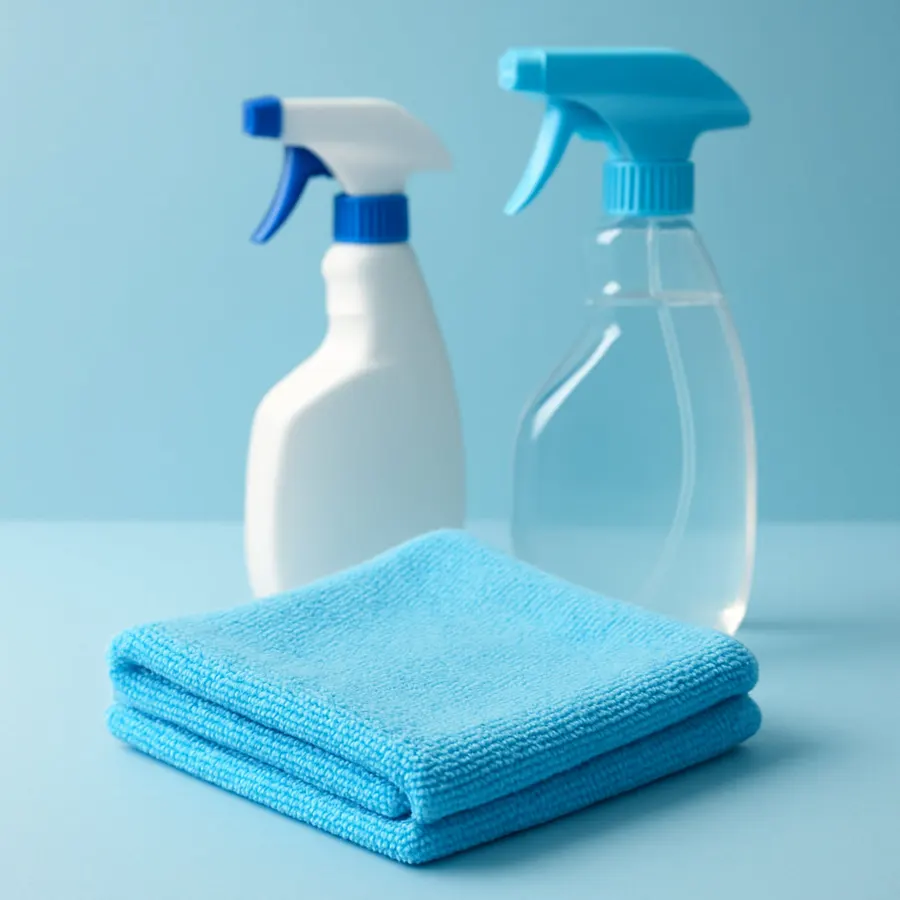
Microfiber Cloth vs. Cleaning Sprays: A Comprehensive Comparison for Effective Cleaning
Maintaining a clean and healthy environment, whether at home or in the workplace, is a top priority for many individuals and organizations. The cleanliness of surfaces, appliances, and devices not only contributes to a visually appealing space but also supports wellbeing by minimizing exposure to dirt and unwanted residue. In the pursuit of spotless spaces, two products often dominate discussions: the Microfiber Cloth and Cleaning Sprays. But how do these cleaning essentials stack up against each other? Which is most effective for particular cleaning scenarios? In this comprehensive 2000-word guide, we will dissect their characteristics, benefits, limitations, best use cases, and environmental impact to help you make an informed decision tailored to your needs.
Understanding Microfiber Cloths
What is a Microfiber Cloth?
A microfiber cloth is a type of cleaning fabric made from microscopic fibers, usually a blend of polyester and polyamide, that are split to be finer than a human hair. This unique structure allows the cloth to trap and lift dirt, dust, and oils from surfaces through mechanical means rather than relying on chemicals.
Key Features of Microfiber Cloths
- High Absorbency: Microfiber can absorb up to seven times its weight in water, making it ideal for both wet and dry cleaning.
- Lint-Free and Non-Abrasive: The soft texture ensures surfaces aren't scratched, making it safe for delicate electronics, glass, and painted surfaces.
- Reusable: Microfiber cloths can be washed and reused hundreds of times, enhancing their value.
- Eco-Friendly Potential: Reduces reliance on disposable paper towels and minimizes the need for harsh chemicals.
Common Applications
- Dusting furniture and electronics
- Cleaning glass and mirrors without streaks
- Polishing stainless steel appliances
- Automotive detailing
- General surface wiping in kitchens and bathrooms
Exploring Cleaning Sprays
What are Cleaning Sprays?
Cleaning sprays are liquid solutions designed to remove dirt, grease, stains, and bacteria from various surfaces. Available in numerous formulations—from all-purpose cleaners to specialized solutions—they typically pair chemical action with mechanical wiping to achieve results.
Key Features of Cleaning Sprays
- Targeted Cleaning Power: Cleaning sprays often include surfactants, solvents, and sometimes active ingredients for disinfection or degreasing.
- Versatility: Available in many types, including glass cleaners, kitchen degreasers, disinfecting sprays, and more.
- Ease of Use: Simply spray on the surface and wipe away dirt—ideal for quick, targeted cleaning.
- Fragrance Options: Many sprays are scented, leaving behind a fresh aroma, though fragrance-free options exist.
Common Applications
- Sanitizing kitchen counters and sinks
- Cleaning bathroom surfaces
- Removing stains from various materials
- Disinfecting high-touch areas like doorknobs and switches
- Spot cleaning spills and grime
Microfiber Cloth vs. Cleaning Sprays: Key Comparison Areas
1. Cleaning Efficiency
Microfiber Cloth
The Microfiber Cloth is lauded for its ability to mechanically lift dust, dirt, and oil from surfaces without the requirement for additional chemicals. Its dense structure traps particles, preventing them from being redistributed during cleaning. When used dry, it effectively removes dust, and when dampened with water, it can wipe away sticky residues and smudges from glass, mirrors, and stainless steel without leaving streaks.
Cleaning Sprays
Cleaning Sprays excel in breaking down persistent grime, grease, and stains through their chemical composition. Specially engineered surfactants dissolve contaminants, making removal effortless. For areas that require more than just the mechanical action of a cloth—such as greasy stovetops or soap-scum-laden showers—sprays offer a clear advantage by chemically softening the soil for easy wipe-away.
Comparison Verdict
For everyday dusting and maintenance, microfiber cloths are often sufficient. For deep cleans, disinfecting, or tackling greasy stains, cleaning sprays are generally more efficient. Many users find that combining the two—spraying cleaner onto the surface and wiping with a microfiber cloth—delivers optimal results.
2. Surface Compatibility
Microfiber Cloth
Safe for virtually all surfaces, including glass, mirrors, screens, stainless steel, wood, and painted areas. The non-abrasive fibers drastically reduce the risk of scratches, making microfiber ideal for electronics and delicate materials.
Cleaning Sprays
Versatility depends on formulation. While all-purpose sprays suit many surfaces, some cleaners can damage wood finishes, electronics, or natural stone. Always check manufacturer recommendations before use, especially for sensitive materials.
Comparison Verdict
Microfiber cloths offer greater universal compatibility. Cleaning sprays win where sufficient testing supports their use, but users must exercise caution for specialty surfaces.
3. Chemical Exposure and Allergies
Microfiber Cloth
Requires only water to be effective in most cases, minimizing chemical exposure. This makes them especially suitable for allergy sufferers, families with young children, pets, or anyone sensitive to fragrances and cleaning additives.
Cleaning Sprays
May contain fragrances, preservatives, or potent ingredients that can cause irritation or allergic reactions in sensitive individuals. Though many brands offer hypoallergenic or “green” alternatives, it’s essential to review ingredient lists for potential irritants.
Comparison Verdict
For those seeking a low-chemical or hypoallergenic approach, microfiber cloths have the clear edge. However, cleaning sprays provide benefits when addressing bacteria, germs, and specific sanitation needs.
4. Environmental Impact
Microfiber Cloth
These cloths reduce reliance on disposable products, such as paper towels, and can significantly decrease household waste. Their longevity (surviving hundreds of wash cycles) boosts eco-friendliness. However, when washed, tiny plastic fibers may be released into wastewater if not properly managed, raising questions regarding microplastic pollution.
Cleaning Sprays
Many cleaning sprays are packaged in single-use plastic bottles and contain synthetic chemicals that may not break down naturally in the environment. Eco-friendly brands offer refillable bottles and biodegradable formulas, but these are not the industry norm yet.
Comparison Verdict
Microfiber cloths generally have a lower environmental impact if properly cared for. For truly sustainable routines, choose cloths made from recycled content and pair them with eco-conscious cleaning sprays in refillable containers.
5. Cost Effectiveness
Microfiber Cloth
Though initially more expensive than paper towels or single-use wipes, their durability and reusability provide significant cost savings over time. A set of quality microfiber cloths can last several years with appropriate maintenance.
Cleaning Sprays
Repeated purchases increase long-term costs, especially if you require multiple formulations for different rooms or cleaning challenges. Refillable systems and concentrated solutions mitigate ongoing expenses, but up-front costs or storage requirements may increase.
Comparison Verdict
Microfiber cloths win when considering a multi-year horizon. However, for short-term, intense cleaning tasks, or specialty hygiene needs, cleaning sprays might justify their ongoing investment.
6. Convenience and Practicality
Microfiber Cloth
Extremely lightweight, easy to store, and flexible. No need to worry about expiration dates or chemical storage. They require laundering after heavy soiling but can be used dozens of times before washing becomes necessary.
Cleaning Sprays
Offer immediate cleaning power—just spray and wipe—without the need for wetting, wringing, or laundering. Some sprays are engineered for rapid evaporation and fast results, especially on glass or metal surfaces. However, they do require ongoing restocking and thoughtful storage (especially around children or pets).
Comparison Verdict
Microfiber cloths are more convenient for routine maintenance and light cleaning; cleaning sprays remain the go-to solution for quick fixes and targeted sanitation jobs.
7. Hygiene and Sanitation
Microfiber Cloth
Exceptional at physically removing particles and debris, thus supporting a clean environment. When laundered in hot water, they are sanitized for repeated use. However, the cloth can harbor bacteria if not properly cleaned and dried between uses.
Cleaning Sprays
Certain cleaning sprays contain disinfecting agents capable of reducing or eliminating bacteria and some viruses on hard surfaces, offering an added layer of sanitation that simple wiping cannot match. Look for sprays with clearly labeled disinfectant capabilities for high-risk zones such as bathrooms and kitchens.
Comparison Verdict
Cleaning sprays play a crucial role where disinfection is the priority. However, pairing them with microfiber cloths for application can maximize both the mechanical and chemical cleaning advantages.
When to Choose Each: Situational Use Cases
Microfiber Cloth: Ideal Scenarios
- Daily Dusting and Quick Wipe-Downs: Perfect for light cleaning of electronics, windows, mirrors, and countertops.
- Low-Chemical Cleaning: Suitable for households with allergies, babies, or pets sensitive to chemicals or fragrances.
- Spill and Stain Absorption: Absorbs liquid quickly, making it useful for immediate spill cleanup.
- Green Cleaning Routines: Reduces single-use waste and can be paired with simple homemade cleaning solutions for an eco-friendly strategy.
Cleaning Sprays: Ideal Scenarios
- Disinfecting and Sanitizing: Critical for cleaning high-touch surfaces in bathrooms, kitchens, or during flu season.
- Deep Cleaning: Essential for removing sticky, greasy, or caked-on messes.
- Eliminating Odors: Scented sprays double as freshening agents.
- Cleaning Complex Stains: Some stains (like soap scum, hard water spots, or marker ink) require chemical assistance beyond the capacity of plain microfiber cloths.
Combining Both for Maximum Cleaning Power
Though positioned for comparison, microfiber cloths and cleaning sprays are not mutually exclusive. In fact, the most effective cleaning regimens often integrate both tools. For example, a spray formulated to cut grease, when wiped away with a high-quality microfiber cloth, ensures surfaces are left gleaming and residue-free. For sensitive or specialty surfaces, a slightly damp microfiber cloth can precede or follow a well-chosen spray to maximize both cleanliness and care.
Suggested Cleaning Routine
- Dust First: Use a dry microfiber cloth to remove loose dust and debris from surfaces.
- Spray Second: Apply the appropriate cleaning spray to tackle tougher stains, grime, or to disinfect.
- Wipe Clean: Use a clean microfiber cloth to wipe away the spray, capturing both dissolved grime and excess liquid.
- Buff for Shine: For materials like glass or stainless steel, finish with a dry microfiber cloth to polish away streaks.
Care and Maintenance Tips
- Launder microfiber cloths separately from lint-producing items and without fabric softener to ensure continued effectiveness.
- Refill and reuse spray bottles where possible to reduce environmental impact.
- Label sprays clearly and keep out of reach of children and pets to ensure safe storage.
Emerging Innovations: What’s Next?
The cleaning industry is evolving to meet growing consumer demand for performance, sustainability, and safety. Here are some current innovations that blend the strengths of microfiber cloths and cleaning sprays:
- Antimicrobial Microfiber Cloths: Infused with silver ions or copper, these cloths actively inhibit the growth of odor-causing bacteria between washes.
- Plant-Based Cleaning Sprays: Utilizes natural ingredients, minimizing harsh chemicals while maintaining robust cleaning performance.
- All-in-One Kits: Bundled cleaning sets that pair the right Microfiber Cloth with a complimentary Cleaning Sprays solution, ensuring optimal compatibility and result.
- Smart Dispensers: Apps and digital sensors that measure contamination levels and advise the best combination of cloth and spray for thorough cleaning.
Frequently Asked Questions
Is it safe to use cleaning sprays on electronics?
Generally, direct application of cleaning sprays to electronic devices is not recommended due to potential liquid ingress. Instead, spray the solution onto a Microfiber Cloth and gently wipe electronic surfaces to avoid moisture damage while still achieving effective cleaning.
How often should I wash my microfiber cloth?
After heavy use or when visibly soiled, microfiber cloths should be laundered. For routine dusting or light cleaning, up to a week’s use may be possible before washing. Always follow care directions for best results and longevity.
Are all microfiber cloths created equal?
No. Microfiber cloths vary in weave density, blend, and intended use. Higher GSM (grams per square meter) cloths are thicker and more absorbent, while lower GSM are better suited for polishing and fine dusting.
Do cleaning sprays kill bacteria and viruses?
Some Cleaning Sprays contain disinfecting agents recognized by regulatory bodies and can reduce or eliminate bacteria and select viruses when used as directed. Always read product labels to confirm disinfecting capability, required contact time, and safety information.
Conclusion: Which Cleans Better—Microfiber Cloth or Cleaning Sprays?
Deciding between a Microfiber Cloth and Cleaning Sprays depends on your cleaning goals, sensitivities, surface types, and environmental priorities. Microfiber cloths deliver superior mechanical cleaning, minimize chemical exposure, and support eco-friendly routines. Cleaning sprays, meanwhile, tackle tough stains, provide targeted disinfection, and offer unmatched versatility for trickier cleaning challenges.
In practice, the optimal solution is often a tailored blend of both. By choosing high-quality microfiber cloths and responsible cleaning sprays, you support wellbeing, cleanliness, and sustainability in your everyday environment.
Ready to experience the best of both worlds? Explore our unrivaled range of Microfiber Cloth and Cleaning Sprays in our online store today, and elevate your cleaning routine to the next level! For tailored recommendations or to discover our eco-friendly bundles, contact our cleaning experts—we’re here to help you achieve spotless results with confidence.