Microfiber Cloth vs Traditional Cleaning Supplies: Best Choice Explained
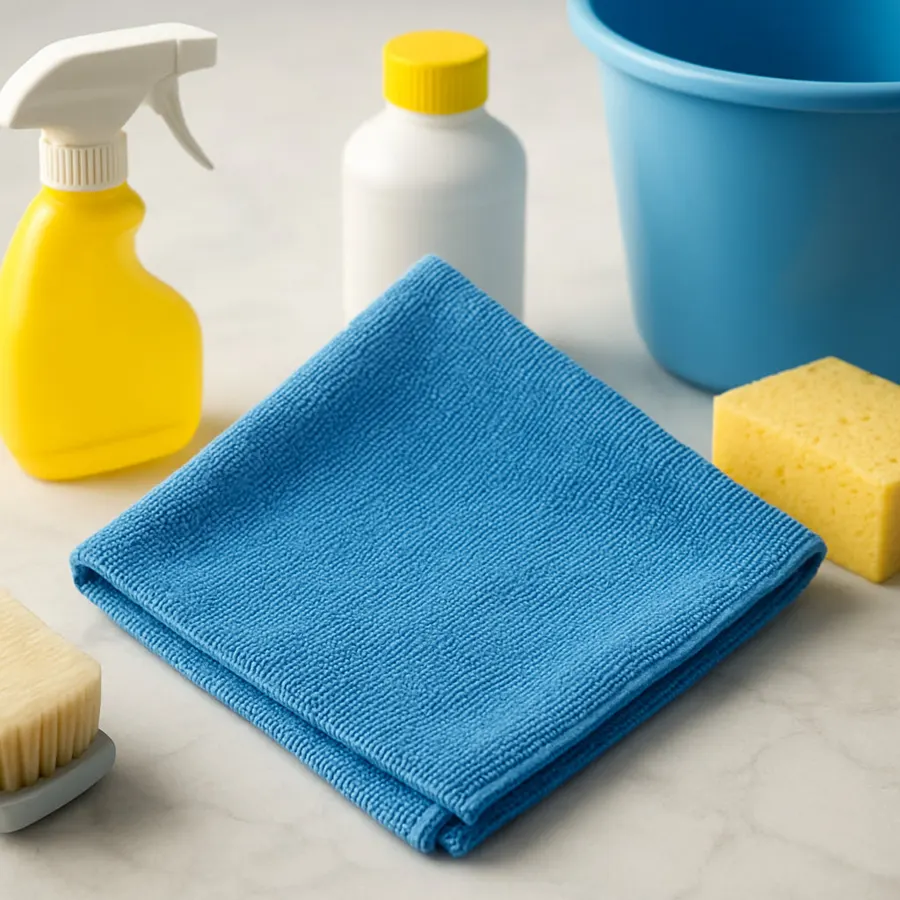
The Ultimate Comparison Guide: Microfiber Cloth vs. Other Popular Cleaning Supplies
Maintaining cleanliness is a top priority in both residential and commercial spaces. The right Cleaning Supplies not only improve aesthetics and comfort but also promote a healthier environment. Among the myriad of cleaning tools and products available today, the Microfiber Cloth has gained remarkable popularity. But how does it truly stack up against other common cleaning supplies? In this comprehensive 2000-word comparison guide, we’ll dive deep into the features, benefits, and ideal applications of microfiber cloths and compare them with other standard cleaning tools in the industry. If you’re considering upgrading your arsenal of cleaning supplies or simply curious about the best tools for specific tasks, this comparison is tailor-made for you.
Table of Contents
- Introduction to Cleaning Supplies
- What is a Microfiber Cloth?
- Microfiber Cloth vs. Cotton Cloths
- Microfiber Cloth vs. Sponge and Scrubbing Pads
- Microfiber Cloth vs. Paper Towels
- Microfiber Cloth vs. Specialized Cleaning Supplies
- Pros and Cons of Microfiber Cloth
- Environmental Impact: Microfiber and Other Choices
- Cost Effectiveness: Short and Long Term
- Which Cleaning Supplies are Right for You?
- Conclusion
Introduction to Cleaning Supplies
The choice of cleaning supplies can dramatically affect the ease, efficiency, and results of your cleaning routine. From traditional cotton cloths and paper towels to advanced synthetic materials and purpose-designed tools, the market continues to expand with innovative products. However, effectiveness, environmental considerations, cost, and the nature of the cleaning task at hand are key factors when selecting the right tools.
“Cleaning supplies” is a broad term that encompasses a variety of products including cloths, brushes, mops, sponges, cleaning solutions, gloves, and more. Each has its own pros and cons, particularly when we compare the age-old materials with modern advancements like the Microfiber Cloth. Understanding the technical differences and practical applications can help ensure optimal results and value.
What is a Microfiber Cloth?
A Microfiber Cloth is a cleaning textile made from ultra-fine synthetic fibers, typically a blend of polyester and polyamide (nylon). These fibers are split to create strands much finer than a human hair, often measuring about one-sixteenth the diameter of a single hair. This dense, fine structure gives microfiber unique cleaning properties.
- Superior Absorbency: Microfiber can absorb up to seven times its weight in water.
- Electrostatic Charge: The split fibers generate a static charge, which attracts dust, dirt, and even bacteria.
- Non-Abrasive: Despite their remarkable cleaning power, microfiber cloths are gentle on surfaces and unlikely to cause scratching.
- Reusable & Durable: A single cloth can withstand hundreds of washes when properly cared for.
Modern microfiber cloths come in a variety of weaves and pile heights for specialized uses, from glass polishing to heavy-duty scrubbing.
How Does a Microfiber Cloth Work?
The key to microfiber’s cleaning ability lies in its structure. When used dry, the fibers create a static charge that lifts dirt, dust, and tiny particles from surfaces, trapping them until the cloth is washed. When used damp, the spaces between the fibers efficiently hold water, allowing for effective removal of greasy or oily residues with just a little bit of water and no need for chemical cleaners in many cases.
Microfiber Cloth vs. Cotton Cloths
Material and Construction
Traditional cotton cloths have been a cleaning staple for centuries. Cotton is a natural fiber, valued for its softness and absorbency. However, when compared side-by-side with microfiber, some notable distinctions emerge:
- Fiber Size: Cotton fibers are significantly larger than synthetic microfiber strands. This limits their ability to trap tiny particles and bacteria.
- Absorbency: While cotton is absorbent, its mechanical structure can become quickly saturated, whereas microfiber’s split fibers maintain absorbency over a larger area and volume.
- Durability: Cotton deteriorates faster with frequent washing and can become rough or lose shape; microfiber holds up much better with proper care.
- Chemical Dependency: To effectively clean grease and bacteria, cotton cloths often require chemical cleaning agents, while microfiber’s physical structure allows cleaning with just water in many cases.
Cleaning Performance
Microfiber is superior at picking up dust, lint, and allergens—trapping rather than pushing them around. It is also less likely to leave streaks or lint trails on glass, electronics, or other smooth surfaces. Cotton, though gentle and natural, sometimes lags in these areas.
Care and Longevity
Microfiber cloths can be washed hundreds of times, maintaining their integrity much longer than their cotton counterparts. However, they must be washed without fabric softener (which clogs fibers), while cotton has fewer wash care restrictions but typically doesn’t last as long.
Microfiber Cloth vs. Sponge and Scrubbing Pads
Application Differences
Sponges and scrubbers are typically used for tasks involving heavy grime, sticky residue, or tough-to-remove substances—especially in kitchens and bathrooms.
- Absorption & Cleaning Action: Sponges excel at soaking up liquids, but they can retain odors and harbor bacteria.
- Scrubbing Pads: These are abrasive and ideal for scouring pots, pans, and baked-on messes, but they risk scratching sensitive surfaces.
- Microfiber Cloth: Offers a balance: non-abrasive for most surfaces yet capable of tackling moderately sticky or greasy spills without scratches.
Hygiene Factor
One of the significant advantages of microfiber over sponges is hygiene. Sponges, especially when kept wet, can be breeding grounds for bacteria and mold. Microfiber, when quickly dried and washed regularly, poses less risk for bacterial growth. It is also easier and faster to clean and care for between uses.
Surface Suitability
Microfiber’s non-abrasive nature makes it safe for use on a myriad of surfaces—including glass, stainless steel, electronics, and auto interiors. Scrubbers and abrasive pads are restricted to tougher, more resilient surfaces and can damage more delicate finishes.
Microfiber Cloth vs. Paper Towels
Convenience and Waste
Paper towels are ubiquitous in homes and businesses for their convenience—used once and tossed. But this single-use design results in significant environmental waste and ongoing costs.
- Waste Factor: The average household uses hundreds or even thousands of paper towels annually, contributing to landfill waste and ongoing expense.
- Performance: Paper towels are quick for spills and basic wiping but lack fine cleaning power and often leave lint behind, especially on glass or shiny surfaces.
- Cost: Over time, replacing paper towels is significantly more expensive than investing in durable microfiber cloths.
Environmental Responsibility
Switching from disposable paper towels to reusable microfiber cloths greatly reduces household or business waste footprint. Microfiber also allows for less frequent use of chemical cleaners, further benefiting sustainability.
Microfiber Cloth vs. Specialized Cleaning Supplies
Glass and Window Cleaners
Specialty glass wipes and window sprays are designed to reduce streaking. However, a high-quality microfiber cloth, especially if designed for glass, can achieve the same if not better results—often without the need for additional chemicals.
Floor Cleaning Tools
Microfiber pads have revolutionized mopping. Traditional string or sponge mops require wringing and can push dirty water around. Microfiber mop heads clean more thoroughly, are more hygienic, and can often be laundered and reused, reducing waste and maintaining sanitation standards.
Electronics Dusters and Wipes
Modern screens and electronics require gentle, lint-free cleaning. Microfiber far surpasses cotton and most disposable electrostatic dusters, as it does not scratch and removes even fine dust and oils effectively from devices and monitors.
Pros and Cons of Microfiber Cloth
Advantages
- Superior Cleaning: Picks up more dirt, dust, and microbes than most alternatives.
- Minimizes Chemicals: Often cleans effectively with just water.
- Cost-Effective: Durable; hundreds of washes before replacement is needed.
- Surface Safety: Non-abrasive, ideal for delicate surfaces.
- Environmentally Friendly: Replaces single-use disposables and reduces chemical usage.
Potential Drawbacks
- Sensitivity to Fabric Softener: Using softener in the wash can damage fibers and reduce effectiveness.
- Microfiber Pollution: When washed, small plastic fibers may enter wastewater if not captured by filters or special laundry bags.
- Initial Cost: Higher upfront investment than cheap disposables, though offset by longevity.
- Melting Point: Not suitable for cleaning extremely hot surfaces as synthetic fibers can melt.
Environmental Impact: Microfiber and Other Choices
The Life Cycle of Cleaning Supplies
Considering the overall environmental impact is crucial when choosing cleaning supplies. Traditional options like cotton and paper are made from renewable resources but often require significant water, pesticide, and energy resources for production. They also generate waste through regular replacement.
Microfiber, while crafted from petroleum-based synthetics, offers substantial waste reduction through its long usable life and reuse. However, microplastic pollution is a genuine concern, as fibers can shed during laundry. Using washing bags or filters designed to catch microfiber minimizes this impact.
Waste and Landfill Contribution
- Paper Towels: Major contributors to landfill waste due to single-use design.
- Cotton Cloths: Biodegradable but still require regular replacement due to wear.
- Microfiber Cloth: Non-biodegradable fibers, but much lower frequency of disposal over time.
In summary, a balanced approach—using long-lived microfiber alongside other sustainable cleaning practices—can support wellness and environmental stewardship for both home and business.
Cost Effectiveness: Short and Long Term
Initial Investment vs. Longevity
While the upfront cost of a high-quality Microfiber Cloth may be greater than that of a simple cotton rag or a roll of paper towels, the extended lifespan and repeated usability quickly offset the difference. Consider the cost per use over time:
- A single microfiber cloth can last for years with simple care, tolerating hundreds of washes.
- Paper towels and cheap disposables are ongoing expenses and generate recurring waste.
- Even well-cared-for cotton cloths will need replacing far more frequently than microfiber.
Maintenance Considerations
Microfiber does require specific laundering practices—no fabric softeners or bleach; ideally air-dried or dried at low temperatures. While this may be seen as an extra step, it pays dividends in performance and longevity.
For businesses, the reduction in recurring purchasing costs and waste management fees can be significant, especially when implemented at scale.
Which Cleaning Supplies are Right for You?
Task-Based Recommendations
- Everyday Dusting: Microfiber is best for attracting and trapping dust on any surface.
- Heavy Grime/Scrubbing: Dedicated sponges and scrubbing pads may be needed for stubborn messes, especially in kitchens.
- Streak-Free Finishes: Microfiber glass-specific versions excel at leaving windows, mirrors, and electronics spotless.
- General Wiping: Microfiber or cotton for multi-surface cleaning; paper towels for quick, disposable cleanup.
Personal and Professional Use
Choosing cleaning supplies depends on your priorities—cost, environmental responsibility, performance, and convenience. For most conscientious users, building a cleaning kit anchored around microfiber cloths, with a few specialty tools for specific jobs, offers the greatest blend of sustainability and functionality.
Conclusion
Selecting the right cleaning supplies can feel overwhelming with so many modern options. However, the rise of the Microfiber Cloth represents a leap forward in cleaning efficiency, performance, and sustainability. Through its superior trapping ability, versatility, and durability, microfiber outperforms many traditional tools on several fronts: ease of use, waste reduction, and cost savings.
While traditional cotton cloths, sponges, scrubbing pads, and paper towels all have their places for certain uses, incorporating microfiber into your routine encourages healthier habits, supports a balance between clean spaces and environmental stewardship, and ultimately delivers a more polished result with fewer resources.
Ready to upgrade your cleaning routine? Explore our extensive range of Cleaning Supplies today and experience firsthand the microfiber advantage. Investing in quality tools for your home or business is a step towards a cleaner, greener, and smarter future.
Discover the difference—make microfiber your cleaning companion and elevate your results every time.