Scrub Brush vs Cleaning Sprays: Which Cleans Better?
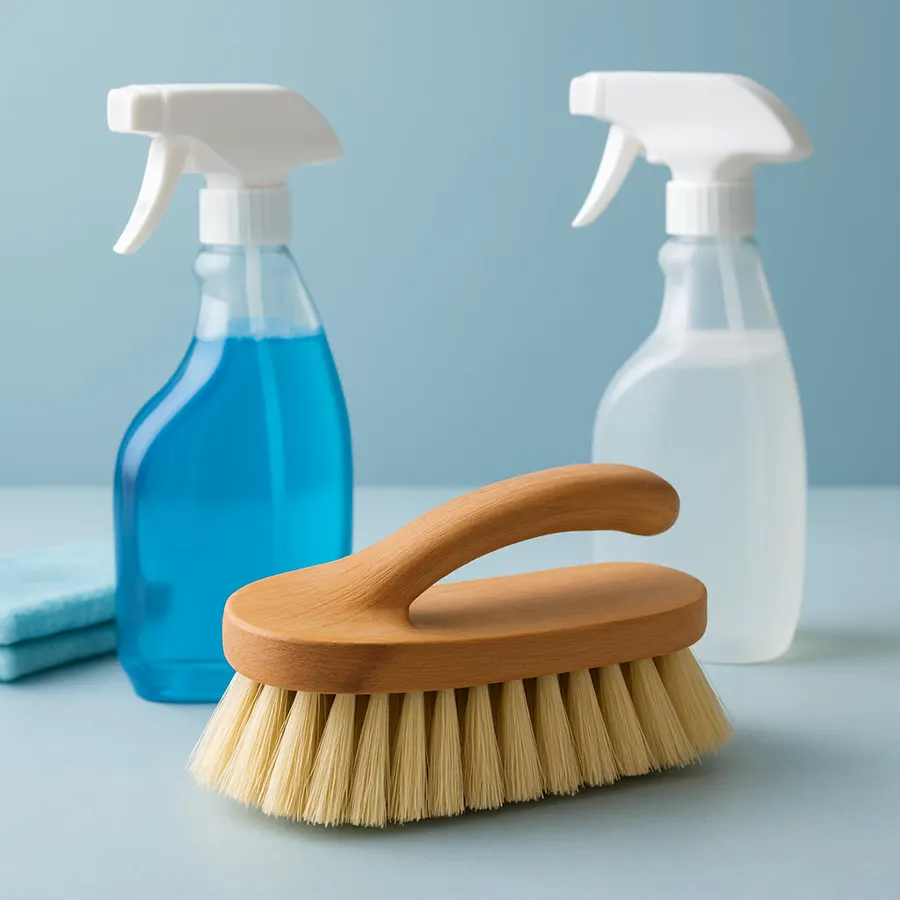
The Comprehensive Comparison: Scrub Brush vs. Cleaning Sprays for Effective Home Cleaning
Cleaning your home regularly is essential not only for maintaining a pleasant environment but also for promoting wellness and the overall comfort of your space. The market today is flooded with a vast array of cleaning tools and products, making it increasingly difficult for consumers to select the most efficient solutions for their cleaning challenges. Two of the most common and versatile cleaning essentials are the Scrub Brush and Cleaning Sprays. Understanding the unique features, strengths, and potential drawbacks of each helps households and professionals alike make informed decisions that elevate their cleaning routines.
In this comprehensive guide, we will compare Scrub Brush and Cleaning Sprays across a range of categories, including effectiveness, versatility, ease of use, environmental impact, cost, maintenance, and cleaning applications. By the end of this article, you will gain nuanced insights enabling you to select and combine these essential tools for optimal results in your home or professional cleaning operations.
Understanding Your Cleaning Arsenal: What Are Scrub Brushes and Cleaning Sprays?
What is a Scrub Brush?
A Scrub Brush is a cleaning tool designed with firm bristles fixed on a handle, engineered to tackle stubborn grime, dirt, and residues from a variety of surfaces. They come in many shapes and sizes:
- Handheld Scrub Brushes: Perfect for small spots or detailed cleaning such as grout lines or corners.
- Long-handled Scrub Brushes: Useful for floors, bathroom tiles, and areas that are hard to reach.
- Specialty Scrub Brushes: Designed for delicate items or surfaces, such as bottle brushes or vegetable scrubbers.
Bristle materials range from natural fibers to synthetic plastics, each tailored to specific cleaning requirements. The Scrub Brush is well-known for its ability to deliver a mechanical cleaning action, which can be crucial in loosening dirt where chemical alone may fall short.
What are Cleaning Sprays?
Cleaning Sprays are chemical solutions designed to address a wide range of cleaning scenarios. Delivered via spray bottles for even coverage, these products are formulated for specific purposes such as:
- All-purpose cleaning sprays for everyday messes on countertops and surfaces.
- Disinfecting sprays for reducing microbial presence on frequently touched areas.
- Glass and mirror sprays to ensure streak-free transparency.
- Specialty sprays targeting limescale, oven grease, upholstery, or bathrooms.
Their core function is to leverage chemical action to break down grime, oils, bacteria, and more. The versatility, ease of application, and specialty offerings have earned Cleaning Sprays a place in almost every home and workplace.
Comparing Scrub Brushes and Cleaning Sprays: A Deep Dive
1. Cleaning Effectiveness: Tactile vs. Chemical Action
The most fundamental differentiator between a Scrub Brush and Cleaning Sprays is their core method of cleaning.
- Scrub Brush: Delivers mechanical abrasion. It physically disrupts and lifts dirt, which is particularly effective for hard, stuck-on messes (e.g., baked-on food on cookware, soap scum in bathroom tiles, mud on floors). The action is manual, relying on user effort to achieve results.
- Cleaning Sprays: Operate via chemical breakdown of organic residues, oils, and bacteria. Their formulas often soften, dissolve, or emulsify messes, making them easier to wipe or rinse away. Some sprays offer disinfecting capabilities that go beyond physical removal, helping maintain balance in hygienic conditions.
For many users, the combination of both tools—spraying surfaces and then scrubbing—is the most powerful approach. On their own, Cleaning Sprays are especially handy for lighter messes or frequent wipe-downs, while a Scrub Brush is unrivaled for deep cleaning tasks.
2. Versatility and Applications
Both tools are versatile, but excel in different scenarios.
-
Scrub Brush:
- Floors: Tackles grout, tiles, and linoleum.
- Bathrooms: Removes scale and soap scum from tubs, tiles, and sinks.
- Kitchen: Cleans pots, pans, and baking dishes.
- Outdoor Spaces: Handles patio furniture, decks, and garden tools.
-
Cleaning Sprays:
- Countertops and hard surfaces.
- Appliances, refrigerators, and stovetops.
- Windows and glass surfaces (with specialty sprays).
- Soft surfaces such as upholstery (using fabric-safe sprays).
Do note that certain surfaces may require specialized products to avoid damage—always read manufacturer guidelines before usage, especially when dealing with natural stone, unsealed wood, or delicate textiles.
3. Ease of Use and Accessibility
Modern households require efficient solutions that fit seamlessly into busy schedules.
- Scrub Brush: Requires manual effort—scrubbing by hand can be time-intensive and may strain hands or wrists, especially for larger jobs. However, their straightforward design means minimal setup and long lifespan.
- Cleaning Sprays: Exceptionally easy to use—simply spray on, let it work, and wipe or rinse away. The portability of spray bottles adds convenience for quick touch-ups or cleaning in tight spaces.
Individuals with mobility issues may find Cleaning Sprays easier to apply, whereas those who enjoy more hands-on control and are tackling deep stains may favor the tactile approach of a Scrub Brush.
4. Environmental Impact Considerations
Sustainability is increasingly important in selecting household products.
- Scrub Brush: Often made from long-lasting materials. Models constructed of bamboo, recycled plastics, or biodegradable fibers offer eco-friendly alternatives. A single Scrub Brush can last months or even years with proper care, reducing waste.
- Cleaning Sprays: Their formulations, packaging, and disposal requirements vary. While many traditional sprays include chemicals that might be harsh on the environment, there is a growing market for plant-based, biodegradable, and refillable Cleaning Sprays. However, empty plastic bottles and non-natural formulas may contribute to waste and chemical runoff.
If environmental considerations are priority, look for refillable spray bottles, concentrated cleaning solutions, and brushes made from responsible sources.
5. Cost: Initial Investment and Long-Term Value
Budget influences the choice of cleaning supplies significantly.
- Scrub Brush: Generally an upfront investment. Quality brushes are affordable, and with proper maintenance, rarely need replacement. Certain tasks require specialty brushes, but even so, their long lifespan makes them highly cost-effective.
- Cleaning Sprays: Lower initial cost per bottle. However, frequent use can make these a recurring expense, especially for larger homes or regular cleaning regimes. Choosing concentrates or bulk purchases can improve cost efficiency.
Combine a durable Scrub Brush with a versatile Cleaning Spray for best long-term economy and effectiveness.
6. Maintenance and Care Requirements
Maintenance impacts the longevity and hygienic safety of cleaning products.
- Scrub Brush: Should be rinsed and air-dried after each use. Periodically disinfecting the bristles and avoiding prolonged moisture prevents mildew, bacterial buildup, and unpleasant odors.
- Cleaning Sprays: Require minimal maintenance—ensure bottles are kept clean, tightly sealed, and stored away from direct heat or sunlight. Empty or expired bottles should be properly disposed of or recycled.
Taking these steps helps maintain balance between product lifespan, effectiveness, and overall hygiene.
Side-by-Side Comparison Table: Scrub Brush vs. Cleaning Sprays
| Feature | Scrub Brush | Cleaning Sprays |
|---|---|---|
| Cleaning Method | Mechanical/Tactile | Chemical/Contact |
| Best For | Stubborn/built-up grime, scrubbing surfaces | Light debris, degreasing, sanitizing |
| Specialty Usage | Grout, pans, outdoor gear, pet bowls | Mirrors, electronics, fabrics, food prep areas |
| Environmental Impact | Reusable, possible sustainable options | Varies: disposable packaging, green and refill options available |
| Cost Effectiveness | High – reusable, durable | Varies – recurring cost per refill/bottle |
| Maintenance | Wash and dry after use | Minimal, proper storage required |
| User Effort | High – manual scrubbing | Low – spray and wipe |
| Health & Wellbeing | Supports healthy habits through thorough cleaning | Promotes wellness by sanitizing and reducing buildup |
When to Use a Scrub Brush: Key Scenarios
Deep Cleaning in Kitchens and Bathrooms
Grease, soap scum, and mineral deposits often require more than a simple wipe down. The forceful bristles of a Scrub Brush are irreplaceable for scrubbing tile grout, removing buildup from pots and pans, and restoring luster to fixtures.
Tackling Outdoor and Sports Equipment
Muddy shoes, gardening tools, and grills frequently become encrusted with dirt that only abrasion can dislodge. A Scrub Brush ensures deep cleaning without over-reliance on chemicals, preserving natural finishes and supporting eco-friendly cleaning routines.
Pet Supplies and Children’s Gear
Items like pet bowls or children’s highchairs must be cleaned thoroughly to maintain a balanced environment. The ability to scrub hard-to-reach crevices makes a Scrub Brush the tool of choice for these tasks.
When to Use Cleaning Sprays: Key Scenarios
Daily Maintenance and Quick Clean-Ups
For regular wiping of kitchen countertops, bathroom sinks, doorknobs, and light switches, Cleaning Sprays are both fast and effective. Their chemical action quickly loosens oils, fingerprints, and everyday dust.
Disinfecting High-Touch Surfaces
In today’s world, promoting wellness often means paying attention to reducing microbial load on frequently-touched areas. Cleaning Sprays designed for disinfecting help maintain peace of mind by reducing bacteria in living areas, workplaces, and common spaces.
Cleaning Delicate Surfaces
Wiping electronics, glass, and soft textiles often requires a gentle approach. Many specialty Cleaning Sprays are formulated to clean without scratching, streaking, or leaving behind residues.
Pros and Cons: Scrub Brushes vs. Cleaning Sprays
Scrub Brush
-
Pros:
- Highly effective for tough, stubborn grime.
- Reusable, durable, and often eco-friendly.
- Mechanical action can eliminate dirt without chemicals, aiding sensitive skin populations.
- Variety of sizes and specialization.
-
Cons:
- Requires manual effort—can be fatiguing on large jobs.
- Sometimes ineffective without cleaning solutions for oily or sticky messes.
- Needs regular cleaning to avoid bacterial growth.
Cleaning Sprays
-
Pros:
- Quick, convenient, no scrubbing required in most cases.
- Versatile for a wide range of surfaces and specific cleaning challenges.
- Easy to store and use for daily maintenance.
- Options available for specific concerns—antibacterial, streak-free, or fabric-safe.
-
Cons:
- Recurring cost, especially for frequent users.
- Some contain harsh chemicals or artificial fragrances.
- Packaging waste unless opting for eco-friendly refills.
- Certain residues may require additional wiping or rinsing.
Combining Forces: Optimal Cleaning Solutions
The synergy between a Scrub Brush and Cleaning Sprays often delivers the best results. For instance:
- Spray a degreasing solution on a stovetop, allow it to penetrate, then scrub residue with a brush for a sparkling finish.
- Treat moldy grout with a targeted cleaning spray and agitate with a stiff-bristled brush.
- Apply gentle, natural cleaning sprays to toys, then scrub tiny nooks and corners using a detail brush.
Pairing these tools ensures a thorough clean, helping households maintain wellness and create hygienic, inviting environments.
Special Considerations: Allergies, Pets, and Children
For homes with sensitive individuals, pets, or young children, consider the following:
- Select fragrance-free or hypoallergenic Cleaning Sprays to minimize potential irritants.
- Choose Scrub Brushes with soft, non-shedding bristles for gentle yet effective action on delicate surfaces.
- Store both products securely to prevent accidental access by children or animals.
- Rinse all surfaces thoroughly if using sprays and brushes on food prep or pet zones.
Moving Toward Sustainable Cleaning Choices
Both Scrub Brush and Cleaning Sprays are evolving in response to consumer demand for sustainability. Consider:
- Purchasing brushes made from responsibly sourced wood or recycled plastics.
- Choosing cleaning concentrates and refillable spray bottles to significantly lower plastic footprint.
- Supporting brands that offer biodegradable formulas and clear environmental commitments.
Small, mindful adjustments not only benefit individual wellness but also contribute to a more balanced planet.
Conclusion: Making the Right Choice for Your Home
Both Scrub Brush and Cleaning Sprays play essential roles in modern cleaning routines. The former excels at tackling tough, stuck-on grime with mechanical action, while the latter offers chemical prowess and convenience, ideal for daily upkeep, disinfection, and specialty surface care. Your individual cleaning goals, budget, environmental values, and available time will guide you toward the optimal balance for your household or business.
To maximize effectiveness and value, consider combining the tactile power of a high-quality Scrub Brush with the targeted action of specialty Cleaning Sprays. Choose environmentally-conscious options when possible, and establish routine cleaning habits that support not only a sparkling home but also mindful, balanced living.
If you’re ready to upgrade your cleaning routine, explore our curated selection of premium scrub brushes and eco-friendly cleaning sprays. Empower your hygiene habits—Shop now for a cleaner, healthier, and more harmonious home environment.