Window Cleaning Tools vs Cleaning Sprays: Which Works Best?
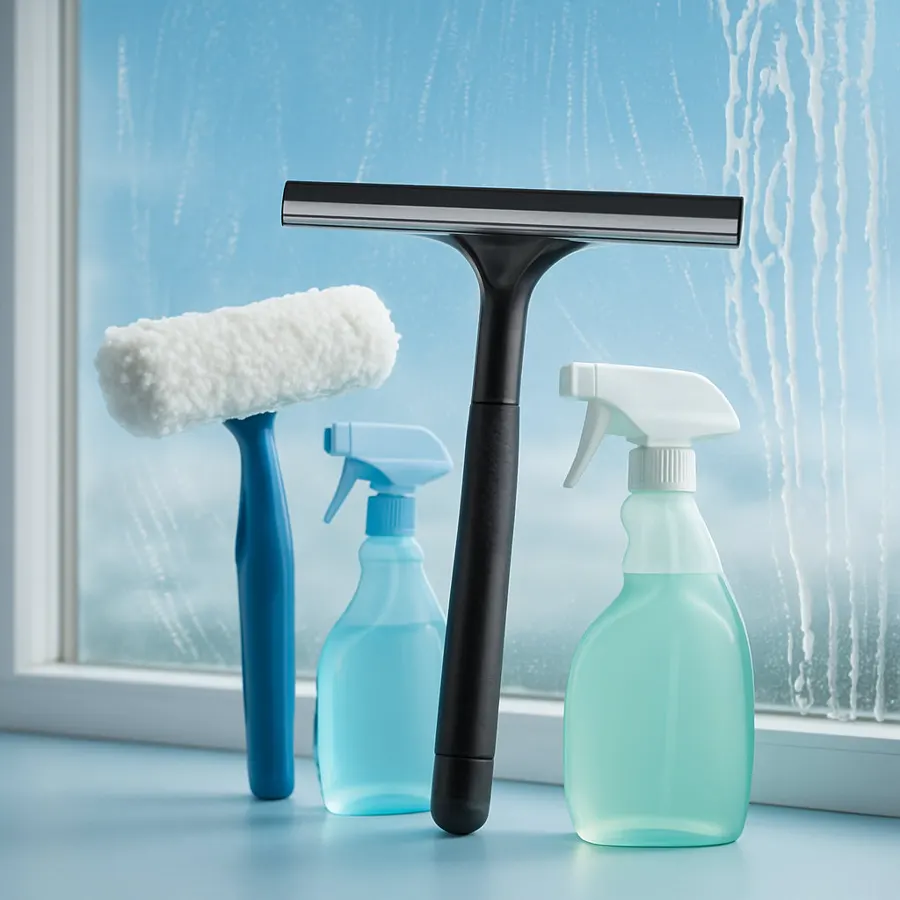
The Ultimate Comparison Guide: Window Cleaning Tools vs. Cleaning Sprays
Keeping windows pristine is an essential part of maintaining a clean, professional, and inviting environment—whether at home or in a business setting. The process might seem straightforward, but choosing the right products is crucial for optimal results. Two of the most popular solutions are specialized Window Cleaning Tools and Cleaning Sprays. Both options come with their own sets of advantages and ideal use cases, raising a common question: which is better for your requirements?
In this comprehensive guide, we’ll provide a side-by-side comparison of Window Cleaning Tools and Cleaning Sprays, diving deep into their features, benefits, drawbacks, and best-use scenarios. By the end of this article, you’ll have all the information you need to confidently upgrade your window cleaning routine and achieve outstanding results.
Understanding the Basics: Window Cleaning Tools and Cleaning Sprays Explained
What are Window Cleaning Tools?
Window Cleaning Tools are specialized implements designed to effectively remove dirt, grime, streaks, and water spots from glass surfaces. These tools range from basic manual devices to advanced kits found in professional settings. Common Window Cleaning Tools include:
- Squeegees: Rubber-bladed tools that efficiently remove water and cleaning solution from glass without leaving streaks.
- Scrubbers: Often made with microfiber or sponge surfaces, ideal for agitating and lifting stubborn dirt.
- Extension Poles: Extend your reach for high or wide windows, improving safety and efficiency.
- Microfiber Cloths: Ultra-absorbent cloths designed to trap dust and polish glass surfaces.
- Window Scrapers: Handheld blades that help remove paint or sticky residue from glass.
What are Cleaning Sprays?
Cleaning Sprays refer to liquid solutions formulated specifically for cleaning glass and other hard surfaces. These products often contain surfactants designed to break down dirt, oils, and fingerprints, allowing for easy wipe-off. Cleaning Sprays generally come in trigger or aerosol bottles and can be paired with a variety of cloths or towels for application. Key types include:
- Ammonia-based Glass Cleaners: Known for cutting through grease and leaving surfaces streak-free.
- Eco-friendly Formulas: Made using plant-based ingredients for environmentally conscious consumers.
- Alcohol-based Sprays: Quick-drying and ideal for spot-cleaning fingerprints and smudges.
- Multi-surface Sprays: Suitable for both glass and other surfaces like mirrors, chrome, or stainless steel.
Both Window Cleaning Tools and Cleaning Sprays play vital roles in the window cleaning process, but their effectiveness can vary depending on application, frequency, and environment. Next, let’s explore their respective strengths and ideal scenarios for use.
Performance Comparison: A Detailed Look at Effectiveness
Cleaning Power and Streak Removal
-
Window Cleaning Tools:
- Squeegees, when used correctly, are unmatched in delivering streak-free results. The rubber blade creates a uniform wipe, removing both water and dirt in a single motion.
- Scrubbers and microfiber cloths excel at lifting stubborn grime, particularly when used with a proper cleaning solution.
- Extension poles and scrapers enable thorough cleaning of large panels and hard-to-reach areas.
-
Cleaning Sprays:
- Effective at dissolving light dirt, smudges, and fingerprints. The inclusion of surfactants helps break down oils for easy removal.
- Some formulas offer anti-static properties, which help repel dust post-cleaning.
- Can sometimes leave streaks if overused or not properly wiped, especially on larger or sun-exposed windows.
Dirt, Grime, and Tough Stains
-
Window Cleaning Tools:
- Mechanical agitation from scrubbers and the edge of a squeegee allows the removal of stubborn deposits.
- Window scrapers are unbeatable for removing hard residues like paint splatters, stickers, or tree sap.
- For neglected or heavily soiled windows, tools provide more thorough cleaning compared to sprays alone.
-
Cleaning Sprays:
- Capable of dissolving light dirt and providing a pleasant scent, but often struggle with built-up grime.
- Some sprays are formulated with extra cleaning agents to tackle hard water spots or mineral deposits, but these can require additional scrubbing.
Convenience and Ease of Use
Window Cleaning Tools
- Learning Curve: Tools like squeegees may require a bit of practice to perfect technique, especially to avoid streaks and dripping.
- Setup: Users must often prepare a bucket of water and cleaning solution. The process involves several tools for optimal results.
- Reach and Safety: Extension poles reduce the need for ladders, making it safer and more convenient to clean high windows.
- Time Efficiency: Once mastered, cleaning large areas with tools can be faster than using sprays—and often results in better aesthetics.
- Storage: Tools require dedicated storage space and occasional maintenance, such as replacing squeegee blades or washing cloths.
Cleaning Sprays
- Instant Application: Simply spray the cleaner on the surface and wipe with a cloth—no assembly or skill required.
- Portability: Compact bottles make Cleaning Sprays ideal for quick touch-ups or on-the-go use at offices, cars, or travel sites.
- Minimal Equipment Needed: Usually just a spray and a cloth, making them perfect for busy individuals or minor cleanups.
- Storage: Small, lightweight bottles fit easily in cupboards or drawers, taking up minimal space.
- Time Efficiency: Excellent for spot-cleaning but can be time-consuming for large surfaces or heavily soiled areas due to repeated spraying and wiping.
Long-Term Costs and Durability
Window Cleaning Tools: An Investment
The initial cost for a full set of Window Cleaning Tools may be higher than purchasing a single bottle of Cleaning Spray. However, these tools are generally reusable and durable, making them cost-effective over time.
- Squeegees and microfiber cloths can last for many uses if cleaned and stored properly.
- Replacement costs are minimal, mainly for blades or worn cloths/sponges.
- Extension poles and scrapers are sturdy investments that last for years.
Cleaning Sprays: Repeat Purchases
Cleaning Sprays are typically single-use products; bottles are depleted with regular use, requiring frequent replacement. The cost can add up over time, especially for larger spaces or businesses.
- Eco-conscious consumers can look for refillable options or concentrates, but waste from plastic bottles is a concern.
- Cost per clean is generally higher in the long run compared to reusable tools.
Environmental Impact and Sustainability Considerations
Window Cleaning Tools: Lower Waste Footprint
Reusable tools lead to less waste. Microfiber cloths and squeegees can be washed or replaced infrequently, and well-made extension poles or scrapers can last for many years. The reduction in single-use plastics and consumables makes this option appealing to eco-minded consumers.
Cleaning Sprays: Sustainable Choices Emerging
Traditional aerosol or trigger bottles can contribute to plastic and chemical waste. However, eco-friendly brands have introduced biodegradable formulas and reusable bottles, and some offer concentrates for mixing at home, reducing packaging waste. Still, most mainstream Cleaning Sprays have a larger environmental impact compared to reusable Window Cleaning Tools.
Hygiene, Health, and Safety
Using Window Cleaning Tools
Tools used exclusively for glass surfaces minimize cross-contamination and can be sterilized between uses. Rubber blades and microfibers need routine cleaning to maintain hygiene and performance.
Cleaning Sprays and Indoor Air Quality
Many Cleaning Sprays contain volatile organic compounds (VOCs) or strong fragrances, which can affect indoor air quality. Choosing low-VOC or scent-free formulas can minimize sensitivity for individuals with allergies or respiratory concerns. Eco-friendly and plant-based options support wellbeing and contribute to a balanced lifestyle while delivering good cleaning results.
Best Use Scenarios: When to Choose Each Solution
When Window Cleaning Tools are Best
- Large window displays, storefronts, or homes with oversized glass surfaces.
- High, hard-to-reach windows (when paired with extension poles).
- Removal of stubborn debris, paint, sap, or other heavy contaminants.
- Professional cleaning businesses seeking efficiency and superior results.
When Cleaning Sprays Shine
- Quick, convenient spot cleaning, such as removing fingerprints or dog nose prints.
- Automobile windows, mirrors, and glass tabletops.
- Multi-surface cleaning in bathrooms, kitchens, or offices.
- Environments with limited storage or where portability is a priority.
Case Studies: Real-World Insights
Residential Cleaning Example
A homeowner with several large, south-facing windows found that while Cleaning Sprays were suitable for minor smudges, using Window Cleaning Tools (specifically a squeegee and extension pole) produced standout, streak-free results with less effort for deep cleaning sessions. The tools also allowed them to safely reach and clean tall windows without using a ladder.
Business and Commercial Premises
An office manager overseeing a commercial property switched to Window Cleaning Tools for routine glass maintenance after finding the cost and time of using Cleaning Sprays excessive. Tools enabled quick, uniform cleaning of both interior and exterior panes. For daily touch-ups, they kept a bottle of Cleaning Spray and microfiber cloths at reception to handle fingerprints on glass doors and partitions.
Automotive Detailing Shop
A car detailing professional preferred ammonia-free Cleaning Sprays for interior windows and mirrors to avoid damage to tinted glass, relying on premium microfiber towels for a flawless finish. For exterior windshield grime, a compact squeegee delivered the best results.
How to Maximize Results: Pro Tips and Best Practices
- Combine Both Solutions: For high-traffic or demanding environments, use Window Cleaning Tools for deep cleans and Cleaning Sprays for maintenance between sessions.
- Always Use Clean Cloths and Blades: Dirty or worn-out tools can cause streaking and diminish results.
- Avoid Direct Sunlight: Clean windows early morning or late afternoon to prevent cleaning solutions from drying too fast and leaving marks.
- Mind the Technique: For squeegees, run the blade in a single smooth motion from top to bottom and wipe the blade after each pass to ensure flawless results.
- Effective Spray Application: For Cleaning Sprays, use a light mist and a zigzag wiping pattern for even distribution and fewer streaks.
- Routine Maintenance: Regular cleaning prevents buildup, making each cleaning session faster and more effective.
- Select the Right Products: Opt for professional-grade Window Cleaning Tools and high-quality, preferably eco-friendly Cleaning Sprays for the best combination of performance and peace of mind.
Product Recommendations: What to Look For
Choosing the Best Window Cleaning Tools
- Look for ergonomic handles for hand comfort and control.
- Choose squeegees with replaceable rubber blades for long-term value.
- Microfiber cloths should be lint-free and machine washable.
- Extension poles with locking mechanisms provide stable reach for high windows.
- Opt for lightweight, rust-resistant materials for tools intended for regular outdoor use.
Selecting Effective Cleaning Sprays
- Ammonia-free formulas are preferred for tinted windows and enclosed spaces.
- Consider eco-friendly options with biodegradable packaging and ingredients.
- Multi-surface sprays offer versatility for households with diverse cleaning needs.
- Read product reviews and choose brands known for streak-free, residue-free performance.
FAQ: Your Top Window Cleaning Questions Answered
Q: Can I use Cleaning Sprays with Window Cleaning Tools?
Yes! In fact, pairing a high-quality spray with a squeegee or microfiber cloth can enhance cleaning efficiency, especially for spot removal or touch-ups.
Q: How do I avoid streaks on my windows?
Ensure you’re using a clean blade on your squeegee and a lint-free microfiber cloth. Avoid cleaning during the hottest parts of the day, as rapid evaporation causes streaking. For sprays, less is more—overapplying can leave residue or streaks.
Q: What is the most eco-friendly way to clean windows?
Use reusable Window Cleaning Tools with cloths and eco-conscious Cleaning Sprays. Refill bottles where possible and wash microfibers in cold water to maintain their longevity.
Q: Are DIY solutions as effective as commercial Cleaning Sprays?
Homemade blends (such as water, vinegar, and a few drops of liquid soap) can work for minor cleaning, but often lack the surfactants and anti-streaking additives found in professional formulas.
Conclusion: Making the Right Choice for Your Window Cleaning Needs
Both Window Cleaning Tools and Cleaning Sprays offer distinct advantages, and the best results often come from leveraging both in tandem. For deep, regular, or large-area cleaning, Window Cleaning Tools represent a smart investment—supporting sustainability, reducing waste, and enabling outstanding results. For quick fixes, delicate materials, or multi-surface jobs, Cleaning Sprays shine for their speed, ease, and versatility.
Whichever route you choose, focus on quality products and maintain a consistent cleaning routine to keep your glass surfaces gleaming all year round. Ready to elevate your window cleaning process? Explore our curated selection of Window Cleaning Tools and innovative Cleaning Sprays in our online store today. Invest wisely, clean efficiently, and enjoy a crystal-clear view!
Don’t forget to subscribe to our blog for more expert cleaning tips, comparisons, and exclusive offers!